You love your dog. You buy the fancy treats, the squeaky pineapple toy, and you keep saying “we’ll start training tomorrow.” Then tomorrow becomes next week and your dog still thinks “sit” means “do a zoomie.” Good news: you don’t need perfection. You just need to dodge the most common mistakes most owners make and build better habits. Let’s fix the big ones so your dog stops training you.
Being Inconsistent With Cues and Rules
You say “off” sometimes, “down” other times, and “stop that” when your dog jumps. Your dog hears static. Dogs learn fast when we use the same words for the same actions, every time.
Pick one cue per behavior and stick with it. If “down” means lie down, don’t use it for “get off the couch.” Choose “off” for getting off furniture and “down” for the floor position. Keep it boring and predictable.
Make Your Rules Boringly Clear
– Decide house rules: couch or no couch, bed or floor, kitchen or not.
– Get everyone on the same page. If one person allows it and another scolds, the dog gambles. And dogs love gambling.
Waiting Too Long to Reward
If you reward five seconds after the sit, your dog might think you paid for blinking. Timing matters. You need to mark the exact behavior you like.
Use a marker word like “Yes!” or a clicker. Mark the moment the butt hits the floor, then deliver the treat. The marker buys you a second or two to get the reward to your dog without confusing them.
Timing Tips That Actually Help
– Practice without the dog: say “yes,” then pretend to deliver a treat. Build your rhythm.
– Keep treats accessible. A pouch or counter stash beats rummaging in a cabinet.
Over-Talking and Under-Training
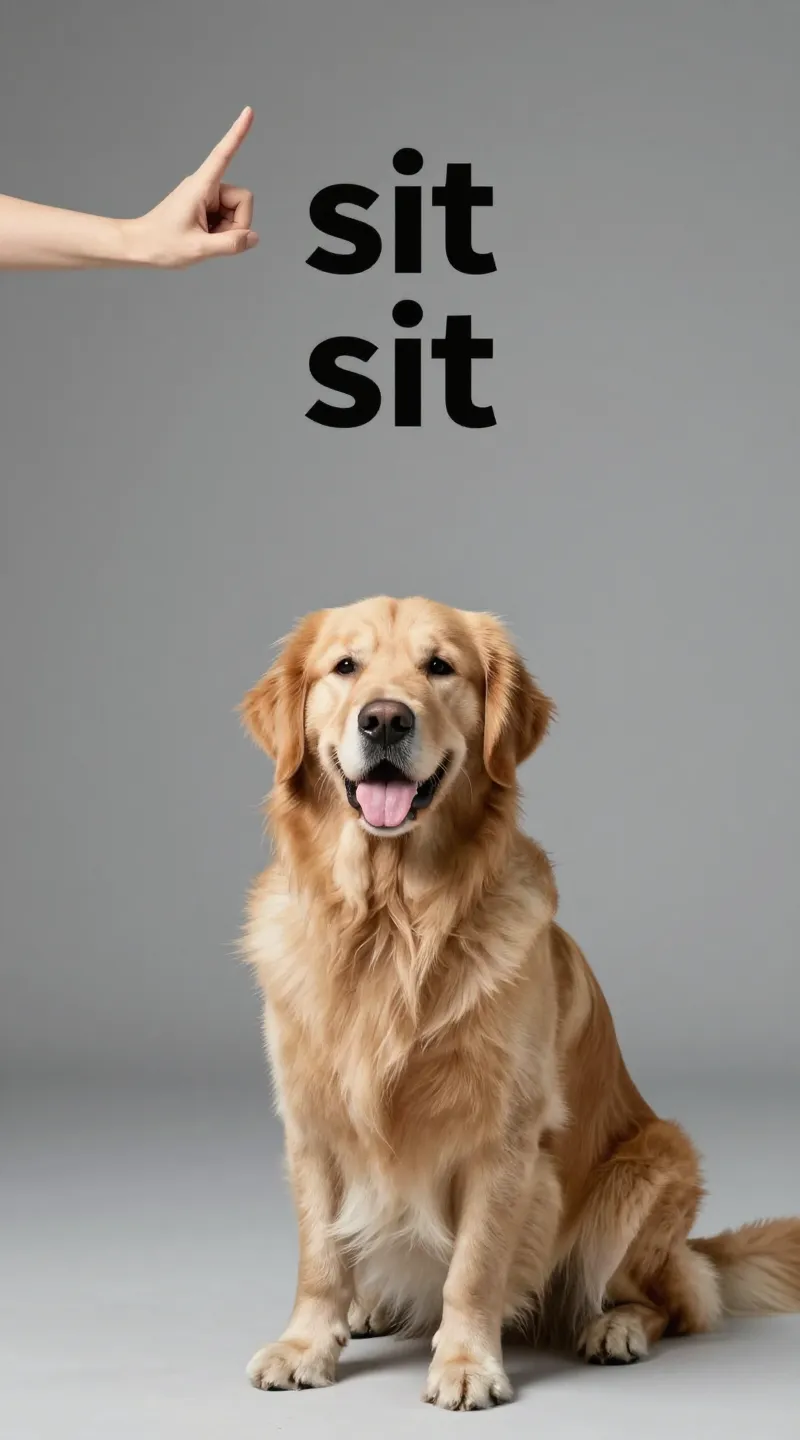
We love to explain things to dogs. They do not care about your essay. If you repeat “sit sit sit sit” you don’t have a clearer cue; you have background noise.
Say a cue once, wait two seconds, then help. If your dog looks confused, lure or reset. Reward the correct response, not the repetition.
How to Say Less and Get More
– Cue once: “Sit.”
– Wait: 1…2.
– Help: lure with a treat, then reward. Next rep, try without the lure.
Training Only at Home (aka The Bubble Problem)

Your dog nails “stay” in your kitchen but melts down at the park? Totally normal. Dogs don’t generalize well. You must train in different places and with different distractions.
Level up in baby steps. Start in the quiet living room. Then the backyard. Then the front yard. Then a calm park corner. Move to busy areas later.
Distraction Ladder
– Level 1: No distractions (indoors).
– Level 2: Mild (backyard, low noise).
– Level 3: Moderate (park edge, a few people).
– Level 4: High (busy sidewalk, other dogs).
– Level 5: Chaos (farmers’ market, IMO not for beginners).
Ignoring Mental Exercise
A tired dog isn’t just a dog that ran laps. They need brain work. Boredom fuels barking, chewing, and general gremlin behavior.
Add scent games, puzzle feeders, and short training bursts. Five minutes of a shaping game can drain more energy than a long walk. FYI, you can do this while your coffee brews.
- Scatter-feed kibble in the yard for a “find it” game.
- Stuff a frozen Kong for solo mental work.
- Teach a new trick weekly: spin, paw, chin rest.
Using Punishment Instead of Teaching

Yelling might stop the behavior in the moment, but it doesn’t teach what you want instead. It also risks breaking trust. We want a dog who chooses the right behavior, not one who avoids you.
Redirect and reward the alternative. Jumping? Ask for a sit and pay with attention. Barking at the window? Call away, ask for a down, reward calm, manage the environment (hello, curtains).
When Consequences Make Sense
– Remove what your dog wants if they do the wrong thing (negative punishment, if we’re being nerdy).
– Example: Dog jumps for attention? Stand still and look away. They sit? Boom—praise and pets. The dog learns “sit turns on humans.”
Skipping the Foundation: Leash Skills and Recall
People jump straight to off-leash adventures and expect magic. Without foundations, you just teach your dog that “come” means “catch me if you can.”
Make recall a party every time. Use a special recall word (“Here!” or “To me!”), pay with ridiculous treats, and never punish after they arrive. Even if they just rolled in mud. Especially then.
Leash Walking That Doesn’t Suck
– Start in the hallway. Reward at your side for a few steps. Reset often.
– Use a front-clip harness if pulling happens.
– Keep sessions short and end on a win.
Too-Long Sessions and Too-High Expectations

Marathon training sessions fry your dog’s brain. Short reps beat long ones. End while your dog still wants more.
3-5 minutes, a few times a day, beats a 30-minute slog. Celebrate tiny wins. Then quit. Consistency over intensity, every time.
Know When to Stop
– Loss of focus, sniffing, slow responses.
– Fidgeting or frustration.
– Your dog walks away like “I’m over it.” Fair.
Training With Low-Value Rewards
Dry kibble in a distracting environment? Good luck. You need to match your reward to the difficulty. Would you sprint for a single carrot stick? Exactly.
Upgrade your treat menu. Use chicken, cheese, or soft training treats outside. Keep the good stuff tiny and frequent. Mix it up to keep your dog guessing.
- Easy environment: kibble or dry treats
- Moderate distractions: soft, smelly treats
- High distractions: meat, cheese, or tug toy, IMO the jackpot
Not Managing the Environment
Training solves a lot, but management prevents unwanted reps during learning. If your dog raids the trash every time you blink, that habit gets stronger.
Block access to temptation and set them up to win. Use baby gates, crates, tethers, and sealed bins. It’s not “cheating.” It’s smart.
Manage First, Train Second
– Trash lids that lock.
– Doorway baby gates during guest greetings.
– Leash on indoors when you expect deliveries.
FAQ
How many training sessions should I do each day?
Aim for 2-4 mini-sessions of 3-5 minutes each. Mix in easy wins and one challenging skill. Keep it fun and stop before your dog hits boredom o’clock.
What’s the best treat for training?
The one your dog will work for in that environment. Indoors might be kibble. Outside probably needs chicken, cheese, or soft training bites. Tiny pieces, high frequency.
Should I use a clicker or a marker word?
Use whichever you’ll use consistently. A clicker sounds crisp and precise. A marker word like “Yes!” works great when you don’t have gear handy. Consistency > gear.
How do I fix jumping on guests?
Leash your dog before guests arrive, scatter a few treats on the floor, and cue “sit” for greetings. Reward sits like crazy. If jumping happens, guests turn away and go boring. Sitting turns them fun again.
My dog listens at home but not outside. Why?
Distractions break focus. Your dog didn’t generalize the cue. Train the same behavior at gradually louder environments. Pay more for harder work. You’ll see the home skills transfer.
Can I train without treats?
Yes, but treats accelerate learning. You can use play, praise, or access to life rewards (like sniffing). Still, food makes reps fast and clean, FYI.
Conclusion
You don’t need a perfect heel or a viral trick reel. You need clear cues, good timing, better rewards, and tiny steps in tougher places. Manage the environment, keep sessions short, and celebrate progress. Do that, and your dog will learn faster—and you’ll both actually enjoy the process. Win-win, IMO.
Explore iPet Choice
Discover helpful pet care tips, trusted product recommendations, and practical guides for dogs, cats, fish, and more.