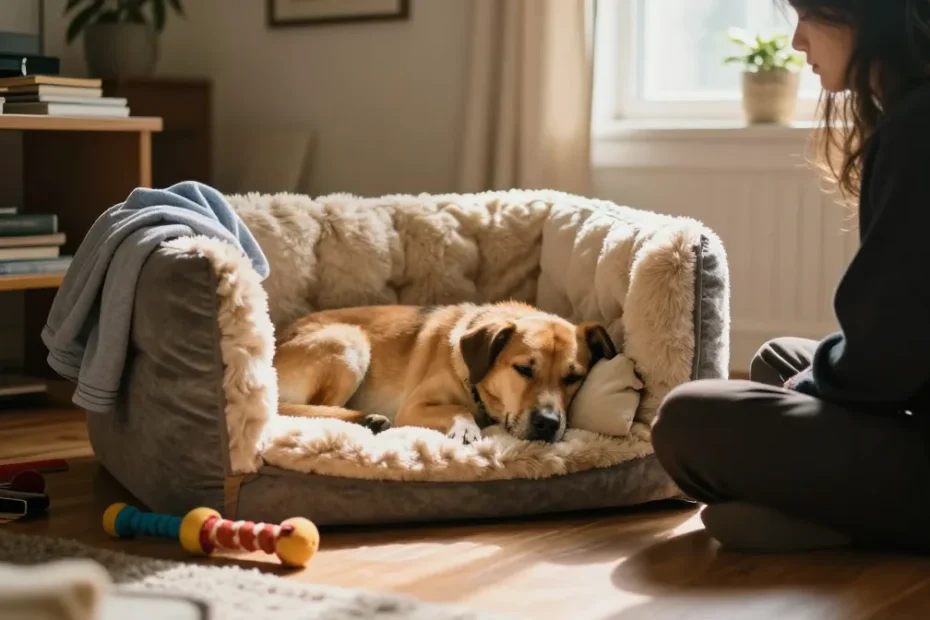
If your pup’s anxiety is cramping your vibe, these simple,-friendly hacks actually work. We’re talking quick wins that fit into real life—no witchcraft, just good doggy sense. FYI, you’ll both sleep a little cooler after trying these.
1. Create a Safe, Snooze-Wide Space
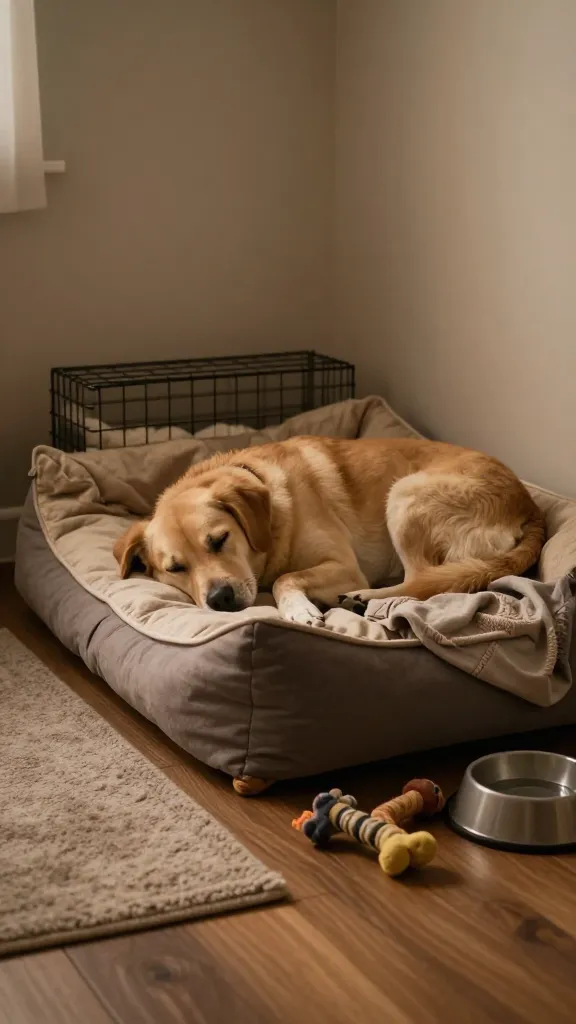
Dogs thrive when they have a predictable, comfy zone. Giving them a cozy retreat at home reduces stress and makes mischief less tempting. Seriously, a dedicated calm corner changes everything.
Why it works: a defined space lowers adrenaline and builds trust. Your dog learns to retreat when overwhelmed, not act out.
Key Elements:
- A quiet corner or crate with soft bedding
- Familiar scents (a worn blanket, your shirt)
- Low lighting or a steady, calm environment
Tip: place a few chew toys and a water bowl nearby so the space feels like a safe haven, not a punishment zone. This space pays off during thunderstorms, new guests, or the vacuum noise you pretend isn’t rattling your windows.
2. Establish Predictable Routines (But Make Them Fun)
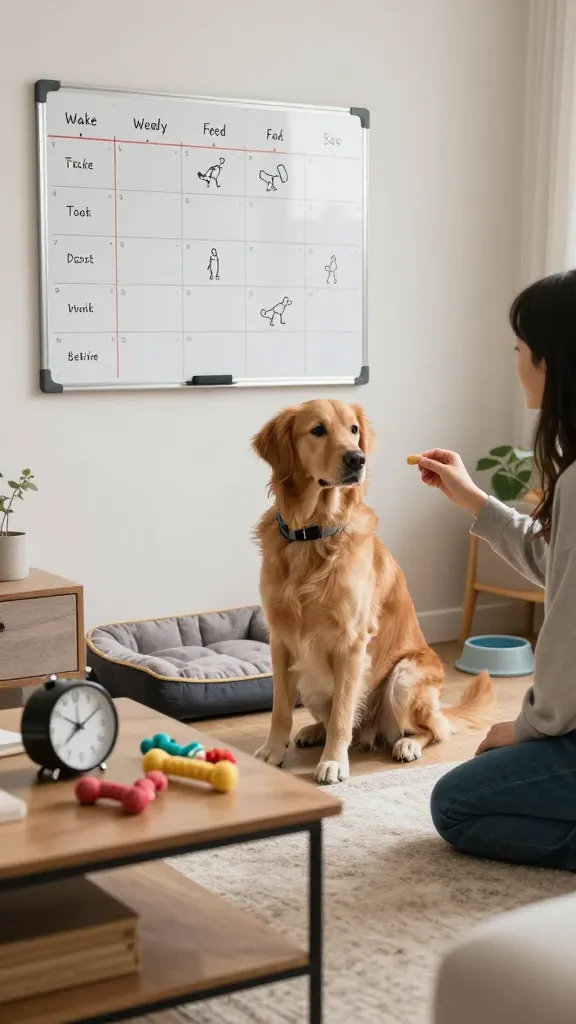
Dogs love patterns almost as much as belly rubs. A consistent routine reduces anxiety by giving them something to expect. And yes, you can mix in a few fun twists to keep it fresh.
Why it works: routine creates security; variation in small doses keeps them engaged. Do it with patience and you’ll notice calmer days.
Key Points:
- Set fixed wake, feed, walk, and bedtime times
- Short training bursts after meals to burn energy
- Incorporate short play sessions to reset mood
Application: rotate walking routes so your dog isn’t bored; sprinkle in 1–2 minute “pause” moments after loud noises to reset attention. Trust me, consistency pays off quick.
3. Calming Sounds and Pheromones That Feel Like a Hug
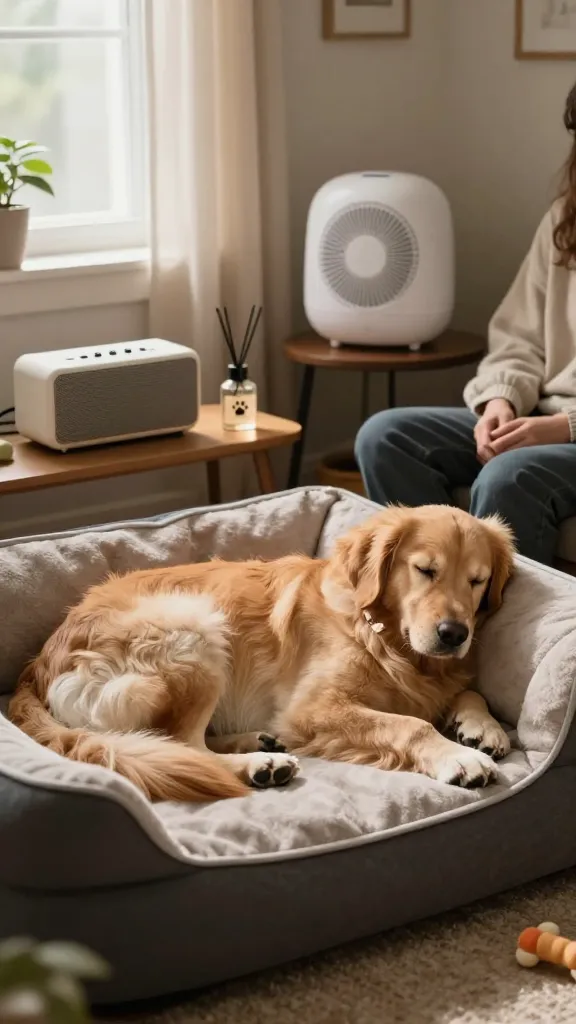
Sound tracks and pheromones can gently modulate arousal. It’s not magic, it’s science in cute packaging. FYI, your dog notices the vibe even if you don’t speak “woof.”
Why it works: familiar, non-threatening stimuli lower heart rate and diffuse fear responses.
What to Try:
- Soothing music designed for dogs (low tempo, steady beat)
- White noise or a fan to smooth abrupt sounds
- Dog-appeasing pheromone diffusers or sprays in the safe space
Note: don’t rely on these alone. They pair best with training and a secure environment, but they’re great assistive tools for thunderstorms, fireworks, or doorbell bing-bong moments.
4. Gentle, Short Training Sessions That Build Confidence
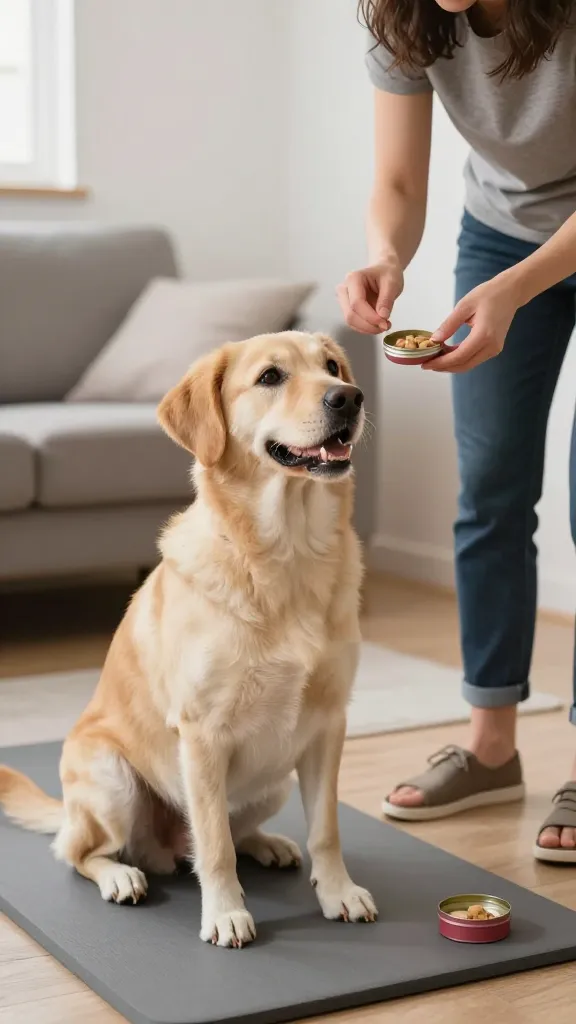
Training isn’t punishment; it’s a confidence booster masquerading as fun. Short, positive sessions train the brain to stay calm under stress. Yes, you can teach your dog to vibe with chaos around.
Why it works: mastery feels good. When dogs know precisely what to do in a tense moment, they can redirect attention away from anxiety triggers.
Simple Framework:
- Keep sessions to 3–5 minutes and end on a happy note
- Use high-value treats and enthusiastic praise
- Practice “look at me” and “settle” cues in low-stress times
When to use it: right before a known trigger (e.g., before you head into a busy room) or after a loud event to help them decompress. Training isn’t a cure, but it’s a powerful anxiety shield.
5. Enrich Their Day With Mental Stimulation
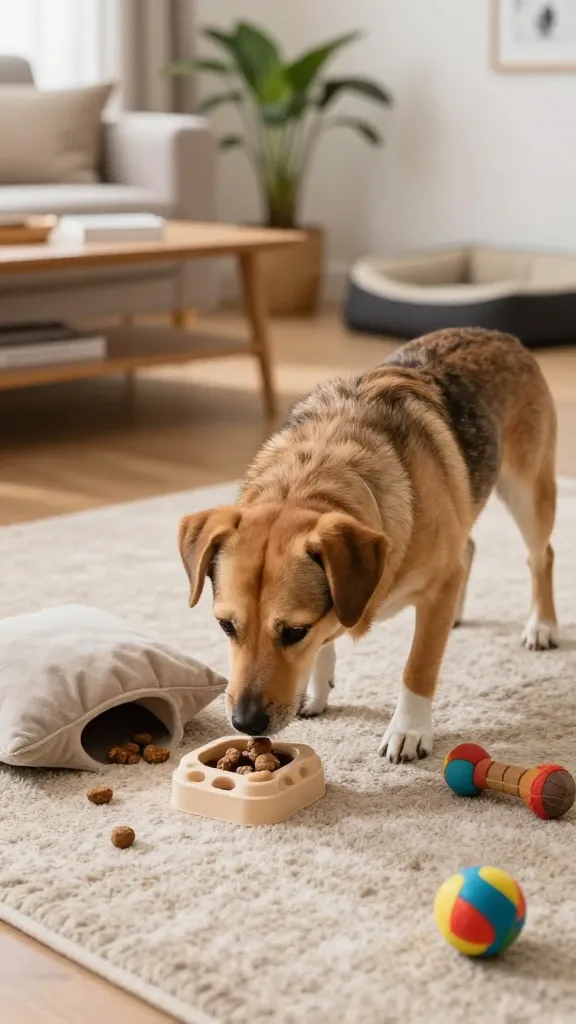
Bored dogs invent trouble. Mental challenges keep their brains busy and reduce anxiety-driven behavior. Think puzzles, nose work, and tasty discoveries—without turning the house into a pinball machine.
Why it works: problem-solving produces dopamine and slows nerve-fire, which calms the nervous system.
Engagement Ideas:
- Interactive puzzle feeders and chew toys
- Hide-and-seek with treats around a room
- “Find it” games using kibble or special treats hidden in 1–2 locations
Pro tip: rotate activities daily so your dog stays curious. A little mystery goes a long way toward a chilled-out pup.
6. Move More, Worry Less: Gentle Exercise Routines
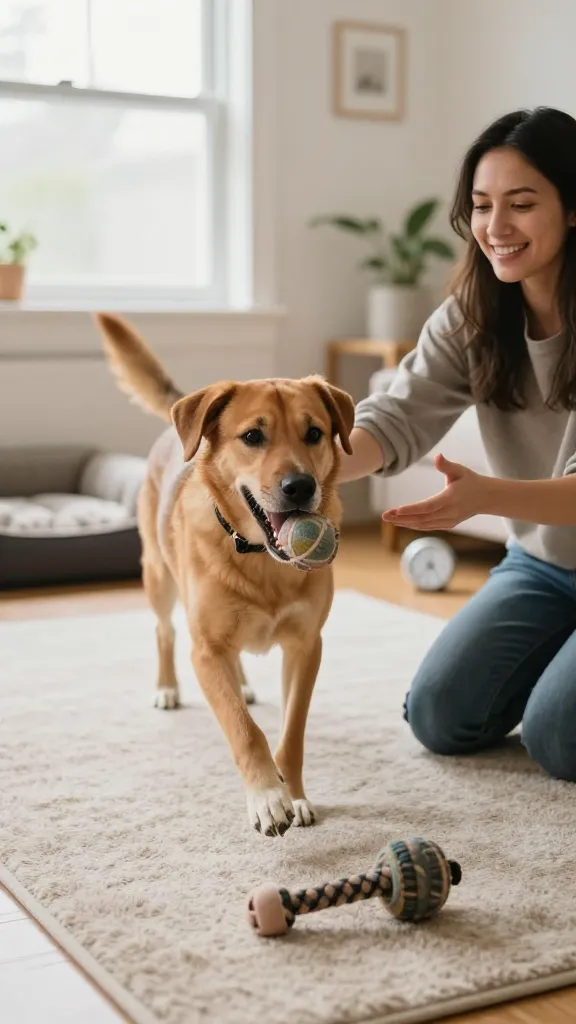
Exercise isn’t optional when anxiety is involved—it’s essential. But you don’t have to run a marathon to see results. Gentle movement resets the nervous system and floods the brain with feel-good endorphins.
Why it works: energy becomes focus; pent-up energy transforms into calm energy with the right balance.
Mini-Plan:
- Two 10–15 minute walks spaced through the day
- Low-impact play: fetch with a soft ball, tug with a forgiving rope
- End with a 2–3 minute settle routine in the safe space
Bonus: a consistent exercise pattern can improve sleep, which compounds all the other calming benefits. Seriously, better nights equal calmer mornings.
7. Gear That Speaks Doggy Calm: Harnesses, Beds, and Chews
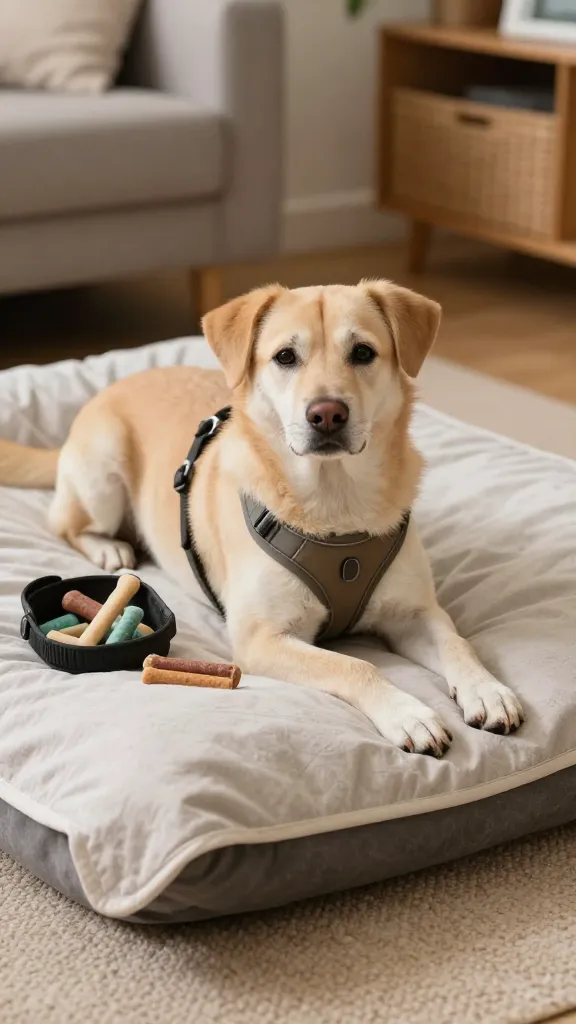
The right gear can make calming behavior easier than fighting with a nervous pup. The goal is comfort, not drama. Let your dog pick from a few trusted options to keep it low-stress and high-success.
Why it works: physical comfort reduces physiological arousal. When a dog feels secure,Calm is a habit, not a hurdle.
Suggested Toolkit:
- Cozy bed or crate mat with washable cover
- Balanced harness for safe, controlled movement
- High-quality chews for distraction and self-soothing
Notes: rotate toys to maintain interest and incorporate chew-time into the calm space routine. With the right gear, your dog will learn to self-soothe faster than you can say “treat.”
Conclusion: Ready to see your dog transform from anxious wreck to confident couch companion? Start with one or two of these ideas this week, then layer in more as you both grow. You’ve got this—trust me, the calmer life is just a few happy routines away.
Explore iPet Choice
Discover helpful pet care tips, trusted product recommendations, and practical guides for dogs, cats, fish, and more.