You picked a pet. Congrats on your new furry overlord! Now comes the fun part: making sure your home doesn’t descend into chaos while you figure each other out. You don’t need every shiny gadget on the internet, but a few smart accessories will save your sanity, your sofa, and probably your shoes. Let’s set you up right from day one.
Essentials for Everyday Comfort
Your pet cares about three things at first: food, water, and a safe place to crash. Nail these basics and you’ll start strong.
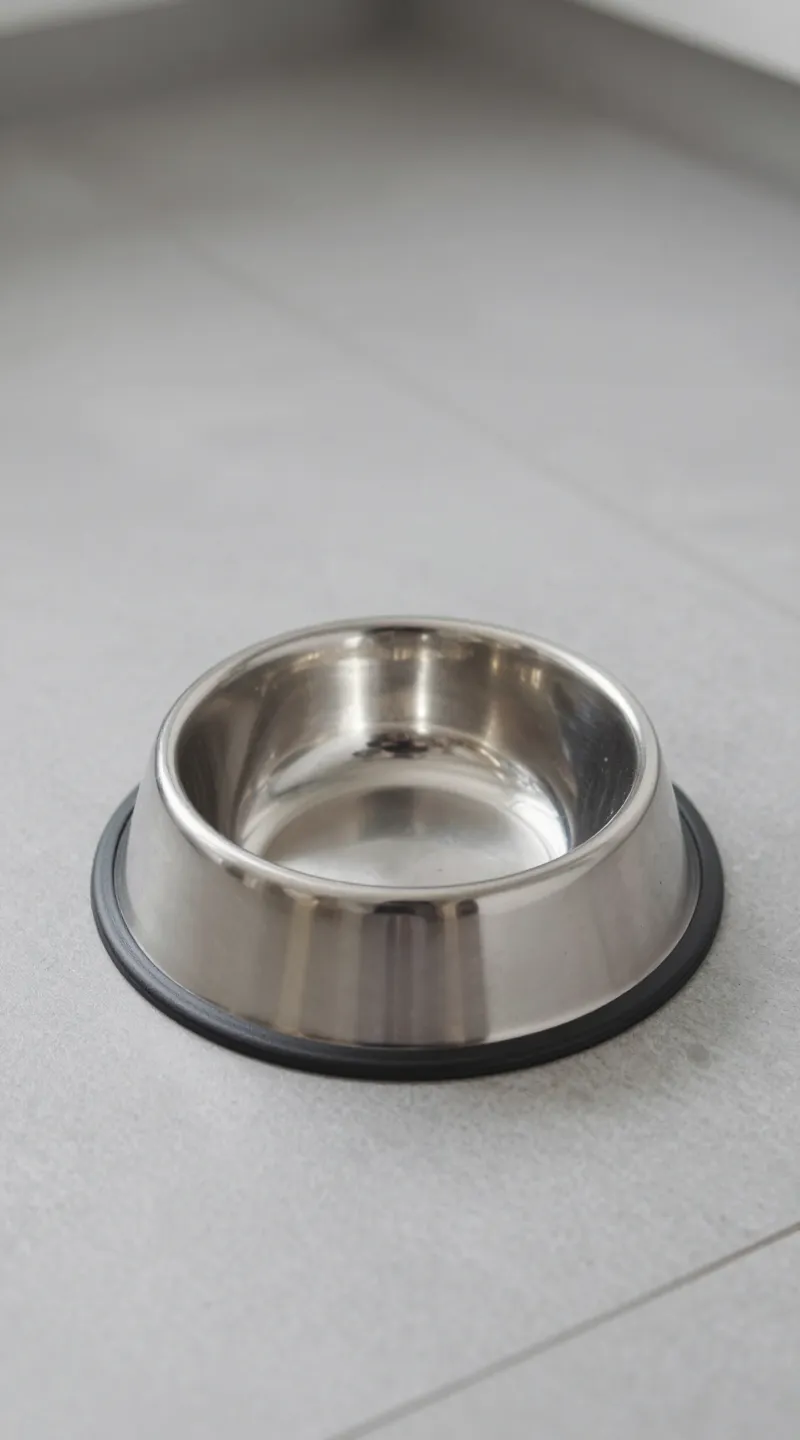
- Sturdy bowls: Choose stainless steel or heavy ceramic. They don’t slide, they don’t absorb odors, and your pet won’t flip them for sport (well, less often).
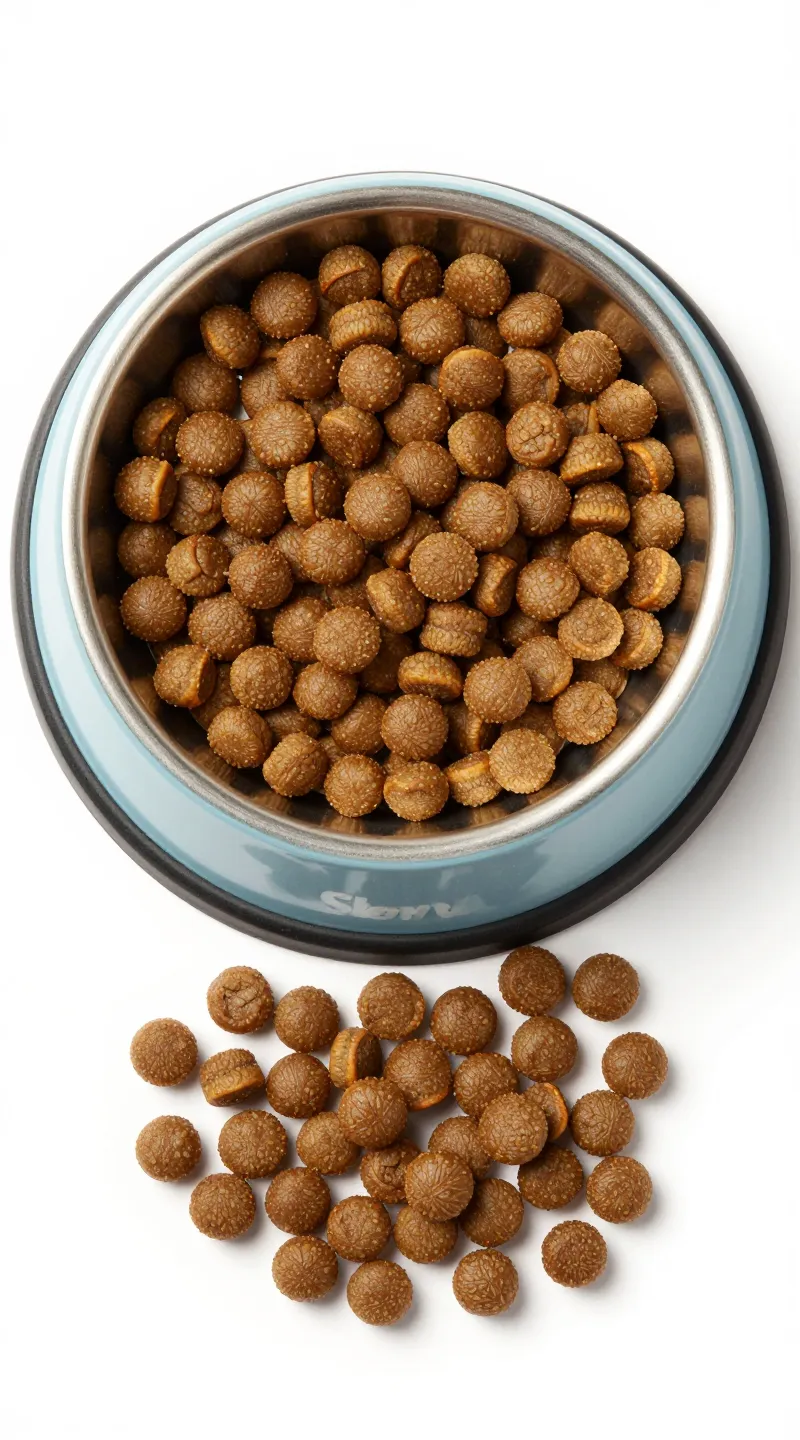
- Slow feeder (for speed-eaters): If your dog vacuums kibble like it’s a competition, a slow-feeder bowl prevents gulping and belly aches.
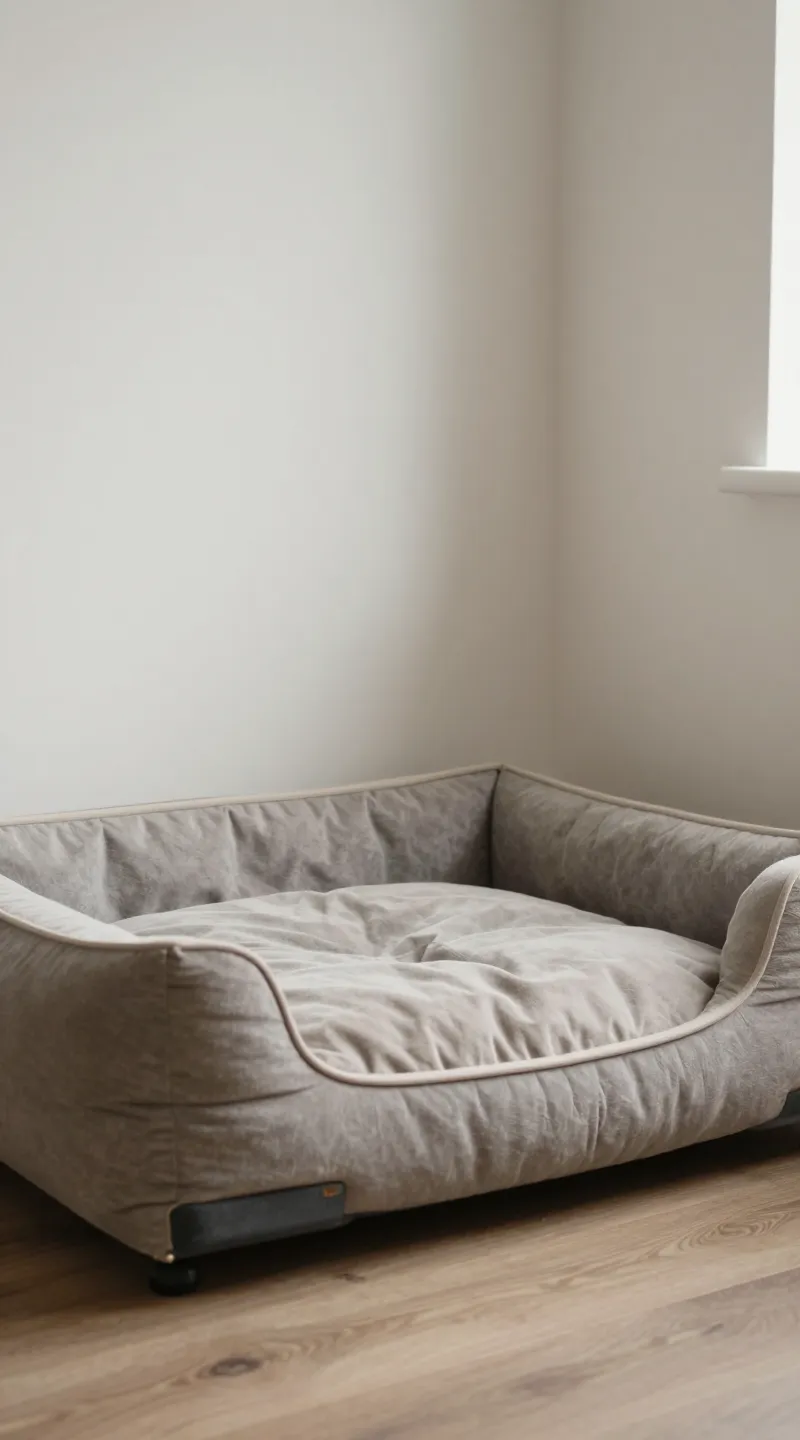
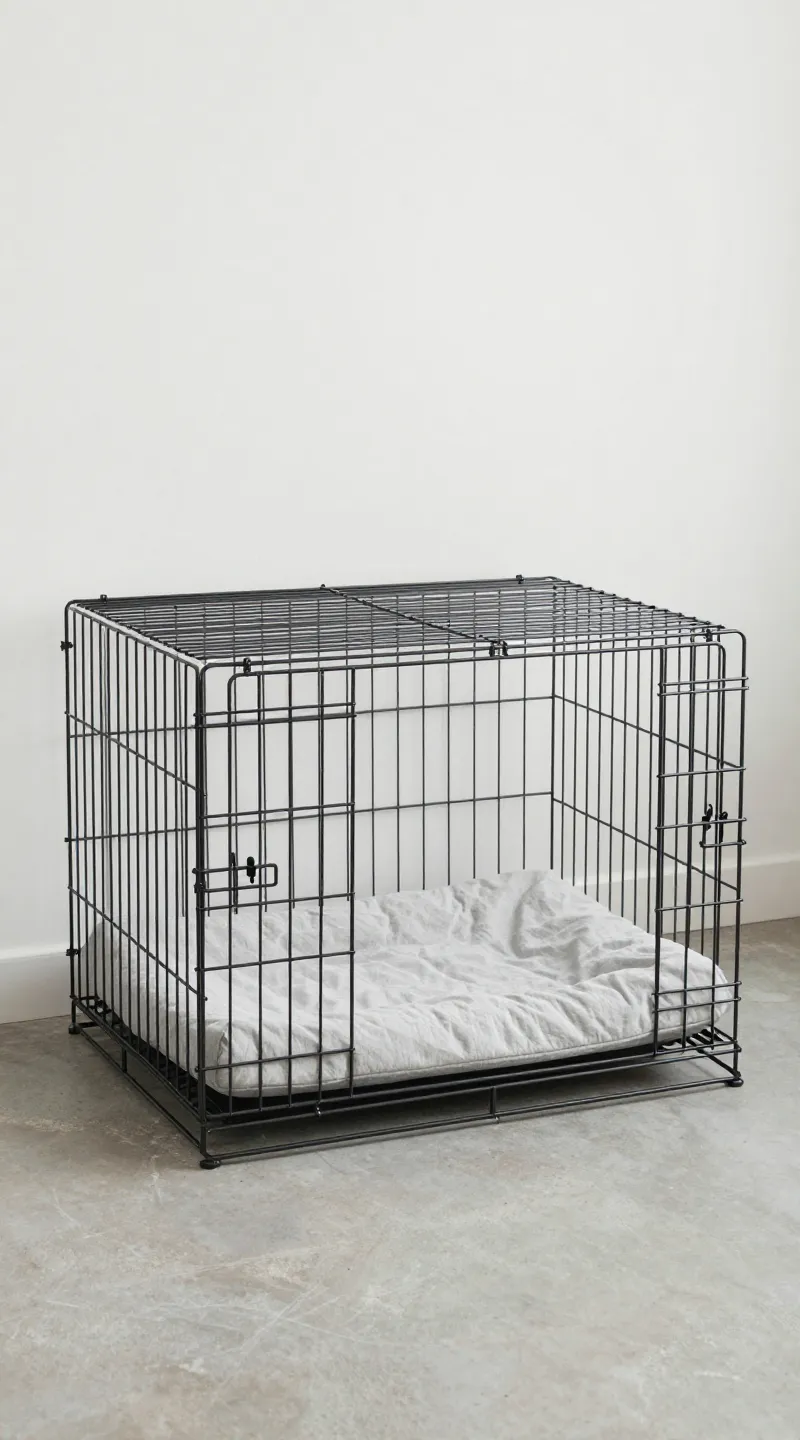
- Comfy bed or crate: Pets need a consistent chill zone. Crates help with potty training and anxiety, and beds protect your furniture (and your back) from awkward cuddling positions.
- Quality litter setup (for cats): A roomy, high-sided box with clumping litter keeps smells down and mess in. FYI, cats prefer unscented litter—your perfume doesn’t impress them.
Quick Wins for Setup
- Place food and water in a low-traffic spot—less chaos, fewer spills.
- Keep the bed or crate near your main living area at first so your pet doesn’t feel exiled.
- For cats, provide one litter box per cat plus one extra. Yes, it’s a lot. No, it’s not negotiable.
Walks, Adventures, and Safe Outings
You’ll leave the house eventually—ideally with your pet still attached to you. The right gear makes walks safer and way less stressful.
- Proper harness: A well-fitted front-clip harness gives you control without choking your dog. Measure carefully—guessing ends with Houdini-level escapes.
- Leash that fits your life: A standard 4–6 ft leash beats retractables for training and safety. Save retractables for well-trained dogs in open spaces, IMO.
- ID tags + microchip: Collars slip. Microchips don’t. Add a tag with your phone number for fast returns.
- Travel carrier (for cats/small pets): Hard-sided carriers last longer and stress less. Toss a familiar blanket inside to lower the drama.
Car-Safe Extras
- Back-seat hammock or seat cover for easy cleanup.
- Crash-tested car harness or secured crate for safety.
- Portable water bottle with built-in bowl for longer trips.
Training Tools You’ll Actually Use
Training isn’t about being strict; it’s about communicating without yelling “NOOOO” every five seconds. These tools help you teach, not nag.
- Treat pouch: Clip it on, fill with small, soft treats, and you’ll reinforce good behavior in seconds. Timing matters.
- Clicker: That tiny click says “nailed it” faster than words. Pets pick it up fast. It’s a game changer for shaping behavior.
- Baby gates: Block off danger zones (kitchen, stairs, the room with your priceless rug). Management beats correction—every time.
- Pee pads or sod tray (for apartments): Helpful for puppies and small dogs during training. Not a forever solution, but a sanity saver.
Cat Training? Yep.
- Target stick + treats for teaching tricks and reducing chaos.
- Double-sided tape on off-limits surfaces to discourage jumping or scratching.
- Lickable treats for fast reinforcement—cats love instant gratification.
Chewing, Scratching, and Other Natural Mayhem
Your pet’s not being “bad”—they’re being an animal. Give them legal outlets for their instincts and save your stuff.
- Chew toys: For dogs, rotate durable chews (rubber, nylon, stuffed puzzle toys). Skip anything that breaks into sharp chunks.
- Interactive food toys: Stuff a toy with wet food or kibble + yogurt and freeze it. It’s a boredom buster and a teeth-saver.
- Scratching posts: Cats need tall, sturdy posts (at least 32 inches) or scratch boards. Sisal fabric lasts longer than cardboard.
- Cat tree or window perch: Vertical space = confidence + entertainment + fewer surprise parkour sessions across your face.
Pro Tip for Chewers
- Offer a chew immediately when your dog grabs something off-limits. Reward the swap. You just taught “drop it” without drama.
- Keep a variety—texture and flavor matter. Rotate weekly to keep novelty high.
Grooming Without the Wrestle
You don’t need a home spa setup, but consistent grooming prevents vet bills and matted fur that requires a buzz cut neither of you wants.
- Brush matched to coat: Slicker brush for long hair, bristle or rubber curry for short hair. Five minutes every other day beats an hour of detangling later.
- Nail clippers or grinder: Start slow, reward heavily. For dark nails, a grinder gives you more control.
- Pet-safe wipes and shampoo: Great for quick cleanups after muddy adventures or litter mishaps. Human products irritate skin—skip them.
- Ear cleaner and toothbrush: Yes, dental care matters. Bad breath isn’t “quirky,” it’s bacteria.
Low-Stress Grooming Routine
- Touch paws, ears, and mouth daily with treats. Normalize handling before you introduce tools.
- Short sessions, frequent breaks. End on a win.
- Pair grooming with mealtime for positive vibes. Classical conditioning for the win, FYI.
Health, Safety, and Smart Monitoring
You’ll sleep better when you know your pet stays safe and healthy, even when you’re not home.
- Pet first-aid kit: Include gauze, antiseptic, tweezers, saline, a digital thermometer, and vet/poison control numbers. Emergencies happen.
- Smart tag or GPS tracker: For escape artists, this pays for itself the first time your door doesn’t latch all the way.
- Automatic feeder/water fountain: Great for cats and small dogs. Flowing water encourages cats to drink more, which helps kidney health.
- Camera or monitor: Check in, record behavior, catch early signs of separation anxiety. Also adorable footage. Obviously.
Cleanup Gear You’ll Thank Yourself For
Accidents happen. Hair happens. Food explosions happen. Arm yourself.
- Enzymatic cleaner: This breaks down pet urine at the molecular level. Regular cleaners just perfume the problem.
- Lint rollers and a de-shedding tool: Your black clothes didn’t stand a chance. Fight back.
- Poop bags and a holder: Clip a dispenser to the leash so you never forget. Your neighbors will appreciate it.
- Doormat and paw towels: One by the door. Always. Your floors will look less like a mud painting.
Budget-Friendly Starter Kit (IMO)
If you want the essentials without a shopping meltdown, start here:
- Steel food and water bowls
- Bed or crate with washable cover
- Front-clip harness, 6 ft leash, ID tag
- Treat pouch, clicker, basic chews or scratch post
- Brush matched to coat, pet wipes, nail tool
- Enzymatic cleaner, poop bags/litter setup
- First-aid basics and your vet’s contact info on the fridge
FAQ
Do I need a crate if I don’t plan to use it long-term?
Short answer: it helps, especially for puppies or anxious dogs. A crate gives your dog a safe den, supports potty training, and prevents chaos when you leave. You can phase it out later once your dog proves trustworthy.
What’s the best harness for pulling?
Look for a front-clip design that redirects forward momentum without choking. Avoid tight, restrictive harnesses that rub. If your dog still drags you like a sled, pair the harness with training and high-value treats.
How many toys do I actually need?
You don’t need a toy store at home. Start with 3–5 options: a durable chew, a tug toy, a squeaker, and one puzzle/food toy. Rotate weekly to keep things exciting. For cats, add a wand toy and a kicker toy with catnip.
Are fountains really better for cats?
Usually, yes. Many cats drink more from moving water, which supports urinary and kidney health. Clean the fountain regularly and replace filters as recommended, or it just becomes a fancy slime machine.
What cleaning products are safe around pets?
Choose pet-safe, fragrance-light cleaners and always use enzymatic urine removers for accidents. Keep bleach and strong essential oils away from pets. When in doubt, ventilate well and let surfaces dry fully before letting pets back in.
How do I pick the right bed size?
Measure nose to base of tail while your pet sleeps stretched out, then add a few inches. If your pet curls tightly, a bolstered or donut bed works great. For sprawlers or older pets, pick a rectangular, orthopedic bed with solid support.
Conclusion
You don’t need every gadget on the shelf—you need the right ones. Prioritize comfort, safety, and training tools that fit your lifestyle, and you’ll dodge 90% of rookie headaches. Set up smart, stay consistent, and enjoy the chaos (the cute kind). Your pet doesn’t care if the gear looks fancy—they care that you show up, every day. And that you bring snacks. Always bring snacks.
Explore iPet Choice
Discover helpful pet care tips, trusted product recommendations, and practical guides for dogs, cats, fish, and more.