You love your pet. You also love not sprinting home at 6 p.m. every day because someone expects dinner with military precision. Enter the automatic pet feeder: a tiny robot butler that promises freedom, routine, and fewer guilt trips from a pair of judgmental eyes. But is it actually worth your money, or just another gadget that looks cool on your counter?
What Automatic Feeders Actually Do (And Don’t)
Automatic feeders dispense food on a schedule you set. Some handle dry kibble only, while others manage semi-moist or even wet food with ice packs. Smart models connect to your phone, so you can tweak schedules or hit “feed now” from a grocery line like an absolute hero.
But let’s be clear: automatic feeders don’t replace you. You still need to check portions, monitor your pet’s weight, clean the bowl, and—minor detail—show affection. The feeder solves timing and portion consistency, not pet care as a whole.
Who Benefits Most (Hint: It’s Not Just Busy People)
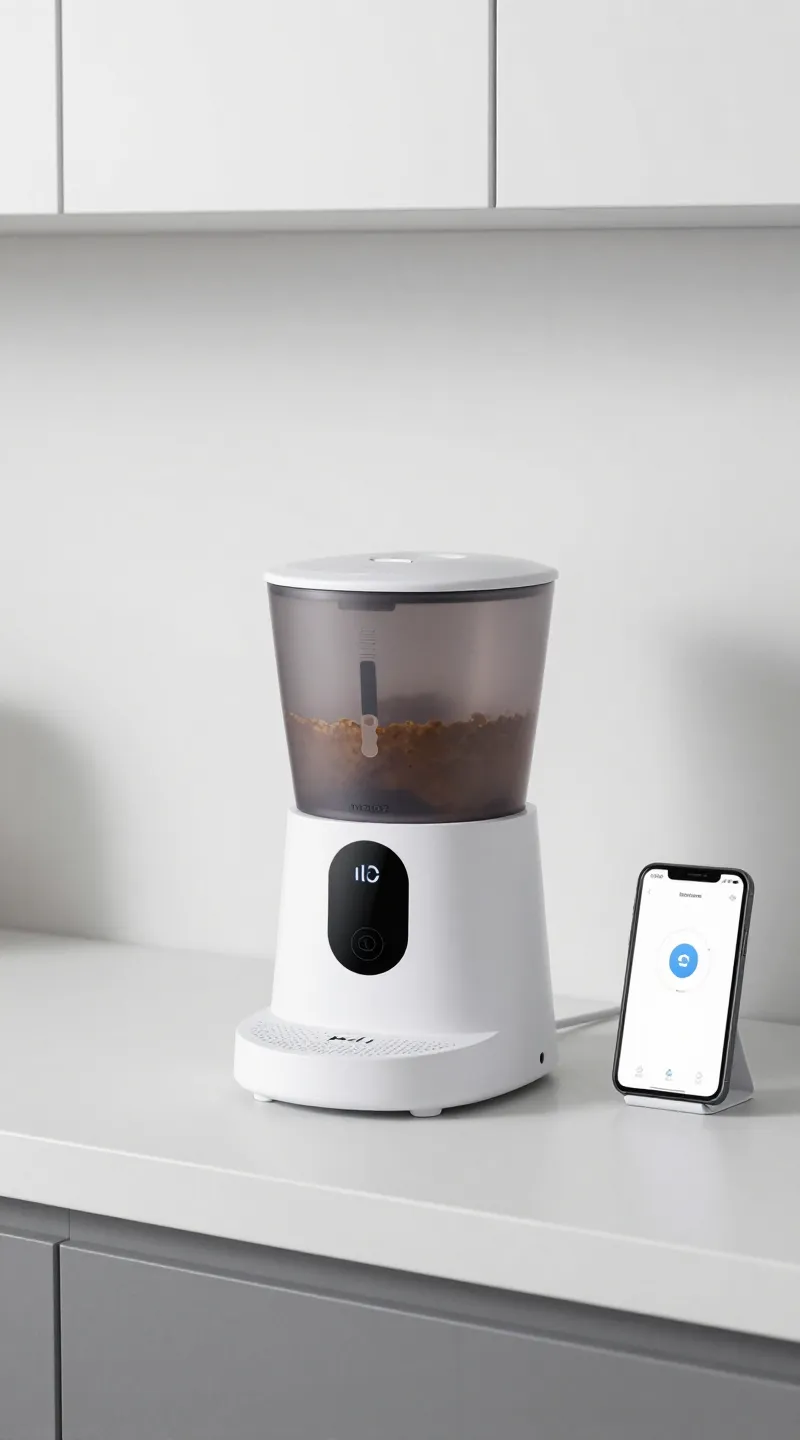
If you work long hours or have an unpredictable schedule, you’ll love a feeder. Your pet gets predictable meals, and you stop bargaining with traffic lights. But it goes beyond convenience.
- Pets with strict feeding schedules: Diabetic cats, dogs prone to tummy troubles, or pets that do best with small, frequent meals.
- Early-morning alarm clock pets: The 5 a.m. meow brigade loses bargaining power when the machine handles breakfast.
- Multi-pet households: With add-ons like RFID or microchip access, you can feed one pet without the other turning into a furry vacuum.
When a Feeder Might Not Help
If your pet free-feeds without issue, or you already work from home and enjoy scooping meals, you might not see a huge upgrade. Also, pets on raw diets or very wet food might not mesh with most feeders without frequent refills and cleanup.
Pros That Actually Matter
Let’s skip the fluff and hit the good stuff.
- Consistency: Perfect portions at the same time every day. No “just a little extra” creep. Your vet will love you.
- Portion control: Many feeders let you measure down to a few grams or set multiple tiny meals to slow down gobblers.
- Behavior improvements: Less pre-meal screaming, pacing, or counter-surfing. The machine becomes the bad guy. Perfect.
- Travel-friendly: For short trips (24–72 hours), a feeder plus a water fountain and a camera can keep things smooth. FYI: always have a human check in for longer absences.
- Smart features: App control, feeding logs, voice recording, and low-food warnings help you stay on top of things.
The Drawbacks (Because Nothing Is Perfect)
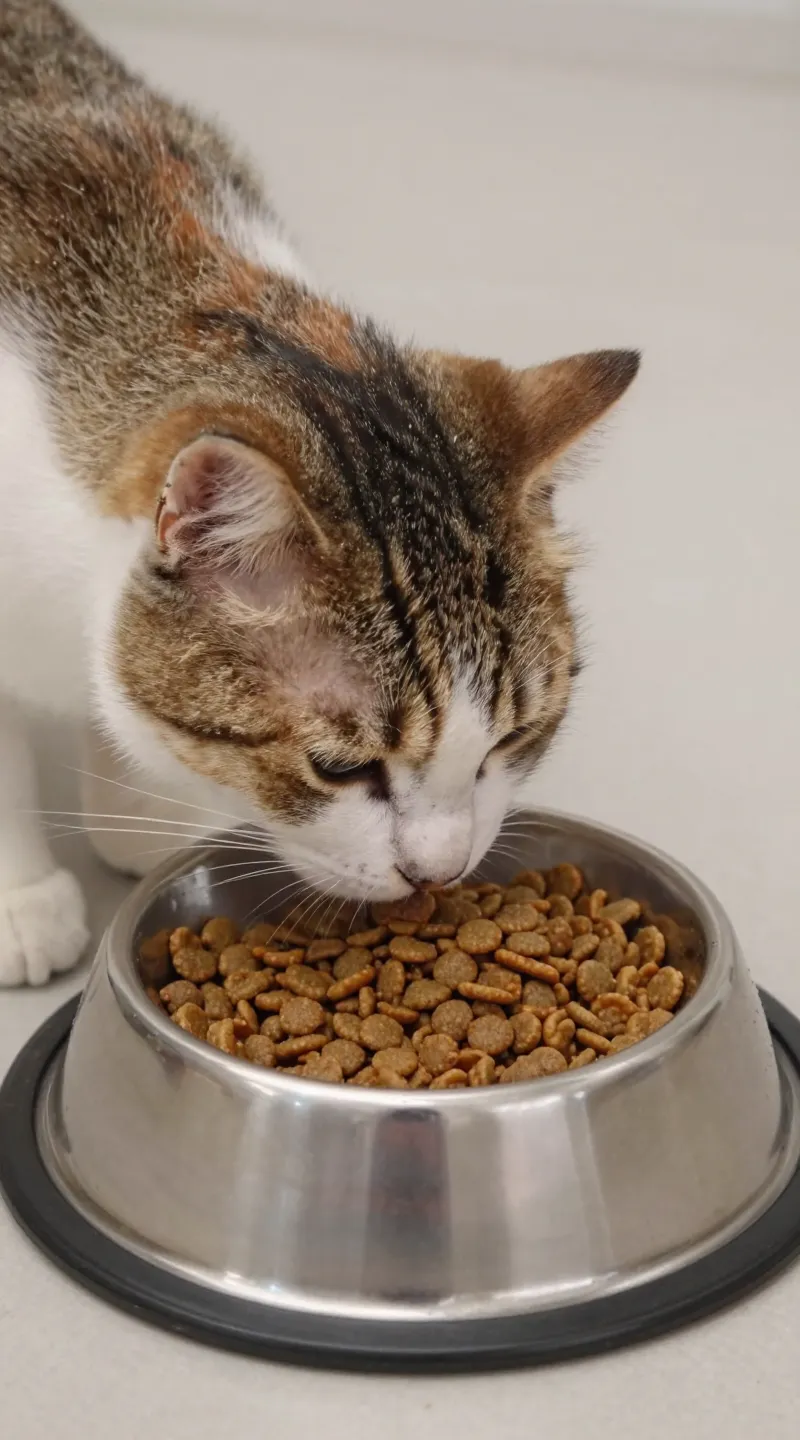
You saw this coming. Even the fanciest feeder can’t solve everything.
- Jams and misfeeds: Kibble size matters. Oversized or irregular kibble can jam. Test your food and watch the first week like a hawk.
- Food freshness: Dry food can go stale if you don’t seal the hopper well. Wet food models require ice packs and frequent cleaning.
- Power problems: Outages happen. Buy a feeder with battery backup or add a small UPS. Your pet doesn’t care about your grid issues.
- Curious pet problems: Some cats and dogs stage heists. Look for locking lids and sturdy builds if you live with an aspiring raccoon.
- Cost: Quality models cost more. Cheap ones can fail at the worst time. IMO, pay for reliability.
Signs You Bought the Wrong Feeder
If your pet hacks it open in a day, the portion sizes don’t match your food, or the app looks like it came from 2012 and sends 47 notifications an hour, return it. You need something that fits your kibble, your routine, and your sanity.
Features That Actually Matter (So You Don’t Overpay)
Skip the gimmicks. Focus on the essentials:
- Reliable dispensing: Look for anti-jam design and clear portion increments. Reviews that mention “no clogs” matter.
- Battery backup: Non-negotiable if you work away from home or live where power flickers.
- Sealed hopper and desiccant: Keeps kibble fresh and crunchy.
- Scheduling flexibility: Multiple meals per day, varied portion sizes, and a manual feed button.
- Secure build: Locking lid, heavy base, or wall-mount option for determined snack bandits.
- App quality (for smart feeders): Stable connection, feeding history, alerts, and firmware updates that don’t break things.
For Multi-Pet Homes
Consider microchip/RFID feeders if one pet steals from the other. They open only for the assigned pet and save you from referee duty. For dogs and cats together, elevated placements or barriers can help the cat eat in peace.
Setting It Up Without Chaos
The first week matters. Don’t just fill it and bounce.
- Test runs: Run several dry trials. Weigh the dispensed food to confirm accuracy.
- Introduce slowly: Put the feeder next to the old bowl. Let your pet sniff, then feed small meals from it while you’re home.
- Record your voice sparingly: Cute, yes. But don’t startle anxious pets. Keep it calm and consistent.
- Monitor closely: Use a camera for the first few days. Confirm your pet actually eats when it dispenses.
- Maintain it: Wash the bowl weekly, wipe the chute, and replace desiccants regularly. Stale kibble = meh enthusiasm.
What About Wet Food Feeders?
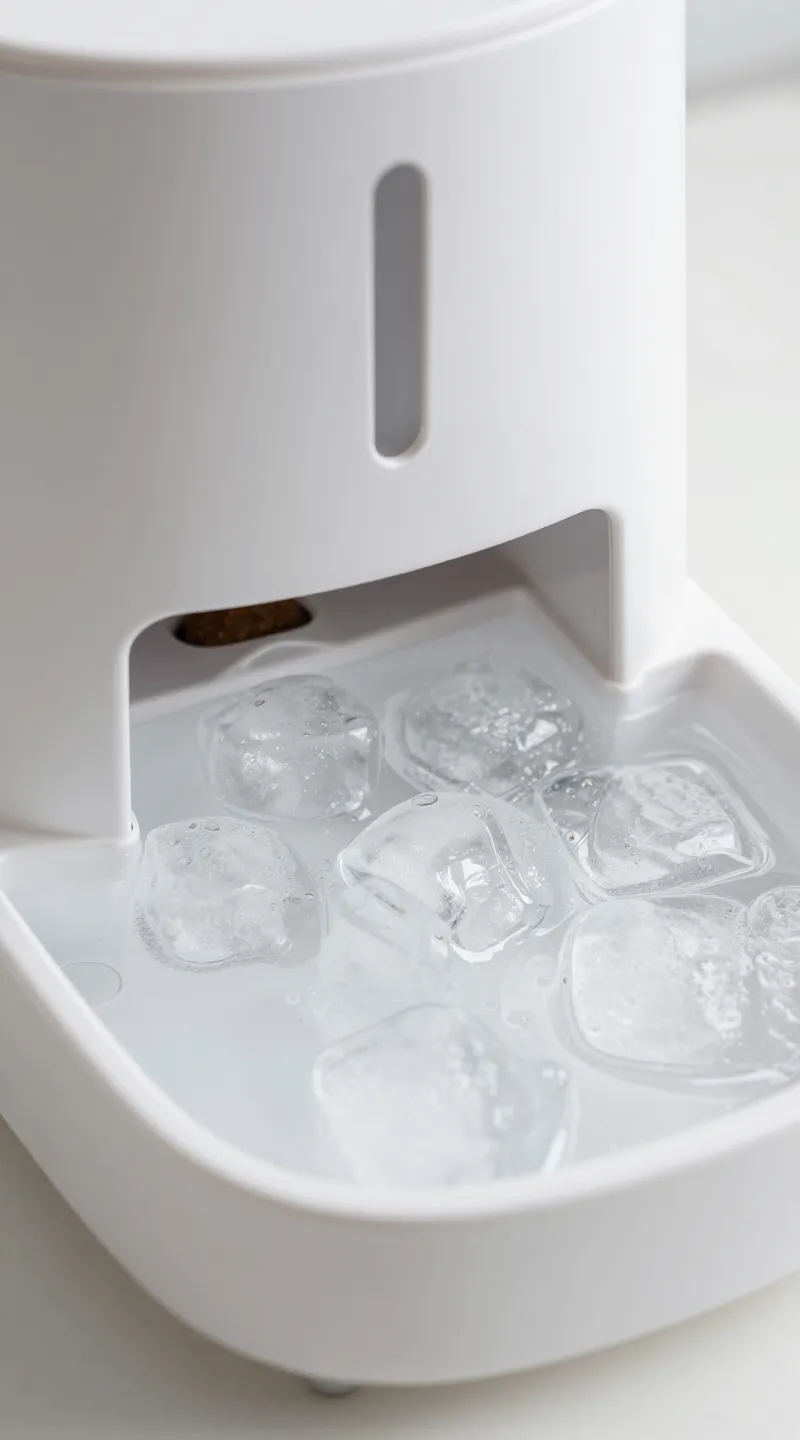
They exist, and they can work. Many use a carousel with ice packs to keep food cool for several hours. Perfect for cats needing multiple small wet meals. But you’ll clean more, refill more, and replace ice packs daily. If you want effortless, wet-food feeders aren’t it—just manageable.
A Quick Note on Puppies and Kittens
They change portions fast and need more supervision. A feeder can help with mid-day meals, but you still need eyes on appetite, growth, and behavior. Automate timing, not attention. IMO, wait until their diets stabilize before fully relying on one.
Cost: What You’ll Actually Spend
You’ll find decent basic feeders around $50–$80. Reliable mid-range smart models sit around $100–$200. RFID/microchip feeders cost more, usually $150–$250. Factor in batteries, desiccant refills, and maybe a small UPS if you live with flaky power. The peace of mind often pays off—especially if it prevents overeating or 5 a.m. wake-up calls.
Amazon Finds: Automatic Pet Feeders 🍽️
- View automatic pet feeder on Amazon
- Check another popular feeder option
- See a smart feeder design
- Explore a reliable daily feeder
- View another automated feeding option
- Check a feeder suitable for busy schedules
Some links may be affiliate links.
FAQ
Can automatic feeders help with pet weight loss?
Yes. Consistent portions and scheduled smaller meals make weight control easier. Pair it with a kitchen scale, adjust portions per your vet’s guidance, and track weight weekly. The feeder keeps you honest when your pet begs like a tiny lawyer.
Do automatic feeders work for multiple pets?
They can, with planning. Use microchip/RFID models to assign bowls, feed pets in separate rooms, or elevate the cat’s feeder. Without a plan, the boldest pet eats twice and the shy one goes hungry—classic chaos.
What if the feeder stops working while I’m away?
Choose a model with battery backup, test it beforehand, and keep a sitter or neighbor on standby for trips longer than a day or two. Leave pre-measured emergency portions and simple instructions. Technology is great; redundancy is better.
Will my pet get scared of the feeder?
Some do at first. Introduce it gradually, start with small meals while you’re nearby, and skip loud voice recordings. Most pets get over it fast when they realize the robot dispenses snacks.
Can I use any kibble?
Not always. Large or irregular kibble can jam. Check manufacturer guidelines for kibble size, or switch to a compatible food. Do a week of test feeding to be sure.
So… Are Automatic Pet Feeders Worth It?
If you value routine, precision, and freedom from schedule guilt, yes, they’re worth it. They shine for pets who need strict feeding times, multi-meal schedules, or tighter portion control. Just don’t expect a magic fix—choose a reliable model, set it up thoughtfully, and keep an eye on the details. Your pet still needs you. The feeder just helps you be everywhere at once—without running home like a maniac. IMO, that’s a solid win.
Explore iPet Choice
Discover helpful pet care tips, trusted product recommendations, and practical guides for dogs, cats, fish, and more.
*Some links in this post may be affiliate links.