You want beautiful fish, low drama, and a tank that doesn’t turn into a tiny underwater soap opera? Good news: beginner-friendly fish exist, and they look amazing without demanding you memorize a biology textbook. Let’s skip the fluff and talk small fish that thrive, not just survive, in a newbie’s tank. You’ll get picks, tips, and a dash of hard-earned advice to help you avoid the classic “oops, I bought a piranha” moment.
What Makes a Fish “Beginner-Friendly” Anyway?
Not all small fish play nice with new aquarists. You want species that don’t freak out over small mistakes and don’t need a master’s degree in water chemistry to keep alive.
- Hardy: They tolerate beginner-level hiccups like slight temperature swings.
- Peaceful: No fin-nipping jerks or territorial nightmares, please.
- Small bioload: Less waste means easier water quality maintenance.
- Easy feeding: They eat flakes or pellets without a weekly caviar run.
- Active and visible: You want fish that actually show up to their own tank party.
Best Small Fish for Beginners (That You’ll Actually Enjoy)
Let’s get into the top picks. IMO, these deliver color, personality, and minimal chaos.
1) Neon Tetras (Paracheirodon innesi)
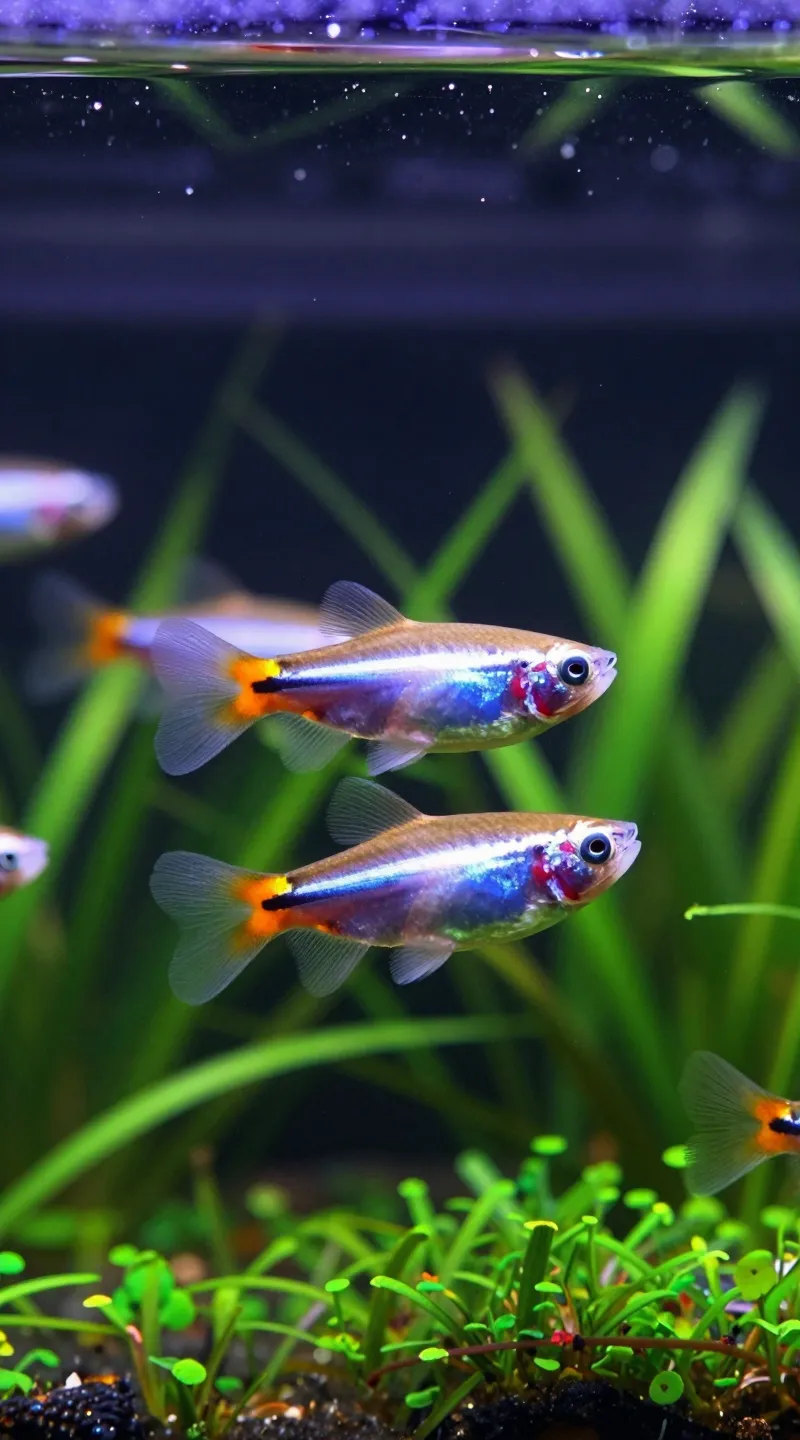
Neons stay tiny, glow like living LEDs, and look incredible in planted tanks. They feel brave in groups, so aim for a school of 6-10+. Keep them in a 10-gallon minimum with gentle flow.
- Pros: Stunning color, peaceful, budget-friendly.
- Watch out: They prefer stable water; cycle your tank first.
2) Ember Tetras (Hyphessobrycon amandae)
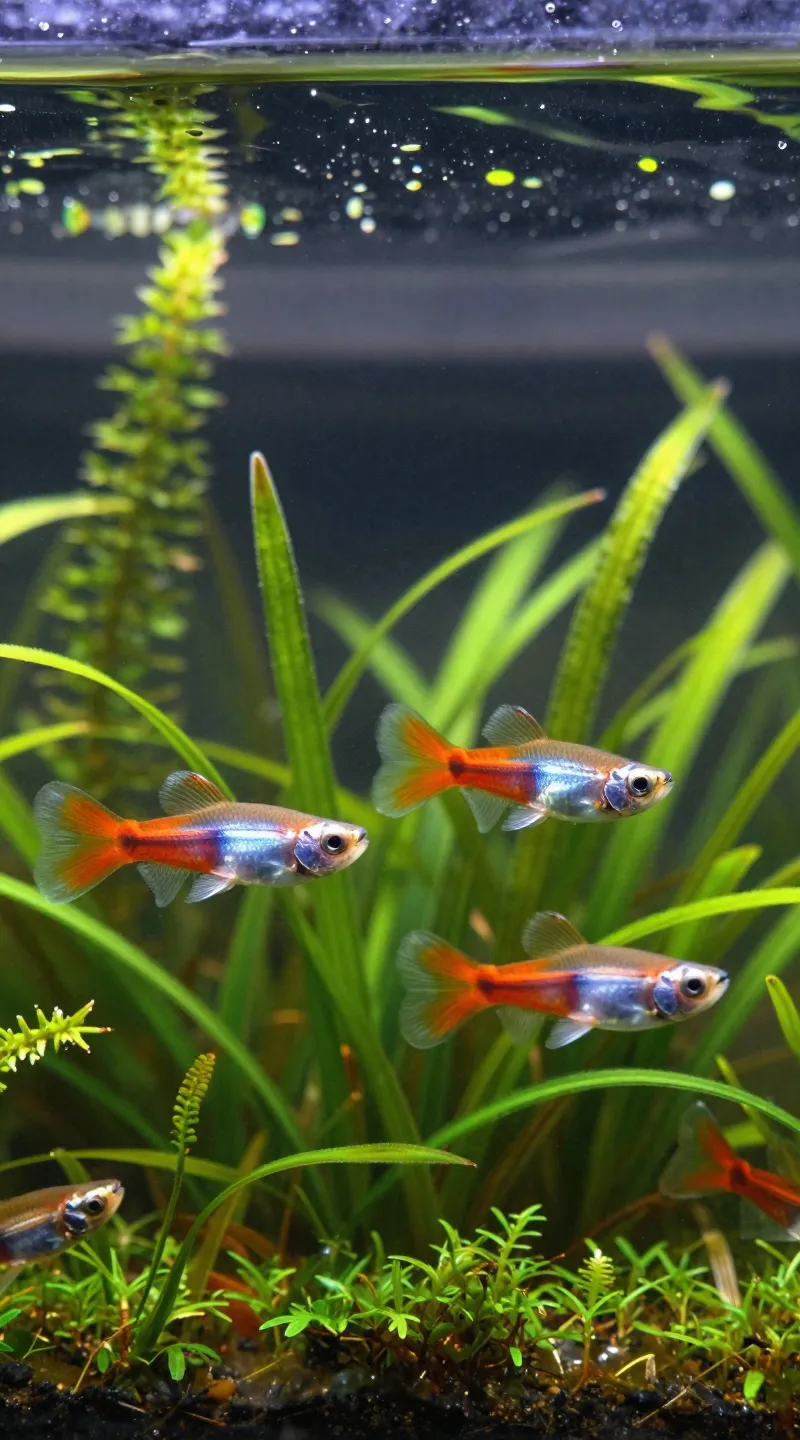
Think: warm orange confetti. Embers thrive in nano setups and don’t bully anyone. A group of 8-10+ turns a small tank into a cozy, glowing cloud.
- Pros: Tiny bioload, easy feeders, super chill.
- Watch out: Keep them with equally small, peaceful tankmates.
3) Zebra Danios (Danio rerio)
These stripes never stop moving. They forgive beginner mistakes and eat basically anything. Go with 6+ and give them swimming room—20 inches of length helps.
- Pros: Incredibly hardy, lively, cheap.
- Watch out: They can outcompete slower fish at feeding time.
4) Guppies (Poecilia reticulata)
Colorful, flashy, and easy—like living Skittles. They’re livebearers, so FYI, you’ll probably get surprise babies. A trio in a 10-gallon looks great.
- Pros: Hardy, colorful varieties, beginner-proof diets.
- Watch out: Population booms. Consider all males if you don’t want a guppy empire.
5) Platies (Xiphophorus maculatus)
Happy little chunkers that come in tons of colors. They handle a range of water conditions and get along with most fish.
- Pros: Super forgiving, active, great in community tanks.
- Watch out: Also livebearers—babies will happen unless you plan around it.
6) Harlequin Rasboras (Trigonostigma heteromorpha)
Underrated beauties with that signature black triangle. School them in 8-10+ for a calm, coordinated shoal.
- Pros: Peaceful, hardy, beginner-approved.
- Watch out: They shine in stable, cycled tanks with gentle flow.
7) White Cloud Mountain Minnows (Tanichthys albonubes)
Think of them as the chill cousins of danios. They tolerate cooler water, so they’re great if you hate heaters or your room stays mild.
- Pros: Hardy, affordable, do well in unheated tanks (around 64–72°F).
- Watch out: Avoid tropical heat—constant high temps stress them.
8) Corydoras Catfish (Pygmy, Panda, or Bronze)
Corys are friendly bottom-dwellers that clean up the leftovers. Keep them in groups of 6+ and give them soft sand or smooth gravel.
- Pros: Adorable, social, help with detritus.
- Watch out: They still need actual food; they don’t live on scraps alone.
9) Betta Splendens (with asterisks)
Yes, bettas can work for beginners. They’re hardy, gorgeous, and fine alone in a 5–10-gallon. Just avoid tankmates unless you pick carefully.
- Pros: Low bioload, colorful, interactive.
- Watch out: No long-finned tankmates. No fast nippers. And no bowls. Ever.
Tank Size: How Small Is Too Small?
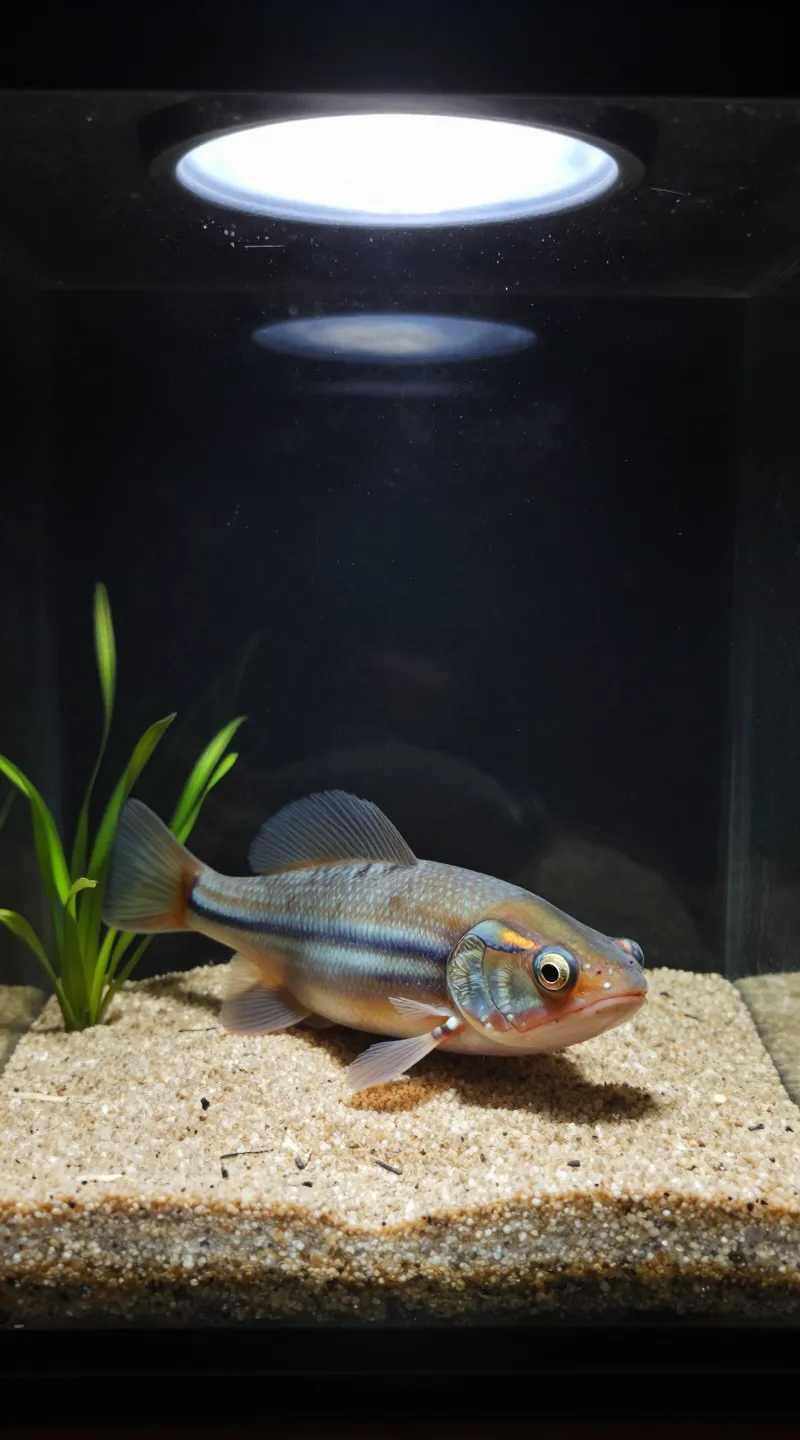
Can you keep fish in a teacup? No. Please don’t. Even small fish need horizontal space and filtration.
- 5 gallons: Betta or nano shrimp/snail setups. Maybe a tiny school of microrasboras if you’re experienced.
- 10 gallons: Sweet spot for beginners. Tetras, rasboras, guppies, a small cory group.
- 20 gallons: Even more stable. Great for larger schools and mixed communities.
Quick Stocking Ideas
- 10-gallon community: 8 ember tetras + 6 pygmy corydoras + 1 nerite snail.
- Color pop tank: 10 neon tetras + 6 panda corydoras.
- Heater-free setup: 10 white cloud minnows + hardy plants.
- Solo star: 1 betta + snails/shrimp (if the betta behaves—test carefully).
Water, Filtration, and Other “Don’t Skip This” Basics
You don’t need a chemistry lab, but you do need the basics dialed in.
- Cycle the tank: Run it with a filter until beneficial bacteria build up. Use a liquid test kit to track ammonia, nitrite, and nitrate.
- Stable temperature: Most tropical fish like 74–78°F. White clouds prefer cooler.
- Filter choice: Sponge filters are beginner gold—gentle flow and easy maintenance.
- Water changes: 25–35% weekly keeps nitrates in check and fish happy.
- Dechlorinator: Tap water contains chlorine/chloramine. Treat every time you add water.
Feeding Without Overdoing It
Overfeeding turns your tank into algae town. Feed fish what they finish in about 30–60 seconds, once or twice daily. Mix it up with quality flakes, micro-pellets, and the occasional frozen or live treat (daphnia, brine shrimp). Variety = color and health.
Beginner Pitfalls (And How to Dodge Them)
We’ve all been there. Here’s how you don’t repeat our mistakes.
- Buying fish before cycling: Start the nitrogen cycle first. Fish-in cycling is stressful for everyone.
- Random mixing: Not all small fish are peaceful. Research compatibility.
- Too few schooling fish: A pair of tetras looks shy; a group looks confident and active.
- Ignoring quarantine: New fish can bring hitchhikers. A simple 2–4 week quarantine saves headaches.
- Skipping lids: Danios, rasboras, and bettas can jump. Use a lid and thank me later.
Plants: Your Silent, Stylish Helpers
Live plants stabilize water, look gorgeous, and give fish cover. Easy winners:
- Anubias and Java fern: Tie to wood/rock, low light.
- Hornwort and Water sprite: Fast growers that soak up excess nutrients.
- Anacharis: Classic beginner plant, versatile.
IMO, a planted tank makes timid fish bolder and reduces algae issues. Win-win.
FAQ
How many fish can I keep in a 10-gallon tank?
Stock lightly at first. A solid beginner setup might be 8–10 small schooling fish (like neons or embers) plus a small cleanup crew (snails or a shrimp colony). Focus on compatibility and filtration, not a strict “inch-per-gallon” rule, which oversimplifies things.
Can I mix different tetras or rasboras?
Yes, but each species prefers its own group. Keep at least 6–8 of each species so they school properly. Mixed groups won’t always shoal together, and sparse numbers make fish skittish.
Do I need a heater?
For most tropical fish, yes. Keep temps stable in the mid-to-high 70s°F. If you choose white cloud minnows or certain hillstream species, you can run cooler water, but stability still matters more than the exact number.
What’s the easiest fish to start with?
White cloud minnows, platies, and zebra danios rank as ultra-forgiving. If you want a single showpiece fish, a betta in a properly heated and filtered 5–10 gallon is a great first pick.
Why did my fish die after I set up the tank?
Likely an uncycled tank or a sudden ammonia/nitrite spike. Use a liquid test kit, cycle the tank fully, and add fish gradually. Also acclimate new fish slowly to avoid shock—float the bag and add small amounts of tank water over 20–30 minutes.
Are “cleanup crew” fish enough to keep the tank clean?
Nope. Corydoras and snails help, but they don’t replace water changes. Think of them as helpful roommates, not professional janitors. You still handle filter maintenance and weekly water changes.
Final Thoughts
You don’t need a giant tank or a PhD to keep fish that sparkle and thrive. Pick hardy, peaceful species, stock in proper groups, and keep your water clean and stable. Do that, and your first aquarium won’t just survive—it’ll become that soothing little slice of magic you wanted in the first place. FYI, once you nail this, you’ll probably start planning tank number two. Don’t say I didn’t warn you.
Explore iPet Choice
Discover helpful pet care tips, trusted product recommendations, and practical guides for dogs, cats, fish, and more.