Your fish don’t need spa music or tiny treadmills to thrive. They want clean water, stable conditions, and a keeper who resists the urge to “add just one more.” If you nail the basics and skip the gimmicks, your tank becomes a calm, colorful world where fish live long and drama-free. Ready to cut through the noise and keep your fish healthy and happy? Let’s dive in.
Start Right: Tank Size, Stocking, and Compatibility
Bigger tanks make life easier. Water stays stable, waste dilutes better, and you get more room for aquascaping without stressing fish. For beginners, 20 gallons often hits the sweet spot—not too big, not too tiny.
Do your homework on tank mates. Some fish look cute and act like tiny pirates. Check adult size, temperament, and water needs before you bring anything home. Mixing “peaceful” fish with fin-nippers equals shredded fins and a lot of regret.
Quick stocking rules that save headaches
- Research first: Species profile > impulse purchase.
- Avoid overstocking: Less fish = fewer problems.
- Plan for adult size: That 1-inch baby pleco grows into a furniture mover.
- Stick to one theme: Community, semi-aggressive, or species-only—don’t mix chaos.
Water Quality: The Unsexy Secret to Thriving Fish
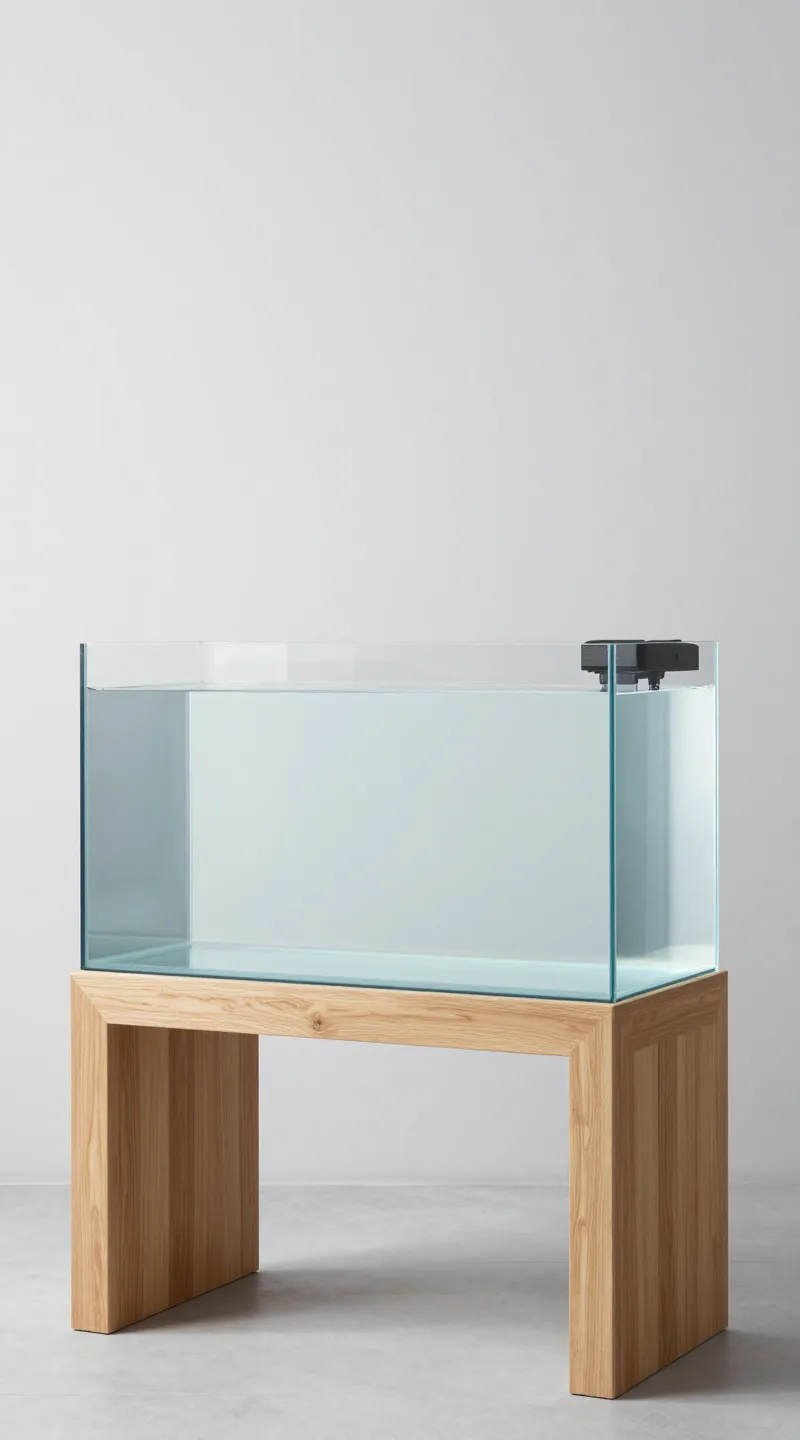
If you master water quality, you win the hobby. Healthy fish need clean, stable water 24/7. Set up your tank, cycle it, and only add fish when ammonia and nitrite hit zero.
The nitrogen cycle, in plain English
Your fish poop and leftover food become ammonia (toxic). Beneficial bacteria convert ammonia to nitrite (also toxic), then nitrite to nitrate (less toxic). Zero ammonia, zero nitrite, low nitrate—that’s the goal.
Numbers to know (and actually track)
- Ammonia: 0 ppm
- Nitrite: 0 ppm
- Nitrate: Under 20–40 ppm (lower is better)
- pH: Stable within species range (don’t chase it daily)
- Temperature: Steady, species-appropriate
Water changes: your weekly therapy
Do 20–30% water changes every week. Use a gravel vac, condition your tap water, and match the temperature. Consistency beats heroics every time, IMO.
Filtration, Flow, and Oxygen: Give Your Water Some Life
Filters don’t just catch gunk. They house beneficial bacteria that keep your water safe. Pick a filter rated for your tank (or bigger), and keep the flow appropriate for your fish. Bettas don’t want a hurricane. Danios live for it.
Filter maintenance that won’t nuke your cycle
- Rinse media in old tank water, not tap, to preserve bacteria.
- Stagger cleanings. Don’t scrub everything at once.
- Replace media only when it falls apart. Carbon is optional.
Surface agitation adds oxygen. If fish pant near the top, you need more flow or air. Warm water holds less oxygen, so adjust in summer or raise agitation.
Feeding: Less Is More (Your Fish Agree)
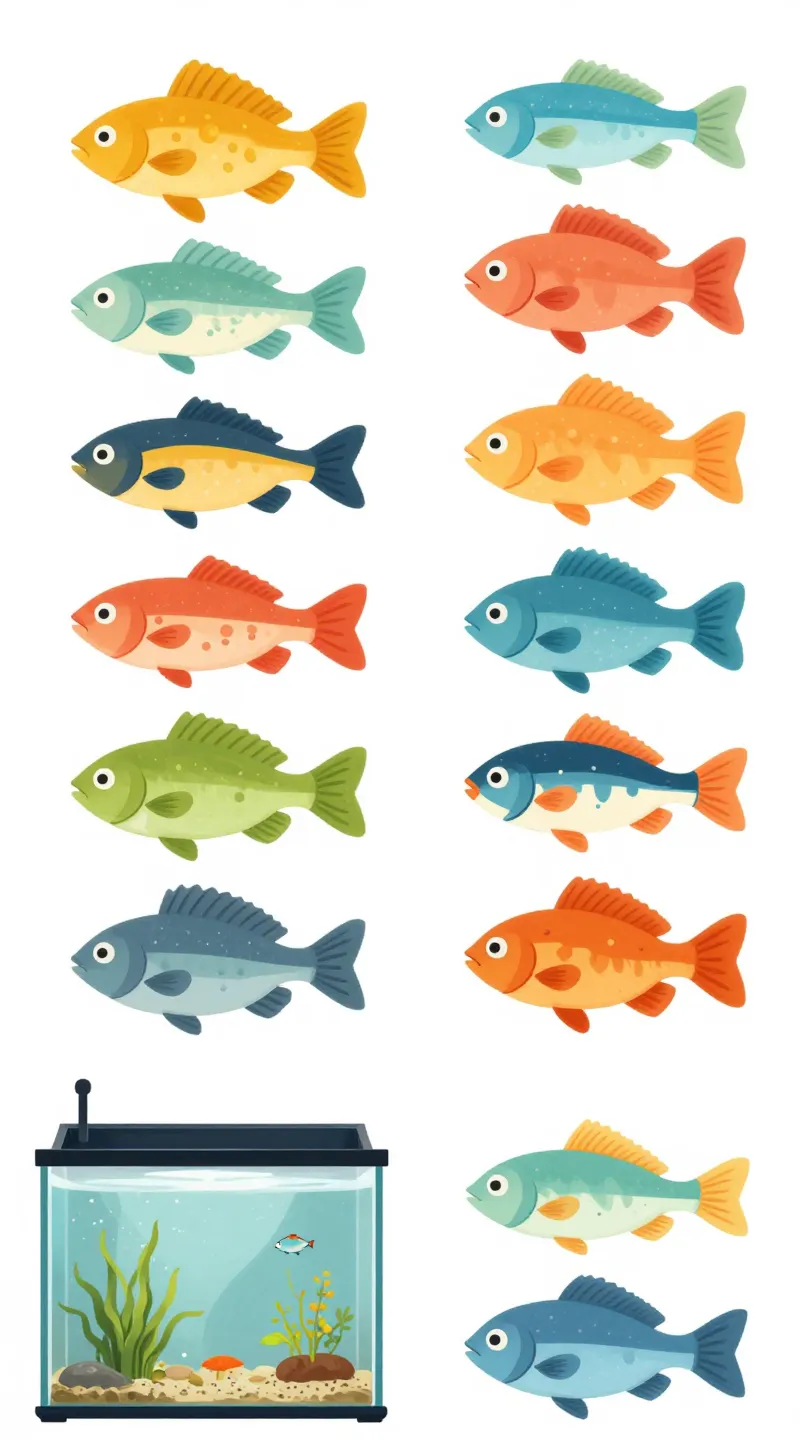
Most fish don’t need a buffet. Feed small portions 1–2 times daily, and only what they finish in 30–60 seconds. Overfeeding wrecks water quality and expands snail populations like a Marvel movie franchise.
Make the menu interesting
- Staples: High-quality flakes or pellets that list whole fish or shrimp first.
- Treats: Frozen brine shrimp, bloodworms, daphnia, or blanched veggies (zucchini, spinach) for herbivores.
- Fasting day: Skip one day per week—good for digestion.
FYI: “My fish always look hungry” translates to “they trained you.” You control the scoop.
Aquascaping for Wellness: Hiding Places and Happy Fish
Your tank should look good and function even better. Provide cover, sight breaks, and territory markers. That means plants, wood, rocks, and caves. Shy fish relax when they can hide; active fish need room to zoom.
Plants: Not just decor
- Live plants soak up nitrates, boost oxygen, and calm fish.
- Beginner-friendly picks: Anubias, Java fern, Java moss, Amazon swords.
- Use root tabs for heavy root feeders and low-to-moderate light.
Substrate matters too. Soft sand works well for bottom-dwellers like corydoras. They sift happily without shredding whiskers.
Temperature, Lighting, and Routine: Stability Wins
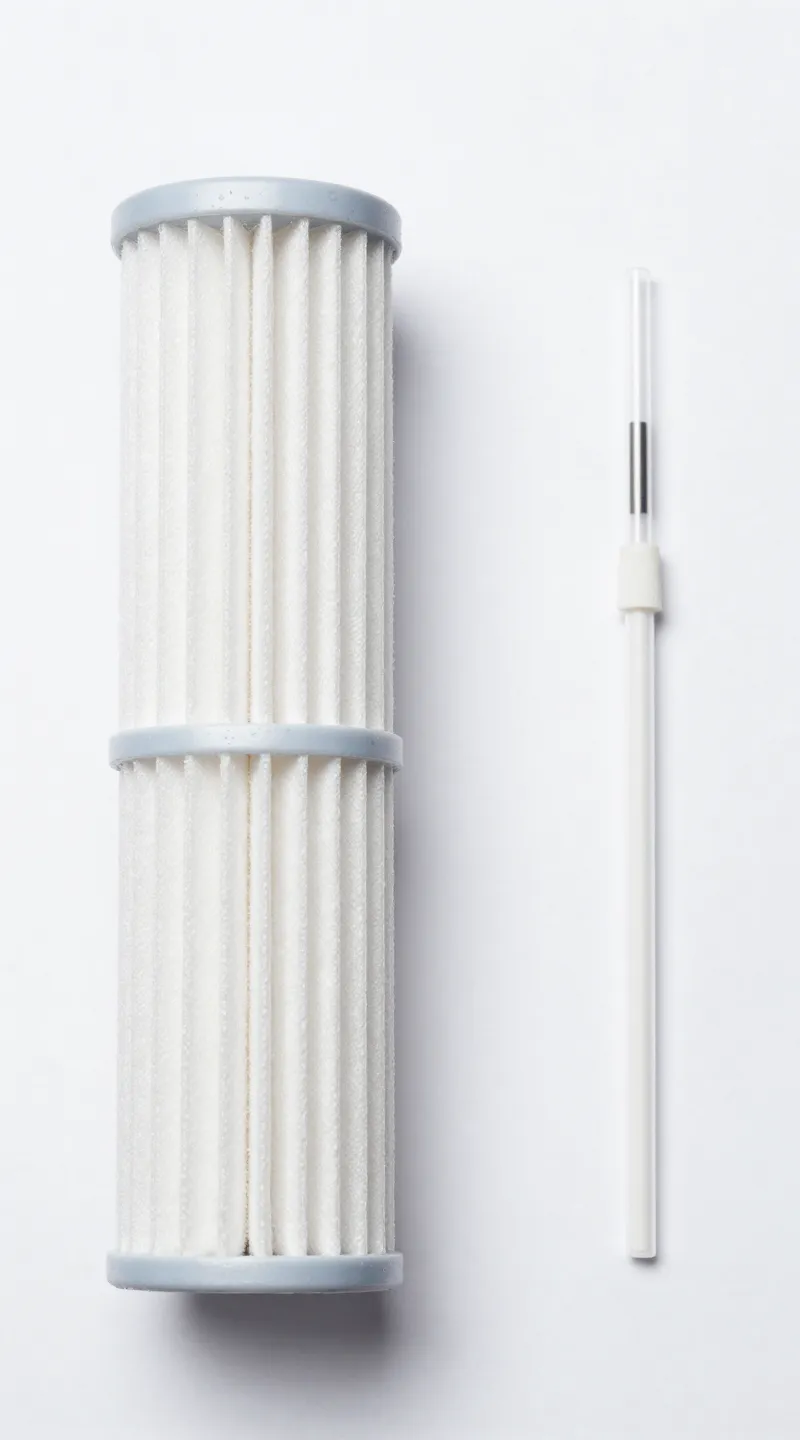
Fish hate drama. Keep a stable temperature with a reliable heater and thermometer. Sudden drops or spikes stress fish and invite disease. Aim for species-specific ranges: tropical fish often do well around 75–78°F (24–26°C), but check your species.
Lighting matters for you and the plants, not the fish’s social life. Run lights 6–8 hours daily to balance plant growth and algae. Put them on a timer so you don’t play guess-the-switch.
Create a predictable routine
- Feed at similar times daily.
- Do water changes on a set day.
- Test water weekly, record results, adjust calmly.
Consistency lowers stress. Lower stress means fewer illnesses. It’s not magic, it’s habits.
Quarantine, Observation, and Disease Prevention
Want to avoid outbreaks? Quarantine new fish for 2–4 weeks in a simple setup with a sponge filter and heater. Watch for signs of stress or disease before adding them to your display tank. IMO, this one habit saves more tanks than any medication.
Red flags you shouldn’t ignore
- Clamped fins, gasping, or lethargy
- Spots, fuzz, or sores on the body
- Rubbing against decor (flashing)
- Rapid breathing or hanging at the surface
Keep a basic fish first-aid kit: water conditioner, aquarium salt, a broad-spectrum antibiotic and antifungal (appropriate for your species), and test kits. But treat the cause first, not just the symptoms.
Maintenance Made Easy: A Simple Weekly Checklist
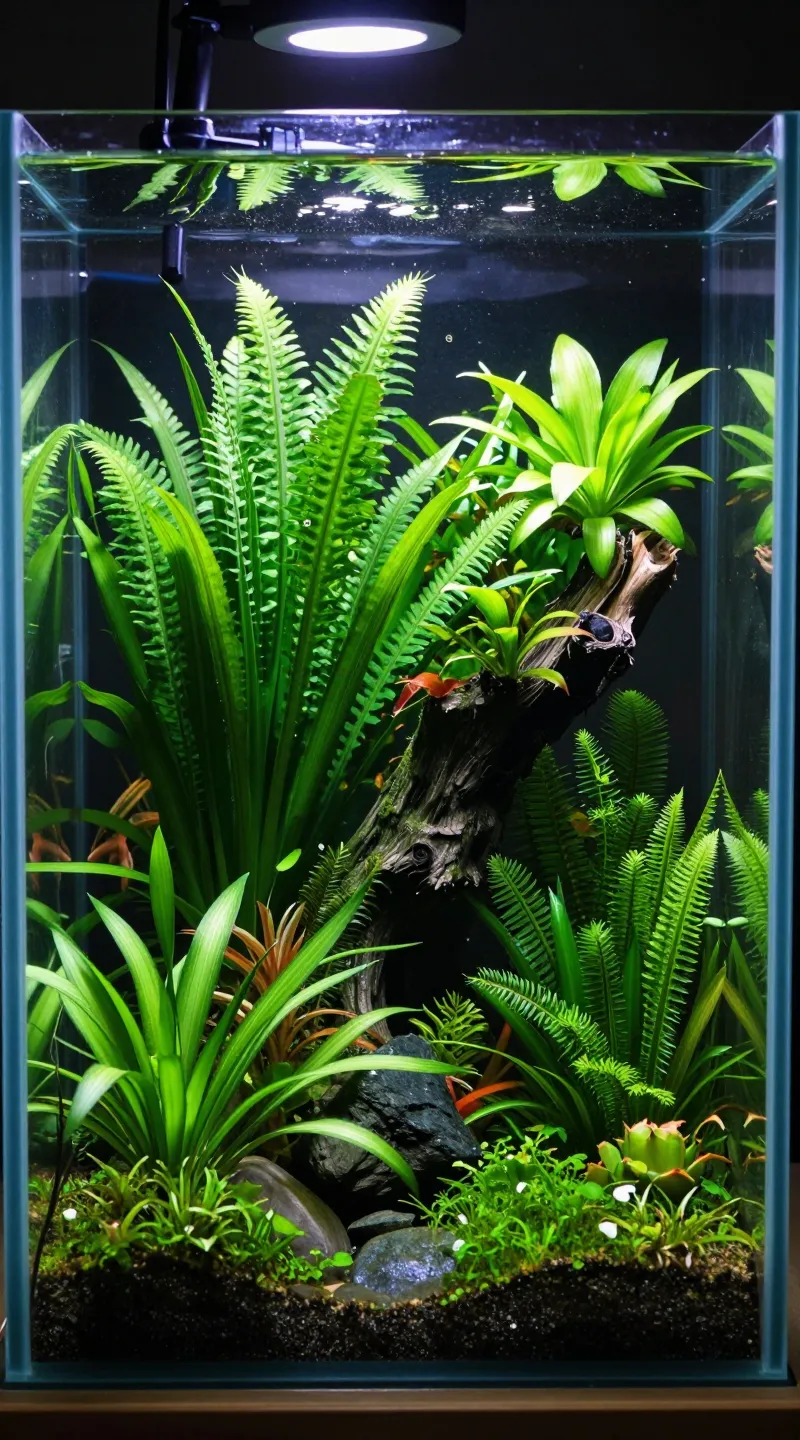
You don’t need hours to keep a great tank. A few focused tasks beat random tinkering.
- Test water: Ammonia, nitrite, nitrate, pH.
- Water change: 20–30% with gravel vac.
- Glass wipe-down: Algae magnet or scraper.
- Plant trim: Remove dead leaves; replant trimmings.
- Filter check: Rinse media if flow drops.
- Quick fish scan: Eating normally? Any damage or odd behavior?
Do that, and your fish will basically send thank-you notes. In their minds. Probably.
FAQ
How often should I feed my fish?
Feed most community fish once or twice daily in tiny portions they finish in under a minute. Some species, like bettas and dwarf puffers, appreciate smaller, more frequent meals. Add a weekly fasting day to prevent bloating and improve digestion.
Do I really need to cycle my tank before adding fish?
Yes. Cycling builds the bacteria that convert toxic ammonia and nitrite into nitrate. If you skip it, you force fish to live in toxic soup. Use bottled bacteria, monitor with test kits, and add fish only when ammonia and nitrite hit zero.
What temperature should I keep my tank at?
Match the species, not a random number. Many tropical community fish like 75–78°F (24–26°C). Goldfish prefer cooler water, and some species need warmer or cooler ranges. The key is stability—avoid daily swings.
How can I tell if my fish are stressed?
Look for clamped fins, loss of color, hiding, gasping, or not eating. Rapid gill movement and flashing (rubbing on decor) also signal trouble. Test water first—water quality issues cause most stress.
Can I keep different species together?
Sure, if you match size, temperament, and water parameters. Research before you buy, and avoid known fin-nippers or bullies in peaceful community tanks. If you see chasing, nipping, or constant hiding, rethink your mix.
Are live plants worth it?
Absolutely. Live plants improve water quality, reduce algae, and help fish feel secure. They don’t need to be high-tech—plenty of hardy species thrive in low light. Your fish and your nitrate levels will thank you.
Conclusion
Healthy, happy fish come from simple, consistent care: stable water, smart stocking, good filtration, and a chill routine. Skip the gimmicks, feed lightly, and watch your fish instead of your filter box. Do the basics well, and your tank turns into a living ecosystem that’s peaceful, gorgeous, and surprisingly low-maintenance—FYI, that’s the dream.
Explore iPet Choice
Discover helpful pet care tips, trusted product recommendations, and practical guides for dogs, cats, fish, and more.