Your pet doesn’t care about your itinerary. They care about snacks, naps, and not being shoved into a strange box that vibrates at 30,000 feet. Fair. The good news? You can travel together without chaos or guilt. This guide keeps it real—less stress, fewer surprises, and way more wagging.
Decide If Your Pet Should Travel At All
Not every trip needs a furry co-pilot. Ask yourself: will your pet enjoy this, or will they white-knuckle the entire journey? Some animals handle new places like champs. Others spiral if their water bowl moves six inches.
Consider:
- Health and age: Senior pets, snub-nosed breeds, and animals with anxiety might do better at home.
- Trip type: City hopping and constant movement? Maybe a no. Cabin-in-the-woods chill trip? Probably a yes.
- Climate: Extreme heat or cold can be dangerous—especially in transit.
If your gut says “this sounds like torture,” line up a great sitter and skip the drama. IMO, that’s love too.
Prep Like a Pro: Vet, Paperwork, and Supplies
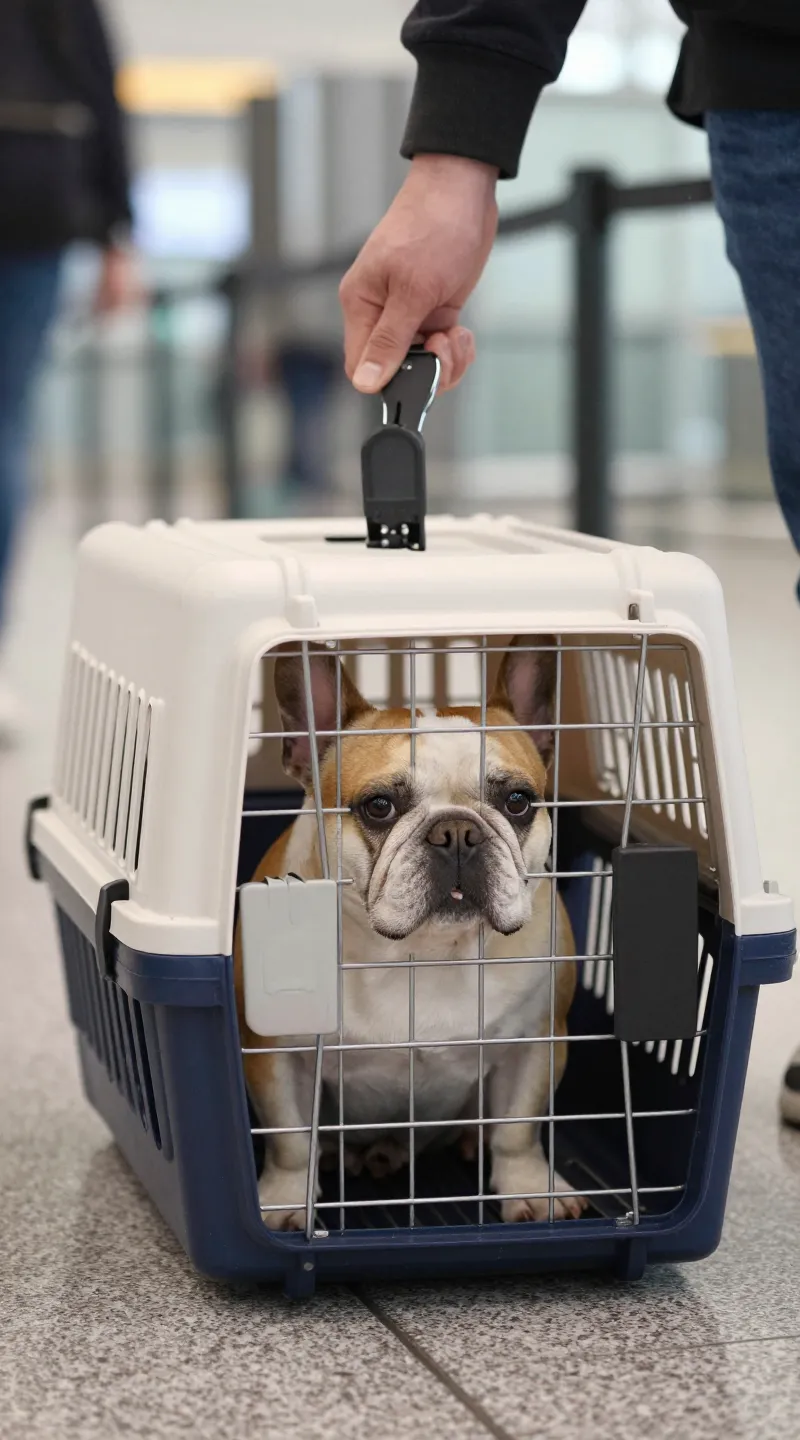
You can’t wing pet travel. You’ll just end up panic-Googling “can dogs ride trains in Belgium” at 1 a.m. Prep now and save your sanity later.
Vet Check and Records
Book a visit 2–4 weeks before your trip. Ask for:
- Updated vaccines and a summary of medical history
- Travel letter/health certificate if required (some airlines and states/countries demand it)
- Motion sickness or anti-anxiety options (test meds at home first)
FYI: Some countries require microchips and specific vaccinations months in advance. Do not sleep on this.
Build a Travel Kit
Pack like a minimalist—but for pets. Essentials:
- Food for the entire trip, plus 2–3 days extra
- Collapsible bowls, bottled water, and a few high-value treats
- Leash, harness, waste bags, litter and tray (for cats), and cleaning wipes
- Medication, flea/tick prevention, and first-aid basics
- Favorite blanket or toy for comfort
- ID tags + microchip info up to date with your phone number
Choose the Right Carrier or Harness
Your carrier is your pet’s tiny home-on-the-go, so make it comfy and escape-proof. No one wants to chase a cat through Terminal B. Again.
Carrier Must-Haves
- Ventilation on at least three sides
- Size: big enough to stand, turn, and lie down—no luxury lofts needed
- Sturdy zippers and locking mechanisms
- Soft bedding that smells like home
Amazon Finds: Travel Carriers ✈️
- View travel carrier option on Amazon
- See another popular travel carrier
- Check this lightweight carrier option
- Explore this comfortable carrier design
- View another travel-friendly carrier
Some links may be affiliate links.
Harness and Seatbelt for Cars
For car trips, use a crash-tested harness or a secured crate. Back seat only. Airbags and pets do not mix. Add a seat cover if you value your upholstery and your sanity.
Amazon Finds: Seatbelts for Cars 🚗
- View pet car seatbelt option on Amazon
- Check another secure car seatbelt
- See a popular adjustable seatbelt
- Explore a heavy-duty option
- View another travel-safe seatbelt
Some links may be affiliate links.
Master the Transport: Car, Plane, Train, or Ferry
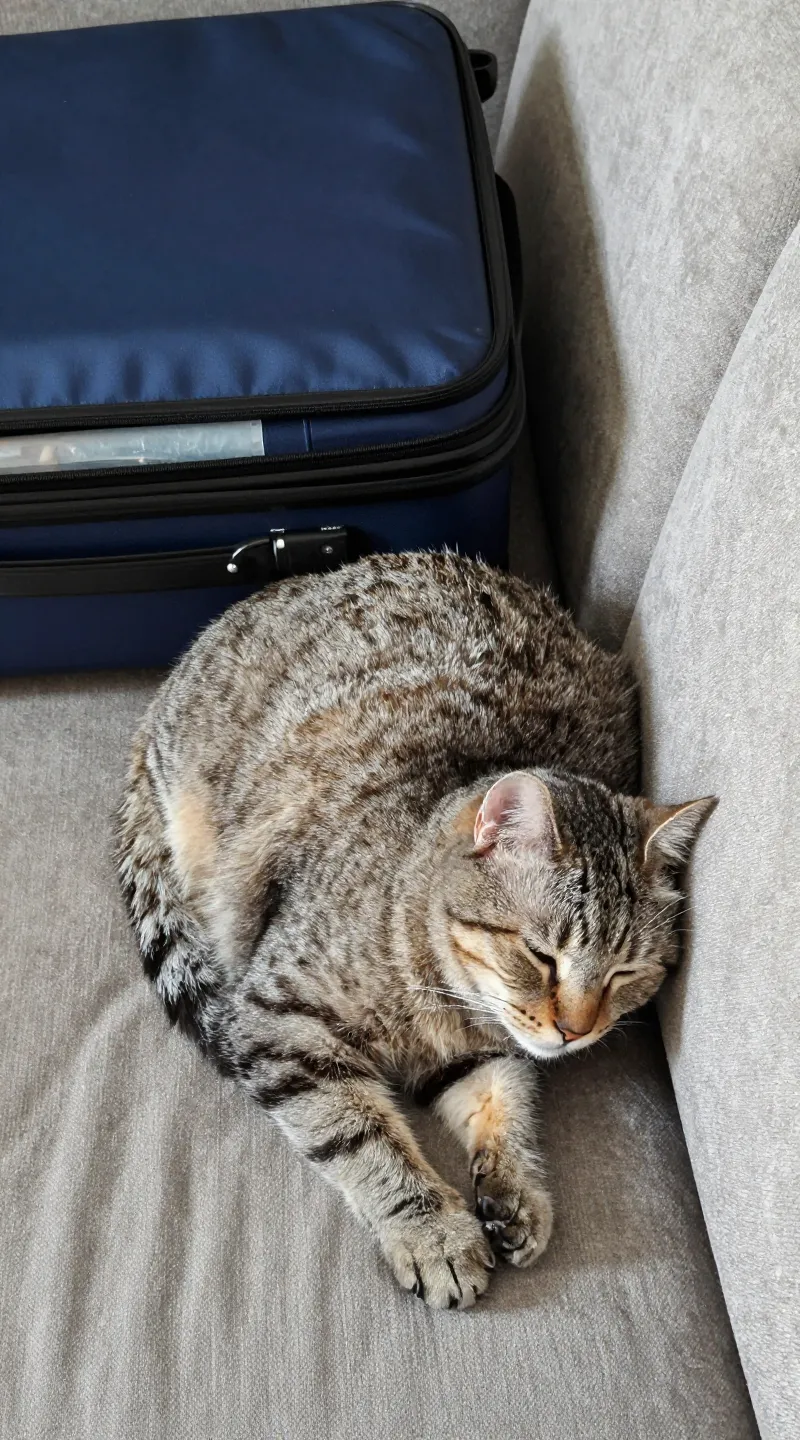
Different transport, different rules. The trick is knowing the quirks and planning around them.
Car Travel Tips
- Exercise before you leave to burn off jitters
- Light meal 3–4 hours before departure to prevent tummy drama
- Frequent stops: every 2–3 hours for water, potty breaks, and sniffs
- Never leave pets in a parked car—temperatures spike fast
Air Travel Tips
Airlines treat pets like puzzle pieces—every one has different rules. Double-check these:
- Cabin vs. cargo: small pets often fly in-cabin in soft carriers; larger pets may go as cargo
- Breed restrictions: many airlines restrict brachycephalic breeds
- Weather embargoes: cargo holds may have seasonal limits
- Fees and forms: book early and confirm twice
Day of: arrive early, go potty right before security, and keep your pet calm at the gate. Slip a worn T-shirt in their carrier. Your smell = comfort.
Train, Bus, and Ferry
Pet policies vary wildly by country and company. Some love pets; some love to say no. Check:
- Weight limits and carrier requirements
- Extra fees
- Designated pet areas
If the site reads like legal soup, call customer service. Ask for the pet policy in writing or a link. Receipts save arguments later.
Book Pet-Friendly Stays That Actually Work
“Pet-friendly” can mean “one goldfish allowed.” Read the fine print. Then confirm by phone, because websites lie.
What to confirm:
- Fees and deposits (per night vs. per stay)
- Breed/weight limits
- Where pets can go (lobby, pool area, breakfast nook?)
- Crating rules when unattended
Pro move: Request a ground-floor room near an exit. Midnight potty runs become easy. Bring a foldable playpen or baby gate if your pet treats hotel hallways like catwalks.
Settle Them In
When you arrive, give a sniff tour. Set up the bed, water, and a familiar toy. Close curtains to block triggers. White noise helps drown out hallway drama.
Ease Their Anxiety (and Yours)
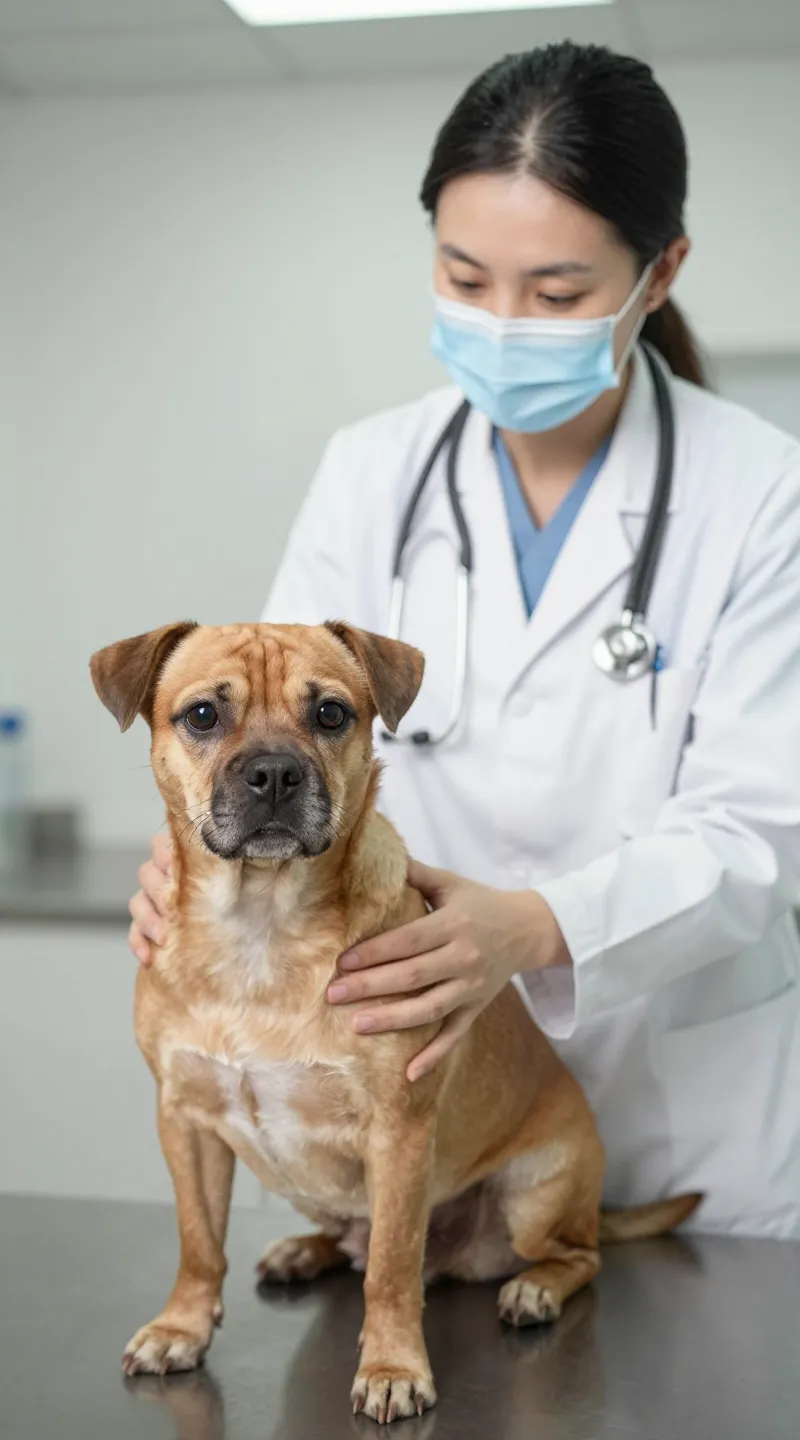
Travel shakes pets up. Routine—and a little trickery—brings the calm.
Training and Desensitization
Before the trip:
- Practice short car rides and gradually lengthen them
- Leave the carrier out at home with treats inside
- Reward quiet, calm behavior—praise like they just invented Wi‑Fi
Comfort Tools That Work
- Calming chews or pheromone sprays (test at home first)
- Chew toys or lick mats for takeoff or traffic jams
- White-noise or calming playlists (seriously, they help)
And yes, talk to your pet. Your voice soothes them. You’ll look unhinged, but they’ll relax. Worth it.
Amazon Finds That Actually Help 🛒
Some links may be affiliate links.
Food, Water, and Bathroom Logistics
You don’t want a hangry pet or a bathroom emergency at the worst moment. Plan like a pro.
Feeding Timing
- Feed a smaller meal pre-departure to avoid motion sickness
- Offer water at breaks, not free-flowing in the carrier
- Stick to their usual food to avoid stomach drama (new kibble on vacation = chaos)
Bathroom Breaks
- Dogs: map pet relief areas or bring pee pads for emergencies
- Cats: travel litter box with a thin layer of litter; scoop promptly
- Small animals: absorbent bedding and a cleaned carrier mid-journey if needed
Safety First: IDs, Backups, and “What Ifs”

Stuff happens. Prepare like the calm, capable pet parent you are.
- Double-tag your pet: collar tag + microchip with current phone and email
- AirTag/Tracker on the collar or carrier for quick locating
- Printed and digital records of vaccines and meds
- Emergency vet list near your destination
- Recent photo for “missing” posters—hopefully never needed
Pro tip: Teach a solid recall and “wait” before the trip. Doors open fast. Pets bolt faster.
Sample Travel Day Routine
Sometimes you just want a plug-and-play plan. Here you go.
- Morning walk or play session to burn energy
- Light breakfast; give meds if needed
- Pack carrier with familiar blanket and a chew
- Head out early to avoid rushing
- Offer water and bathroom breaks on a schedule
- At arrival: sniff tour, set up bed, normal dinner, quiet time
Easy, predictable, calm. That’s the vibe.
FAQ
Should I sedate my pet for flights?
Generally, no. Sedation can mess with breathing and temperature regulation, especially in the air. Talk to your vet about safer options like mild anxiolytics or supplements and always test doses at home first.
What if my pet gets motion sickness?
Try a light pre-trip meal, keep air flowing, and anchor their line of sight (window slightly cracked for dogs helps). Ask your vet about motion-sickness meds. Ginger treats can help some pets, but test before travel.
How early should I arrive at the airport with a pet?
Arrive at least 2 hours early for domestic flights and 3 for international. You’ll need extra time for check-in, security, and a final bathroom break. Rushing equals stress—for both of you.
Can my pet ride in rideshares or taxis?
Usually yes, but always ask the driver first. Use a carrier or blanket to protect seats. A polite heads-up and a few bucks tip go a long way.
How do I keep a cat calm in a hotel?
Start with one room, keep the carrier out as a safe zone, and offer familiar bedding. Close blinds, use a pheromone spray, and give them a few hidey spots. Most cats adjust in a few hours if you keep things predictable.
Do pets need passports?
Not exactly, but many countries require microchips, rabies vaccines, specific forms, and sometimes quarantine. Check official government sites months in advance. Paperwork waits for no one, sadly.
Conclusion
Traveling with pets doesn’t need to feel like a reality show disaster episode. Plan ahead, keep routines tight, and build wiggle room for naps, water, and wiggles. You’ll both arrive calmer, happier, and ready for adventure—snack stash mandatory, obviously. IMO, that’s the real win.
Explore iPet Choice
Discover helpful pet care tips, trusted product recommendations, and practical guides for dogs, cats, fish, and more.
*Some links in this post may be affiliate links.