You’re in the kitchen, your dog’s giving you the “I’ve never eaten in my life” eyes, and you’re holding a snack. Share or don’t share? You don’t want to play food roulette with your best friend. Good news: lots of human foods are safe for dogs—and some are absolutely not. Let’s break it down so you can treat your pup without the panic Googling.
The Golden Rules Before You Share
Moderation always wins. Even healthy snacks can upset a dog’s stomach if you go overboard. Start small and watch for any reactions.
Skip the seasoning. Butter, salt, onion, garlic, and sauces can turn a safe food into a disaster. Keep it plain and boring—the way dogs weirdly prefer it.
Size matters. Cut everything into bite-sized pieces to avoid choking. Tiny cubes = happy pup.
When in doubt, ask your vet. Puppies, seniors, and dogs with health conditions need extra caution, FYI.
Fruits Dogs Can Safely Eat

Fruits make great low-calorie treats. They’re sweet, hydrating, and easy to prep. Just ditch any seeds, pits, and tough cores.
- Apples (no seeds or core): Crunchy and full of fiber and vitamin C.
- Blueberries: Antioxidant powerhouses. Tiny and perfect for training.
- Bananas: Sweet, soft, and high in potassium. Go easy—they’re sugary.
- Strawberries: Light and refreshing. Rinse well and slice.
- Watermelon (seedless, no rind): Super hydrating. Summer MVP.
- Cantaloupe (no rind): Fiber-friendly but on the sweet side.
- Pineapple (no core): A few chunks are fine. Too much can be acidic.
Fruits to Avoid
- Grapes and raisins: Hard no—can cause kidney failure.
- Cherries (pits and stems): Risk of cyanide and choking.
- Avocado: Persin and high fat content make it risky. Skip it.
Vegetables Dogs Can Safely Munch
Veggies = crunchy, low-calorie snack heaven. Steam or serve raw depending on texture.
- Carrots: Dental-friendly and sweet. Raw or cooked.
- Green beans: Plain, unseasoned, any style. Great for “diet snacks.”
- Sweet potatoes: Cooked and mashed or cubed. No skin for sensitive tummies.
- Peas: Fresh or frozen. Easy add-in for meals.
- Broccoli and cauliflower: Tiny amounts—they can cause gas. You’ve been warned.
- Cucumbers: Low-cal and crunchy. Hydrating, too.
- Pumpkin (plain, cooked or canned): Great for digestion. Just no pumpkin pie filling.
Veggies to Avoid
- Onions, garlic, leeks, chives: Can damage red blood cells—no amount is safe.
- Mushrooms: Store-bought plain mushrooms are usually fine, but wild mushrooms can be toxic. Not worth the gamble IMO.
Proteins Dogs Can Eat (The Good Stuff)
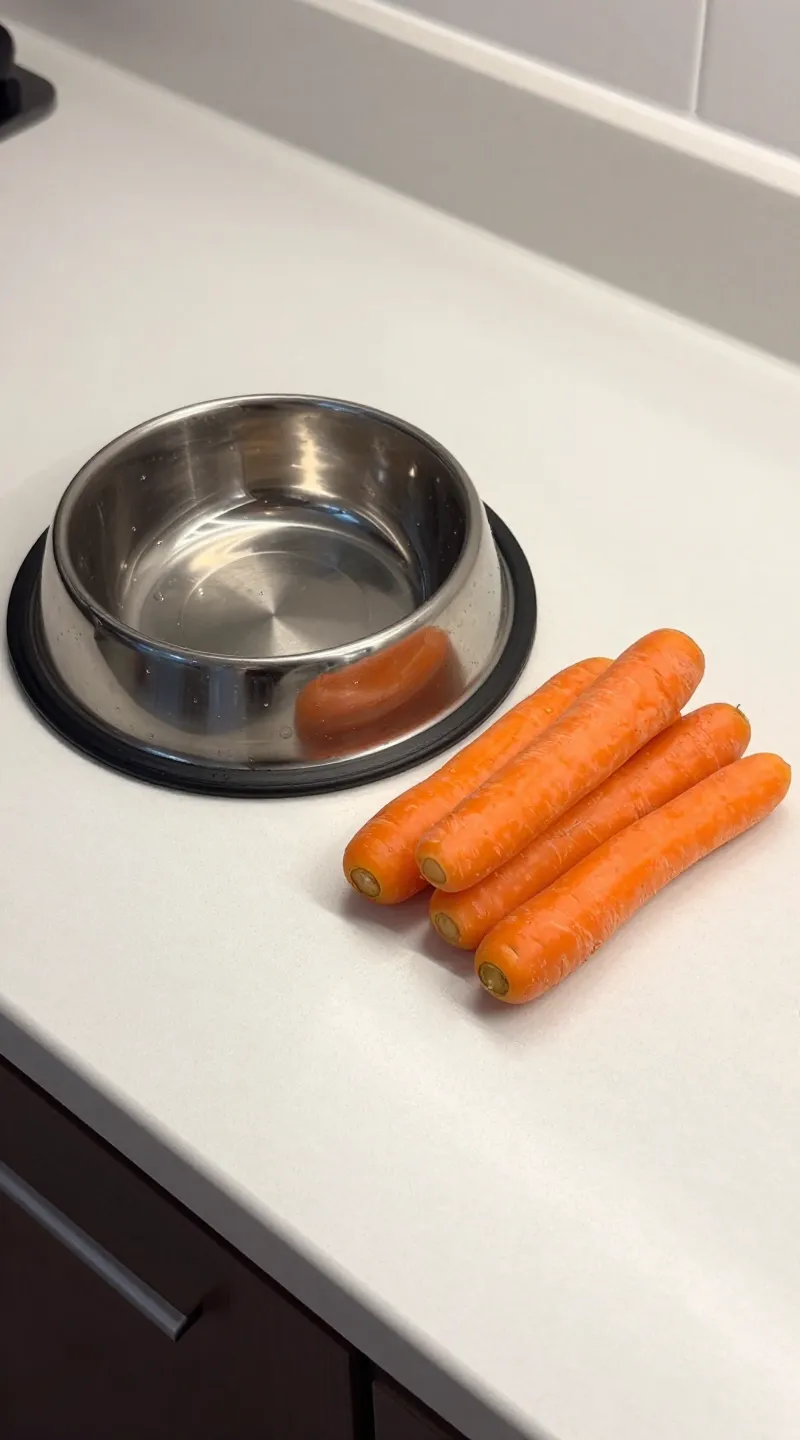
Protein keeps dogs fueled and happy. Think simple, lean, and cooked.
- Chicken, turkey, and lean beef: Cooked, unseasoned, no bones, no skin. Shred it up.
- Eggs: Cooked eggs are great. Scrambled or boiled. No raw eggs—salmonella risk.
- Fish: Salmon and sardines (boneless, cooked, packed in water) are excellent omega-3 sources.
- Plain Greek yogurt: Good for some dogs if they tolerate dairy. Choose unsweetened.
- Cottage cheese: Low-fat and plain. Try a spoonful to test tolerance.
Proteins to Skip
- Bacon, sausage, and deli meats: Too salty and fatty. Tempting, but nope.
- Cooked bones: They splinter and can cause internal damage.
- Raw fish: Parasites and thiaminase risk in some species.
Carbs, Grains, and Baked Goods
Dogs can handle some grains just fine, especially if they don’t have sensitivities. Keep it bland and simple.
- Rice (plain, cooked): White rice is gentle on upset stomachs.
- Oatmeal (plain, cooked): Great fiber. Cool it before serving.
- Quinoa: Protein-rich grain alternative. Rinse and cook well.
- Bread (plain, small amounts): Not super nutritious, but safe in tiny portions.
Carb Cautions
- Xylitol: A sugar substitute found in “sugar-free” baked goods, peanut butter, and gum. Extremely toxic—even tiny amounts.
- Raw yeast dough: Expands in the stomach and produces alcohol. Dangerous and painful.
Healthy Fats and Add-Ons
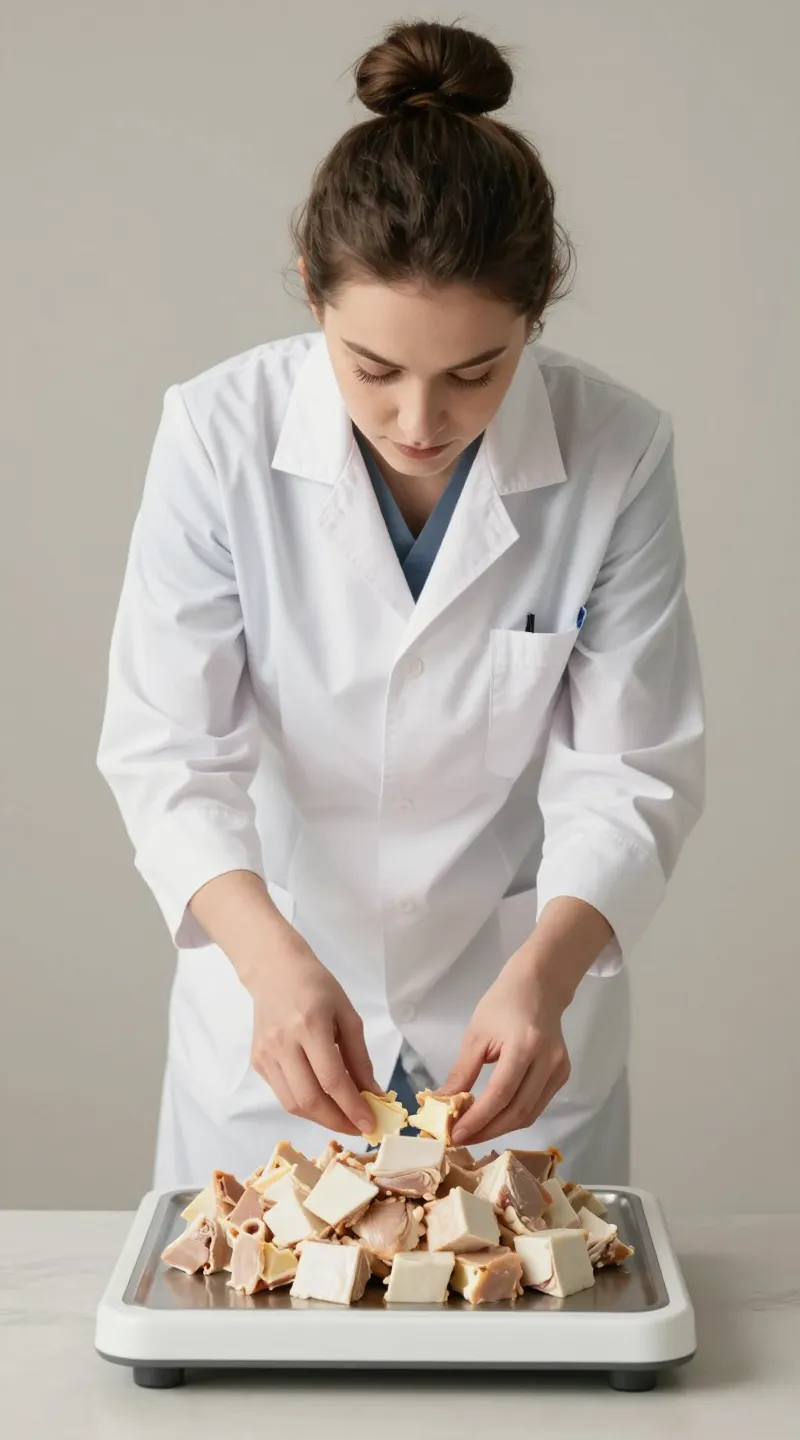
Fats help skin, coat, and overall health—but measure them. Your dog doesn’t need a charcuterie board.
- Peanut butter (xylitol-free): A spoon in a puzzle toy is legendary. Check ingredients every time.
- Almond butter (xylitol-free): Okay in tiny amounts, but can cause tummy upset.
- Coconut oil: A tiny amount can help some dogs’ coats. Others get diarrhea—start slow.
- Olive oil: A drizzle mixed into food occasionally is fine.
Nuts to Avoid
- Macadamia nuts: Toxic. Causes weakness and tremors.
- Walnuts and pecans: Mold and high fat make them risky.
Treats With Benefits: Functional Foods
Some foods do more than just taste good. They pull double duty.
- Bone broth (low sodium): Hydrating and soothing for picky or sick dogs.
- Plain kefir: Probiotics can support digestion. Start with a spoonful.
- Golden paste (turmeric + coconut oil): Many owners swear it helps joints. Check with your vet if your dog takes meds.
- Blueberries and sardines combo: Antioxidants + omega-3s = chef’s kiss.
Portion Guide: How Much Is “A Treat”?
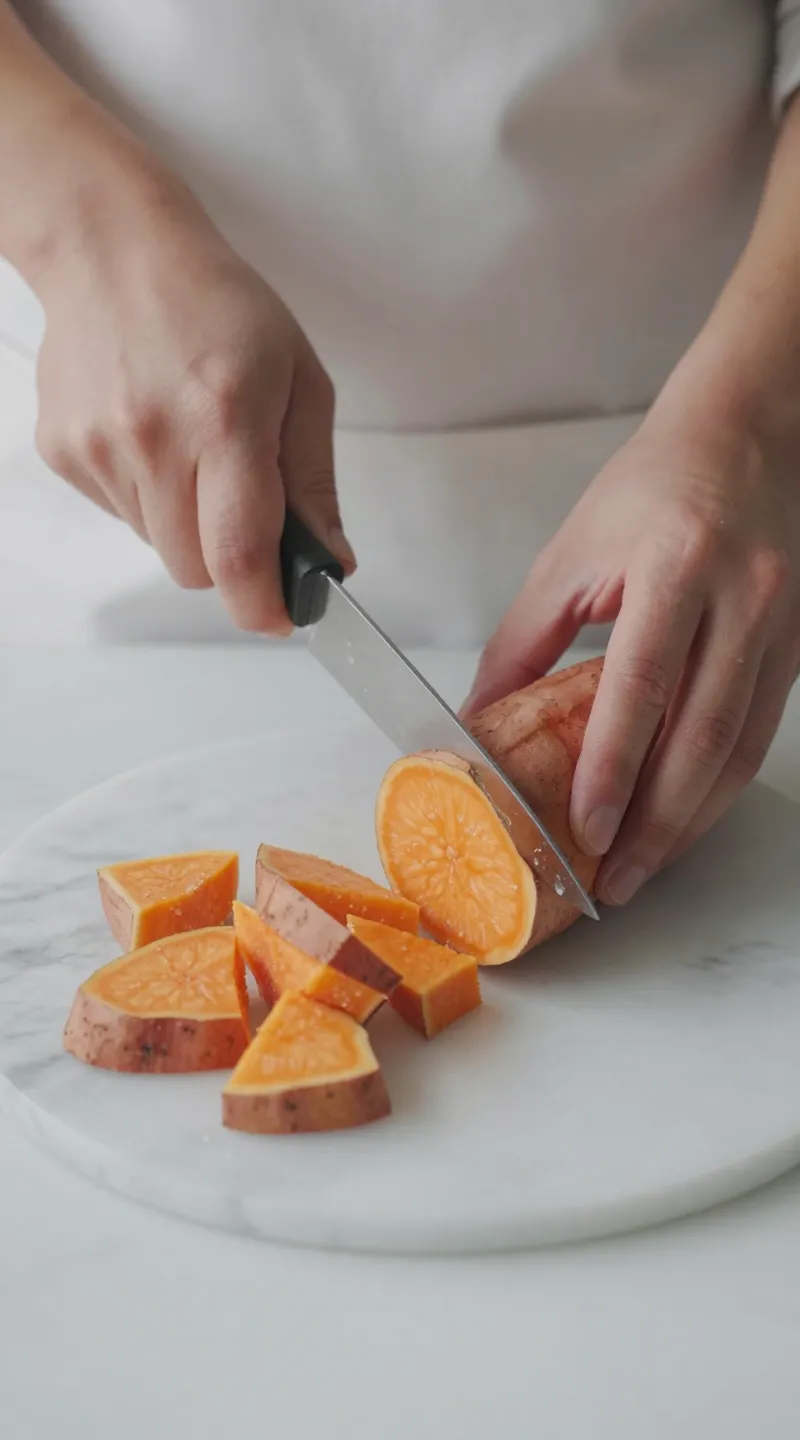
You don’t need a calculator, but a general rule helps.
- Treats should be 10% or less of daily calories. The rest should be balanced dog food.
- Tiny dogs: 1–2 teaspoons of fruit/veg at a time.
- Medium dogs: 1–2 tablespoons.
- Large dogs: A small handful or 1/4 cup, depending on the food.
Keep an eye on weight, stools, and energy. If something seems off, scale back or switch it up.
Foods That Are Off-Limits (No Debating)
- Chocolate (especially dark): Contains theobromine—dogs can’t metabolize it well.
- Grapes and raisins: Kidney failure risk, even in small amounts.
- Xylitol (in sugar-free stuff): Can cause a dangerous blood sugar crash and liver failure.
- Alcohol and caffeine: Stimulants and depressants don’t mix with dog biology.
- Onions and garlic: Damage red blood cells over time.
- Cooked bones: Splintering risk. Raw bones are a separate conversation with your vet.
Quick Prep Ideas Your Dog Will Love
- Pup pops: Blend watermelon and plain yogurt, freeze in silicone molds.
- Training bites: Tiny cubes of boiled chicken or cheese (if tolerated).
- Gut-friendly topper: Spoon of pumpkin with a sprinkle of kefir over kibble.
- Crunch cups: Carrot sticks dipped in a smear of xylitol-free peanut butter.
FAQ
Can dogs have cheese?
In small amounts, yes—if your dog tolerates lactose. Go for low-fat, low-sodium options like mozzarella or cottage cheese. If you see gas, diarrhea, or itchiness, skip it.
Is peanut butter safe?
Yes, if it’s xylitol-free and unsalted. A teaspoon for small dogs or a tablespoon for big dogs works. Check labels every single time—brands change recipes.
What human foods help with an upset stomach?
Plain boiled chicken with white rice, a spoon of plain pumpkin, and a bit of low-sodium bone broth can help. Keep portions small and water available. If vomiting or diarrhea lasts over 24 hours, call your vet.
Can dogs eat eggs every day?
Cooked eggs are safe a few times a week for most dogs. Daily eggs can add too many calories and throw off balance. Think “treat,” not “meal replacement.”
Are raw diets safe?
Raw feeding is controversial. It can work with strict food safety and balanced nutrition, but risks include bacteria and choking on bones. If you’re curious, work with a vet or board-certified nutritionist, IMO.
What about herbs and spices?
Most dogs don’t need them. A tiny pinch of turmeric or parsley is okay, but avoid onions, garlic, nutmeg, and heavy salt. When in doubt, keep it plain.
Conclusion
Sharing your snacks with your dog can be fun, healthy, and safe—if you know the rules. Stick to plain prep, keep portions small, and memorize the no-go list. Your dog gets tasty variety, you get fewer guilt trips, and everyone wins. Now go enjoy those blueberry “boops” together, responsibly.
Explore iPet Choice
Discover helpful pet care tips, trusted product recommendations, and practical guides for dogs, cats, fish, and more.