You clip on the leash, step outside, and boom—your dog becomes a furry freight train. Your shoulder hates it. Your neighbors watch the chaos. Meanwhile your dog thinks pulling equals faster adventures. Good news: you can fix this without turning walks into boot camp. Let’s teach your dog that loose leash = freedom and fun.
Why Dogs Pull (And Why It’s Not Personal)
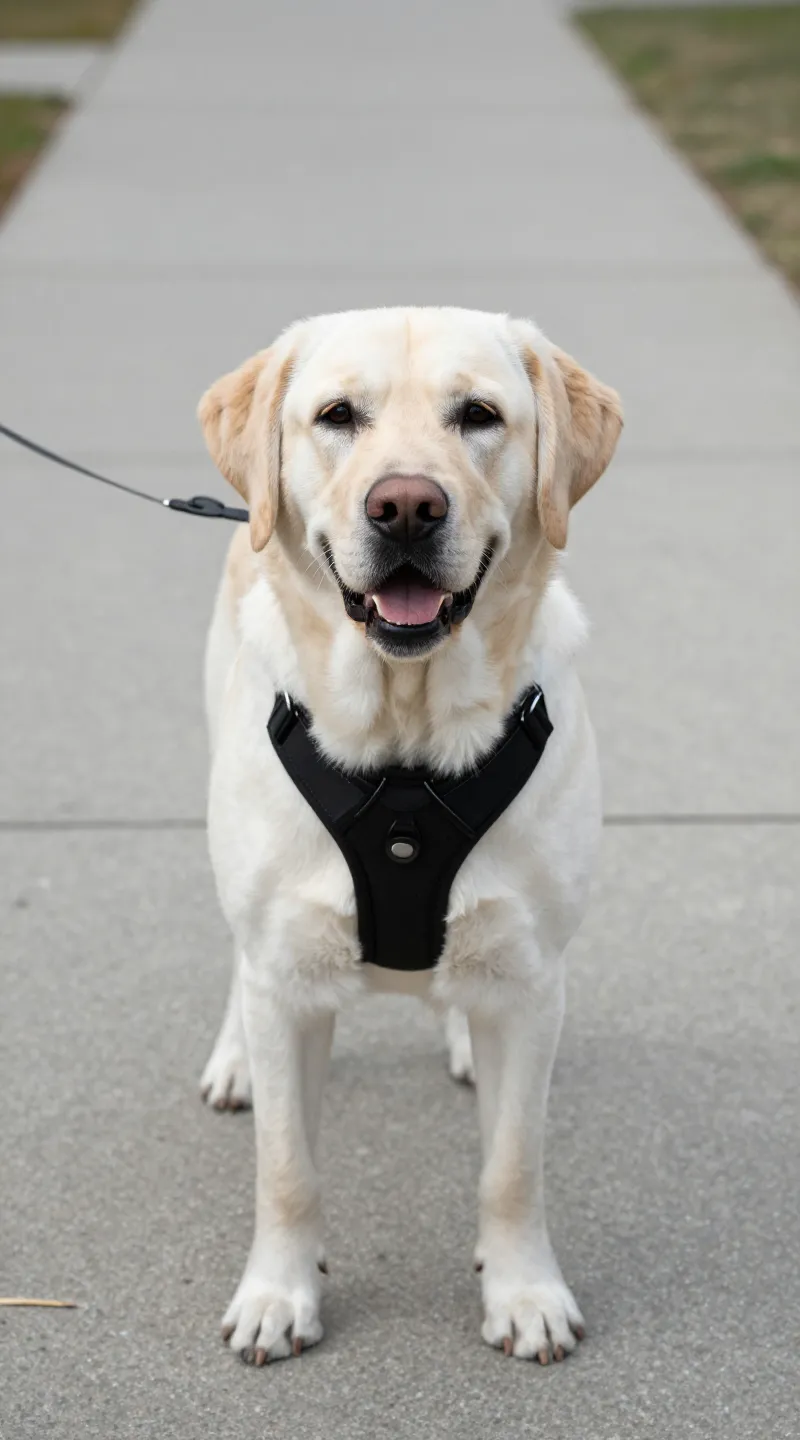
Dogs pull because it works. They want to sniff, greet, and zoom, and pulling gets them there faster. If moving forward pays off, they’ll keep cashing that check.
Also, we unintentionally reward pulling. We step forward “just a little” when they pull. Boom—lesson learned. No judgment—we’ve all been there.
Gear That Helps (Without Being Cruel)
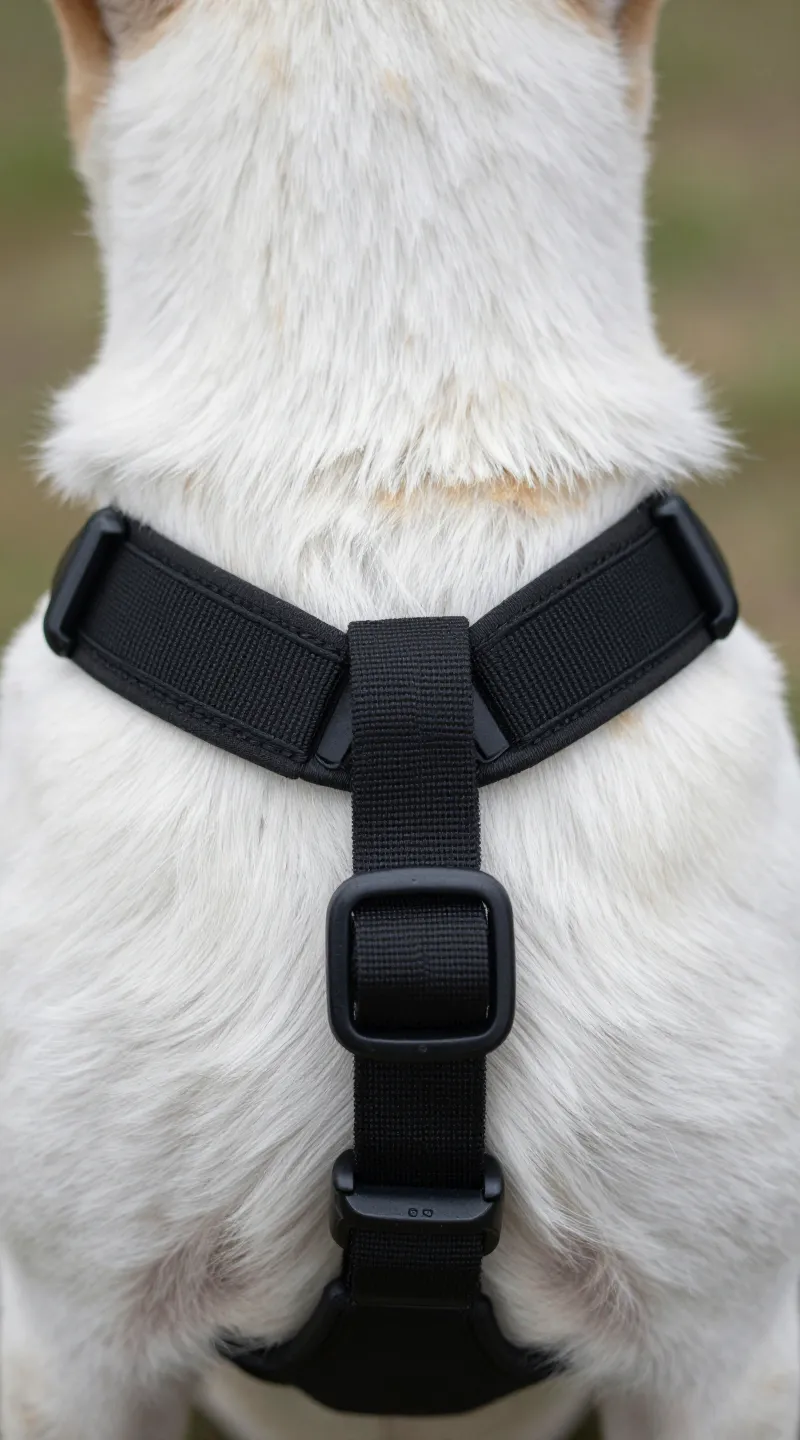
The right gear won’t train your dog for you, but it makes learning easier. Think of it like good shoes for running.
- Front-clip harness: Redirects momentum and gives you control without choking. Great for most dogs.
- Flat collar: Fine for ID and short sessions, but it won’t stop dedicated pullers.
- Head halter: Offers maximum control for strong dogs, but introduce it slowly and positively.
- Leash length: Go with a 6-foot leash. Retractables teach pulling—hard pass for training walks.
What to Avoid
- Prong or choke collars: These can suppress behavior short-term but often create stress or fear. Not worth it, IMO.
- Flexi leashes for training: They reward pulling and create yo-yo tension. Save them for well-trained dogs in open areas.
The Core Skill: Reinforce a Slack Leash
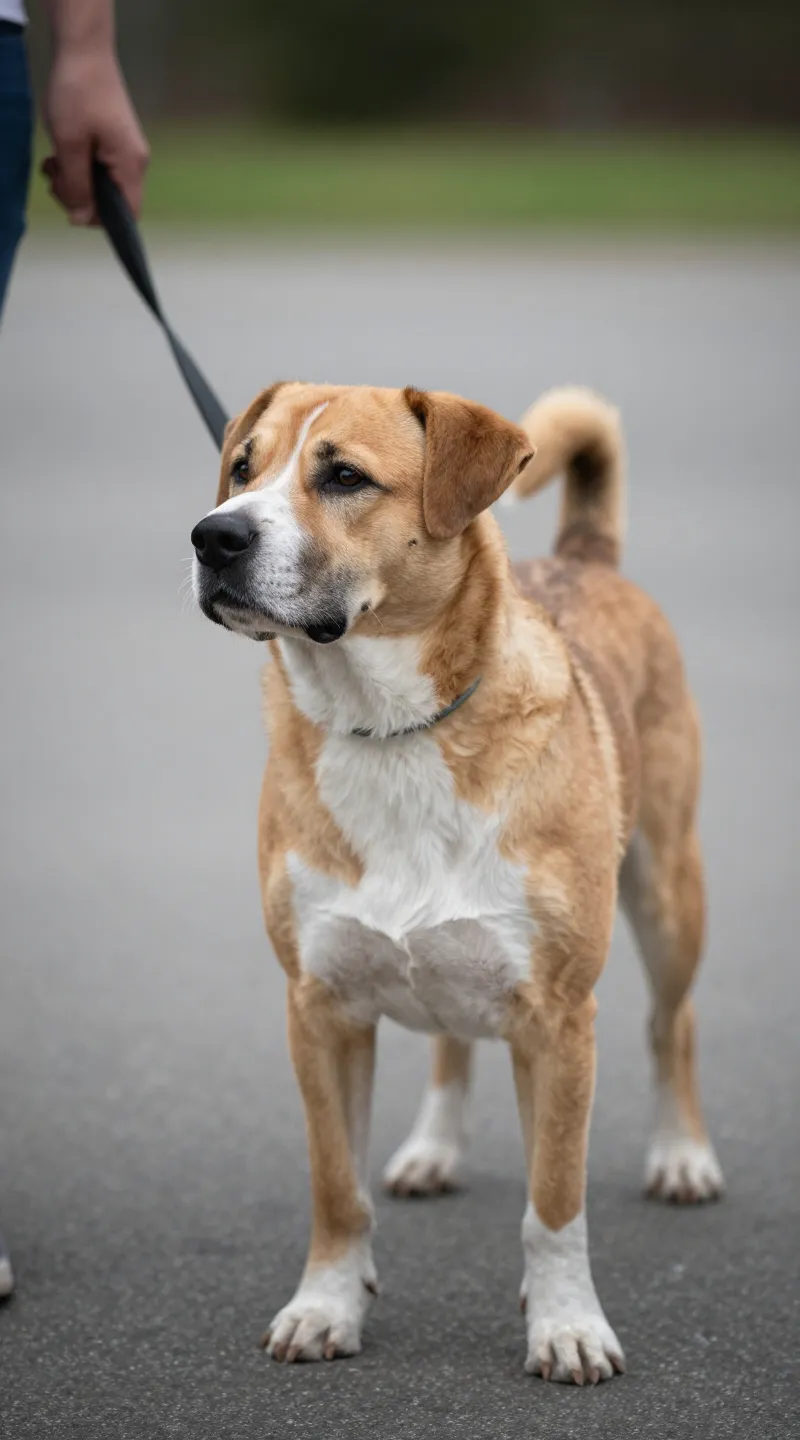
Your dog needs a simple equation: loose leash = forward motion + rewards. Tight leash? We stop. Zero drama.
- Load your pockets: Use tiny, high-value treats. Think soft and smelly, not brittle biscuits.
- Pick a side: Choose left or right and stick with it for consistency.
- Start in low-distraction zones: Hallway, driveway, or quiet street. Win the warm-up.
- Mark and move: When the leash hangs loose, say “Yes!” and walk forward a few steps. Reward at your leg.
- Stop for tension: Leash goes tight? Stop instantly. Don’t yank. Wait. When your dog looks back or the leash loosens, mark “Yes,” reward near your leg, and move.
That’s it. Boring? A little. Effective? Extremely.
Pro Tip: Make You the Target
Add a cue like “Let’s go!” every time you start moving. Say it in a happy voice. The cue becomes a promise: “Stick with me, we’re rolling.”
Level Up With Engagement Games
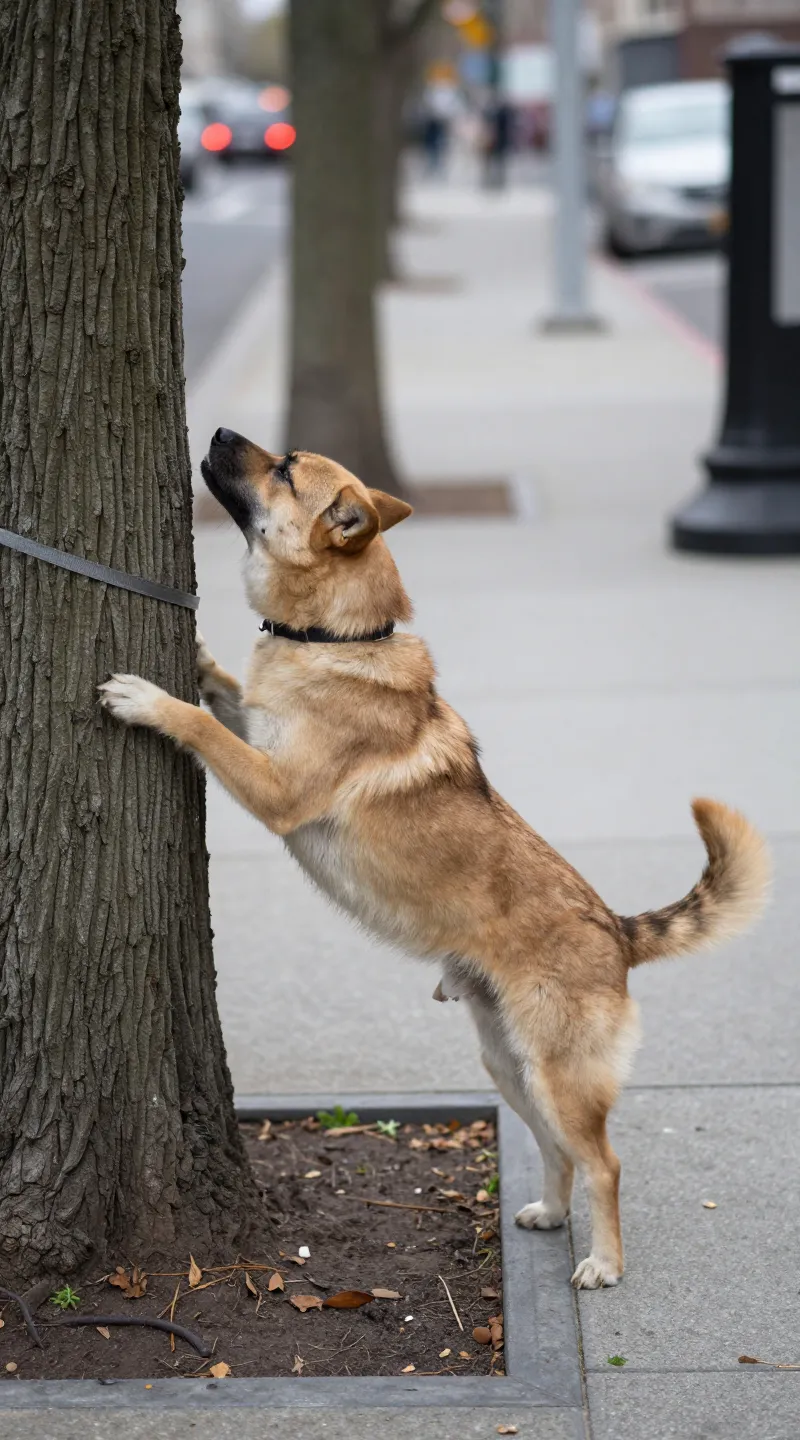
Your dog can’t pull if they’re focused on you. Make attention fun.
- Name game: Say their name, reward eye contact. Do 10 reps before walks.
- Hand target: Hold out your hand at your side, palm open. When they boop it with their nose, mark and reward. Use it to steer around distractions.
- Find it: Drop a treat by your shoe and say “Find it!” Great reset when excitement spikes.
- Check-ins: Randomly reward when your dog glances up at you. They’ll start offering it more often.
Pattern Walks
Do short zig-zags or figure eights. Reward at the inside turn. Your dog learns to watch your movement rather than dragging toward the horizon. Looks goofy, works great.
Handling the Hard Stuff: Distractions
Squirrels, other dogs, skateboarders—aka “boss level.” You need strategy, not wishful thinking.
- Distance is your friend: Work far enough away that your dog can still think. If your dog won’t eat, you’re too close.
- Preload rewards: See a trigger? Start feeding a treat stream for a loose leash and attention. You’re paying for calm focus.
- U-turn cue: Teach a cheerful “This way!” and pivot 180 degrees. Practice at home so it’s automatic outside.
- Sniff breaks: Use sniffing as a reward. Loose leash for 10 steps? “Go sniff!” and let them investigate a bush.
When Your Dog Forgets Everything
Keep a “break glass in case of chaos” plan:
- Plant your feet, hold steady, breathe.
- Say “Find it!” and scatter 3-5 treats at your feet to break the visual lock.
- U-turn calmly, then reset with a short success loop.
Training Plan: Two Weeks to Better Walks
Consistency beats intensity. Short sessions, frequent reps.
- Days 1-3: 5-10 minute leash sessions at home or in the yard. Reward every 1-3 steps of slack leash. Stop for tension.
- Days 4-7: Quiet neighborhood walks. Add engagement games every 20-30 seconds. Start variable rewards—sometimes a treat, sometimes praise and forward motion.
- Days 8-10: Add mild distractions at a distance. Work on U-turns, hand targets, and preloading treats when triggers appear.
- Days 11-14: Gradually close the distance to distractions, staying under threshold. Swap food for sniff breaks and life rewards more often.
Important: If your dog regresses, drop back a step. Progress is not a straight line. FYI, that’s normal for literally every dog.
Common Mistakes (And Easy Fixes)
- Walking too far, too fast: Keep early sessions short. End on a win.
- Yanking the leash: Leash pops teach bracing and pulling harder. Stop and wait instead.
- Using treats like bribes: Lure sparingly. Reward behaviors after they happen.
- Inconsistent rules: Sometimes allowed to pull, sometimes not? Confusing. Use a cue like “Free” for off-duty sniff time so your dog knows the difference.
FAQ
My dog pulls to sniff. Should I allow it?
Yes—on your terms. Use a loose leash to earn sniff breaks. Walk with a slack leash for a bit, then cue “Go sniff!” and let them explore for 10-20 seconds. Structure prevents the constant tug-of-war and still meets your dog’s needs.
What if my dog ignores treats outside?
Your environment is too exciting. Increase distance from triggers, use higher-value food (chicken, cheese), and start in boring locations. Also reduce meal size before training so your dog values the rewards more. Once they can eat and think, you can move closer. IMO, this single adjustment solves 80% of “won’t take treats” issues.
Is a no-pull harness cheating?
Nope. It’s a tool, not a shortcut. You still need to teach loose leash walking, but a front-clip harness prevents rehearsing pulling and protects your shoulders. That’s just smart management, FYI.
How long until I see results?
Many dogs improve in a week with daily short sessions. Strong pullers or easily excited dogs may take a few weeks. The key is reps and consistency. Think habits, not hacks.
Can I run with my dog while training?
Yes, but separate your training walks from your exercise runs. Use different gear or a different cue so your dog knows which game you’re playing. Running tends to trigger pulling, so don’t mix it with beginner leash lessons.
Will this work with a reactive dog?
It helps, but reactivity adds layers. Work at larger distances, lean on engagement games, and consider a certified positive reinforcement trainer for a custom plan. Safety and threshold management matter a lot here.
Wrap-Up: Walks That Don’t Suck
You don’t need magic—just clear rules, good timing, and a bit of patience. Reward the slack leash, stop for tension, and use engagement games to keep your dog checked in. Sprinkle in sniff breaks and the right gear, and you’ll turn tug-of-war into a smooth, shared routine. Keep it consistent, keep it fun, and soon you’ll both look forward to the leash coming out—no shoulder brace required.
Explore iPet Choice
Discover helpful pet care tips, trusted product recommendations, and practical guides for dogs, cats, fish, and more.