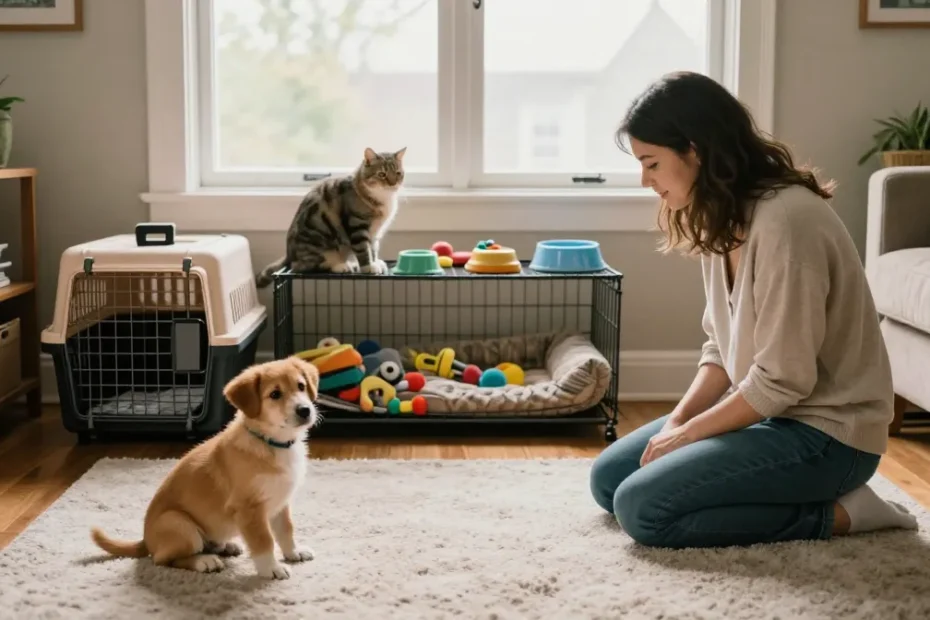
Welcoming a furry (or feathered) friend is thrilling, but it also comes with a learning curve. These six essentials will keep you sane, your pet safe, and your house not looking like a tiny tornado just visited. Let’s dive in and skip the rookie mistakes.
1. Start with a Realistic Routine You Can Actually Keep
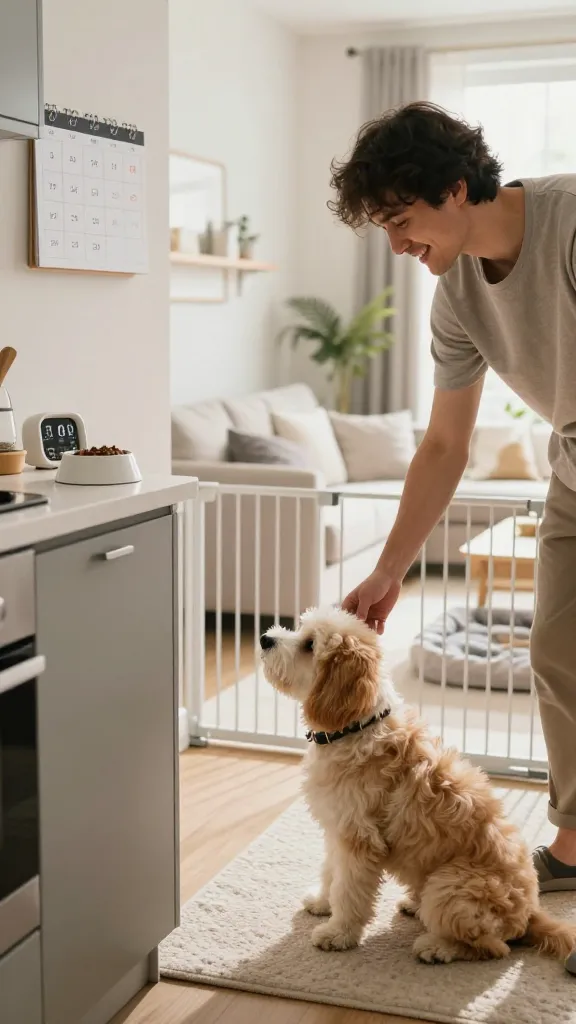
Consistency beats intensity when you’re juggling work, life, and puppy yawns. Establishing a routine helps your pet feel secure and reduces chaos during those first chaotic weeks.
When it sticks, your days become smoother, and blame-shifting becomes a myth. FYI, a simple schedule is your best friend.
Key Points:
- Set regular feeding times and potty breaks
- Schedule short training sessions daily
- Designate a quiet space for downtime
A steady rhythm minimizes stress for both of you and lays a foundation for good behavior. It also makes it easier to notice when something’s off, like a tummy ache or fatigue.
2. Invest in the Right Starter Gear (Without Breaking the Bank)
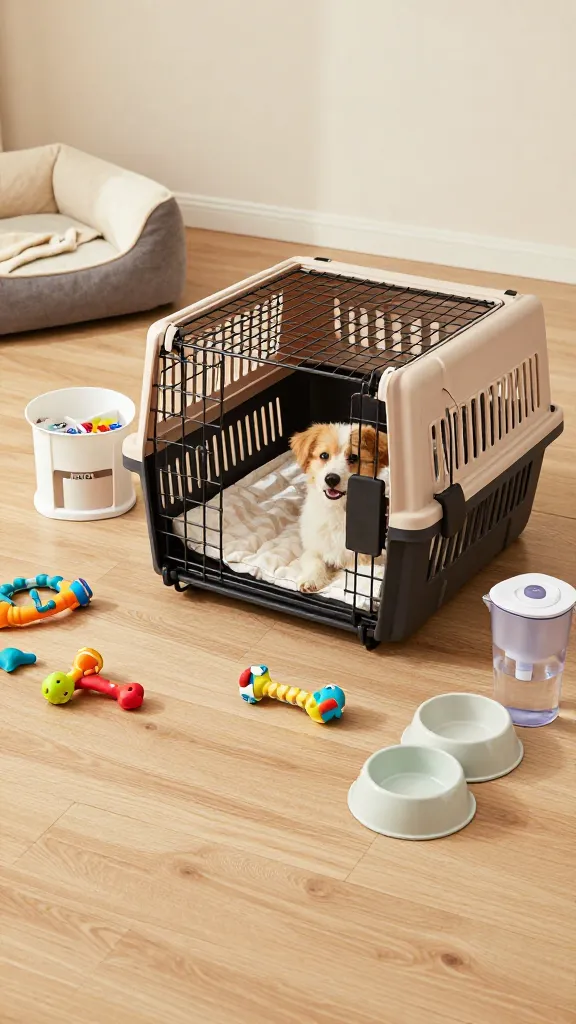
Gear matters more than you’d think. The right toys, a sturdy crate or litter box, and a comfy bed set the stage for happy days and surprisingly peaceful nights.
Yes, you can overdo it, but you can also under-prepare. IMO, quality basics save money in the long run and prevent embarrassing “oops” moments.
What to Buy (Smart Edition):
- A durable, appropriately sized crate or carrier
- Chew-friendly toys and puzzle feeders
- A cozy bed and washable blankets
- Leak-proof bowls and a simple water filter if you’re fancy
Start with the essentials, then add specialty items as you learn what your pet actually loves. Trust me, fewer things clutter means fewer things to trip over on 2 a.m. wake-up calls.
3. Learn to Read Their Cues (Because They’re Always Saying Something)

Pets communicate with body language louder than words. A waggy tail can mean joy, but a tucked tail might signal fear or pain you shouldn’t ignore.
Reading signals early prevents accidents, bites, and stressed pets. Seriously, the more you tune in, the more you’ll understand what they’re trying to tell you.
Common Signals to Watch For:
- Body relaxation vs. stiff posture
- Ear position and eye contact
- Yawning, lip licking, or reluctance to move
Notes on behavior: if your pet suddenly changes posture or pace, consider a vet check or a slower, more gentle approach to training. Your future self will thank you.
4. Nail Down Safe Spaces and Escape-Proofing (Bonus: It Saves Toys)
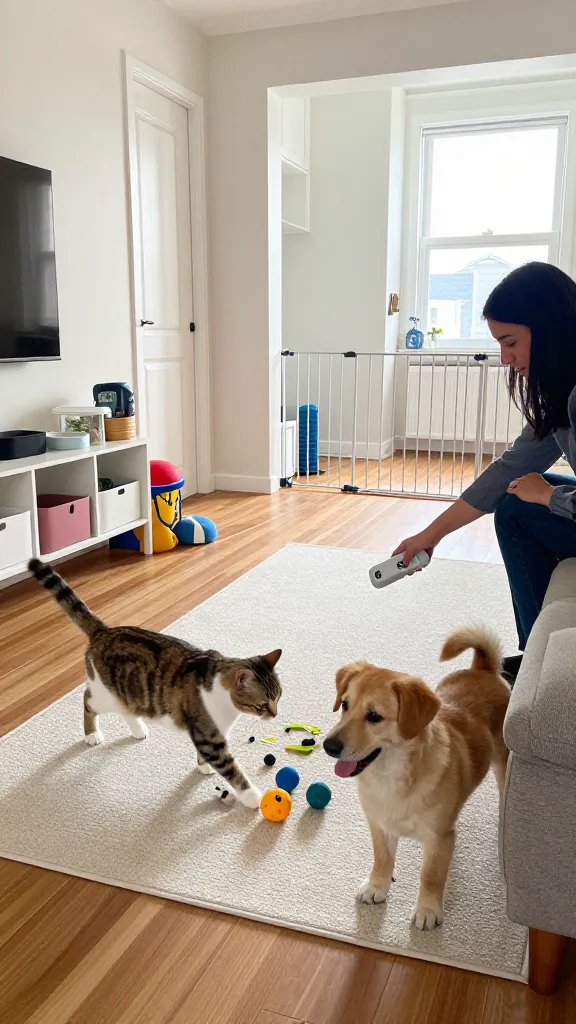
First-time pet homes often overlook safety. Kids, curious adults, and mischievous pets all test boundaries. A safer space means fewer dramatic rescue missions and fewer shattered favorites.
FYI, a little planning goes a long way. You’ll avoid drama and learning the hard way why you don’t leave a curious cat unsupervised near a balcony or a dog alone with a sock collection.
Safety Essentials:
- Pet-proofed rooms: cords tucked, small items stored
- Baby gates or closed doors to limit access
- Non-slip rugs and proper ventilation for crates
Benefits? Fewer accidents, calmer pets, and you keeping your favorite sneakers intact. Use the extra time to showcase their best behavior instead of chasing chaos.
5. Nutrition Isn’t One-Size-Fits-All (Know Your Pet’s Individual Needs)
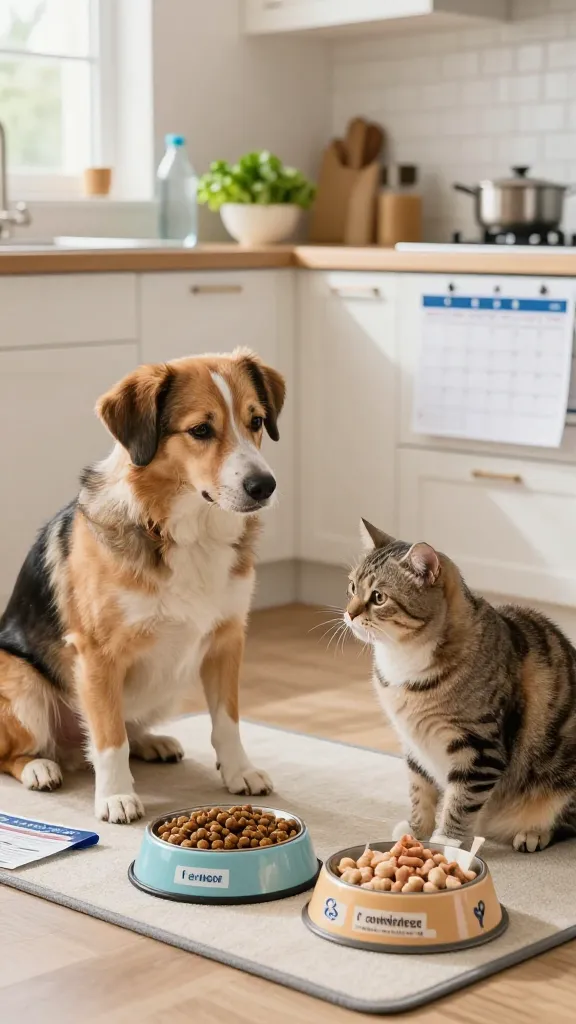
Food can be confusing, but it’s one of the biggest influences on energy, mood, and overall health. Start with a veterinarian-recommended diet and adjust as your pet grows.
There’s no “magical” universal kibble. Every pet has preferences and dietary needs that change with age, weight, and activity. Trust me, a good feeding plan saves vet bills later.
Tips for Smart Feeding:
- Choose age-appropriate formulas and monitor portion sizes
- Introduce new foods gradually to avoid digestive drama
- Keep fresh water accessible and rotate flavors slowly
Benefit: steady energy, a healthier coat, and less begging around the dinner table. When in doubt, ask your vet for a simple plan you can actually follow.
6. Build Basic Training with Positive Methods (No Harsh Rules)

Training isn’t a lecture; it’s a conversation. Use rewards, consistency, and short bursts to teach your pet the basics and prevent problem behaviors down the line.
Yes, you can teach a dog to sit and stay in just a few minutes a day. The key is consistency and keeping it fun—no one enjoys boring drill sessions, especially pets.
Core Training Ideas:
- Simple commands: sit, stay, come, leave it
- Gentle leash manners and crate etiquette
- Calm-down routines for overstimulated moments
End note: training pays off in safety, confidence, and a stronger bond. You’ll see progress fast if you stay patient and celebrate small wins.
Now that you’ve got these six essentials, you’re ready to tackle pet ownership with confidence and a sense of humor. Each item builds a foundation that makes the day-to-day of pet parenthood smoother and more joyful. FYI, your future self will be sending you grateful emojis.
Ready to start? Grab your gear, set your routine, and enjoy every goofy, adorable moment. You’ve got this, and your new best friend is counting on you to bring the fun—and the responsibility.
Explore iPet Choice
Discover helpful pet care tips, trusted product recommendations, and practical guides for dogs, cats, fish, and more.