Tiny paws, big personalities. That’s the deal with hamsters and guinea pigs. They don’t ask for much, but the right accessories turn “pet in a cage” into “happy little roommate.” If you’re staring at a pet store aisle wondering what’s actually worth buying, let’s cut the fluff and get to the gear that matters.
Homes That Don’t Feel Like Shoe Boxes
Your pet’s enclosure makes or breaks their life. You don’t need a palace, but you do need space and safety.
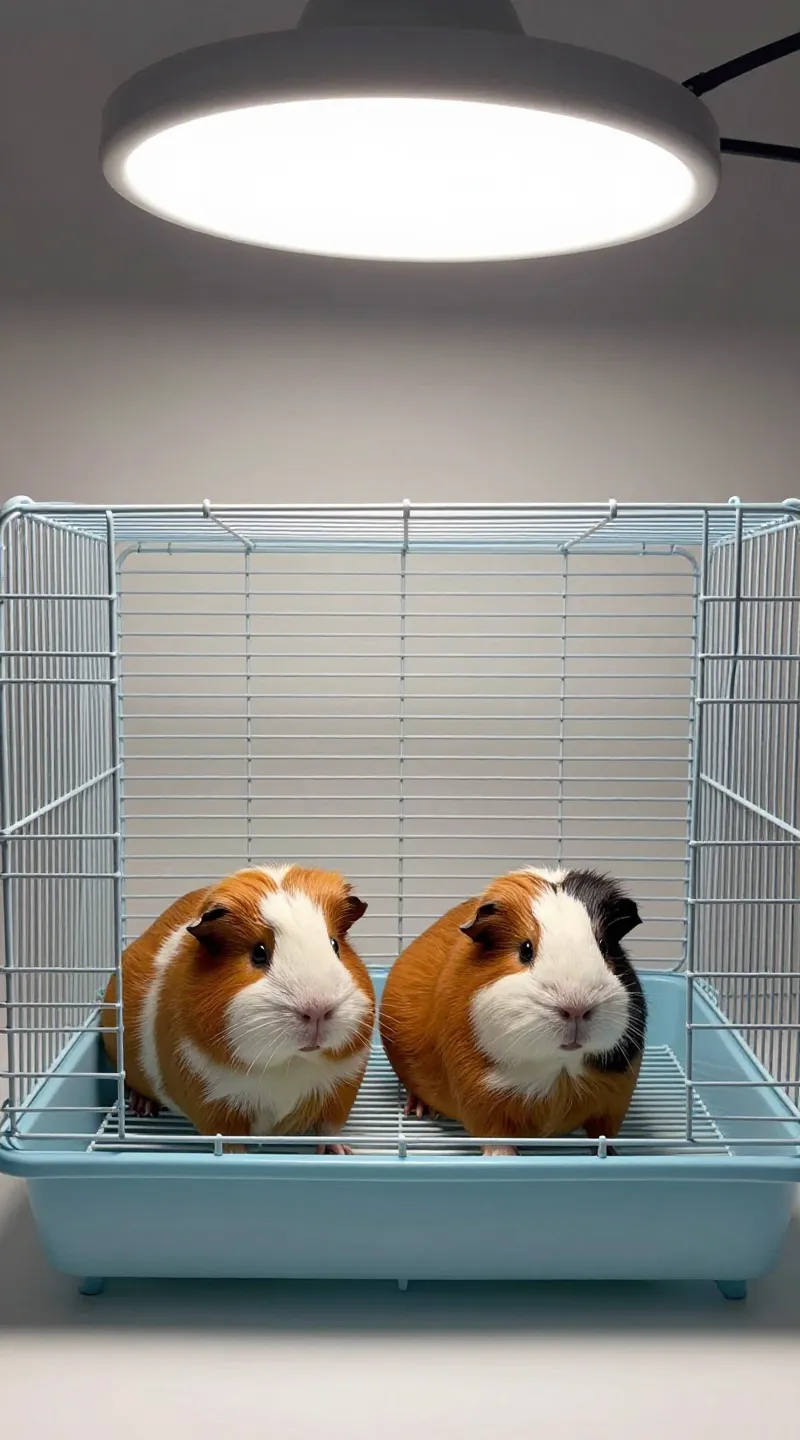
- Minimum space matters: For hamsters, aim for at least 600–800 square inches of continuous floor space. For guinea pigs, think big: 7.5–10.5 square feet for 1–2 pigs (C&C cages are your friend).
- Ventilation > plastic: Glass tanks with mesh tops can work for hamsters if large and well-ventilated. Guinea pigs need open-top or well-ventilated cages—no aquariums.
- Escape-proof doors and secure latches: Hamsters moonlight as locksmiths. Guinea pigs? Less escape-y, more nosy.
Substrate & Bedding Basics
You need comfy, safe bedding your pet can dig, nest, or lounge in.
- Hamsters: Go deep—6 to 10 inches of paper-based bedding or aspen shavings for tunneling. Mix in shredded paper for extra fluff.
- Guinea pigs: Paper bedding or fleece liners work best. If you use fleece, wash it often and pair with absorbent layers underneath.
- Avoid: Cedar and pine with strong aromas. Those oils can irritate airways.
Wheels, Tunnels, and Floor Time Fun
Let’s be real: you can’t outrun a hamster. But you can give them the tools to burn that energy.
- Hamster wheels: Get a solid surface wheel—no wire rungs. Size matters: 8–12 inches for dwarfs, 10–12+ inches for Syrians to keep their backs straight.
- Guinea pig exercise: No wheels. They’re built different. Offer floor-time playpens and tunnels instead.
- Tunnels and hideouts: Cardboard tubes, wood tunnels, and fleece hideaways give both species safe places to zoom or chill.
Playpen Essentials
A good playpen = safe exploration.
- Use a foldable fence with a washable mat underneath.
- Add tunnels, hideouts, and scatter a few treats for foraging.
- Supervise like a hawk. You don’t want a hamster disappearing into a wall. FYI, they’re tiny ninjas.
Chew Toys and Gnaw-Approved Gear
Small pet teeth never stop growing. You either give them safe chew options or you give your wallet to your vet.
- Safe materials: Untreated wood (apple, aspen, birch), natural loofah, hay cubes, and plain cardboard.
- What to skip: Anything dyed, flavored, or with mystery glues. Hard mineral “chew” blocks? Meh. Sticks and toys work better.
- Enrichment style: Mix textures and shapes—bridges, chew sticks, wicker balls—to keep things interesting.
Comfort: Hideouts, Hammocks, and Nests

Every small pet needs a spot to feel invisible. It’s not drama, it’s survival instinct.
- Hamster hideouts: Small wooden houses, coconut shells, or multi-chamber hides to mimic burrows.
- Guinea pig hideouts: Larger shelters like wooden houses, fleece cozies, or plastic igloos with two exits (so nobody gets cornered).
- Hammocks: Fun for some guinea pigs, hit-or-miss for hamsters. Try and see if your pig is a lounger or a skeptic.
Nesting Material
- Hamsters: Offer plain, unscented shredded paper. They love building nests like cozy little architects.
- Avoid: Fluffy cotton nesting—it can tangle toes and cause issues if ingested.
Food, Water, and Foraging
Feeding isn’t just nutrition—it’s enrichment.
- Bowls vs. bottles: Heavy ceramic bowls keep pellets in place. For water, both species usually do well with bottles; some guinea pigs prefer a shallow bowl. Try both and pick what stays cleanest.
- Hay racks (guinea pigs): Mandatory. Guinea pigs need unlimited timothy or meadow hay. A rack keeps hay off the pee zone—everyone wins.
- Foraging feeders: Scatter food in bedding, use treat balls, or hide snacks in paper cups. It turns mealtime into a game.
Smart Treats
- Hamsters: Tiny bits of carrot, cucumber, or a sunflower seed or two. Keep it small—hamster tummies are not bottomless.
- Guinea pigs: Small portions of leafy greens like romaine, cilantro, or bell pepper. Avoid sugary fruits except as rare treats.
Cleaning Tools That Don’t Make You Hate Cleaning

You’ll clean more than you think. Make it easy so you actually do it.
- Spot-clean kit: Small dustpan, paper towels, pet-safe disinfectant, and a dedicated trash bin.
- Liners and mats: Fleece liners for pigs, scatter guards for hamster enclosures, and absorbent pads under water areas.
- Brush and comb: Short-haired guinea pigs need minimal grooming, but long-haired breeds appreciate a gentle daily brush.
Odor Control, the Honest Way
- Clean high-traffic areas daily. Replace bedding weekly (hamsters) or more often in pee corners (guinea pigs).
- Skip scented bedding. It masks smells but can irritate airways.
- Use a small air purifier near the room if needed. Your nose will thank you.
Health and Safety Add-Ons
The best accessory? The one that prevents problems.
- Nail clippers: Guinea pig nails grow quickly. Use small pet clippers and have styptic powder ready just in case.
- Scale: Weigh your pet weekly. Sudden drops flag issues early—IMO it’s the most underrated health tool.
- Play-safe chew mats: Grass mats protect sensitive feet and make nibbling constructive.
- Carrier: A small, secure carrier for vet trips and safe transfers. Ventilated, easy to clean, and not made of dreams and mesh.
Temperature and Lighting
- Keep the room between 65–75°F (18–24°C). Avoid drafts and hot windows.
- No heat lamps directly on cages. If the room runs cool, warm the space, not the animal.
- Maintain a day-night cycle. They don’t need fancy lights, just consistency.
Budget vs. Splurge: What’s Worth It?

You can keep things simple and still nail it. But a few upgrades earn their price tag.
- Splurge-worthy: A large, escape-proof cage; a silent, properly sized hamster wheel; quality fleece liners; a sturdy playpen.
- Save here: DIY cardboard toys, homemade tunnels, thrifted ceramic bowls (clean thoroughly), and simple hideouts.
- Skip: Gimmicky plastic “habitrails” that limit space, cotton nesting fluff, and those neon treat sticks glued together with mystery syrup.
FAQs
What size wheel does my hamster need?
Choose a wheel that keeps your hamster’s back straight while running. For dwarfs, 8–10 inches usually works. For Syrians, 10–12 inches or larger. Always pick a solid surface wheel—no wire rungs.
Do guinea pigs need toys?
Yes, just not the same kind as hamsters. Guinea pigs love tunnels, hideouts, hay-based chews, and foraging activities. Rotate a few items weekly to keep things fresh, FYI boredom leads to sass.
Can I use a hamster ball?
I don’t recommend it. Many hamsters dislike them, ventilation can be poor, and toes can catch in vent holes. A safe playpen with tunnels and hides gives them choice and control—IMO it’s kinder and more fun.
What’s the best bedding for odor control?
High-quality paper bedding works well for both species, paired with regular spot-cleaning. For guinea pigs, fleece liners with absorbent pads underneath reduce smell when you wash them frequently. Scented bedding only hides problems and can cause irritation.
How often should I clean the cage?
Spot-clean daily and do a deeper clean weekly. Replace soiled bedding, wash liners, and wipe surfaces with a pet-safe cleaner. Keep a routine and your nose—and your pet—will be happier.
Do I need a vet for small pets?
Yes. Find an exotics-savvy vet before you need one. Annual checkups help catch dental or weight issues early, and you’ll feel less panicked during emergencies. Future you will send a thank-you card.
The Final Take
Set up the big stuff right—spacious cage, comfy bedding, proper wheel or playpen—and the rest feels easy. Add chew toys, hideouts, and foraging feeders to turn every day into a mini adventure. Clean smart, watch their weight, and keep a good vet in your contacts. Do that, and your tiny roommate will live their best, squeaky life.
Explore iPet Choice
Discover helpful pet care tips, trusted product recommendations, and practical guides for dogs, cats, fish, and more.