You want your dog to sleep like royalty without turning your living room into a dog bed graveyard. Fair. The problem? Beds come in every shape, size, and buzzword-laden material. Let’s cut the fluff. Here’s how to pick the best dog beds for large dogs, small dogs, and seniors—without wasting money or your dog’s patience.
What Actually Matters in a Dog Bed
You can ignore half the marketing jargon. Focus on the stuff that actually affects comfort and durability.
- Support and foam quality: Look for high-density memory foam or orthopedic foam for big and senior dogs. Polyfill alone compresses fast and turns into a pancake.
- Size and shape: Dogs that curl love donut or bolster beds. Stretchers and sprawlers need flat mattresses with room to flop.
- Washability: Removable, machine-washable covers save your nose and your sanity.
- Temperature control: Cooling gel foam or breathable fabrics help hot sleepers; plush sherpa or faux fur helps cold pups.
- Non-slip base: Especially for seniors who shouldn’t surf across hardwood floors.
- Chew resistance: No bed is “indestructible” (lol), but tough fabrics and hidden zippers help.
Best Beds for Large Dogs (Big Heads, Bigger Dreams)
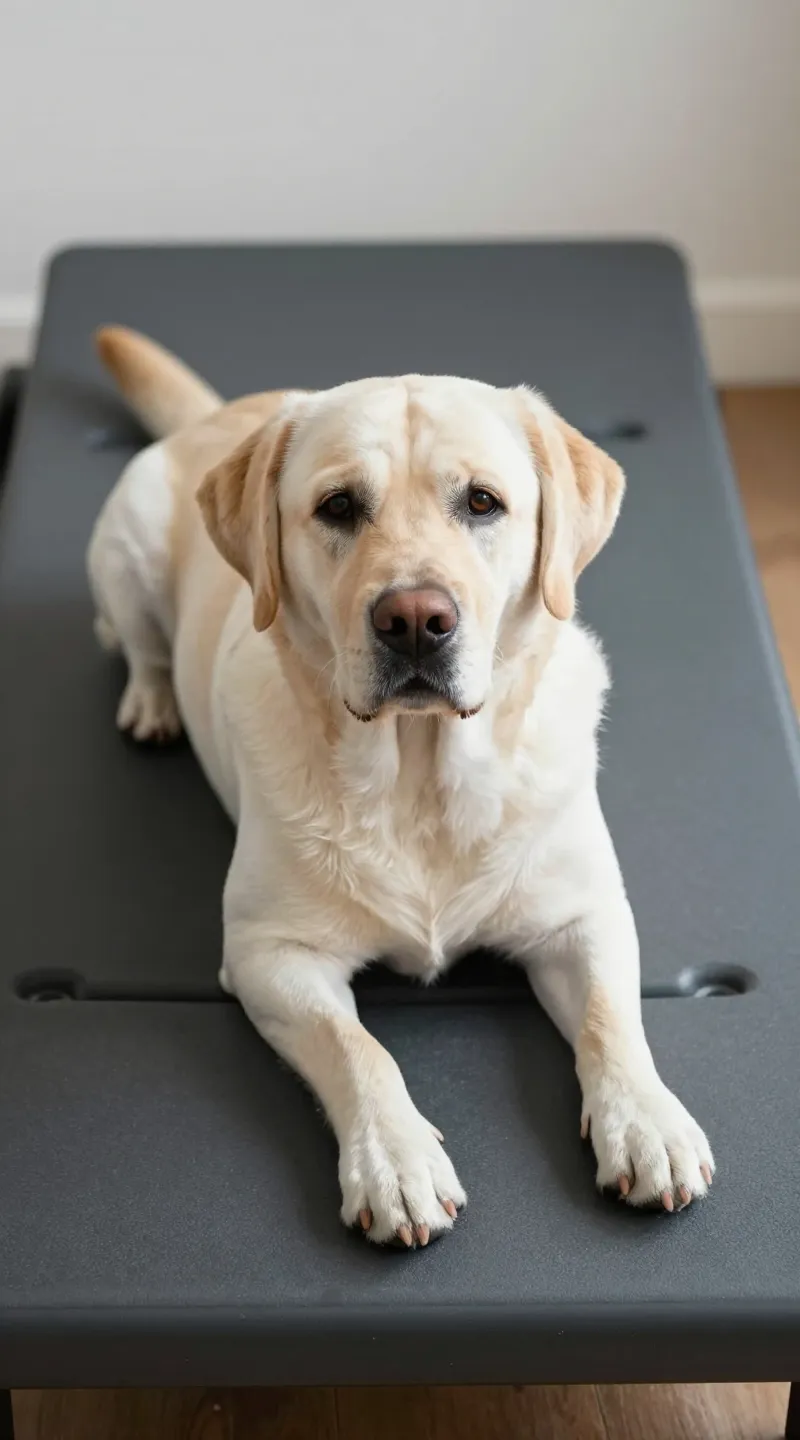
Large breeds put serious pressure on joints, so flimsy beds won’t cut it. You need real support and space to sprawl.
- Orthopedic mattress beds: Look for 4–6 inches of foam, ideally a base layer of high-density support foam topped with memory foam. This combo prevents sinking to the floor.
- Bolster beds: Great for giant cuddle-monsters who want a headrest. Make sure the center is flat and firm, not just squishy stuffing.
- Elevated cots: Perfect for hot-natured big dogs and outdoor use. They reduce pressure points and keep airflow going.
Key Features for Big Pups
- True-to-size dimensions: XL should mean 45″+ in length for most large breeds. Check the inner sleep surface, not just outer dimensions.
- Weight rating: Beds should specify support for 80–150 lb dogs. If they don’t say, assume it’s not built for heavyweights.
- Zipper quality: Oversized zippers and sturdy seams = longer lifespan.
Best Beds for Small Dogs (Tiny Body, Big Opinions)
Small pups run cold and often crave cozy, enclosed spaces. They also love burrowing like they’re auditioning for a mole role.
- Donut or bolster beds: The raised edges make them feel safe and supported. Ideal for curlers and nervous nellies.
- Burrow beds (with a blanket hood): A must for Chihuahuas and other cold gremlins. Warm, snuggly, adorable.
- Soft foam or plush filling: Small dogs don’t need super dense foam unless they have joint issues. Comfort beats rigidity here.
Pro Tips for Small-Dog Comfort
- Pick the right size: Smaller beds feel cozier and help retain heat. Don’t size up “just because.”
- Low entry: Tiny legs appreciate beds they can step into without leaping like Olympians.
- Washable fluff: Choose beds that keep shape after washing. Cheap plush turns into lumpy oatmeal fast.
Best Beds for Senior Dogs (Old Bones, New Comfort)

Senior dogs deserve cushy, joint-loving support. Whether they’re arthritic or just creaky, the bed must make moving easier.
- Orthopedic memory foam: A must. It relieves pressure points and supports hips and elbows.
- Low-profile or 3-sided bolster: Seniors need easy entry and a supportive edge for their head and neck.
- Non-slip base and waterproof liner: Prevent slips and protect the foam from accidents or drool (we don’t judge).
Special Considerations for Seniors
- Temperature regulation: Consider cooling gel for hot sleepers, or a heated pad (vet-approved) for stiff joints in winter.
- Firmness balance: Too soft makes standing tough; too hard isn’t comfy. Aim for medium-firm with contouring.
- Edge support: Beds that don’t collapse at the edges make it easier to get up.
Materials 101: Foam, Fill, and Fabrics (No Snoozefest)
Let’s translate the labels you see everywhere.
- Memory foam: Contours to joints; great for large and senior dogs. Look for 3–5 lb density foam in multi-layer builds.
- Orthopedic foam: Usually high-density support foam. Better for structure and weight distribution.
- Polyfill: Fluffy and cozy, but compresses quickly. Fine for small dogs; not ideal for big or old ones.
- Egg-crate foam: Budget-friendly with some airflow; less durable than solid foam.
- Cooling gel foam or mesh: Helps dissipate heat—clutch for thick-coated breeds.
- Cover fabrics: Microfiber and canvas are durable; faux fur is cozy; ripstop or ballistic nylon helps light chewers.
Shapes and Styles: Match the Bed to the Sleeper

Your dog’s sleep style tells you exactly what to buy. Watch them for a day—free intel!
- The Curler: Donut or high bolster bed.
- The Sprawler: Flat rectangular mattress with room to stretch.
- The Leaner: Bolster on at least one side for chin support.
- The Burrower: Cave-style bed or hooded blanket bed.
- The Hot Potato: Elevated cot or breathable cover fabric.
Where to Put the Bed
- Away from drafts but not in isolation. Dogs want to be near you, not banished to the laundry room (rude).
- Non-slip surface: Add a rug or mat under the bed for traction.
- Multiple beds: One in the living area, one in the bedroom—IMO it reduces couch takeovers.
Care, Cleaning, and Longevity (Because Funk Happens)
Good news: you can keep a dog bed clean without losing your mind.
- Removable covers: Wash every 2–4 weeks, more during shedding season. Use gentle detergent; skip fabric softener (it clogs fibers).
- Waterproof liners: They protect foam from accidents and extend lifespan.
- Vacuum regularly: Fur and dander build up fast; a quick vacuum boosts hygiene and reduces smell.
- Rotate the bed: Flip foam when possible to prevent permanent dips.
Budget vs. Premium: Where to Spend

You don’t need the most expensive bed on the internet, but you should invest where it counts.
- Spend more on: Orthopedic foam for large and senior dogs, durable covers, waterproof liners.
- Save on: Small dog beds without heavy foam, extra covers vs. entire new beds, elevated cots for outdoor use.
- Avoid: Beds that don’t list foam density or internal layers. If they’re vague, there’s a reason. FYI.
FAQs
What size bed should I get for my dog?
Measure your dog from nose to base of tail while they sleep in their favorite position. Add 6–12 inches for stretch. Large dogs often need 40–48 inches in length; giant breeds can go beyond 50 inches. When in doubt, size up for sprawlers and down for snugglers.
Do orthopedic beds really help?
Yes. Orthopedic foam reduces pressure on joints and keeps big or older dogs from bottoming out. You’ll often see better mobility after naps and fewer “stiff” first steps. IMO, if your dog is over ~60 lb or 7+ years old, go orthopedic.
How often should I replace a dog bed?
Replace when the bed sags, the foam stays compressed, or your dog avoids it. For good-quality beds, expect 2–4 years; premium orthopedic beds can last longer with a cover refresh. Covers usually wear out faster than foam—replacing them can buy you extra time.
What if my dog chews everything?
Look for tough fabrics (canvas, ripstop, ballistic nylon), hidden zippers, and no dangling tags. Elevated cots survive chewers better than plush beds. Also, add chew toys and supervise at first—no bed survives a determined teether, FYI.
Can one bed work for both hot and cold seasons?
Yes, with the right setup. Choose a medium-firm foam base and swap covers: breathable in summer, plush in winter. You can also add a cooling mat on top in warm months and a fleece throw when it’s cold.
Are elevated beds good for seniors?
Sometimes. Elevated cots help with airflow and pressure points, but the height can challenge dogs with mobility issues. If you choose one, pick a low cot with a non-slip surface and consider a ramp or mat nearby.
The Bottom Line
Pick the bed that matches your dog’s size, sleep style, and age—then focus on real support and easy cleaning. Big dogs and seniors thrive on orthopedic foam. Small dogs love bolsters and burrow styles. Everyone benefits from washable covers and a smart spot in the house. Do that, and your dog will snooze hard, your furniture will survive, and you’ll feel like a pet-parenting genius. IMO, that’s a win.
Explore iPet Choice
Discover helpful pet care tips, trusted product recommendations, and practical guides for dogs, cats, fish, and more.