Crystal-clear aquarium water doesn’t magically happen because you whispered sweet nothings at your tank last night. It takes the right gear, a bit of know-how, and yes, some light maintenance. The good news? You don’t need a lab coat or a degree in micro-biology. You just need a few clutch accessories that do the heavy lifting while you enjoy the view.
The Filter: Your Tank’s Unsung Hero
Your filter does more than snag floating gunk. It manages the tank’s biological balance, which keeps your fish from swimming in their own bad decisions. Not glamorous, but absolutely vital.
Three stages to look for:
- Mechanical: Sponges or floss trap debris. Think of this as your tank’s lint roller.
- Biological: Porous media hosts beneficial bacteria that convert toxic ammonia and nitrite into less harmful nitrate.
- Chemical: Activated carbon or special resins remove odors, discoloration, and specific contaminants.
Filter types that work:
- Hang-on-back (HOB): Easy to maintain, great for small to mid tanks. IMO the best starter option.
- Canister: Powerhouse filtration for larger tanks or heavy stocking. Quiet, customizable, and worth the setup.
- Internal/Sponge: Perfect for shrimp or fry tanks where gentle flow rocks.
Pro tip: Over-filter (a little)
Buy a filter rated slightly above your tank size. You’ll get better flow, cleaner water, and more biological capacity. Just don’t blast your betta with a whitewater rapid.
Filter Media That Actually Works
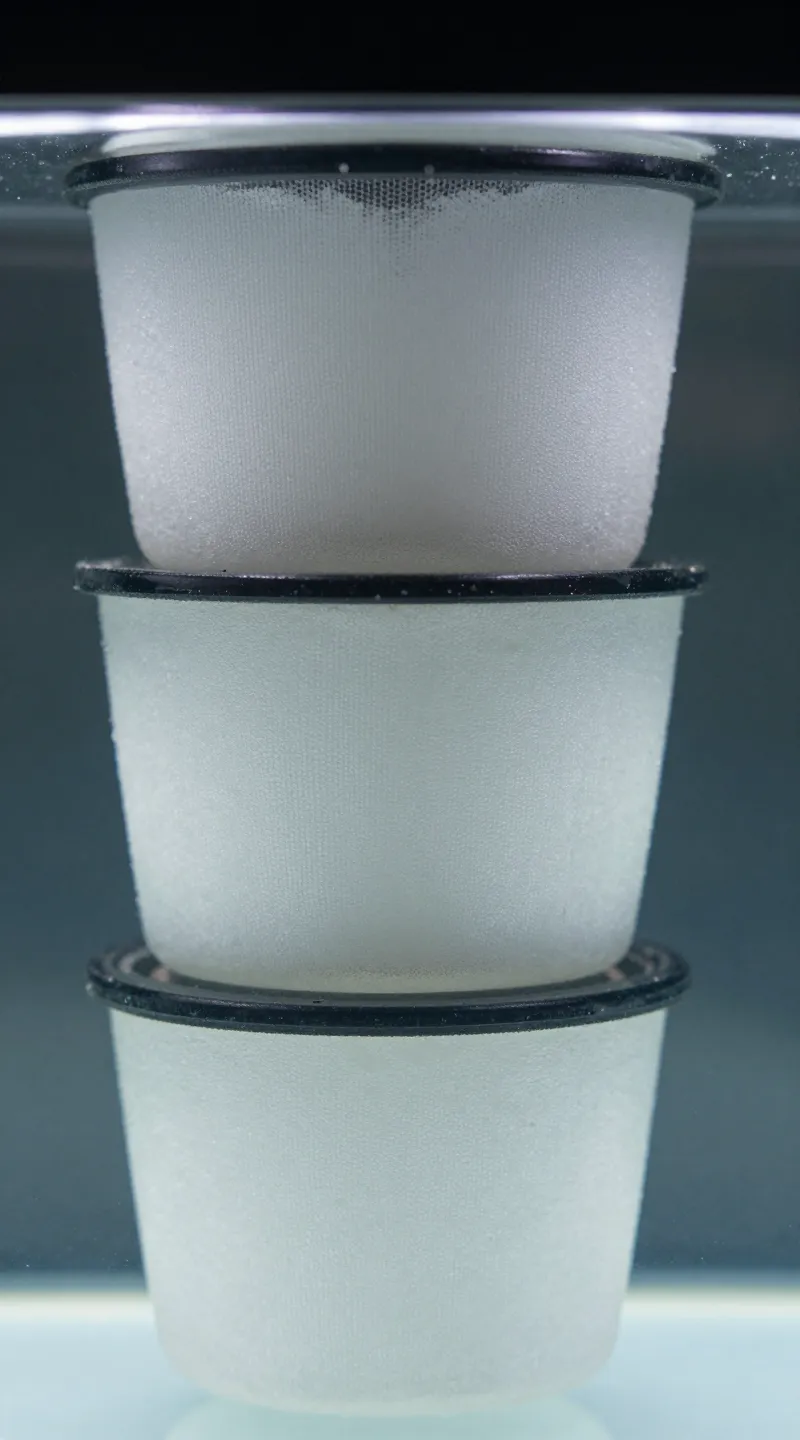
The media you stuff in your filter matters. The included “all-in-one” cartridges? Fine to start, but you’ll outgrow them faster than your guppy colony.
Essential media lineup:
- Sponge/Floss: Cheap, reusable, and solid at trapping fine particles. Rinse in tank water, not tap.
- Bio Media (ceramic rings, sintered glass): Massive surface area for bacteria. This is your tank’s immune system.
- Activated Carbon: Great for polishing water and removing meds or smells. Replace every 3-4 weeks.
- Phosphate/Nitrate Resins: Target algae fuel. Use if you struggle with algae or overfeeding.
- Purigen/Poly-Filter: Water-polishing legends. IMO an excellent upgrade if you want sparkling water.
Media arrangement matters
Go from coarse to fine so water doesn’t bypass the good stuff. Typical order: sponge/floss -> bio media -> chemical media last.
Water Conditioners: The Instant Lifesaver
Tap water comes loaded with chlorine or chloramine, and heavy metals sometimes tag along. Your fish hate those. A good conditioner neutralizes them instantly.
Look for:
- Chlorine/Chloramine neutralizer
- Ammonia binder (especially useful for new tanks or emergencies)
- Detox for heavy metals
FYI: Don’t overdose wildly. Most conditioners have a margin of safety, but read the label so you don’t play chemist when you don’t need to.
Gravel Vacuums: The Unsung Cleanup Crew

Detritus and leftover food sink into your substrate, and no, your catfish won’t eat all of it. A gravel vacuum lets you siphon gunk while doing water changes, which keeps water clear and bacteria happy.
Two solid options:
- Manual siphon vac: Cheap, effective, and oddly satisfying to use.
- Power vac: Good for big tanks or folks who hate siphons. Costs more, saves time.
How often to vacuum?
Weekly for most community tanks. Lightly stocked or heavily planted setups can go every two weeks. If you see mulm clouds when you touch the gravel, it’s time.
Heaters, Thermometers, and Why Temperature Clarity = Water Clarity
Fish stress leads to more waste, more disease, and murkier water. Stable temperature keeps stress low and your bio-filter happy.
What to use:
- Reliable heater: Aim for 3–5 watts per gallon for most tropical tanks.
- Digital thermometer: Instant reads and fewer surprises.
- Controller (optional): For pricey fish or larger tanks, a controller prevents heater failures from ruining your day.
Goldfish or unheated tanks?
You still want a thermometer. Room temps swing more than you think, and yo-yo temps mean cloudy water and cranky fish.
Surface Skimmers and Flow Tweaks

Scummy film on the surface blocks oxygen exchange and makes your tank look tired. A small surface skimmer gobbles that film and boosts clarity.
Adjust your flow:
- Spray bars or directional nozzles spread flow evenly and keep debris moving toward the filter.
- Powerheads help in larger tanks to prevent dead zones where detritus collects.
- Baffle kits tame flow for delicate fish like bettas.
IMO, a tiny skimmer on a planted tank is a cheat code for glassy, magazine-cover water.
Lights and Algae Control: It’s Not Just Aesthetic
Too much light plus excess nutrients equals green soup. You can win this battle with smart lighting and nutrient control.
Must-haves:
- Programmable LED light: Set 6–8 hour photoperiods. Ramp up slowly to avoid algae bloom season.
- Timer: If your light isn’t programmable, a cheap outlet timer works wonders.
- Algae scraper or magnetic cleaner: Instant glass glow-up.
When to use algae eaters?
They help, but they won’t fix bad maintenance. Add them after you dial in lighting and nutrients, not before.
Bacteria Starters and Test Kits: Clarity from Chemistry

You can’t see ammonia or nitrite, but your fish can definitely feel them. Keep things honest with test kits and seed your tank with the right bacteria.
Helpful tools:
- Liquid test kit (ammonia, nitrite, nitrate, pH): Strips are convenient, but liquid kits read more accurately.
- Bacteria supplement: Kickstarts new tanks or stabilizes filters after deep cleaning.
- TDS meter (optional): Great for planted or shrimp tanks to monitor dissolved solids.
What numbers to aim for?
- Ammonia: 0 ppm
- Nitrite: 0 ppm
- Nitrate: Under 20–40 ppm for most community tanks
If your nitrate creeps up, step up water changes or add live plants to help mop it up.
Bonus Polishing: UV Sterilizers and Water Clarifiers
Got pea soup water or recurring bacterial blooms? A UV sterilizer zaps free-floating algae and pathogens as water passes through. It won’t replace a good filter, but it’s an excellent problem-solver for stubborn haze.
Water clarifiers:
These products clump tiny particles so your filter can catch them. Use sparingly and only after you check your mechanical media and flow. Clarifiers fix symptoms, not causes—kind of like wearing sunglasses in a messy room.
Maintenance Gear That Makes Life Easier
You can’t have clean water without consistent maintenance. Make it easy so you actually do it.
Handy accessories:
- Auto top-off (ATO) for evaporation: Keeps salinity stable in brackish/marine and prevents filter waterfalls in freshwater.
- Bucketless water change system: Hooks to a faucet and turns 45 minutes of chaos into a 15-minute vibe.
- Fine filter floss: Cheap polishing media for crystal clarity before guests come over.
- Spare impeller and O-rings: Filters fail when a $5 part gives up. Keep backups.
Quick weekly checklist
- Test ammonia, nitrite, nitrate.
- Change 25–35% water and treat with conditioner.
- Vacuum substrate where needed.
- Rinse filter sponges in tank water.
- Wipe glass and tidy plants/hardscape.
FAQ
How often should I clean my filter?
Every 2–4 weeks for most setups. Rinse sponges and mechanical media in a bucket of tank water, not tap water, to preserve beneficial bacteria. Replace chemical media on schedule, but keep bio media running long-term.
Do I need both carbon and bio media?
Yes, but they do different jobs. Bio media handles ammonia and nitrite, which keeps fish alive. Carbon polishes water and removes odors or meds. If you must pick one, prioritize bio media and good mechanical filtration.
Why is my water cloudy after a water change?
You likely stirred up detritus or triggered a bacterial bloom. It usually clears within a day or two. Check your filter flow, avoid overfeeding, and make sure your mechanical media isn’t clogged.
Are UV sterilizers safe for planted or shrimp tanks?
Totally. UV only affects what passes through the unit; it won’t nuke your beneficial bacteria in the filter or harm plants/shrimp. Run it a few hours a day or continuously during problem periods.
What’s the best substrate for clean water?
Anything you can vacuum without it turning into a dust storm. Larger gravel traps more gunk, while fine sand needs gentle siphoning. For planted tanks, use plant-specific substrates and light vacuuming at the surface.
Can I skip water changes if I use lots of media and plants?
Nice try. Even with heavy filtration and plants, dissolved organics build up. Regular water changes reset the system and keep everything sparkling. Think of it as a spa day for your fish.
Conclusion
Clean, clear water doesn’t require sorcery—just the right combo of filtration, smart media, conditioners, and routine maintenance. Add helpful extras like a gravel vac, surface skimmer, and test kit, and your tank will practically flex on your guests. Keep it simple, stay consistent, and enjoy the view. FYI: your fish will thank you by not giving you the silent treatment from behind a foggy pane.
Explore iPet Choice
Discover helpful pet care tips, trusted product recommendations, and practical guides for dogs, cats, fish, and more.