Your dog stares at you with those “I’m bored” eyes, and the weather says, “lol, stay inside.” No problem. You can burn off energy, spark your pup’s brain, and avoid couch-destroying chaos without stepping outside. Let’s turn your living room into a doggy amusement park—minus the sticky floors and overpriced snacks.
Interactive Food Games That Work Their Brain
Food motivates almost every dog. Use that power for good. Puzzle feeders, snuffle mats, and DIY treat hunts keep your dog busy while teaching patience and problem-solving.
- Snuffle mats: Sprinkle kibble or small treats into the fabric strips and let your dog forage. It scratches that natural “nose to ground” itch.
- Slow feeders/puzzle bowls: They stretch mealtime and engage the brain. Perfect for fast eaters who inhale their food like a vacuum.
- DIY muffin tin puzzle: Drop treats in a tin, cover some holes with tennis balls, and let your dog puzzle it out.
- “Find It” game: Ask your dog to sit, show a treat, hide it under cups or around a room, and release them to hunt. Start easy, then level up.
Pro Tips for Food Puzzles
- Begin with low difficulty so your dog learns the game and doesn’t get frustrated.
- Use high-value rewards for tougher puzzles: small bits of cheese, freeze-dried liver, or a favorite treat.
- Keep sessions short and end on a win. Confidence fuels learning.
Brain-Boosting Training Sessions (Short and Spicy)
Training doesn’t need to feel like school. Five-minute bursts of focused work wear out your dog more than you think. You’ll sharpen manners and build your bond—win-win.
- Refine basics: Sit, down, stay, leave it, come. Use hand signals to boost focus.
- Teach fun tricks: Spin, roll over, bow, high-five, tidy up toys. Yes, “clean up” actually works.
- Impulse control: Practice waiting at doors, eye contact on cue, and polite toy/treat takes.
Make Training into a Game
- Rapid-fire reps: 5–10 micro-reps with instant rewards keep it zippy.
- Random jackpots: Surprise big rewards for extra-good reps. Your dog will try harder.
- Use a marker word or clicker: It makes communication crystal clear.
Indoor Obstacle Courses and DIY Agility
You don’t need fancy gear. You just need creativity and maybe a living room you’re willing to rearrange a bit. Build a mini course to channel that zoomies energy.
- Tunnels: Drape a blanket over two chairs.
- Jumps: Broom on books for low, safe heights.
- Weave poles: Line up water bottles or cones.
- Balance work: Cushion or folded blanket for core strength.
Safety First
- Keep jumps low, especially for puppies or senior dogs.
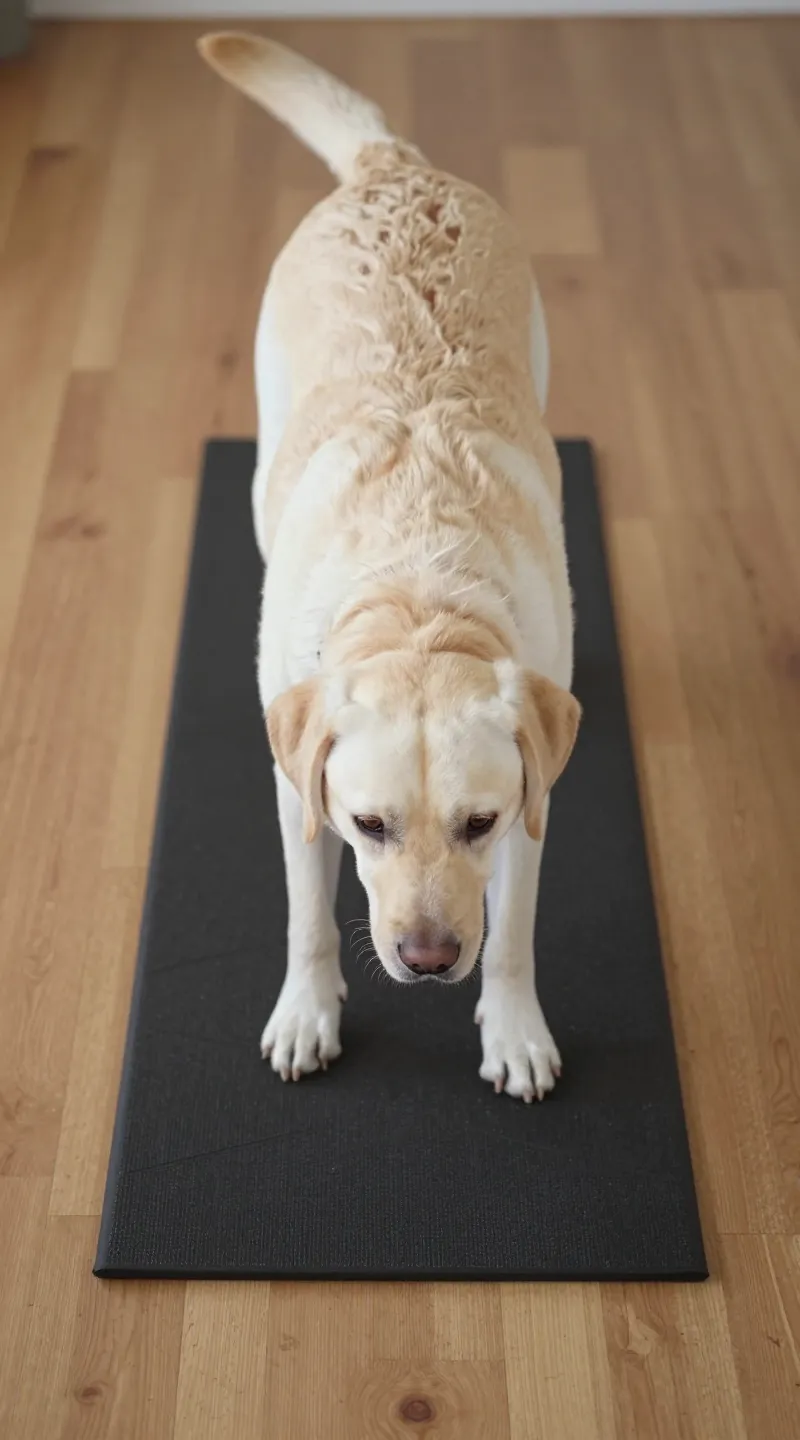
- Use non-slip surfaces. Rugs or yoga mats save joints (and dignity).
- Guide with a treat lure at first, then fade the lure into hand signals.
Enrichment Toys That Actually Deliver

Some toys are hype. Others are miracles in rubber and nylon. Rotate your dog’s toys so they feel new without buying out the entire pet store.
- Stuffable chew toys: Fill with wet food, yogurt, bananas, or canned pumpkin. Freeze for extra challenge.
- Topple and roll dispensers: They release kibble as your dog nudges and bats them around. Think: snack + strategy.
- Snuffle balls: Like a snuffle mat, but round. Dogs chase and forage at once.
- Durable chews: Choose safe, size-appropriate options. Chewing calms nerves and relieves boredom.
How to Stuff Like a Pro
- Layer: dry kibble at the bottom, sticky mix in the middle, one big treat at the opening.
- Freeze overnight for power chewers or long meetings. FYI, this is your WFH savior.
- Wash and inspect toys regularly for wear. Safety > vibes.
Scent Work: Let the Nose Lead
A tired nose equals a tired dog. Scent games tap into their natural superpower and build calm focus. IMO, it’s the most underrated indoor activity.
- Box search: Set out 4–6 boxes. Hide a treat in one. Let your dog sniff and indicate. Celebrate like they found buried treasure.
- Clove or anise scent: For advanced teams, use scent kits and teach a target odor. It’s like detective training—but cuter.
- Person hide-and-seek: Have someone hide in another room. Cue “Find!” Watch the tail radar lock in.
Leveling Up the Nose Work
- Increase difficulty: more boxes, different rooms, higher hiding spots.
- Change surfaces: carpet, tile, wood. New scents mean new challenges.
- Reward with jackpots when they work tough problems. Confidence skyrockets.
Calm-Down Activities for the Chaos Gremlin

Not every indoor session needs to be hype central. Balance high-energy games with activities that teach your dog to settle.
- Mat training: Teach “go to mat” and reinforce calm laying down. Bring the mat to cafes or friends’ houses later.
- Lick mats: Spread peanut butter, yogurt, or canned food. Licking soothes and reduces stress.
- Massage and brushing: Short grooming sessions build trust and body awareness.
- Calming chews or long-lasting bones: Choose vet-approved options and supervise.
Structured Settle Routine
- Play or train for 10–15 minutes.
- Offer a stuffed toy or lick mat on their bed.
- Reward quiet behavior. Keep your own energy calm. Dogs mirror us—annoying but true.
Games for Rainy-Day Zoomies
When your dog needs to move but your walls beg for mercy, try these high-energy, low-impact options.
- Tug with rules: Ask for a sit before starting. Teach “take it” and “drop.” It’s exercise and manners in one.
- Fetch-down-the-hall: Short throws, soft toys. Add a “wait” for impulse control.
- Two-toy switch: Keep two identical toys. Toss one, call back, trade for the second. Prevents keep-away shenanigans.
- Stair sprints (if safe): Toss a toy up a few steps. Great workout, but keep it controlled and skip if your dog has joint issues.
Make a Weekly Indoor Game Plan

Consistency beats random bursts. Create a simple rotation so your dog stays engaged—and you don’t burn out.
- Monday: Puzzle feeder + 5-minute trick session.
- Tuesday: Scent boxes + tug with rules.
- Wednesday: DIY agility + mat training.
- Thursday: Hide-and-seek + lick mat calm-down.
- Friday: Two-toy fetch + impulse control drills.
- Weekend: Longer stuffed-toy session + grooming and chill.
Track What Works
- Note which activities your dog loves and which ones flop. Adjust.
- Balance mental and physical work daily for a happier dog.
- Rotate toys weekly to keep the novelty high. IMO, novelty is half the magic.
FAQ
How long should indoor activities last?
Aim for 10–20 minutes per activity, then switch. Most dogs focus better with short, varied sessions. You can stack 2–3 activities across the day instead of one marathon.
What if my dog gets frustrated with puzzles?
Lower the difficulty and help them win. Use easier treats, leave puzzle openings wider, and guide with your hands. End with a success and build slowly. Confidence first, challenge second.
Can puppies do these activities?
Yes, with tweaks. Keep sessions super short, skip high-impact jumps, and focus on scent games, gentle tug, and very easy puzzles. Prioritize rest—puppies need a lot of sleep to grow and learn.
How do I keep a high-energy dog busy indoors?
Mix cardio with brain work. Try hallway fetch, tug with rules, and fast-paced training, then follow with a stuffed chew or mat settle. That combo drains both body and mind, which equals fewer zoomies at bedtime.
Are enrichment toys worth the money?
The good ones are. Start with one or two durable, stuffable toys and a puzzle feeder. Rotate them and use the freezer trick. FYI, you’ll probably recoup your investment in saved shoes and intact baseboards.
Conclusion
You don’t need a backyard to give your dog a great day—you just need a plan and a few props. Mix food games, training, scent work, and calm-down activities, and rotate them like a playlist. Your dog will nap harder, behave better, and stare at you like the fun parent. And honestly? You’ll have more fun too.
Explore iPet Choice
Discover helpful pet care tips, trusted product recommendations, and practical guides for dogs, cats, fish, and more.