You set down a full bowl of kibble… and it moonwalks across your kitchen like it’s auditioning for a music video. Your dog or cat attacks it like a tiny, adorable bulldozer, and suddenly dinner’s on tour. Let’s fix that. Non-slip pet bowls keep the mess in one place, save your floors, and spare your sanity. Here’s how to pick the best ones without overthinking it.
Why Non-Slip Bowls Actually Matter
You’re not just avoiding noise and chaos. You’re also preventing spills that can lead to sticky floors, ants, and unhappy pets. Non-slip bowls help anxious or enthusiastic eaters feel more secure. They also reduce whisker stress and keep water from sloshing onto your baseboards. Win-win.
Bottom line: Non-slip bowls mean less mess, safer footing, and a calmer mealtime. And yes, possibly fewer mop-related workouts.
Key Features That Make a Bowl Truly Non-Slip
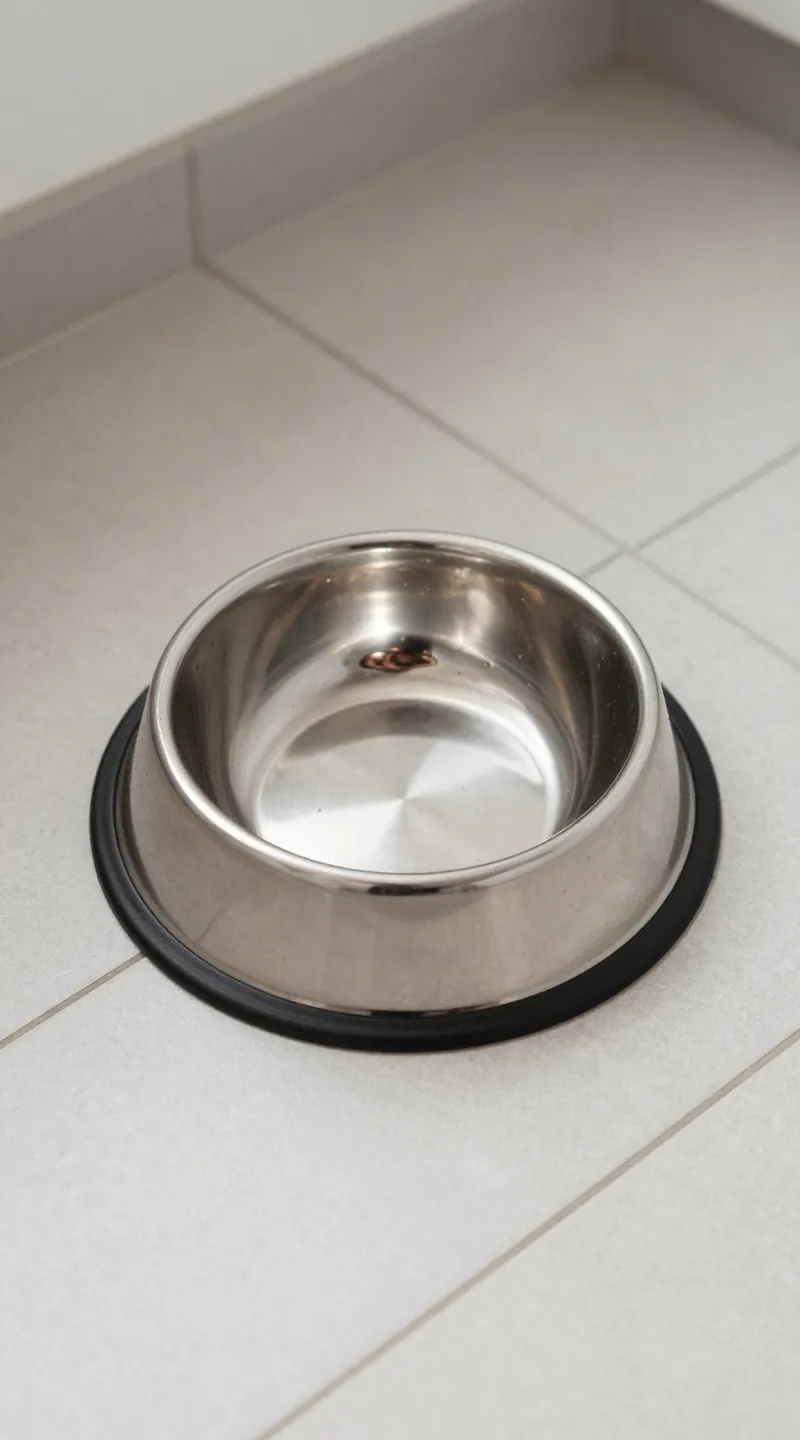
Not all rubber rings are created equal. Some peel, some harden, and some… do nothing. Look for these features:
- Grippy base materials: Silicone or thick rubber rings work best. Full silicone mats or weighted silicone bowls? Even better.
- Weight and shape: Heavier bowls slide less. Wider bases beat tall, narrow ones every time.
- One-piece designs: Fused or molded bases don’t pop off in the dishwasher (or during chew sessions).
- Floor compatibility: If you have slick tile or polished wood, go extra grippy with silicone. For textured floors, a rubber ring often suffices.
- Easy cleaning: Dishwasher-safe and bacteria-resistant materials (stainless or ceramic with a quality glaze) keep things hygienic.
Materials: Pros and Cons
- Stainless steel: Durable, light-to-medium weight, dishwasher-safe, odor-resistant. Add a silicone base or mat for grip.
- Ceramic: Heavy, stable, stylish. But it can chip if dropped and needs a non-slip bottom or mat.
- Silicone: Excellent grip, quiet, often one-piece. Can retain odors if not cleaned well, but IMO it’s a top pick for slippery floors.
- Plastic: Cheap and lightweight, but scratches easily and can harbor bacteria. If you go plastic, prioritize BPA-free and a strong silicone base.
Best Types of Non-Slip Bowls (And When to Use Them)
Not every pet eats the same way. Match the bowl to your furry friend’s “dining style.”
For enthusiastic eaters
Use weighted stainless steel or ceramic with a wide, rubberized base. If your dog bulldozes like a champ, a silicone mat under a heavy bowl adds double grip.
For cats who hate mess and whisker stress
Look for shallow, wide bowls with a silicone base or a non-slip tray. Cats despise deep bowls that press on their whiskers, FYI.
For sloshy water drinkers
A spill-proof, non-slip water bowl with a floating disk or lip helps. If you prefer simple, a wide, heavy bowl on a silicone mat reduces tidal waves.
For travel or small spaces
Collapsible silicone bowls with textured undersides grip surprisingly well. They won’t win a grip contest against tile, but they’re clutch for road trips.
Smart Pairings: Bowls + Mats

Want insurance against chaos? Pair your bowl with a non-slip mat.
- Silicone feeding mats: They grip the floor and anchor bowls. Look for raised edges to catch spills.
- Double bowl trays: Great for food and water side by side, especially for cats or small dogs.
- Textured bases: Mats with small bumps or ridges help bowls “lock in.”
How to size your mat
Choose a mat that extends 2–3 inches beyond the bowl on all sides. For large dogs or adventurous splasher-cats, go bigger. If your pet pushes forward, place the mat so the front edge has extra coverage.
Sizing Guide: Pick the Right Capacity
Sizing can make or break the non-slip promise. Too small and your pet will chase it. Too big and they’ll surf it.
- Toy/small dogs & cats: 6–14 oz capacity, shallow profile for cats.
- Medium dogs: 16–32 oz per bowl for standard meals.
- Large/giant breeds: 48–64 oz for water, 32–64 oz for food depending on kibble volume.
Raised vs. floor-level
Raised feeders can help tall dogs or seniors, but make sure the stand has non-slip feet and the bowls themselves have grippy bases. For most pets, floor-level bowls with great traction offer the best stability and lowest spill risk.
Cleaning and Care (So the Grip Actually Works)

You can’t keep a bowl grippy if it’s caked with grease or dust. Clean it often.
- Dishwasher-safe: Run stainless, silicone, and many ceramics on the top rack. Check labels for heat limits.
- De-grease the base: Wipe silicone or rubber bottoms with dish soap and warm water weekly to restore friction.
- Replace worn rings: If the rubber cracks or hardens, it loses grip. Swap it out or add a silicone mat.
- Spot-check the floor: If the floor is dusty, even great grips slide. A quick wipe makes a big difference.
Common Mistakes to Avoid
We’ve all made these. Learn from the chaos.
- Choosing style over substance: Cute doesn’t help if it skates across tile like Elsa.
- Ignoring capacity: Overfilled bowls spill easier and slide more.
- Placing bowls on a slope: Warped floors or uneven tiles defeat non-slip features.
- Letting rubber dry out: Heat and sunlight can harden bases. Rotate bowls and mats if they sit near a window.
Quick Recommendations by Scenario

No brand names needed—just the features to look for.
- For big dogs who shove: Heavy stainless bowl with a thick, fused silicone ring + silicone mat with raised edge.
- For neat-freak cats: Shallow, wide ceramic bowl with a full-coverage silicone tray.
- For messy water drinkers: Weighted stainless or ceramic water bowl + non-slip mat; consider a splash-guard design.
- For puppies and kittens: Low-profile stainless with a broad base; keep it light but stable and wash daily.
- For travel: Collapsible silicone bowls with textured underside and a portable mini mat.
DIY Boosts If Your Current Bowl Slides
You don’t need to toss your existing bowl right away. Try these quick fixes first:
- Add a silicone mat: The easiest upgrade. Choose food-grade silicone with a grippy texture.
- Non-slip furniture dots: Stick them to the bottom rim of a flat-bottom bowl. Clean first for better adhesion.
- Use a tray with a rubber base: Place the bowl inside to “corral” movement and catch spills.
- Weight hack: For double-walled bowls, slip a sandbag in a tray around it. Not pretty, but effective. IMO, just get a heavier bowl if this becomes a thing.
Amazon Finds: Non-Slip Pet Bowls 🥣
- View non-slip bowl option on Amazon
- Check another popular non-slip bowl
- See a spill-resistant bowl design
- Explore a sturdy everyday bowl
- View another easy-clean option
- Check a bowl suitable for messy eaters
Some links may be affiliate links.
FAQs
Are elevated feeders better for non-slip performance?
Not automatically. Elevated stands can help large or senior dogs, but if the stand slides, you gain nothing. Look for stands with rubber feet and bowls with grippy bases. For many pets, a floor-level, heavy bowl on a silicone mat offers the best stability.
What material is safest and most hygienic?
Stainless steel wins for durability and hygiene. It resists odors, cleans easily, and doesn’t chip. Ceramic works too if it’s high-quality and unchipped. Avoid scratched plastic because it harbors bacteria.
How do I stop water bowls from “walking” on tile?
Go heavier, go wider, and add silicone. A weighted stainless or ceramic bowl paired with a full silicone mat usually ends the problem. Clean the mat and floor weekly to maintain friction.
Do cats really need shallow bowls?
Most do. Deep bowls can press on whiskers and cause stress, which leads to picky eating or mess-making. Choose a shallow, wide bowl with a non-slip base or tray. Your cat will act mysterious, but they’ll appreciate it.
Can I put non-slip bowls in the dishwasher?
Usually yes, but check the label. Stainless and silicone almost always handle the top rack. Some rubber rings degrade with high heat, so if it’s removable, wash it by hand to prolong grip.
Why does my bowl slide even with a rubber ring?
Grease, dust, or a hardened ring kill traction. Clean the base and floor, and replace worn rings. If your floor is super slick, add a silicone mat. FYI, the mat solves 90% of stubborn cases.
Conclusion
You don’t need a fancy gadget to stop the mealtime shuffle. Pick a bowl with real grip, enough weight, and the right shape for your pet’s eating style. Pair it with a silicone mat and keep everything clean. Do that, and your dog or cat finally eats like a civilized creature… well, civilized-ish. IMO, that’s a big win for your floors, your nerves, and your mop.
Explore iPet Choice
Discover helpful pet care tips, trusted product recommendations, and practical guides for dogs, cats, fish, and more.
*Some links in this post may be affiliate links.