Bored birds get loud, destructive, and a little… extra. Your feathered pal needs daily brain workouts just as much as a good seed mix. Want fewer screams and more sweet chirps? Let’s talk toys that actually keep birds busy, curious, and happy—without turning your living room into a shredded confetti zone. Well, mostly.
Why Bird Toys Matter (More Than You Think)
A bored bird doesn’t just pout—it invents chaos. Chewing furniture, screaming at the mailman, plucking feathers? That’s a bored brain looking for a job. Toys give your bird a “career” in problem-solving and foraging.
Birds also crave novelty. You don’t watch the same TV show forever, right? Rotate toys and watch your bird’s confidence and independence grow. Engaged birds behave better, IMO, and they bond faster with you because you become the bringer of fun.
Chew Toys: Because Beaks Gonna Beak
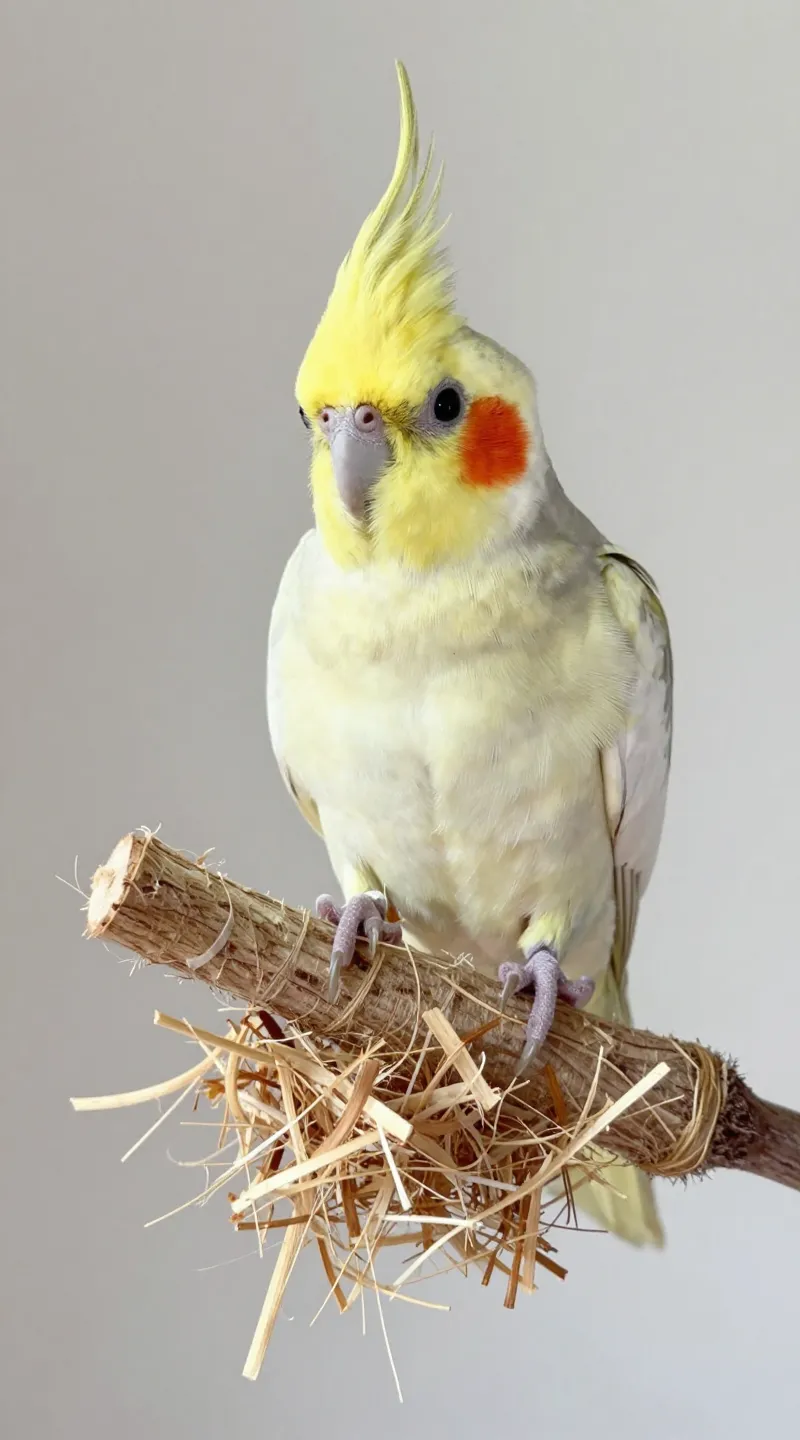
Chewing isn’t a bad habit—it’s a beak workout. It keeps their beaks trim and their instincts sharp. Just give them safe, destructible things to destroy.
Top chewable picks:
- Natural woods like balsa, pine, or bamboo—great for small to medium parrots
- Soft palm/wicker toys for shreddy fun
- Vegetable-tanned leather strips for tugging and chewing
- Bird-safe cardboard layered into blocks or “pinatas”
What to avoid
Skip pressure-treated wood, mystery metals, dyed fabrics, and anything that unravels into long strings. FYI, zinc and lead are sneaky hazards in cheap clips and bells. If it looks sketchy, it probably is.
Foraging Toys: Turn Mealtime Into a Treasure Hunt
Wild birds spend most of their day finding food. Your bird? Buffet service twice a day. Foraging toys bring back the hunt and drain that pent-up energy in the best way.
DIY foraging ideas
- Paper cups with holes: Add pellets or treats, crumple, and skewer on a safe kabob
- Cardboard egg carton: Hide seeds under paper; close with bird-safe twine
- Shreddable boxes: Pack with crinkle paper and a few treats
Ready-made foraging winners
- Acrylic puzzle boxes that require sliding or twisting to release treats
- Foraging wheels with adjustable difficulty
- Nut-and-bolt toys that reward persistence with a snack
Start easy so your bird wins quickly. Then level up. Success builds confidence—and less yelling at sunrise.
Climbing, Swinging, and Parkour Gear

Movement burns energy and reduces anxiety. Think ropes, ladders, boings, and perches in different textures and widths. Your bird isn’t lazy; your setup might be.
Mix and match:
- Rope perches for cushy feet (replace when frayed)
- Natural branch perches like manzanita or java wood
- Swings and boings to challenge balance and coordination
- Ladders for climbing and confidence building
Pro tip for layout
Create a play triangle: a high perch, a swing, and a foraging station at different heights. Birds love choice and routes. It turns the cage from “box” into “mini-gym.”
Noise Makers and “Job” Toys
Yes, bells can be annoying. But you know what’s more annoying? A bird inventing its own noise. Offer toys that satisfy the urge to clank, ring, and “work.”
Great options:
- Solid stainless-steel bells with protected clappers
- Stainless measuring cups or spoons on a chain—instant percussion set
- Foot toys like acrylic rings and textured balls for tossing
- Puzzle toys with levers, drawers, or twisty caps
Some birds want to “fix” things all day. Give them nuts-and-bolts toys or lock-and-key gizmos and watch the little engineer go. Busy beak = quiet house, IMO.
Shreddables: Controlled Chaos

Shredding keeps minds busy and helps nesting instincts without turning your couch into a nest. Offer a steady stream of safe, sacrificial materials.
- Seagrass mats with woven-in treats
- Paper garlands and crinkle paper
- Cactus or yucca chews for satisfying destruction
- Corn husk and palm leaf toys for easy tearing
Make shredding smarter
Hide tiny treats inside layers. Layer paper, then a sunflower seed, then more paper. Your bird earns the prize—and your floors earn a vacuum session. Worth it.
Species-Specific Tips (Because Not All Beaks Are Equal)
Different birds play differently. You’ll waste money if you ignore that. Here’s a quick cheat sheet.
- Budgies and cockatiels: Love lightweight toys, balsa, paper, tiny bells, and swing setups. Keep foraging simple at first.
- Conures and quakers: Give rope boings, palm shreddables, mid-tier puzzle toys, and ladders. They adore foot toys.
- African greys and amazons: Go heavy-duty. Acrylic puzzles, stainless bells, thicker woods, foraging wheels. Brain games daily.
- Macaws: Industrial strength everything. Giant wood blocks, leather knots, heavy chains (bird-safe), and large foraging boxes.
- Lories and lorikeets: Messy geniuses—offer washable acrylic puzzles, nectar foraging cups, and lots of shreddables.
Rotate like a pro
Use a toy rotation bin. Keep 3–5 toys in the cage, 3–5 on a stand, and the rest on deck. Swap weekly. Re-introduce “old” toys—they feel brand new after a break. Magic.
Safety First: Boring but Critical

Safety beats aesthetics every time. A cute toy that traps toes? Hard pass.
Check for:
- Hardware: Prefer stainless steel. Avoid zinc clips and mystery alloys.
- Strings: No long fibers. Cut frays. Replace rope perches when worn.
- Dyes: Stick to food-grade or natural colors.
- Size: No tiny parts for big beaks, no heavy parts for little birds.
- Cleanability: Acrylic and stainless clean easily. Rotate while others dry.
FYI: Always supervise new toys for the first day or two. Every bird has a talent for finding the one thing you didn’t think of.
How to Introduce New Toys Without Drama
Some birds treat new toys like aliens. No worries—you can sell it to them.
- Start outside the cage where your bird can inspect it from a safe perch.
- Pair it with treats and your chill voice: “Wow, what’s that?” Yes, you’ll feel silly.
- Clip lower first, not in the prime sleeping spot.
- Move it gradually to busier areas as comfort grows.
- Model play: Tap it, ring it, slide it. Your bird learns by watching you—free influence points.
FAQ
How many toys should my bird have?
Aim for 5–8 toys visible at a time, mixing chew, forage, movement, and noise. Keep a stash to rotate weekly. Variety beats clutter—if your bird can’t move, it’s too much.
How often should I rotate toys?
Weekly works for most birds. Super curious birds may enjoy mini-rotations every 3–4 days. Reintroduce old favorites—familiar toys feel safe yet exciting after a break.
What’s the best toy for a bird that screams?
Try foraging puzzles and movement toys like swings or boings. Keep the bird busy during peak scream times (dawn/dusk). Also, reward quiet moments—attention is a powerful toy, IMO.
Can I make toys at home safely?
Yes—use untreated wood, plain paper, seagrass, stainless steel hardware, and vegetable-tanned leather. Avoid adhesives, loose threads, and metal with unknown coatings. When in doubt, skip it.
My bird destroys toys in a day. Is that bad?
Nope—that’s success. Destruction equals enrichment. Buy in bulk or choose denser woods and layered shreddables. Budget for toy “consumables” like you budget for food.
Do small birds need puzzle toys too?
Absolutely. Start simple—paper cups, small treat balls, or mini drawers. Small birds have big brains; they just need smaller hardware.
Final Chirp
A well-toyed bird is a happier, quieter, healthier roommate. Mix chewables, foraging challenges, movement gear, and a dash of noise. Rotate often, watch what your bird loves, and lean into it. Give that beak a job and that brain a mission—and enjoy the sweet sound of contented chirps instead of chaos.
Explore iPet Choice
Discover helpful pet care tips, trusted product recommendations, and practical guides for dogs, cats, fish, and more.