Your dog stares at you like you owe them a marathon. You ask, “How much exercise do you actually need?” Good question. The answer isn’t “one-size-fits-all,” and yes, your couch-loving pug and your neighbor’s zoomie-powered Border Collie are playing two very different sports. Let’s break it down so you don’t overwork your dog—or accidentally create a furry tornado.
Why Exercise Isn’t Optional
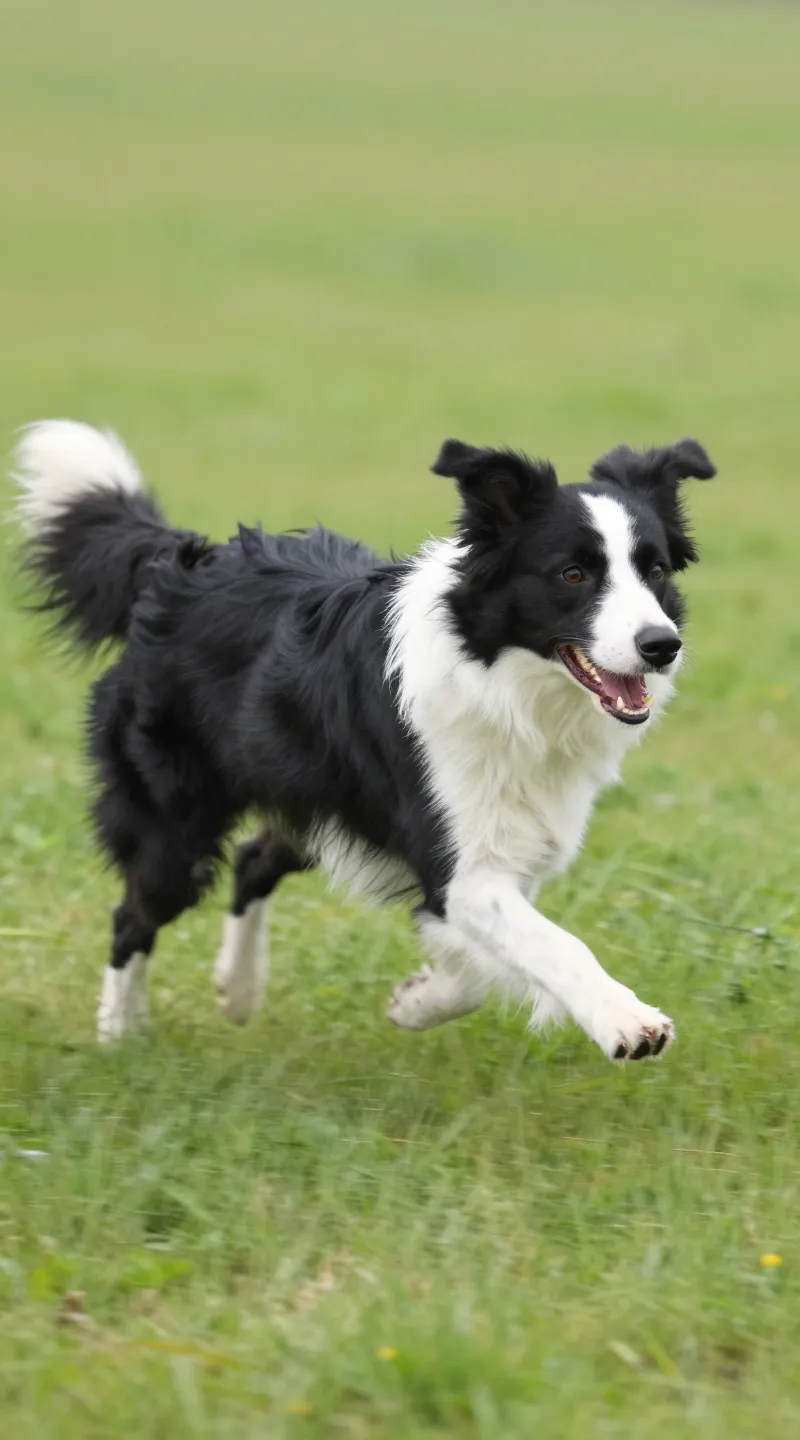
You don’t exercise your dog so they “burn off energy.” You exercise them so they stay sane, healthy, and less likely to chew your shoes into abstract art. Daily movement helps joints, keeps weight in check, and reduces anxiety. It also gives your dog a job, even if that job is “walk nicely and sniff 37 bushes.”
Physical vs. Mental Exercise
Dogs need both. Physical exercise tires muscles; mental exercise tires the brain—and a tired brain equals a calm dog. Think puzzles, training cues, scent games, or chewing a stuffed Kong. FYI, ten minutes of nose work can burn more energy than a short jog.
How Much Exercise by Age

Age matters a lot. Puppies, adults, and seniors all play by different rules.
Puppies
Puppies bounce like rubber balls, but their joints grow fast and need care. Use the common guideline: about 5 minutes of structured exercise per month of age, up to twice daily. So a 4-month-old pup can handle ~20 minutes at a time. Focus on:
- Short play sessions
- Gentle walks with lots of sniffing
- Training games and socialization
No long runs or repetitive jumps yet. Save those for later, track star.
Adult Dogs
Most healthy adult dogs need 60–90 minutes of daily activity, split between walks, play, and brain work. Some breeds crush that in their sleep; others need more. We’ll talk breeds in a sec.
Seniors
Older dogs still need consistency, just not intensity. Aim for 30–60 minutes daily, broken into shorter, gentle sessions. Add low-impact options like swimming, sniff walks, and puzzle feeders. Keep joints warm, and don’t let them turn into a rug with a heartbeat.
The Breed Factor: Yes, It Matters

Breed tendencies give you a clue, even if personality varies. Here’s the quick-and-honest rundown:
- Herding breeds (Border Collies, Aussies): 90–120 minutes daily, plus serious mental work. If bored, they’ll reorganize your furniture.
- Sporting breeds (Labs, Goldens): 60–120 minutes with fetch, swimming, or hiking. People-pleasers with turbo legs.
- Terriers (JRTs, Scotties): 60–90 minutes. Add digging games and nose work or they’ll DIY your backyard.
- Hounds (Beagles, Coonhounds): 60–90 minutes, heavy on sniffing. Leashes highly recommended because…squirrels.
- Toy breeds (Chihuahuas, Yorkies): 30–60 minutes with play and short walks. Small body, big attitude.
- Brachycephalic breeds (Pugs, Bulldogs): 20–40 minutes gentle exercise. Watch heat and breathing.
- Guardian/giant breeds (Mastiffs, Great Danes): 30–60 minutes of steady, low-impact movement. Think strolling, not sprinting.
IMO, breed tendencies don’t determine your life—but they do set expectations. Adopt the energy level you can actually support.
Not All Exercise Counts the Same

You can walk the same 30 minutes two different ways and get wildly different results. Mix it up:
- Sniff walks: Slow pace, long leash, lots of sniffing. Mental gold.
- Cardio walks/jogs: Brisk pace, steady rhythm. Great for endurance.
- Fetch/tug: Explosive bursts. Keep sessions short and fun.
- Hiking: Natural terrain builds muscle and balance.
- Swimming: Low-impact, full-body workout. Perfect for hot days or joint issues.
- Training games: Recall practice, heel work, impulse control. Brain sweat.
- Scent games: Hide treats or toys; let them hunt.
Sample Weekly Mix
For a healthy adult dog:
- 3 days: 45–60 minutes of brisk walking + 10 minutes of training
- 2 days: 30 minutes of hiking or off-leash play (in safe areas) + puzzles at home
- 1 day: Swimming or fetch + short training tune-up
- 1 day: Lighter day with sniff walks and enrichment
Balance intensity so you don’t overdo it. Rest days still count when you sprinkle in brain games.
Weather, Health, and Safety Check
Exercise needs adjust with conditions. You’re the manager—make good calls.
- Heat: Avoid mid-day in summer. Choose mornings/evenings, bring water, watch for heavy panting or glazed eyes.
- Cold: Short-haired and tiny breeds may need coats and booties. Salted sidewalks can irritate paws.
- Surfaces: Asphalt gets hot; switch to grass or shaded trails.
- Joints: Ramp intensity gradually. Add warm-ups, cooldowns, and low-impact options if needed.
- Diet and weight: Overweight dogs need slow, consistent progress and vet guidance.
Red Flags: When to Ease Up
Stop or scale back if you see:
- Excessive panting, drooling, or lagging behind
- Limping, stiffness, or bunny-hopping
- Grey gums, wobbliness, or sudden collapse (emergency—seek vet care)
How to Tell If You’re Doing Enough
Dogs can’t talk, but they absolutely gossip with their behavior. Look for:
- Good signs: Calm at home, sleeps well, eats normally, responds to cues
- Needs more: Zoomies, destructive chewing, barky or restless evenings
- Too much: Soreness, reluctance to go out, grumpy around other dogs
If your dog goes full gremlin at 9 p.m., try adding a brain game after dinner. FYI, a 15-minute sniff walk before bed can work magic.
Easy Mental Enrichment Ideas
- Scatter kibble in the yard or a snuffle mat
- Teach a new trick: spin, bow, touch
- Food puzzles or frozen stuffed Kongs
- Hide-and-seek with you or a favorite toy
Real-Life Scenarios
Let’s make it practical with a few quick setups.
- Apartment dog, 9-to-5 human: Morning 20-minute sniff walk, midday potty break (dog walker), evening 30-minute brisk walk + 10-minute training, puzzle toy after.
- High-energy herder: Morning jog or fetch, mid-day scent game, evening structured walk + heel/recall practice. One intense day per week, one lighter day.
- Senior sweetheart: Three short walks, gentle play, massage after walks, food puzzles to keep the mind sharp.
IMO, consistency beats intensity. Show up daily, and your dog will thrive.
FAQ
Can I just play fetch instead of going on walks?
Fetch helps, but it doesn’t replace walks. Walks provide mental stimulation, impulse control, and social exposure that a ball alone can’t. Use both: fetch for cardio bursts, walks for balance and brain work.
How do I exercise my dog if I’m short on time?
Go for a 20-minute power sniff walk and add a 10-minute training game at home. Use puzzle feeders for meals. Short, focused sessions beat skipping exercise entirely.
Is my backyard enough exercise?
Usually no. Most dogs won’t self-exercise in a yard; they’ll nap. Structured play and walks still matter because they challenge your dog mentally and physically.
What about off-leash dog parks?
They can help social and exercise needs, but use caution. Choose non-peak times, watch body language, and leave if energy gets chaotic. Not all dogs enjoy free-for-alls, and that’s fine.
When can my puppy start running with me?
Wait until growth plates close, typically around 12–18 months depending on breed. Ask your vet for your dog’s timeline. Before that, stick to short, soft-surface jogs and fun games.
Do certain days need to be full rest days?
Dogs benefit from lighter days, not total inactivity. Swap intense workouts for gentle sniff walks and enrichment so recovery happens without boredom.
Conclusion
The sweet spot: consistent daily movement plus mental work tailored to your dog’s age, breed, and personality. Some dogs need a marathon plan; others need a solid stroll and brain games. Keep sessions varied, watch your dog’s signals, and adjust as you go. Do that, and you’ll have a happier pup—and fewer demolished slippers.
Explore iPet Choice
Discover helpful pet care tips, trusted product recommendations, and practical guides for dogs, cats, fish, and more.