Your fish tank looks crystal clear… until it doesn’t. One minute you’ve got a serene underwater paradise, the next it’s a green soup with a side of guilt. So how often should you actually clean a fish tank? Short answer: it depends. Long answer: let’s break it down so you can keep your fish happy and your tank from turning into a swamp.
What “Clean” Really Means
“Clean” in aquarium-speak doesn’t mean sterile. You don’t scrub everything until it squeaks. You manage waste, remove excess nutrients, and keep beneficial bacteria happy. That bacteria keeps your water safe.
So when we talk about cleaning, we’re talking about:
- Partial water changes – swap out some water, not all
- Gravel vacuuming – remove gunk trapped in the substrate
- Filter maintenance – rinse or replace media intelligently
- Glass algae wipe-down – keep things pretty and light-friendly
- Pruning plants – remove decay and excess growth
FYI: Over-cleaning causes way more problems than under-cleaning. You want balance, not a lab.
The Golden Rule: Weekly Water Changes (Mostly)
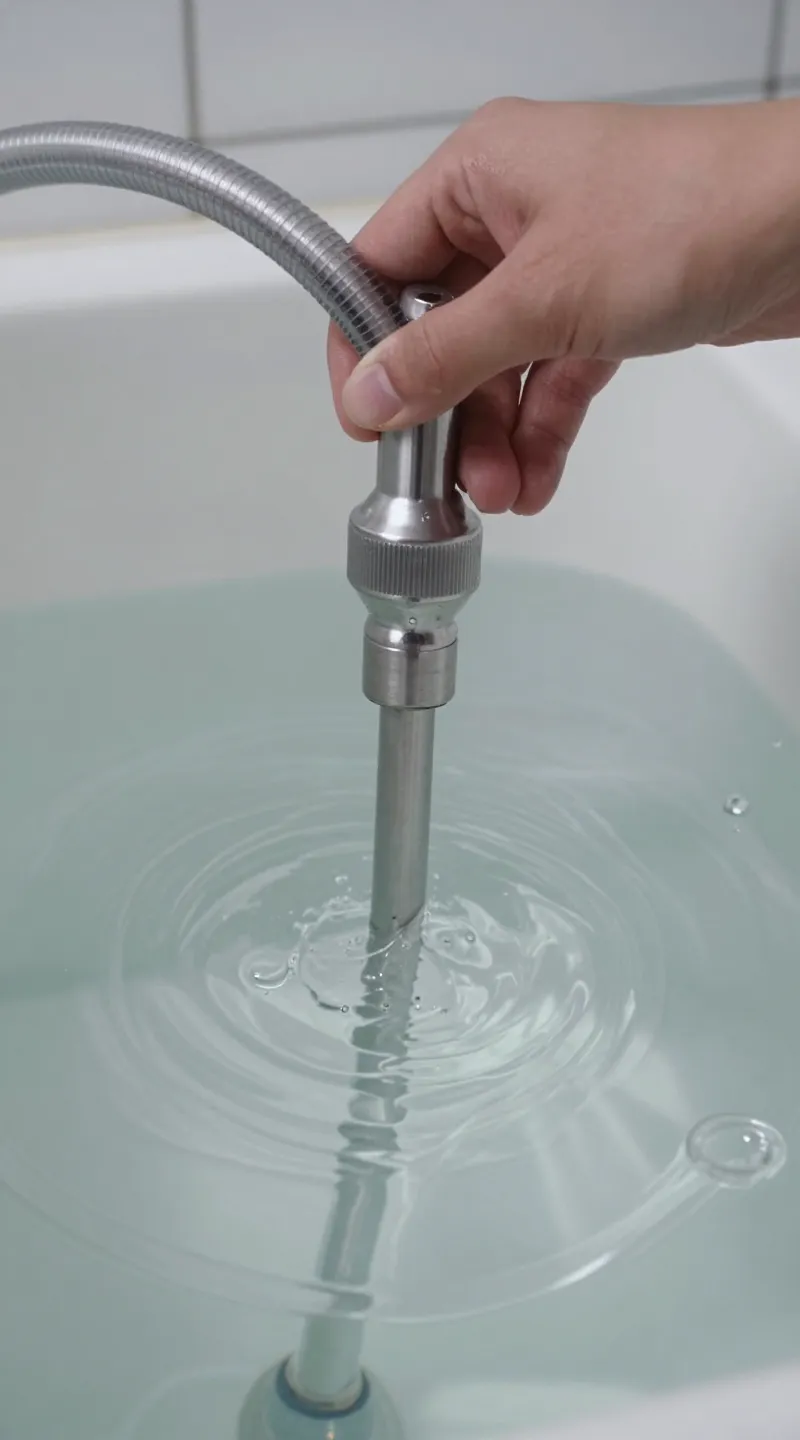
For most tanks, a good rhythm looks like this:
- 10–25% water change every week for small to medium tanks (5–40 gallons)
- 20–30% every 1–2 weeks for larger, lightly stocked tanks
- 30–50% weekly for overstocked tanks, goldfish tanks, or messy eaters
Why weekly? Waste builds up fast, and regular small changes keep your water chemistry stable. Big, infrequent changes swing parameters and stress fish. You don’t want dramatic plot twists in your aquarium.
What About Nano Tanks?
If you run a 5-gallon or smaller tank, you’ll likely need two small water changes per week. Tiny tanks crash faster. They’re cute, but they’re divas.
Heavily Planted or Low-Stock Tanks
Lots of plants and a low fish load mean you can probably stretch to every 10–14 days. Plants drink nitrates like iced tea in July. Still test your water, though. Plants don’t fix everything.
Filter Cleaning: Rinse, Don’t Replace (Most of the Time)
Your filter houses your beneficial bacteria. Treat it like a VIP guest.
- Rinse filter sponges or media in old tank water every 2–4 weeks
- Avoid replacing everything at once – stagger replacements
- Skip aggressive scrubbing – you’re cleaning gunk, not sanitizing
Cartridges that tell you to replace monthly? Marketing. IMO, squeeze and reuse until they physically fall apart. Add a sponge or ceramic media so your bacteria has a permanent home.
When to Replace Media
- Mechanical (sponges, pads): replace when they disintegrate
- Biological (ceramic, bio-balls): rarely replaced; just rinse gently
- Chemical (carbon, Purigen): replace per product schedule or when water yellows/odors return
Gravel Vacuuming and Glass Cleaning

During your water change, vacuum the substrate where debris collects. You don’t need to vacuum every grain each time. Rotate sections. Think “housekeeping,” not “forensics.”
For glass, wipe algae weekly. A little green is normal. A lot of green? That’s nutrients and light teaming up. Use a magnet cleaner or scrub pad. Avoid scratching acrylic; go gentle.
Plant and Décor Care
- Trim dying leaves so they don’t rot and fuel algae
- Rinse décor in old tank water if it’s covered in gunk
- Boil wood only if absolutely needed (tannins aren’t harmful, just tea-colored water)
Signs You Need to Clean More Often
Your tank will tell you when it’s cranky. Watch for:
- Persistent algae blooms despite normal lighting
- Cloudy or milky water that doesn’t clear
- Strong odor – tanks shouldn’t smell bad
- Fish gasping at the surface or acting lethargic
- Nitrate creeping over 40 ppm (preferably keep under 20 ppm for most fish)
If you see these, increase water change volume or frequency, cut feeding, and check your filter.
Common Overlooked Culprits
- Overfeeding – extra food becomes algae fuel
- Old light bulbs – spectrum shifts encourage algae
- Dirty prefilter sponges – they clog and slow flow
How Stocking Levels Change the Schedule

More fish = more poop = more maintenance. Revolutionary, I know.
- Lightly stocked community tank: 20% weekly
- Goldfish or cichlids: 30–50% weekly; they’re messy legends
- Betta in a heated, filtered 5 gallon: 25–30% weekly
- Shrimp/snail tanks: 10–20% weekly; watch copper in conditioners and meds
- Saltwater (fish-only): 15–25% every 1–2 weeks
- Reef tanks: depends on nutrient export via skimmer/refugium; many do 10–20% weekly
FYI: Bigger tanks forgive mistakes. Tiny tanks punish them immediately.
The Quick Weekly Routine (15–30 Minutes)
Let’s keep it simple. Here’s a routine that works for most setups:
- Turn off equipment. Heaters and filters don’t love running dry.
- Scrape glass. Loosen algae first so the siphon can catch it.
- Siphon 20–30% of the water. Vacuum substrate lightly as you go.
- Rinse filter media in the removed tank water. Quick squeeze, no scalding.
- Refill with dechlorinated, temperature-matched water. Don’t shock your fish.
- Restart equipment. Confirm good flow and heater status.
Optional: test nitrate weekly and ammonia/nitrite if you suspect an issue. If nitrate stays high, increase change volume.
Water Testing: Your Early Warning System
Test strips are fine for quick checks. Liquid kits are more precise. Aim for:
- Ammonia: 0 ppm
- Nitrite: 0 ppm
- Nitrate: under 20–40 ppm (lower for delicate species)
- pH: stable within your fish’s range
If ammonia or nitrite show up, do larger water changes and stop feeding for a day. Something’s off in your cycle.
Stuff You Shouldn’t Do (Because Chaos)

- Don’t do 100% water changes unless it’s an emergency. You’ll nuke your cycle.
- Don’t clean everything at once. Spread out filter and substrate cleaning.
- Don’t use soap or household cleaners. Ever. Fish don’t like suds.
- Don’t chase pH with constant tweaks. Stability beats perfection, IMO.
FAQ
How often should I clean a brand-new tank?
During the first 4–6 weeks (the cycling period), test water often and do small, frequent water changes if ammonia or nitrite rise. Avoid deep substrate cleaning. You’re building bacteria, not bulldozing it.
Can I skip a week?
If your tank is lightly stocked and stable, you can sometimes skip a week. But don’t make it a habit. Keep an eye on nitrate and algae. If they creep up, get back on schedule.
Do I remove fish during cleaning?
Nope. Leave them in. Partial changes and gentle vacuuming won’t hurt them, and netting stresses them more. Just match temperature and dechlorinate the new water.
My water looks clear. Do I still need to clean?
Yes. Clear water can still carry nitrates and dissolved waste. Think of water changes like changing the oil in your car. The engine might run, but it won’t run well forever without maintenance.
How much should I feed to reduce gunk?
Feed what your fish eat in 30–60 seconds, once or twice daily. Remove leftovers. Overfeeding wrecks water quality faster than almost anything. Your fish will beg anyway. Fish are dramatic.
Is bottled bacteria worth it?
For jump-starting a new filter or after a big mishap, yes, it helps. Not magic, but useful. Still stick to regular water changes and don’t overclean.
Conclusion
You don’t need to spend your weekends elbow-deep in aquarium water. Stick to regular partial water changes, gentle filter maintenance, and quick glass and gravel cleanups. Adjust based on your tank size, stocking, and plants. Keep it consistent, and your fish will thrive—and your tank will look like the calm, sparkling slice of nature you actually wanted. Now go set a weekly reminder and be the responsible aquatic landlord your fish deserve.
Explore iPet Choice
Discover helpful pet care tips, trusted product recommendations, and practical guides for dogs, cats, fish, and more.