You love your cat. Your nose? Not so much. A clean litter box keeps your home fresh, your cat happy, and your sanity intact. The big question: how often do you actually need to clean it? Let’s cut through the conflicting advice and give you a schedule that works in real life.
The Short Answer: How Often Is “Enough”?
You should scoop the litter box at least once a day. Twice is better if you can swing it. Replace all the litter and scrub the box every 2–4 weeks for clumping litter, and weekly if you use non-clumping. Got more than one cat? Increase the frequency across the board.
Quick Rules of Thumb
- Scoop daily (twice if you notice smells or have multiple cats).
- Top off litter as needed to keep a 2–3 inch depth.
- Wash the box monthly for clumping litter, weekly for non-clumping or pellet systems.
- Multiple cats: add another scoop session and shorten your deep-clean interval.
Why Daily Scooping Matters (Yes, Every Day)
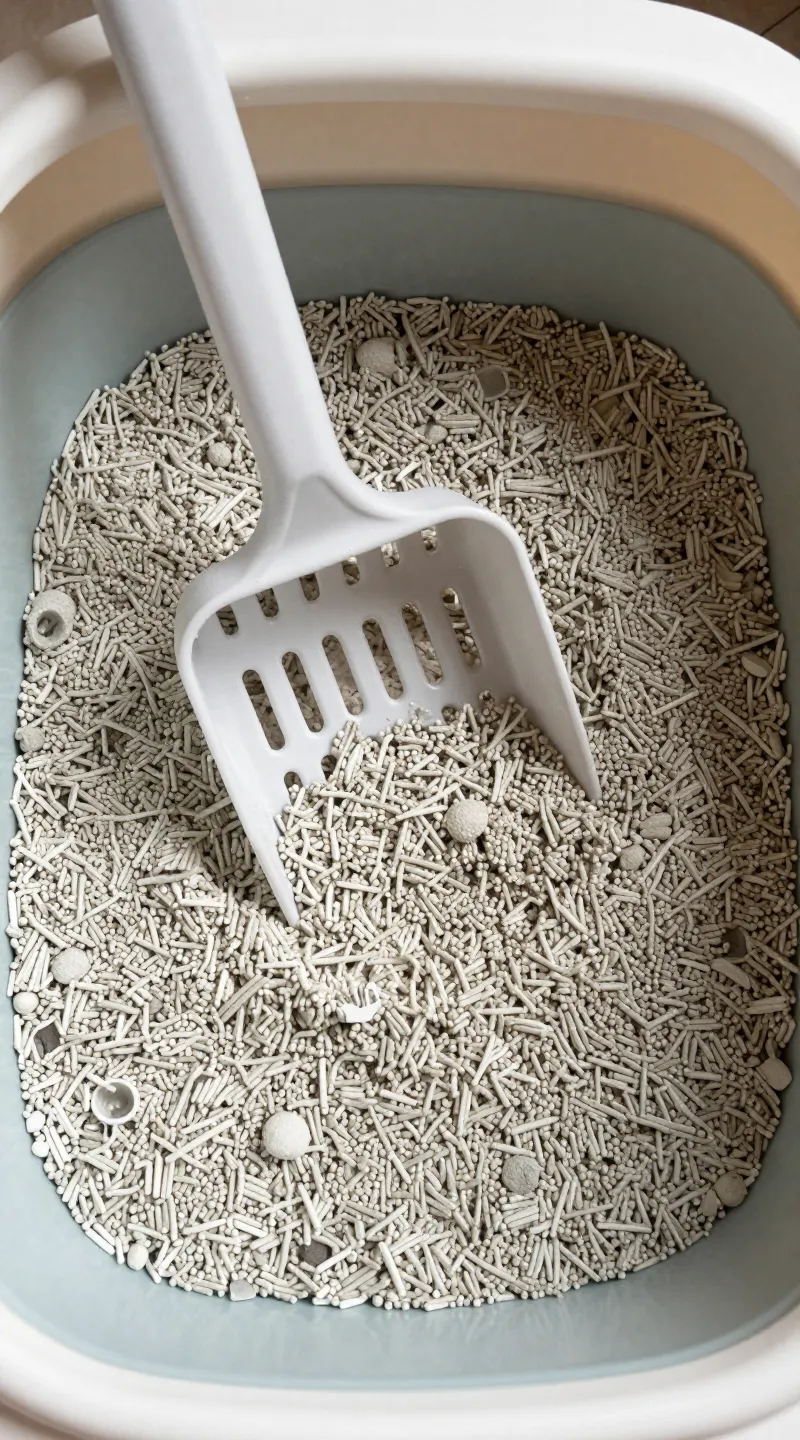
Cats have opinions. Strong ones. If the box smells or looks like a disaster zone, they’ll avoid it and pick a softer, less offensive option. Like your laundry pile. Scooping daily keeps odors down and prevents clumps from welding themselves to the box.
Bonus: daily scooping lets you spot health issues early. If you suddenly see more urine clumps, fewer stools, diarrhea, or blood, you’ll catch it fast. That’s not just tidiness—it’s cat health 101.
How Many Boxes Do You Need?
The golden rule: one box per cat, plus one. Two cats? Three boxes. It sounds extra, but it reduces turf wars and keeps boxes usable longer between deep cleans. Also, spread them out. If you stack three boxes side by side, your cat counts that as one big smelly rectangle. FYI, cats love options.
Where to Put Them
- Quiet, low-traffic areas where your cat won’t get ambushed or spooked.
- Avoid laundry rooms with loud machines or slamming doors.
- Separate floors if you live in a multi-level home.
The Deep Clean: How Often and How To Do It

Even if you scoop like a champion, litter boxes eventually absorb odors. Plan a deep clean on a schedule:
- Clumping litter: every 2–4 weeks, depending on smell and traffic.
- Non-clumping litter: weekly. It just gets funky faster.
- Automatic boxes: empty the waste drawer 1–3 times weekly, and deep clean the unit monthly.
Deep Clean Steps (Fast and Easy)
- Dump all the litter into a trash bag.
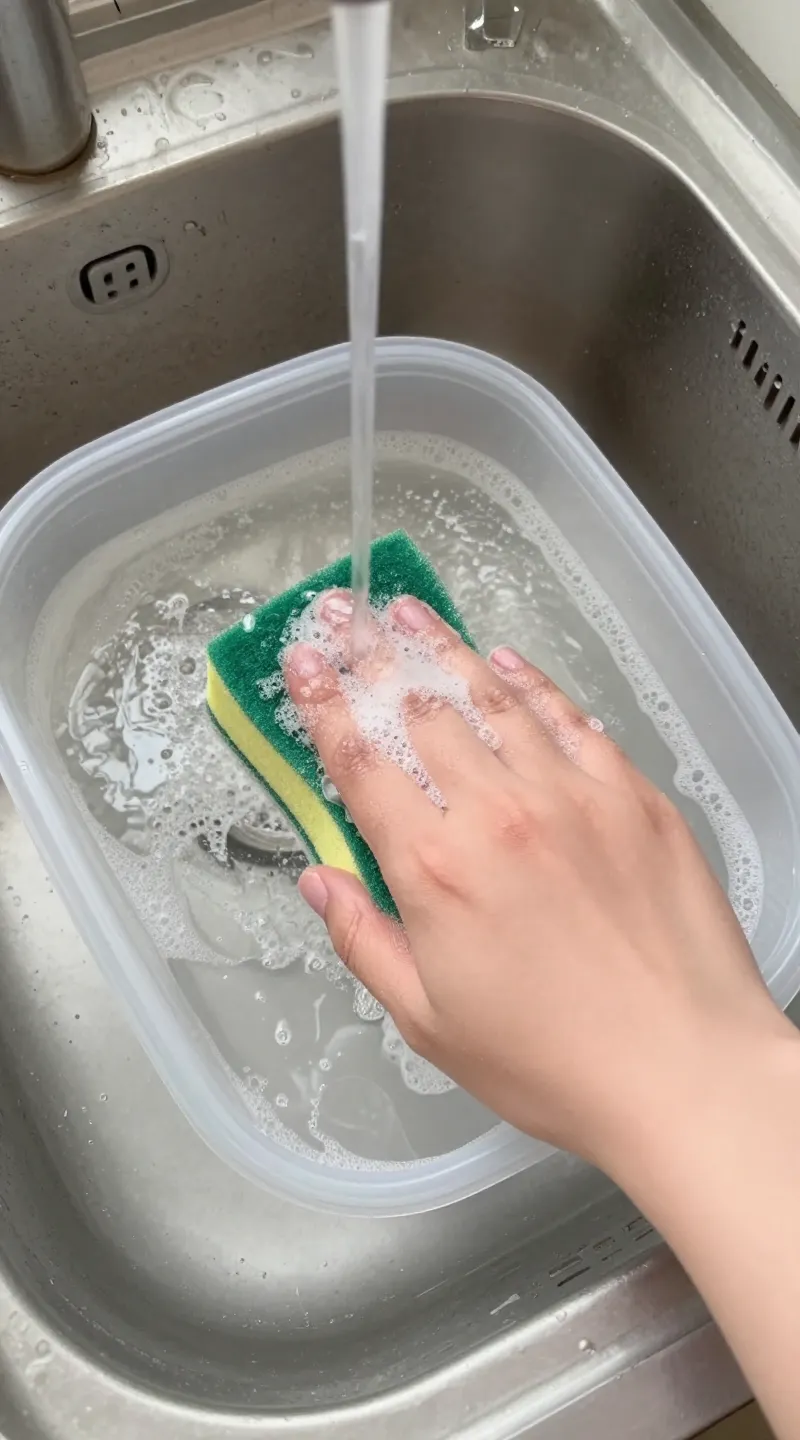
- Wash the box with warm water and mild unscented dish soap.
- Skip bleach and strong cleaners—they can leave harsh smells your cat hates.
- Dry completely. Moisture clumps fresh litter and breeds odors.
- Refill with 2–3 inches of fresh litter. Add a thin baking soda layer underneath if you want extra odor control.
Litter Types and How They Change the Schedule
Not all litter behaves the same. Choose what fits your routine and your cat’s preferences (and your nose’s patience).
Clumping Clay
Pros: Easy daily scooping, decent odor control.
Clean schedule: Scoop daily; deep clean every 2–4 weeks.
Non-Clumping Clay
Pros: Cheap, fine texture many cats like.
Cons: Saturates fast and smells sooner.
Clean schedule: Scoop solids daily; replace all litter and wash weekly.
Silica Gel (Crystal)
Pros: Excellent odor absorption, lighter weight.
Cons: Some cats dislike the texture.
Clean schedule: Stir daily to distribute moisture; remove solids daily; replace fully every 3–4 weeks for one cat, sooner for more.
Pellets (Paper, Wood, Corn)
Pros: Low dust, often eco-friendly.
Cons: Urine can pool if the system isn’t designed well.
Clean schedule: Scoop solids daily; refresh or sift several times a week; replace fully weekly or biweekly depending on smell.
Multiple Cats: Multiply the Effort (Sorry)
More cats equals more… deposits. You’ll need to step up:
- Scoop at least twice daily.
- Deep clean every 1–3 weeks for clumping litter.
- Use the one per cat plus one rule for box count.
- Place boxes in different zones to reduce crowding and drama.
If one cat guards the litter box like it’s a VIP lounge, you need more locations and maybe higher-sided or covered options for privacy.
Odor Control Without Going Overboard
You don’t need to fumigate your house. Small tweaks help a lot:
- Ventilation: place the box in a spot with airflow, but not in a draft.
- Litter depth: keep 2–3 inches to trap smells and clumps.
- Baking soda: a light layer under the litter can help; don’t dump in a cup—cats hate strong scents.
- Liners and scented litters: many cats dislike them. IMO, skip strong fragrances; they mask odors, not fix them.
- Diet and hydration: high-quality food and a fountain can reduce smell; yes, seriously.
What About Covered Boxes?
They contain smell—for you. For your cat, they can trap odors inside the box and make it feel gross. If you use one, scoop more often. And make sure the entrance isn’t a tight squeeze for bigger cats.
When Your Cat Says “Nope”: Behavior Clues

If your cat starts going outside the box, don’t jump straight to “bad cat.” Check:
- Cleanliness: is the box overdue for a scoop or wash?
- Location: is it too loud, too exposed, or blocked by another pet?
- Size: your cat should turn and dig comfortably; bigger is better.
- Health: frequent peeing, straining, or vocalizing needs a vet visit, FYI.
Cats vote with their paws. If they refuse the ballot box, we need to change the setup.
FAQ
Can I scoop every other day if I only have one cat?
You can, but you won’t love the results. Odors build fast, clumps harden, and your cat might start shopping for new bathroom real estate. Daily scooping keeps everything fresher and friendlier.
How much litter should I use?
Aim for 2–3 inches. Too little and waste sticks to the bottom; too much and you get litter avalanches everywhere. Adjust if your cat loves deep digging—some prefer closer to 3–4 inches.
Do automatic litter boxes mean I never have to clean?
Nice try. They help a lot, but you still need to empty the waste drawer regularly and deep clean monthly to prevent buildup and odors. And always read the brand’s maintenance guide, IMO.
What’s the best litter for odor control?
Clumping clay and silica gel usually win for odor control. But the “best” litter is the one your cat actually uses. If your cat boycotts crystals, it doesn’t matter how well they control smell.
Are scented litters safe?
They’re generally safe, but many cats dislike strong fragrances. Scented litters can also irritate sensitive noses. If your cat avoids the box or sneezes more, switch to unscented and focus on regular cleaning instead.
Do I need a litter mat?
It helps. A good mat catches tracking and keeps your floor cleaner. You’ll still find mystery grains in your socks, but fewer of them. Consider it a small win.
Bottom Line
Scoop daily. Deep clean on a schedule that matches your litter type and number of cats. Use enough boxes, place them smartly, and pay attention to what your cat prefers. Keep it simple, keep it clean, and your cat—and your nose—will thank you. IMO, it’s the easiest daily habit that saves you the most headaches.
Explore iPet Choice
Discover helpful pet care tips, trusted product recommendations, and practical guides for dogs, cats, fish, and more.