Your dog just did three laps around the coffee table, barked at a leaf, and now they’re shaking under the couch. Sound familiar? Anxiety hits a lot of dogs, and it doesn’t mean you messed up—it just means your pup needs a little extra support. The good news: you can use natural methods that actually work. Let’s calm that canine chaos without turning them into a sleepy potato.
Spot the Signs: Is It Anxiety or Just High Energy?
Not every zoomie equals stress. So what should you look for? Common signs include pacing, shaking, whining, lip licking, yawning (when not tired), hiding, destructive chewing, and clinginess. Thunderstorms, fireworks, vet visits, or separation can flip these behaviors on fast.
Quick tip: If your dog shows sudden or extreme changes, check with your vet first. Pain or medical issues can look like anxiety. You can’t out-snuggle a sore hip.
Build a Calm Routine (Consistency = Comfort)

Dogs love knowing what’s next. Routine gives anxious brains a break. You don’t need a military schedule, but predictable beats chaotic.
- Set consistent meal and walk times. Predictability eases worry.
- Use a pre-departure ritual. Low-key exit, no dramatic goodbyes. Save the TED Talk for later.
- Create a calm-down hour. Dim lights, gentle music, and soft chew time in the evening.
Calm Zones and Cozy Dens
Dogs feel safer with a designated space. Think cozy cave, not time-out corner.
- Crate lovers: Cover it partially with a breathable blanket and add a chew or lick mat.
- Crate haters: Use a corner with a bed, a snuffle mat, and a couple of familiar toys.
- White noise or calming playlists: Thunderstorms won’t seem as loud with ambient sound.
Exercise the Jitters Out (But Train the Brain Too)
Anxious dogs often carry extra nervous energy. Work the body and the brain.
- Daily walks that actually let them sniff. Sniffing burns mental energy and lowers stress hormones.
- Short play bursts: 2-3 sessions of fetch or tug beat one chaotic marathon.
- Puzzle feeding: Ditch the bowl. Try snuffle mats, Kongs, or slow feeders.
Mindful Training = Confidence
Confidence kills anxiety. Okay, maybe not kills, but it definitely shushes it.
- Teach “settle” on a mat. Reward calm behavior. Start easy and build duration slowly.
- Place training: A designated spot gives your dog a job when they feel spirally.
- Capture calm: Pay your dog for lying down on their own. Yes, bribery works. IMO, it’s just good economics.
Nature’s Toolkit: Calming Aids That Don’t Knock Them Out
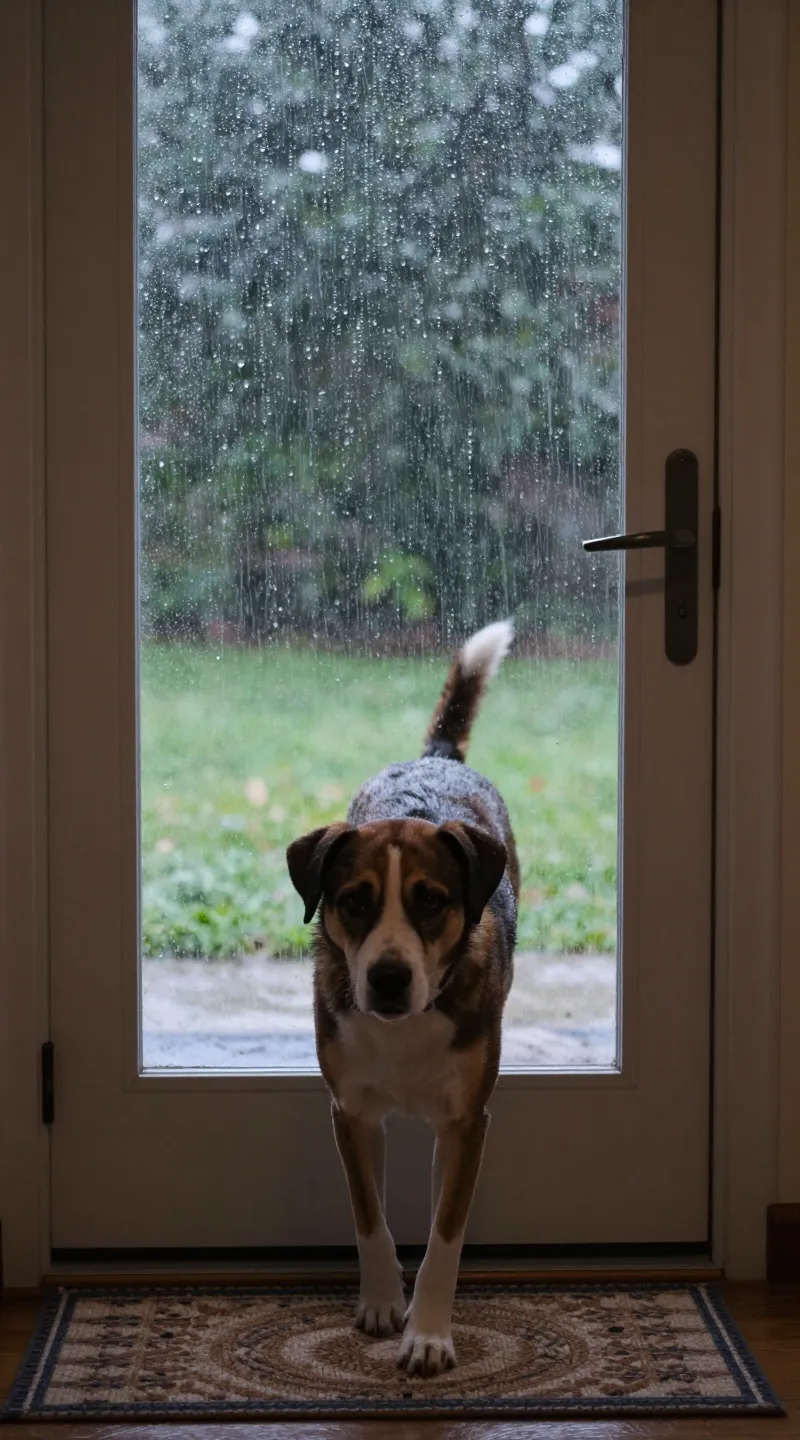
You’ve got options that are gentle, non-sedating, and dog-approved (well, mostly).
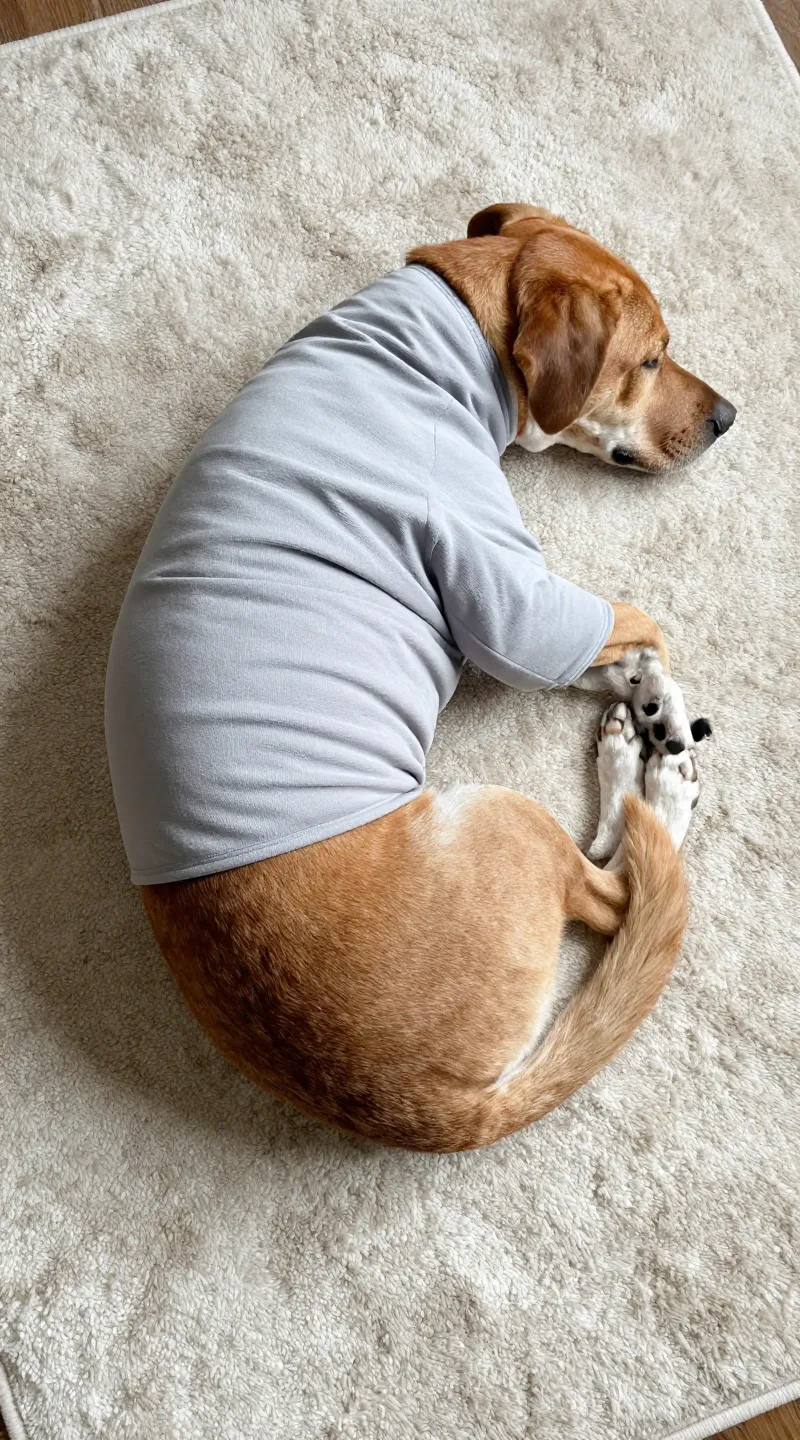
- Pressure wraps (e.g., Thundershirt): Constant gentle pressure can soothe stressed dogs during storms or fireworks.
- Pheromone diffusers/sprays: Dog-appeasing pheromones mimic mama-dog vibes. Use in safe zones or on bandanas.
- Calming music playlists: Classical, reggae, and specific “dog calming” tracks help slow breathing and relax muscles.
- Herbal blends and supplements: Look for L-theanine, L-tryptophan, valerian, passionflower, chamomile, or magnesium glycinate. Always check with your vet first—especially for dosing.
- CBD for dogs: Some owners report good results for situational anxiety. Choose pet-specific products with third-party lab testing. Start low, go slow, and get veterinary guidance.
Chews and Licks: Nature’s Xanax (Kind Of)
Chewing and licking release calming hormones. Provide:
- Long-lasting chews: Bully sticks, yak cheese, or safe rubber toys with frozen fillings.
- Lick mats: Smear with yogurt, pumpkin, or peanut butter (xylitol-free, please).
Desensitization: Rewrite the Scary Story
You can retrain your dog’s brain to chill around triggers. It takes patience, but it works.
- Identify the trigger and set the threshold. What’s the earliest sign your dog notices it but doesn’t panic yet?
- Pair the trigger with something awesome. Low-volume thunder sound = chicken party. Gradually increase intensity over days or weeks.
- Keep sessions short and successful. End before your dog spirals. If they panic, you went too fast.
Separation Anxiety Game Plan
Leaving equals meltdown? Let’s fix that.
- Start with micro-absences: Step outside for 10–30 seconds. Return casually. Repeat, extend slowly.
- Use calm cues: Chew or lick mat only comes out when you leave—now your exit predicts snacks.
- Skip the hype: Keep exits and returns boring. Your dog can’t spiral if nothing exciting happens.
Food Matters: Diet and Gut-Brain Support
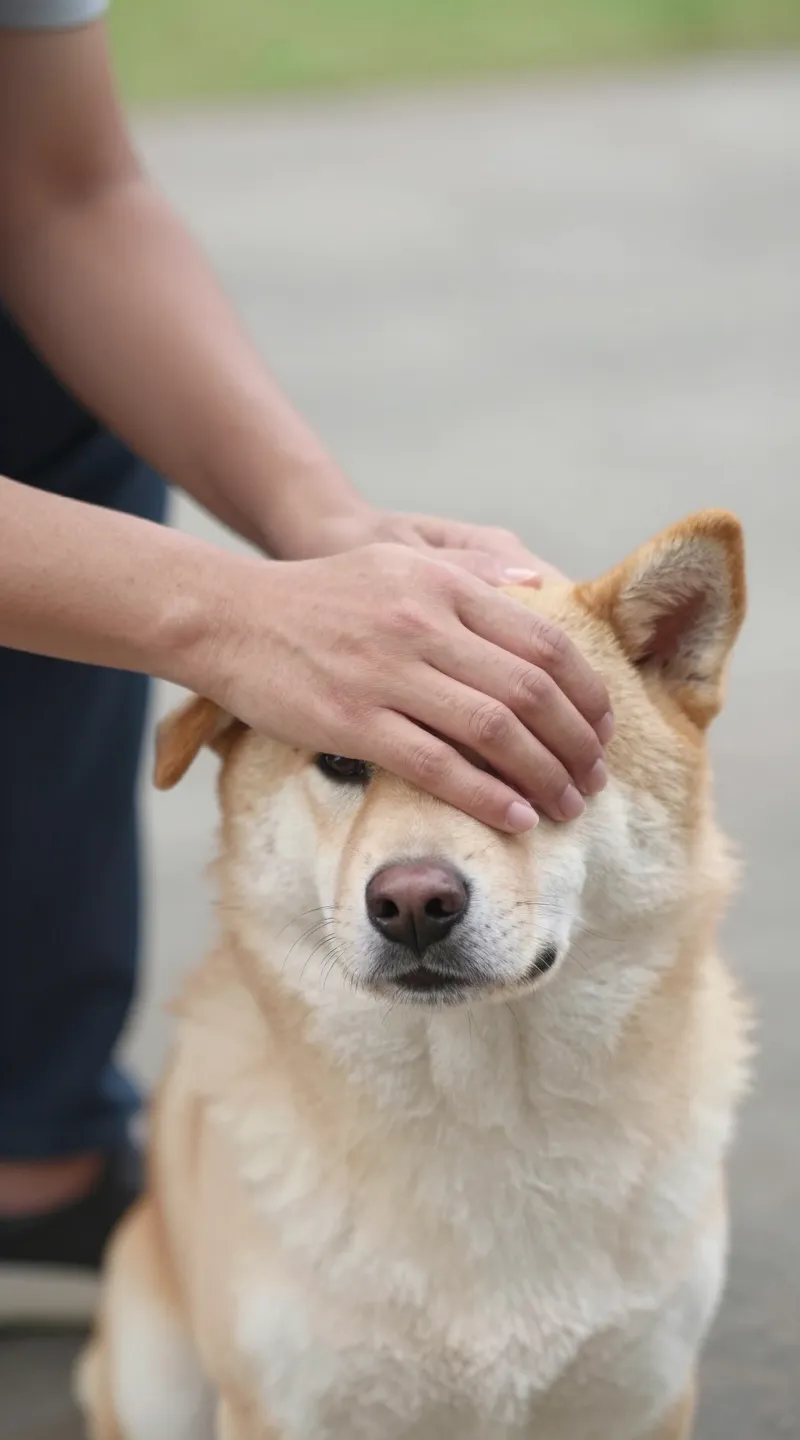
A calmer gut often means a calmer dog. Wild, but true.
- Stable blood sugar: Balanced meals on a schedule reduce jittery behavior.
- Omega-3s: Fish oil supports brain health and reduces inflammation. Choose high-quality, dog-safe products.
- Probiotics: The gut-brain axis affects mood. Ask your vet for dosing and strains that help with stress.
Hydration and Electrolytes
Stressed dogs pant more and dehydrate faster. Keep fresh water available, especially after training or during hot weather. FYI, a splash of low-sodium bone broth can encourage picky drinkers.
Human Habits Your Dog Reads (Yes, They Know You’re Stressed)
Your dog mirrors you. If you act frantic, they’ll act frantic. Not fair, but here we are.
- Slow your movements and voice. Calm body language helps.
- Preempt triggers. Close curtains before fireworks. Start music early. Prep the safe zone ahead of storms.
- Reward what you want. Every time your dog “checks in” or relaxes, pay with a treat or praise.
When to Get Professional Help
Some anxiety needs a pro. No shame—just smart strategy.
- Certified trainers or behavior consultants: Look for force-free, positive reinforcement methods.
- Veterinary behaviorists: For severe anxiety, they can design a plan and, if needed, prescribe meds that support training.
- Red flags: Self-injury, escape attempts, aggression, or inability to eat or settle even at rest. Don’t DIY that—get help.
FAQ
How long does it take to calm an anxious dog naturally?
It depends on the dog and the trigger. Some dogs improve within days with routine, exercise, and calming aids. Complex issues like separation anxiety usually take weeks to months. Consistency wins. Quick fixes rarely stick, IMO.
Are natural supplements safe for all dogs?
Not always. Some herbs and blends interact with medications or don’t suit dogs with certain conditions. Always talk to your vet, start with the lowest effective dose, and use products with transparent ingredient lists and third-party testing.
Can I use CBD oil for my dog’s anxiety?
Possibly, yes. Many owners report benefits for noise and situational anxiety. Choose pet-specific CBD with a certificate of analysis, start low, and monitor behavior. Your vet can help you decide if it fits your dog’s health profile.
Do calming treats actually work?
Some do, some don’t. Treats with L-theanine, L-tryptophan, or casein often help mild to moderate anxiety, especially alongside training and routine. Think of them as support, not magic. You can’t supplement your way out of zero exercise.
What if my dog gets worse during training?
You moved too fast. Dial back the intensity, shorten sessions, and boost rewards. Keep your dog under threshold—where they notice the trigger but still take treats and respond. If they refuse food, you need more distance or lower volume.
Is crate training cruel for anxious dogs?
Not if you build it positively and your dog enjoys it. The crate should feel like a safe den, not a punishment. If your dog panics in a crate, skip it and create a calm zone instead. Comfort first, rules second.
Wrapping It Up
You don’t need to choose between “anxious mess” and “sedated potato.” With routine, brain-and-body work, smart tools, and a little science, you can help your dog breathe easier. Start small, stay consistent, and celebrate every tiny win. Your dog doesn’t need perfection—they need you showing up, calmly, every day. FYI: that’s the real magic.
Explore iPet Choice
Discover helpful pet care tips, trusted product recommendations, and practical guides for dogs, cats, fish, and more.