Your pet runs the household, right? Let’s just admit it. If you’re constantly moving shoes out of reach, Googling “why does my cat eat plants,” or pretending your dog’s fur is an accent color, you’re in the right place. Here’s how to set up a home that looks good, works hard, and keeps your furry chaos agents safe and happy.
Start With the Realities: Hair, Claws, and Curiosity
You don’t design a pet-friendly home by pretending your golden retriever doesn’t shed. You plan for it. Choose materials and setups that shrug off fur, scratches, and random zoomies instead of fighting them daily.
Key mindset: Your home can be stylish and practical. You just pick tools that work with pet life instead of against it.
- Low, sturdy furniture: Avoid tippy side tables and wobbly lamps that go flying during a midnight parkour session.
- Rounded corners: Pets sprint. Corners stab. File under “avoidable drama.”
- Block tiny gaps: Secure the abyss behind the washer and fridge where toys (and occasionally cats) disappear.
Choose Materials That Forgive (And Hide) Everything
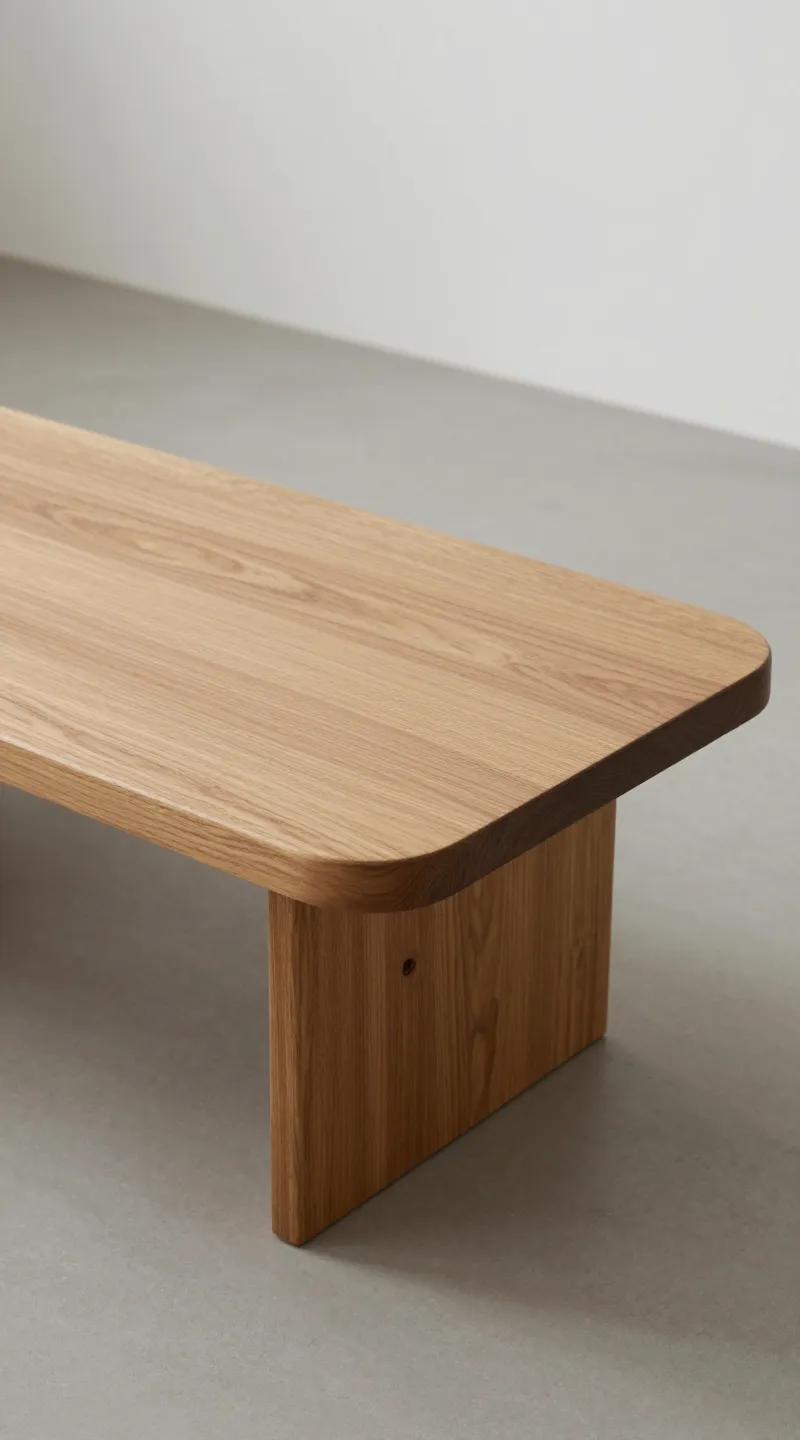
You can’t repel fur and drool completely, but you can make clean-up painless. Think durable, stain-resistant, and easy to wipe down.
Floors That Don’t Flinch
- Luxury vinyl plank (LVP) or tile: Waterproof, scratch-resistant, easy to mop. Pets + puddles? No panic.
- Sealed hardwood: Choose a matte finish and mid-tone grain to camouflage scratches. Add rugs with non-slip pads.
- Avoid slick surfaces: Shiny tile = slip-n-slide. Your pet’s hips will thank you later.
Fabrics That Keep Their Cool
- Performance fabrics: Crypton, microfiber, and indoor-outdoor textiles resist stains and fur cling.
- Leather (top-grain): Wipes clean and ages gracefully. Avoid bonded leather—claws shred it fast.
- Slipcovers: Washable, replaceable, and sanity-saving. FYI: White works surprisingly well if bleach-safe.
Walls and Paint
- Scrubbable paint: Satin or semi-gloss resists nose art and tail streaks.
- Entryway paneling: Add beadboard or washable paneling near doors where mud happens.
Create Zones Your Pet Actually Uses
You can’t control where your pet lives, but you can nudge good behavior. Create spaces that say, “Hey, hang out here instead of on my laptop.”
Cozy Sleep Spots
- Orthopedic beds: Especially for large dogs and seniors. Place near family zones so they feel included.
- Cat perches: Window hammocks, tall trees, or shelves give cats a high-security HQ.
- Rotate covers: Keep two sets. One on, one washing. Easy.
Feeding Stations That Don’t Become Splash Zones
- Non-slip mats: Catch spills and stop bowl migration.
- Elevated stands: Helps taller dogs eat comfortably and reduces mess.
- Water strategy: Use a spill-proof bowl, especially near high-traffic areas. Consider a pet fountain for cats—encourages hydration.
Litter Boxes and Potty Solutions
- Location: Quiet, ventilated, easy to clean. No laundry rooms with slamming machines.
- Size and type: Big enough for full turns; consider top-entry boxes if you have dogs who think litter is a snack (gross, but real).
- Outdoor access: Dog doors with microchip locks or timed access help prevent midnight wake-up calls.
Make Your Stuff Less Tasty (And Safer)

Your home holds many “fun” hazards—cords, plants, and trash. You can pet-proof without turning the place into a bunker.
Cords, Cables, and Chargers
- Cable management: Hide cords in channels or fabric sleeves.
- Bitter sprays: Use pet-safe deterrents on cables and furniture corners.
- Charging station: Put a small organizer inside a drawer or cabinet with a grommet hole. Out of sight, out of bite.
Plants: The Good, The Bad, The Pretty
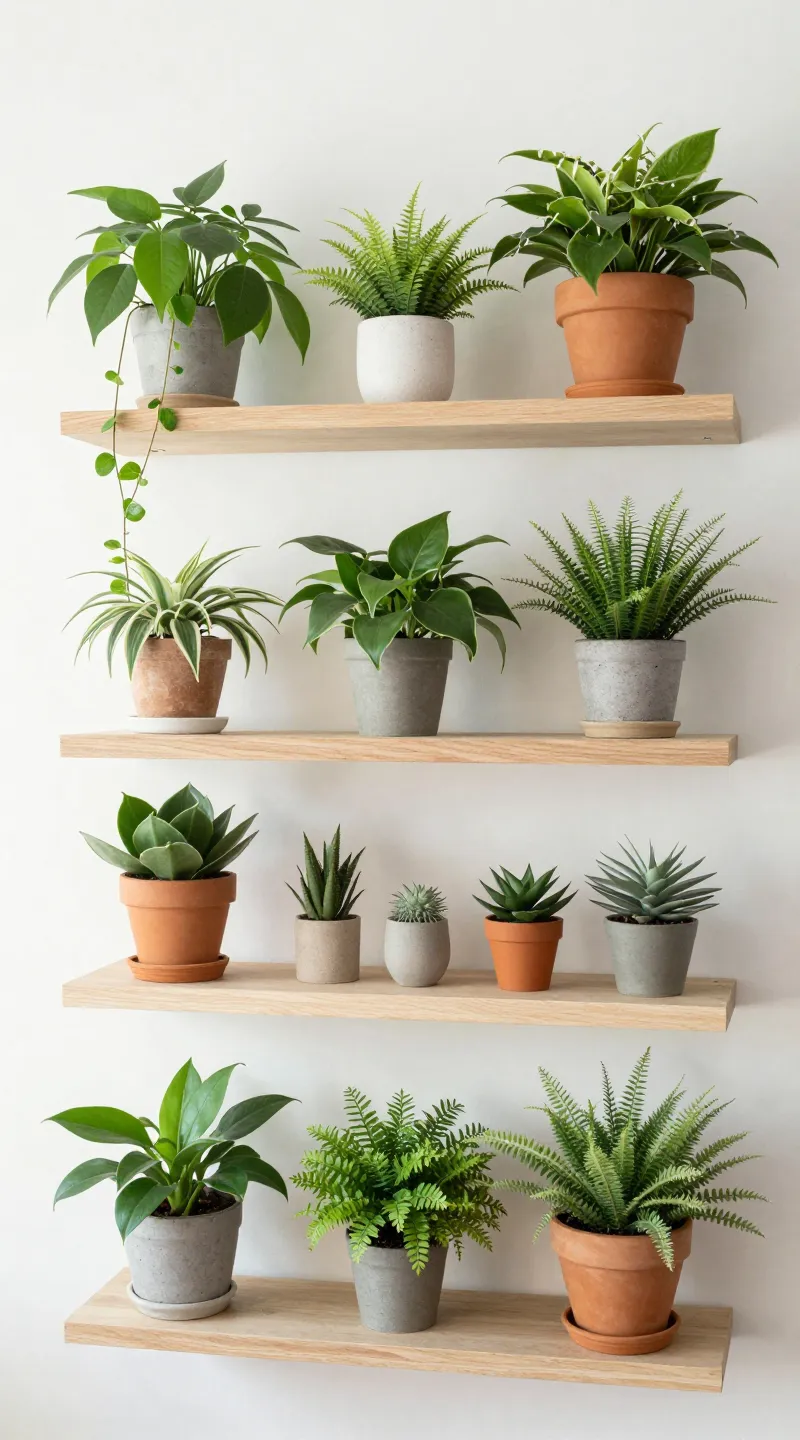
- Avoid toxic plants: Lilies, pothos, philodendron, sago palm, and aloe can harm pets.
- Safe swaps: Spider plant, calathea, areca palm, African violet, and herbs like basil or parsley.
- Placement matters: Hang baskets or use tall stands. Cats consider anything below six feet “theirs,” IMO.
Trash, Cleaners, and Meds
- Lockable trash cans: Step-lid or cabinet bins beat raccoon cosplay.
- High shelves for cleaners: Bleach, essential oils, and some detergents = no-go.
- Secure meds: Human meds hurt pets fast—store in latched cabinets.
Design Your Entryway Like a Mudroom MVP
Chaos starts at the door. Set up a drop zone that handles dirt, leashes, and zoomy greetings.
- Hooks and baskets: Leashes, harnesses, raincoats, and poop bags within arm’s reach.
- Wipe-down station: Keep towels, paw wipes, and a spray bottle of diluted pet-safe cleaner.
- Rug strategy: Layer a washable runner over a non-slip pad. Dark patterns hide dirt.
- Shoe policy: Shoes off reduces what ends up on paws (and then your couch).
Enrichment: Tire Them Out, Save Your Couch
Bored pets redecorate. Usually with teeth. Build enrichment into your home so they stay engaged and you keep your baseboards.
For Dogs
- Rotation bin: Keep a stash of toys and rotate weekly so they feel “new.”
- Food puzzles: Snuffle mats, lick mats, and puzzle feeders burn mental energy.
- Indoor fetch lane: Clear one hallway for quick play when weather stinks.
For Cats
- Scratching variety: Vertical posts, horizontal pads, and different materials (sisal, cardboard, carpet).
- Vertical territory: Cat trees, shelves, or a top-of-bookshelf perch.
- Hunt mode: Scatter small treats or use feeder toys to satisfy instincts.
Cleaning Routines That Don’t Eat Your Weekend
Short, regular maintenance beats occasional marathons. Build habits that keep mess small and manageable.
- Daily five-minute sweep: Quick vacuum of high-traffic zones. Robot vacs help, but empty them often.
- Weekly fabric reset: Wash bed covers, throws, and slipcovers. Lint-roll cushions between washes.
- Spot-clean kit: Enzyme cleaner, microfiber cloths, rubber grooming glove, and a small squeegee for fur on rugs.
- Groom at home: Brush pets regularly. Less fur on them = less fur on everything, FYI.
Safety Checks You’ll Be Glad You Did
Accidents happen fast. A few smart safeguards lower the odds and the stress.
- Secure windows and balconies: Install sturdy screens; use balcony mesh for small pets.
- Baby gates: Create no-go zones for cooking, stairs, or post-surgery rest.
- ID and microchip: Collar tags plus a registered microchip = highest chance of reunion.
- Emergency prep: Keep a pet first-aid kit, a carrier by the door, and a “pets inside” sticker for responders.
FAQ
How do I keep my sofa from becoming a scratching post?
Give your cat a better option right next to the danger zone. Place a sturdy sisal post beside the sofa arm, sprinkle catnip, and reward every use. Cover the sofa corner with a temporary scratch shield and use a deterrent spray. After a few weeks, remove the shield—habit built.
What’s the best way to handle pet odors without harsh chemicals?
Use an enzyme cleaner for accidents and a HEPA purifier for lingering smells. Open windows daily for a quick air exchange. Wash textiles weekly, and sprinkle baking soda on rugs before vacuuming. Candles and sprays just mask odors; enzymes actually break them down.
Can I keep rugs with pets, or is that just chaos?
Keep them! Choose low-pile, patterned, washable rugs with a non-slip pad. Dark or heathered patterns hide fur and stains. If a rug says “machine washable,” it’s basically pet gold, IMO.
How do I protect wood floors from nail scratches?
Keep nails trimmed and consider paw wax or soft nail caps for heavy scratchers. Add area rugs in high-zoom zones and choose a matte, textured finish for the wood. Place felt pads under furniture to avoid additional scuffs during play.
Which houseplants are safe if my cat munches everything?
Good options include spider plant, calathea, areca palm, parlor palm, Boston fern, and herbs like basil or thyme. Always double-check the ASPCA’s toxic plant list. And elevate plants or use wall shelves to reduce “free salad bar” temptations.
How do I stop my dog from raiding the trash?
Use a lidded, step-on can with a locking top or hide the bin inside a cabinet. Keep tempting items in the freezer until trash day. Add training: reward your dog for staying on a mat while you cook to break the “scavenge in the kitchen” habit.
Conclusion
A pet-friendly home isn’t about sacrificing style—it’s about choosing smarter tools. Pick durable materials, create zones your pet actually loves, and build quick cleaning habits. Do that, and you’ll spend less time scrubbing and more time snuggling. Which, let’s be honest, is why you adopted your furry roommate in the first place.
Explore iPet Choice
Discover helpful pet care tips, trusted product recommendations, and practical guides for dogs, cats, fish, and more.