Your indoor cat isn’t bored because they’re “lazy.” They’re bored because we gave them four walls and a couch and called it a day. The good news? You can turn your home into a feline playground without wrecking your decor. Let’s keep your indoor cat happy, active, and delightfully chaotic—in a good way.
Rethink “Exercise”: Make Hunting Happen Indoors
Cats don’t jog. They stalk, sprint, and pounce in short bursts. So we build “hunting” into the day, not a 30-minute treadmill session (please don’t).
- Use wand toys that move like prey. Drag it away from your cat, hide it behind furniture, then let it “escape.” Make it tricky. Cats love the chase, not a toy waving in their face.
- Schedule short play sprints—2–3 sessions daily, 5–10 minutes each. Think: morning zoomies and evening hunt. Easy.
- End with a “kill” and a snack to complete the prey cycle. This reduces frustration and post-play whining.
Best Toys That Don’t Suck
- Wand toys: Da Bird, Cat Dancer, ribbon lures
- Self-play: kickers with catnip/valerian, crinkle balls, springs
- Tech toys: rotating lasers (use sparingly), motion-activated balls
Turn Your Space Into a Cat Jungle (Without Making It Ugly)
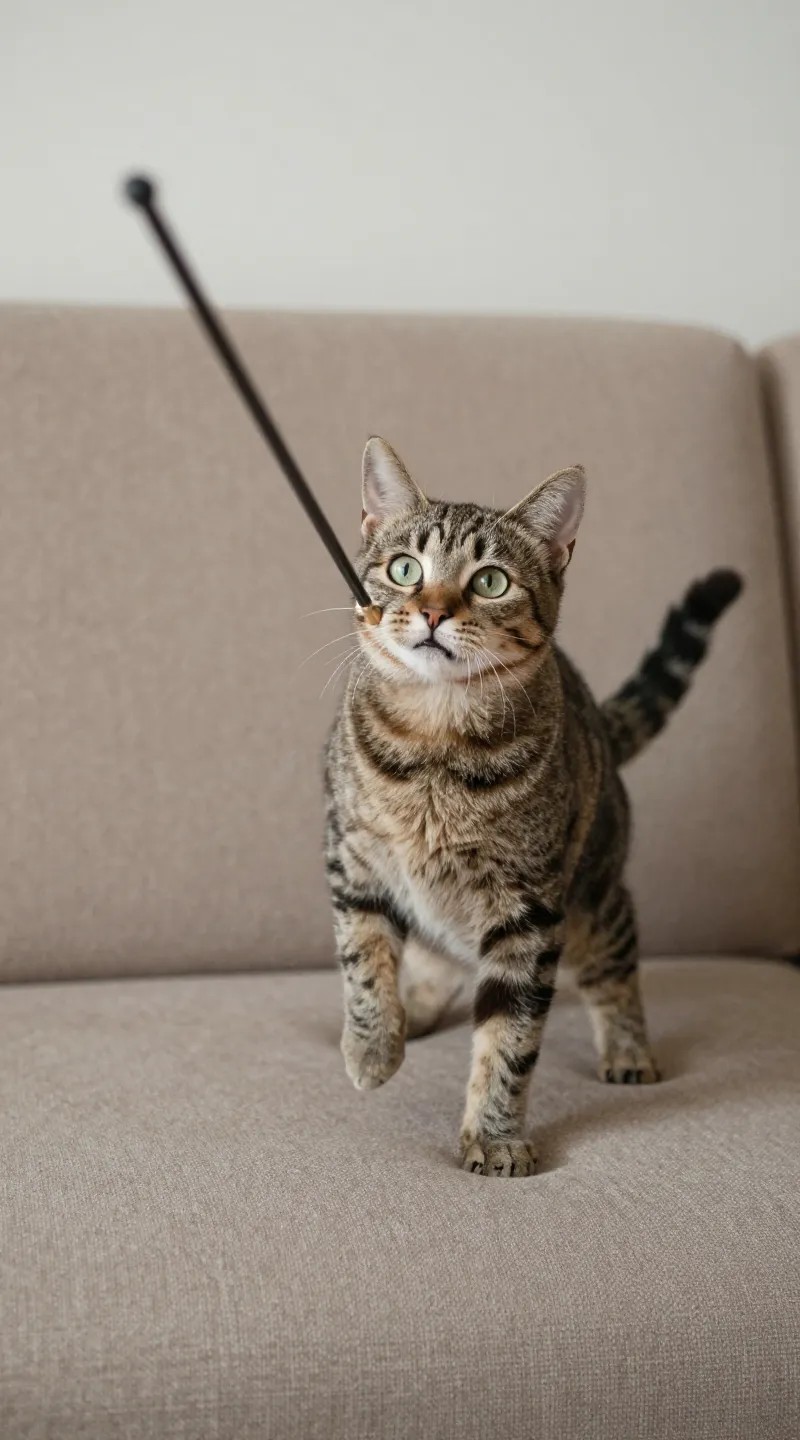
Cats want height, vantage points, and safe hideouts. No, your dining table doesn’t count.
- Vertical territory: cat trees, window perches, shelf systems. Aim for at least one high spot per room your cat uses.
- Pathways: create routes between perches so your cat can patrol. A bookcase, a chair, then a window seat—boom, cat highway.
- Hideouts: caves, cubes, even a cardboard box (yes, the box stays). Cats need “off switches” to decompress.
Set Up a Killer Window Station
- Install a suction-cup or clamp-on window perch.
- Add a bird feeder outside (suction-cup style works great). Instant Cat TV.
- Rotate the view if possible—different windows, different vibes. IMO, variety keeps them curious.
Food Puzzles: Because Free Feeding Is Boring
We handed cats a bowl and stole their job. Give them that job back—gently.
- Start with easy puzzles: muffin tin + balls over kibble, or a slow-feeder bowl.
- Level up: rolling treat balls, snuffle mats, and puzzle towers.
- Use meal times: split meals into 2–4 puzzle stations around the house. Your cat “forages,” burns energy, and brags about it silently.
DIY For the Win
- Toilet paper rolls taped into a honeycomb—drop kibble in.
- Egg cartons—hide treats under crumpled paper.
- Paper bags—sprinkle a few treats and crinkle it shut. Cheap enrichment = best enrichment.
Scratch Like a Pro: Save Your Couch

Scratching = stretching, grooming claws, claiming territory. If you don’t give options, your sofa becomes the option.
- Offer multiple textures: sisal, cardboard, carpet. Cats get picky (relatable).
- Use both orientations: at least one vertical post and one horizontal pad.
- Placement matters: put scratchers where your cat already hangs out—by the couch, near windows, in entryways.
Make Scratchers Irresistible
- Sprinkle catnip or silvervine.
- Place a toy on top to lure them.
- Reward with a treat and praise after they use it. Yes, they understand vibes.
Routine = Calm Cat Energy
Unpredictable days can stress cats and trigger zoomies at 3 a.m. You can fix this with rhythm.
- Keep feeding times consistent. Cats love clocks. They read yours.
- Anchor play before meals (hunt → eat → groom → nap). It’s the natural cycle.
- Build micro-rituals: morning window time, afternoon puzzle drop, evening wand play. Small, steady habits beat random marathons, FYI.
Social Enrichment Without Overwhelm

Some cats love cuddles; others prefer a respectful nod from across the room. Read the room—cat edition.
- Consent first: invite them onto the couch; don’t scoop and squeeze.
- Greet with a slow blink and a hand to sniff. Let them initiate contact.
- Rotate novelty: new toys weekly, different play styles, fresh scents (cat-safe herbs). Small changes keep life spicy.
Multicat Peace Treaties
- Provide one litter box per cat, plus one extra, in different locations.
- Duplicate resources—bowls, beds, perches—so nobody guards the “good spot.”
- Play with them separately if tension rises, then do a joint calm session with treats.
Bring the Outdoors In (Safely)
Your cat can enjoy nature without risking cars, coyotes, or that neighbor who thinks tuna is a personality.
- Catios or window boxes: even small enclosures give huge enrichment.
- Harness training: start indoors, go slow, reward heavily. Some cats stroll like pros; others flop dramatically. Both are valid.
- Scents and sounds: bring in leaves, sticks, or use cat-safe plants like cat grass. Play bird sounds for short sessions, not all day.
Plant Choices That Don’t Kill the Vibe (or the Cat)
- Safe: cat grass, catnip, valerian, spider plants (can cause mild munchies, but not dangerous).
- Avoid: lilies (all parts, extremely toxic), sago palm, philodendron, dieffenbachia.
Mind and Body: Don’t Ignore Health

A bored cat can equal a destructive or anxious cat—but health issues can look like “bad behavior,” too.
- Annual vet checks catch dental pain, arthritis, or hyperthyroidism that reduce activity.
- Watch weight: feel for ribs (light padding, not a marshmallow). Use measured meals, not a bottomless bowl.
- Grooming sessions help with bonding and hairball prevention. Bonus: great time to check nails and inspect for lumps, IMO.
FAQ
How much play does an indoor cat actually need?
Aim for 10–20 minutes total per day, split into short sessions. Most cats respond best to 5–10 minutes of intense prey-style play, twice a day. Quality beats quantity—make it realistic and consistent.
My cat ignores toys. What now?
Switch the type and how you present it. Try different textures (feathers vs. fabric), sounds (crinkle vs. silent), and movement (fast, slow, hiding). Rotate toys weekly and store them out of sight between sessions so they feel “new.”
Is a laser pointer okay?
Yes, but give a tangible “kill” at the end—drop a treat or switch to a toy they can catch. Without a catch, some cats get frustrated. Always avoid eyes and keep sessions short.
How do I stop 3 a.m. zoomies?
Play a vigorous hunt game in the evening, feed a small meal afterward, then dim lights and keep interactions low-key. Add a late-night puzzle feeder. Meet their energy needs before bedtime and your sleep improves fast.
Do cats need a friend?
Some thrive solo, others adore a buddy. If your cat shows playful energy toward other cats and doesn’t stress easily, a carefully introduced companion can help. If your cat is territorial or anxious, stick to human-led enrichment.
What’s the best indoor litter box setup?
Provide one box per cat plus one extra, in quiet, open areas (not next to washers or blaring TVs). Scoop daily, refresh litter regularly, and use large, uncovered boxes for most cats. Comfort equals fewer “mystery puddles.”
Conclusion
Indoor cats stay happy and active when we give them a life that fits their instincts: hunt, climb, scratch, explore, nap, repeat. Build short, daily play bursts, add vertical spaces, use food puzzles, and keep routines steady. Small tweaks create a big mood shift—fewer midnight zoomies, more satisfied loafing. And honestly? Watching your cat conquer their mini jungle is half the fun.
Explore iPet Choice
Discover helpful pet care tips, trusted product recommendations, and practical guides for dogs, cats, fish, and more.