You brought home a tiny ball of chaos with whiskers—congrats! Now you need a cage that keeps them safe, comfy, and not plotting an escape every five minutes. Good news: you don’t need a PhD in rodent engineering. You just need a few smart choices and a little common sense. Let’s build a setup your pet loves—and you don’t have to stress over.
Pick the Right Cage (Size, Bars, and Layout)
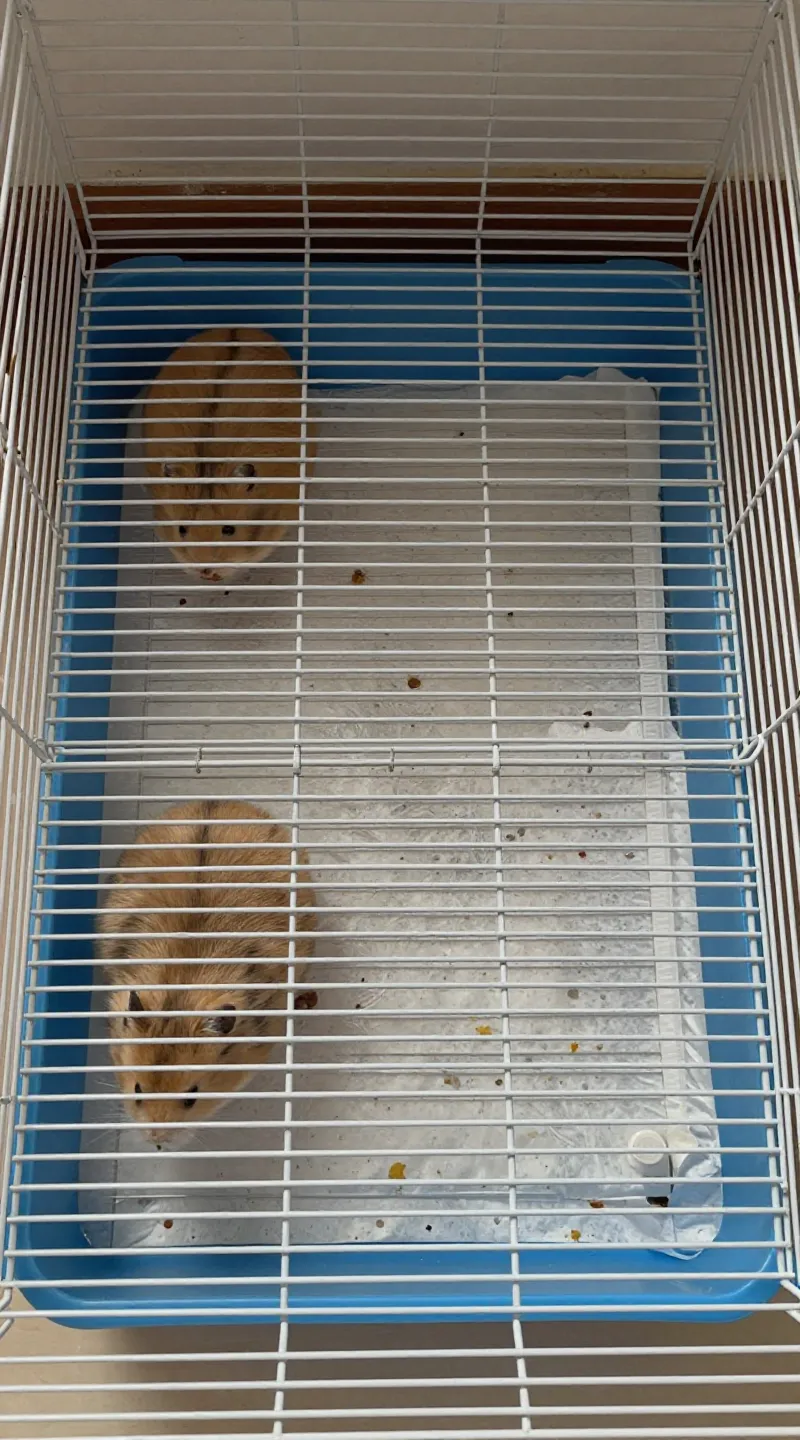
Bigger wins. Always. Small pets need room to sprint, burrow, and do dramatic zoomies at 3 a.m. Go above the minimum size recommendations, because “minimum” is code for “barely tolerable.”
- Hamsters: At least 450–600+ square inches of floor space. More for Syrians.
- Gerbils: Similar space, plus deep digging area (8–10 inches).
- Rats: Multi-level cage with strong bars and at least 2–3 cubic feet per rat.
- Guinea pigs: 7.5 sq ft for one; 10.5+ sq ft for two. Wider beats taller.
Bar spacing matters. Hamsters and mice slip through tiny gaps, so aim for 1/4″ spacing for those guys. Rats can handle up to 1/2″. For guinea pigs, solid-sided C&C grids with coroplast bottoms work great.
Wire vs. Glass vs. DIY
– Wire cages: Great ventilation. Watch for small bar spacing and a deep base to hold bedding.
– Glass tanks/bin cages: Perfect for burrowers. Add a mesh lid for airflow.
– DIY C&C setups: Awesome for guinea pigs—customizable and affordable.
Location, Location, Location

You can have the best cage, but a terrible spot ruins it fast. Keep cages away from direct sun, drafts, and loud noise. Your pet does not want to vibe next to your subwoofer.
- Temperature: Aim for 65–75°F. Avoid big swings.
- Quiet but social: A calm room where you hang out works. Not the kitchen (fumes) or garage (everything bad).
- Height: Place the cage on a stable stand or table so you meet their eye line. Floor-level feels scary and cold.
Other Pets and Kids
Cats think “enrichment.” Your small pet thinks “horror movie.” Keep other animals out of reach and teach kids to use calm voices and slow hands. Lock doors or use lids with clips if needed.
Set Up the Base: Safe Substrates and Bedding

Your pet lives nose-first in their bedding. Make it safe and comfy.
- Great choices: Paper-based bedding, aspen shavings, hemp bedding.
- Avoid: Pine and cedar (aromatic oils irritate airways), dusty clay litters, scented beddings.
- Depth: Hamsters and gerbils need 6–10+ inches for tunnels. Guinea pigs: 2–3 inches or fleece liners. Rats: paper bedding or fleece with absorbent layers.
Fleece Setups (for pigs and rats)
Fleece looks cute, but it’s a system. Use an absorbent layer under it, wash regularly, and spot-clean daily. No loose threads—little toes get caught.
Furniture: Hideouts, Wheels, and Chewables

Think of the cage as a studio apartment. Your pet needs zones: sleep, snack, sprint, and spy-on-you.
- Hideouts: At least two. Wooden houses, cork logs, cardboard tunnels. One with two exits feels safer.
- Wheels: Hamsters and rats need solid-surface wheels. 12” for Syrian hamsters, 8–10” for dwarfs, 12–16” for rats. No wire rungs—ever.
- Chews: Untreated wood, cardboard, apple sticks, safe mineral stones (not salt licks for animals that don’t need them).
- Platforms: Add ramps and shelves for rats; keep heights low for hamster safety.
- Tunnels and dig areas: Especially for gerbils and hamsters—mix hay, shredded paper, and bedding to hold burrows.
Enrichment Rotation
Rotate toys weekly. Bored pets chew bars, pace, or plot jail breaks. FYI, a simple cardboard box can beat a pricey “enrichment ball” any day.
Food and Water: Clean, Stable, and Boring (in a good way)

We’re not running a buffet. Keep it simple and consistent.
- Water: Bottle with a metal sipper or a heavy ceramic bowl. Check daily. Replace water every 24 hours.
- Food bowls: Heavy ceramic dishes that won’t tip. Scatter feeding for foraging fun.
- Diet basics: Species-specific pellets, unlimited hay for guinea pigs, seeds as treats for hamsters (not main diet), fresh veg in small amounts.
Vitamin C for Guinea Pigs
They can’t make it themselves. Use fortified pellets and fresh veg like bell peppers. Skip drops in water—doses vary wildly and the water tastes weird.
Safety Checks: Eliminate Escape Routes and Hazards
Small pets specialize in Houdini-level escapes. Secure every door, lid, and gap. If you can fit a pinky through a gap, some animals can fit their entire body. Not a joke.
- No sharp edges: Sand down wires or cover with safe guards.
- Cable management: Keep cords well away. Chewing is a lifestyle.
- Bar biting: Often means boredom or a too-small cage. Upgrade space and enrichment.
- Climbing risks: For hamsters, avoid tall drops. Use hammocks and platforms to catch falls.
- Litter training (rats/guinea pigs): Use paper pellets in a corner tray. Never clumping cat litter.
Cleaning Routine
– Spot clean daily: Remove wet spots, old veggies, and obvious messes.
– Deep clean weekly: Replace bedding, wash accessories with mild, unscented soap, rinse well, dry fully.
– Keep some old bedding: Mix a handful back in so it still smells like home.
Social Setup: Roommates and Personal Space
Some small pets thrive with friends; others say “no thanks.”
- Guinea pigs and rats: Social—keep in pairs or small groups of the same sex (or neutered combinations).
- Hamsters: Syrians live solo. Dwarfs sometimes pair up, but fights can get serious fast.
- Gerbils: Pairs or small groups, introduced young.
Always have a backup cage for emergency separations. IMO, this saves so many dramatic midnight panics.
Temperature, Light, and Air Quality
Small pets hate extremes. Keep things steady and fresh.
- Ventilation: Good airflow without drafts. Don’t cover the whole cage with a blanket.
- Humidity: 40–60% works for most. Too high = musty bedding, too low = skin issues.
- Light: Natural day-night cycle. No direct sun, no 24/7 overhead light. Dim nights help everyone sleep, including you.
Scented Products: Just Don’t
Scented bedding, candles, air fresheners—hard pass. Tiny lungs don’t love perfume clouds. Clean regularly instead.
Budget Tips That Don’t Sacrifice Safety
Pet stores love overpriced plastic. You can do better.
- DIY hides: Cardboard boxes, terracotta pots, PVC tunnels (smooth edges).
- Secondhand deals: Disinfect thoroughly and inspect for rust or damage.
- Bulk bedding: Save money with large bales of paper/aspen. Store dry.
- Simple upgrades: Add zip ties to reinforce doors and grids. Use binder clips for lids. Cheap, effective, chef’s kiss.
FAQ
How often should I clean the cage?
Spot clean daily and deep clean weekly. For larger cages with good bedding depth, you can stretch to every 10–14 days if it doesn’t smell, but keep up with spot cleaning. Always refresh water and remove old veggies daily.
What’s the safest wheel for small pets?
A solid-surface wheel with no bars or mesh. Pick the largest size your pet can run on with a straight back. For Syrians, 12” is ideal; dwarfs do well with 8–10”; rats often need 14–16”. If their back arches, the wheel is too small.
Can I put my small pet near a window?
Indirect light is fine, direct sun is not. Cages near windows heat up and create temperature swings. If you want them in that room, keep them a few feet back and monitor temps.
Do I need a playpen or can they just free-roam?
Playpens are safer. If you free-roam, proof the space like you have a crawling toddler with wire cutters. Block gaps, hide cables, and supervise closely. FYI, rats love supervised free-roam; hamsters prefer secure playpens.
How deep should bedding be?
Hamsters and gerbils need 6–10+ inches for proper burrowing. Guinea pigs don’t burrow; use 2–3 inches or fleece liners. Rats do fine with a few inches plus hammocks and shelves for enrichment.
What’s the best cage for guinea pigs?
C&C cages with coroplast bases rock. They offer tons of floor space, great ventilation, and easy cleaning. Aim for at least 7.5 sq ft for one pig, and 10.5+ sq ft for two. Bigger is always better, IMO.
Wrap-Up: Build the Safe Haven
Set the right cage, place it smartly, add comfy bedding, and stock it with hides, a proper wheel, and safe chews. Keep things clean, secure, and enriched, and you’ve nailed it. Your tiny roommate stays safe and happy, and you get the joy of watching them live their best little life. Win–win.
Explore iPet Choice
Discover helpful pet care tips, trusted product recommendations, and practical guides for dogs, cats, fish, and more.