You love your cat. You also love sleep. Unfortunately, those two things don’t always hang out together. If your feline alarm clock goes off at 3 a.m. every night with zoomies, meows, or a well-placed paw to the face, you’re not alone. Good news: you can retrain your tiny night goblin and reclaim your REM cycles without losing the cuddles.
Figure Out Why Your Cat Turns Into a Midnight Menace
Cats don’t wake you up just to be annoying (even if it feels like it). They usually have a reason. Once you decode it, you can fix it.
- Hunger: Your cat learned that yelling at 4 a.m. gets breakfast. Congrats, you trained them!
- Energy overflow: Cats sleep all day, then get zoomies at midnight. Classic.
- Boredom: Not enough stimulation during the day leads to “hey, hooman, entertain me” at night.
- Anxiety or habit: Changes at home or a reinforced pattern can trigger night wakings.
- Medical issues: Hyperthyroidism, pain, or cognitive changes can cause restlessness—especially in older cats.
When to Call the Vet
If the night wakings start suddenly, come with excessive vocalization, or your cat is senior-aged, book a checkup. You want to rule out pain, thyroid issues, UTIs, or cognitive dysfunction. IMO, a quick vet visit beats months of sleep deprivation.
Feed Strategically So Breakfast Doesn’t Happen at 4 A.M.
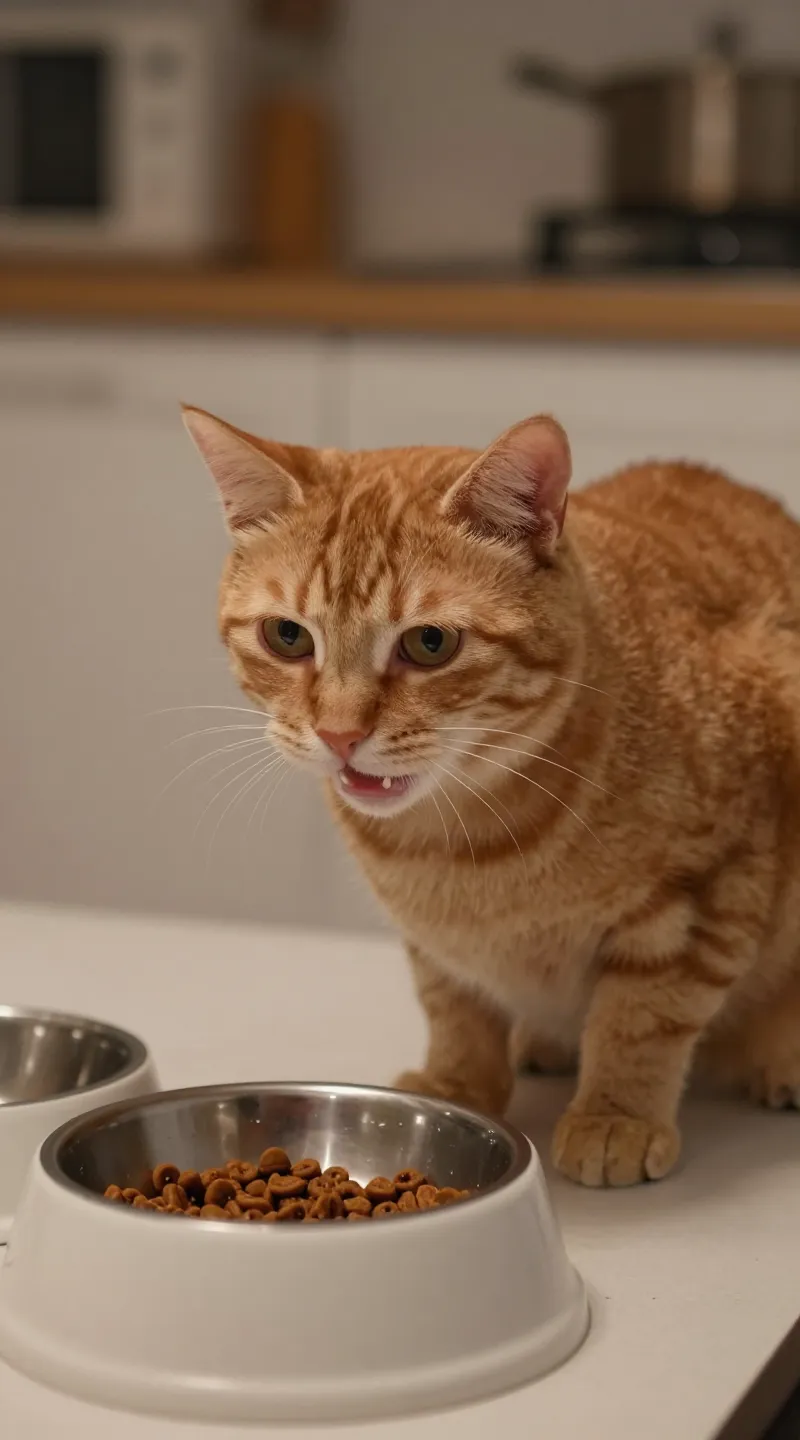
If your cat thinks dawn equals buffet, you can un-teach that. You just need consistency and time.
- Move dinner later: Feed a larger, high-protein meal 1–2 hours before your bedtime. Protein keeps them fuller longer.
- Use a timed feeder: Set it to open before your cat usually wakes you (say 4:45 a.m. vs. 5 a.m.). Your cat learns the machine feeds them—not you.
- Don’t feed when they wake you: Ever. Not once. That single sleepy pity snack resets the training.
- Try puzzle feeders: Make them “hunt” dinner to burn mental energy.
What to Feed at Night
Choose a wet food with solid protein and moisture. Cats feel more satisfied, and hydration helps overall health. FYI, dry food grazers often snack constantly and still demand breakfast early. A planned, hearty evening meal helps more.
Tire Them Out Before Bed (Yes, Like a Toddler)
You can’t expect an 8-pound panther to sleep if they didn’t “hunt” first. A pre-bed play session works wonders.
- Play in cycles: 10–15 minutes of interactive play (wand toys, laser pointers), then a short break, then repeat once.
- Use realistic prey movement: Drag the toy away from them, hide it behind a chair, let them stalk and pounce.
- End with a “kill” and a snack: Finish the sequence with them catching the toy, then offer a small treat. Hunt → eat → groom → sleep.
- Rotate toys: Keep it fresh. Retire toys for a week so they feel “new” again.
Morning and Afternoon Matter Too
If your cat naps 18 hours straight, no wonder they’re wired at night. Add two shorter play sessions earlier in the day. Even 5–10 minutes makes a difference.
Make Your Bedroom Boring (and Unrewarding)

You need to remove the fun from nighttime wake-ups. That means your attention stops being a prize.
- Ignore the behavior: Don’t talk, don’t move, don’t feed, don’t pet. Even grumbling counts as attention.
- Use earplugs or white noise: Protect your sanity while the habit fades.
- Close the door: If your cat scratches, use a draft stopper or a door guard and consider a scat mat or hallway deterrent outside the door (harmless textured mats—no shock, IMO).
- Offer an alternative bed: Place a cozy cat bed or heated mat outside your bedroom door to make outside more appealing.
Bedroom Upgrades That Help
– Automatic feeder in another room timed for early morning.
– Motion nightlight near the litter box to reduce anxiety about navigating in the dark.
– A cat tree near a window with a perch—nighttime bird TV beats yelling at you.
Create a Cat-Friendly Night Routine
Cats adore predictability. Set an evening rhythm and stick to it.
- Play session (hunt mode).
- Meal or treat after play.
- Calm time—grooming or gentle petting if your cat likes it.
- Lights dimmed, doors arranged, feeder set.
Keep the vibe calm before bed. Chasing them around the house right before sleep? Fun for them, terrible for you.
Environmental Enrichment During the Night
Set up quiet activities they can do without you:
- Foragers: treat balls or snuffle mats.
- Solo toys: kicker toys, catnip or silvervine options, springs.
- Vertical space: shelves or a tall cat tree so they can survey their kingdom.
Stick to the Plan (Consistency Beats Bribery)
Behavior change takes time. Your cat will probably escalate first. That’s called an extinction burst—“I meowed louder and it used to work, why not now?”
- Hold firm for 10–14 days: Most cats adjust within two weeks if you stay consistent.
- Split responsibilities: If two people live with you, both must ignore the night serenade. One weak link = back to square one.
- Track wins: Note wake times, feeding times, and play sessions so you can see progress.
What If You Slip?
It happens. If you fed them at 3 a.m., reset immediately the next night. Double down on late play and pre-bed meal. You didn’t ruin everything—just don’t make it a pattern.
Special Cases: Kittens, Seniors, and Anxious Cats
Different cats, different tactics—same goal: you sleep.
- Kittens: They have chaotic sleep cycles and tons of energy. Do frequent short play bursts and use a timed feeder. Expect improvement as they mature.
- Seniors: Check for pain, arthritis, and cognitive changes. Night lights, easy-to-reach litter boxes, and soft bedding help. Ask your vet about joint support or calming supplements.
- Anxious cats: Use pheromone diffusers, predictable routines, and more hiding spots. Consider consulting a behaviorist if the meowing feels panic-driven.
Tools That Actually Help
– Timed feeder: Breaks the “human = food” link.
– Wand toy + kicker: Best pre-bed combo.
– Pheromone diffuser: Calms the general vibe.
– Heated bed: Encourages longer naps in one spot. FYI, many cats will pick warmth over chaos.
- Timed feeder – View on Amazon
- Wand toy + kicker – View on Amazon
- Pheromone diffuser – View on Amazon
- Heated bed – View on Amazon
Some links may be affiliate links.
Common Mistakes to Avoid

- Feeding when they meow: This trains them to wake you. Every time.
- Inconsistent schedules: Weekend lie-ins confuse them. Keep their feeder consistent even if you sleep longer.
- Only passive toys: Cats need interactive play with you, not just a pile of stuff.
- Skipping the vet: Don’t assume it’s behavioral if it starts suddenly.
- Overusing punishment: Spraying water or yelling creates stress and can make behavior worse. IMO, positive routines work better and keep your bond intact.
FAQ
How long will it take to fix my cat’s night wakings?
Most cats improve within 1–2 weeks with consistent feeding schedules, pre-bed play, and zero reinforcement at night. Entrenched habits or multi-cat households may need 3–4 weeks. Track progress so you don’t miss gradual wins.
Should I lock my cat out of the bedroom?
You can, but make the hallway appealing and use sound buffers. Pair it with a timed feeder and nighttime enrichment. If scratching at the door becomes the new problem, add a door guard and provide a cozy bed outside. The key: don’t give in mid-night.
What if my cat scratches or yowls nonstop?
Assume it will escalate before it gets better. Use earplugs or white noise, and double your evening play for a few nights. If it persists beyond two weeks or seems distressed, consult your vet to rule out medical issues and ask about calming aids.
Do calming treats or pheromones work?
They can help, but they won’t fix a bad routine. Use them as support alongside structured play, feeding schedules, and ignoring night wakings. Think of them as “assistive tech,” not magic.
Can I free-feed to stop early wake-ups?
Free-feeding often backfires. Many cats snack all night and still demand breakfast at dawn because the behavior is about attention and routine, not just hunger. Timed meals and a solid evening play-feed ritual work better.
Is a second cat the solution?
Sometimes a buddy helps with boredom, but it can also double the chaos. Don’t adopt as a behavior fix. If you already wanted another cat and can handle introductions and costs, sure. Otherwise, stick to enrichment first.
Conclusion
You can absolutely teach your cat that night is for sleeping. Build a predictable evening routine, feed smart, play like you mean it, and refuse to reward 3 a.m. concerts. Stick with it for a couple weeks, and your fuzzy roommate will chill. Then you’ll both wake up happier—no paw-to-face alarm required.
Explore iPet Choice
Discover helpful pet care tips, trusted product recommendations, and practical guides for dogs, cats, fish, and more.
*Some links in this post may be affiliate links.