You love your dog. Your dog loves you. But your dog also loses their fluffy mind when you leave for ten minutes to grab milk. Let’s fix that. You can teach your dog to chill at home alone without turning your hallway into a confetti parade. It takes practice, patience, and a bit of strategy—not magic.
Why Dogs Struggle With Alone Time
Dogs don’t read calendars or watch the clock. You leave, and they worry you fell into a black hole. Some dogs also get bored super fast, and boredom plus energy equals “let me redecorate with couch stuffing.”
Separation anxiety isn’t just sadness—it’s panic. If your dog whines, barks, paces, destroys stuff, or has accidents when you leave, you need a plan. The good news? Most dogs can learn to relax when you’re gone. You just have to show them how.
Step Zero: Drain the Battery (Nicely)
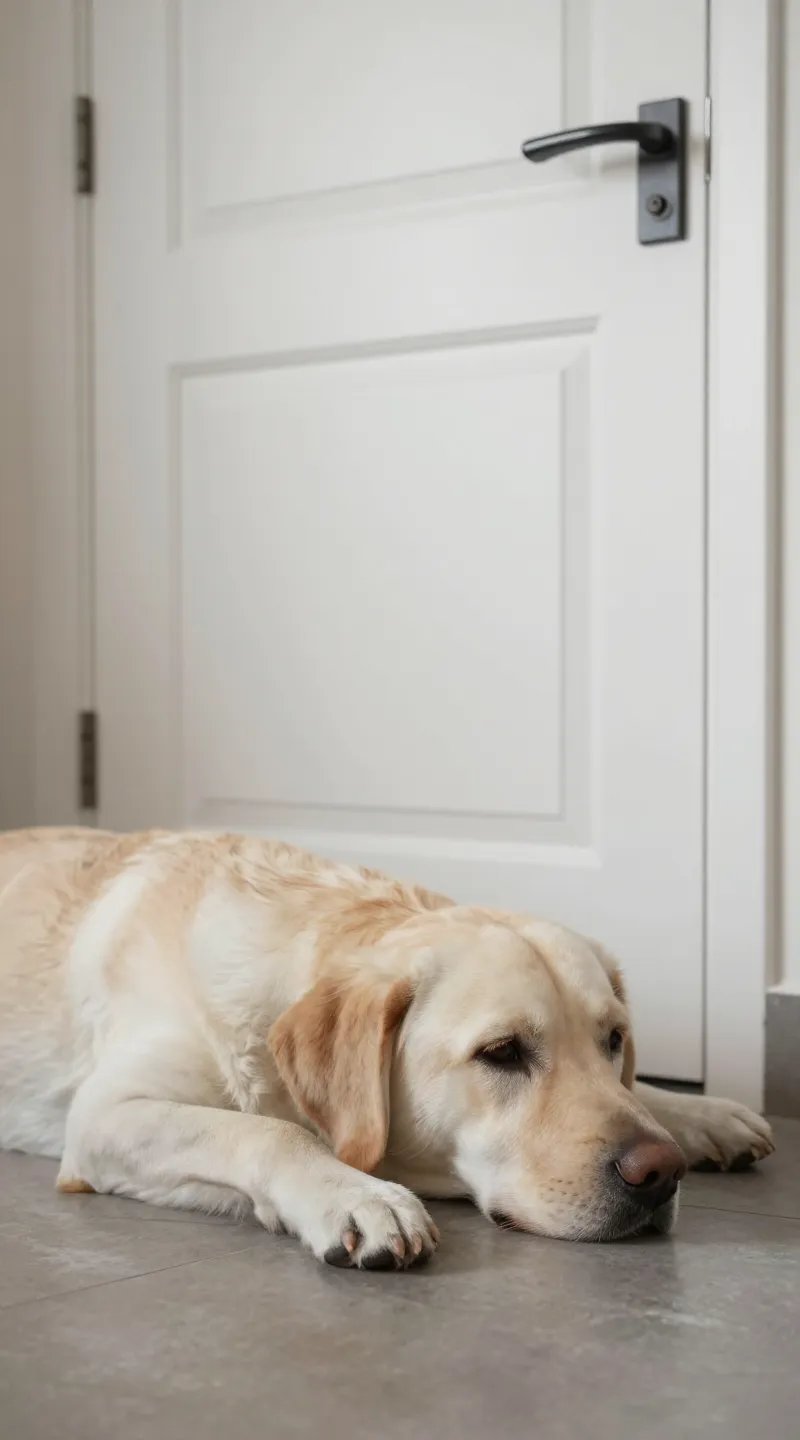
Tired dogs don’t stage revolutions. Give your dog a solid workout before alone time. Not a lazy stroll—an actual energy dump.
- Physical exercise: brisk walk, fetch, tug, or off-leash zoomies.
- Mental work: 10 minutes of training (sits, downs, stays, tricks) beats 30 minutes of aimless wandering.
- Sniff time: nose work tires the brain—scatter feed in the yard or do a “find it” game.
Pro tip: Schedule departures after exercise and a potty break, not when your dog is at peak chaos.
Build a Cozy, Safe “You-Free” Zone
Your dog needs a spot that screams “good vibes only.” That might be a crate (if crate trained), a playpen, or a quiet room.
- Make it comfy: bed, water, and safe chew toys.
- Calming extras: a fan or white noise, closed curtains, a worn t-shirt that smells like you.
- Boundaries: baby gates beat closed doors for some dogs—they feel less trapped.
Crate Training Without the Guilt
If your dog likes their crate, great. If not, don’t force it. Pair the crate with high-value treats and feed meals inside. Leave the door open at first. Your dog should walk in by choice, not because you did a gentle forklift maneuver.
Gradual Alone-Time Training (AKA The Boring Magic)

You’ll teach your dog that your absence predicts calm and good things. Start tiny. Like, ridiculously tiny.
- Door rituals: Pick a cue phrase like “Be right back.” Give your dog a stuffed Kong. Step out for 10 seconds. Come back before they fuss.
- Increase in small bites: 10s, 20s, 30s, 1 min, 2 min, 3 min. If your dog struggles, drop back to the last easy step.
- Randomize: Mix short and medium intervals. Predictability helps, but a little variety prevents countdown panic.
- Keep exits boring: no dramatic goodbyes. Leave like you forgot your phone in the car. Return the same way—no party, no guilt confetti.
Key rule: Always return while your dog still looks calm. Reinforce the behavior you want, not the meltdown.
What Counts as “Calm”?
Look for quiet chewing, soft eyes, relaxed body, maybe a little sigh. If your dog stands at the door, paces, whines, or stares like a horror-movie doll, you leveled up too fast.
Use Food and Toys Like a Strategist
We want your dog to think, “You’re leaving? Cool, snack time.” Use long-lasting chews and puzzle toys that take work.
- Stuffed Kongs: Plug with peanut butter or yogurt and freeze for extra challenge.
- Snuffle mats: Hide kibble and treats so the nose gets a workout.
- Slow feeders and puzzle toys: Make the brain earn breakfast.
FYI: Save the best stuff only for alone-time. If the Kong appears when you grab keys, your dog should think “jackpot,” not “oh no.”
Rotate to Keep It Interesting
Dogs get toy fatigue. Keep 3-5 high-value options and rotate daily. It keeps novelty high and destruction low.
Desensitize the Triggers

Many dogs panic the moment you pick up keys or put on shoes. Let’s break that link.
- Fake them out: Grab your keys and sit on the couch. Put on shoes and go make tea. Repeat until these cues mean nothing.
- Practice door sounds: open/close the door, lock/unlock, jingle keys—while you stay inside and hand over treats.
- Use cameras: a cheap pet cam helps you spot the exact trigger and adjust.
When You Actually Have to Leave
Life happens. You can’t always run a perfect training plan. Set your dog up to succeed anyway.
- Hire help: dog walker, neighbor, or daycare 1-3 times a week to break up long stretches.
- Background noise: play talk radio, audiobooks, or a “calm dog” playlist at low volume.
- Limit the playground: use gates or a safe room to remove temptation. Your couch will thank you.
What About Tech?
Interactive cameras and treat tossers help some dogs, but don’t overuse them. You want your dog to relax without constant check-ins. Tech is a tool, not a crutch.
Recognize Real Separation Anxiety

Some dogs need more than DIY. You’re not failing; you’re being smart.
Look for:
- Intense distress within minutes of leaving
- Destruction focused on doors/windows
- Drooling puddles, panting, or pacing on repeat
- Howling that would embarrass a coyote
If that’s your dog, talk to a vet or certified trainer. Medication plus training can change the whole picture. IMO, getting help early saves you months of frustration.
Common Mistakes (We’ve All Done Them)
- Rushing the timeline: increasing by 15 minutes overnight leads to backsliding.
- Making departures dramatic: no tearful speeches. Your dog reads your nerves like a book.
- Using punishment: scolding after destruction just confuses and scares your dog.
- Skipping mental exercise: brain work matters as much as walks.
- Weekend whiplash: letting your dog shadow you nonstop, then expecting a 6-hour Monday chill.
A Weekly Rhythm That Works
Try this simple pattern:
- Mon-Wed: 2-4 short alone sessions (5-20 minutes), plus one medium session.
- Thu-Fri: one longer session if your dog stays calm, otherwise keep it easy.
- Weekend: maintain micro-sessions so Monday doesn’t feel like betrayal.
Sample Training Plan (Two Weeks)
This is a template. Adjust based on your dog’s comfort.
- Days 1-3: 5-10 reps/day of 10-60 seconds. Pair with a stuffed Kong. You come back while they’re still calm.
- Days 4-7: Mix 1-5 minutes. Add occasional no-Kong reps so toys don’t become a crutch.
- Days 8-10: 5-10 minutes, with a couple of 12-15 minute trials. Use camera to confirm chill vibes.
- Days 11-14: Stretch to 20-30 minutes. If your dog stays relaxed, you’re ready to build toward an hour over the next week.
Rule of thumb: If your dog shows stress for more than 30 seconds, shorten the next session and end on a win.
FAQ
How long can most dogs stay alone?
Adult dogs can usually handle 4-6 hours with proper exercise and enrichment. Puppies need much shorter windows and more potty breaks. Start small and build—your dog’s behavior, not the clock, sets the pace.
Should I get another dog to keep mine company?
Sometimes it helps, but it won’t fix true separation anxiety—it can just give you two stressed dogs. Try training first. If your dog loves other dogs and enjoys daycare, that’s a safer test run.
Is crate training necessary for alone time?
Nope. Some dogs love crates; others do better in a gated room. Choose the option that keeps your dog calm and safe. Comfort beats dogma, IMO.
What if my dog won’t eat when I leave?
That’s a sign of high stress. Lower the difficulty—shorter absences, tastier food, and more desensitization to departure cues. You can also feed a portion of meals during training to boost motivation.
Can I leave the TV on?
Yes. Human voices help many dogs relax. Choose soothing content, keep the volume low, and pair with a chew or puzzle. It’s not a cure, but it smooths the edges.
When should I talk to a professional?
If your dog panics within minutes, can’t settle even with short sessions, or injures themselves, call your vet and a certified behavior professional. Medication plus a structured plan can work wonders and speed progress.
Conclusion
You can teach your dog to chill at home alone without the drama. Exercise the body, work the brain, create a cozy den, and build absence tolerance in tiny, boring steps. Keep exits casual, reward calm, and adjust when your dog says, “Too hard.” With consistency—and a stuffed Kong or three—you’ll both enjoy some guilt-free independence.
Explore iPet Choice
Discover helpful pet care tips, trusted product recommendations, and practical guides for dogs, cats, fish, and more.