You brought home a potato with legs and unlimited zoomies—congrats! The first 30 days with a puppy can feel like juggling fireworks. You’ll wonder if sleep is a myth and why socks vanish. Good news: with a simple plan and a little consistency, you’ll build habits that last a lifetime. Let’s set you and your pup up for wins (and fewer chewed chargers).
Week 1: Survive and Establish the Basics
Your mission this week: make your puppy feel safe and start micro-habits. Keep it simple. Think structure over perfection.
- Set up a safe zone: Crate or puppy pen with a bed, chew toys, and water. This becomes their den, not puppy jail.
- Make a schedule: Feed at the same times daily. Take out for potty immediately after waking, eating, playing, and before bed.
- Name recognition: Say their name once, treat when they look at you. Repeat 10 times, a few times a day.
- Keep sessions tiny: 3–5 minutes of training, 3–5 times a day. Puppies have the attention span of a goldfish on espresso.
First Night Game Plan
- Last potty break right before bedtime.
- Crate near your bed so they don’t panic. Comfort, but don’t take them out for whining unless it’s a potty need.
- Set alarms for 2–3 potty breaks. Annoying? Yes. Worth it? Also yes.
Potty Training Without Tears (Yours)
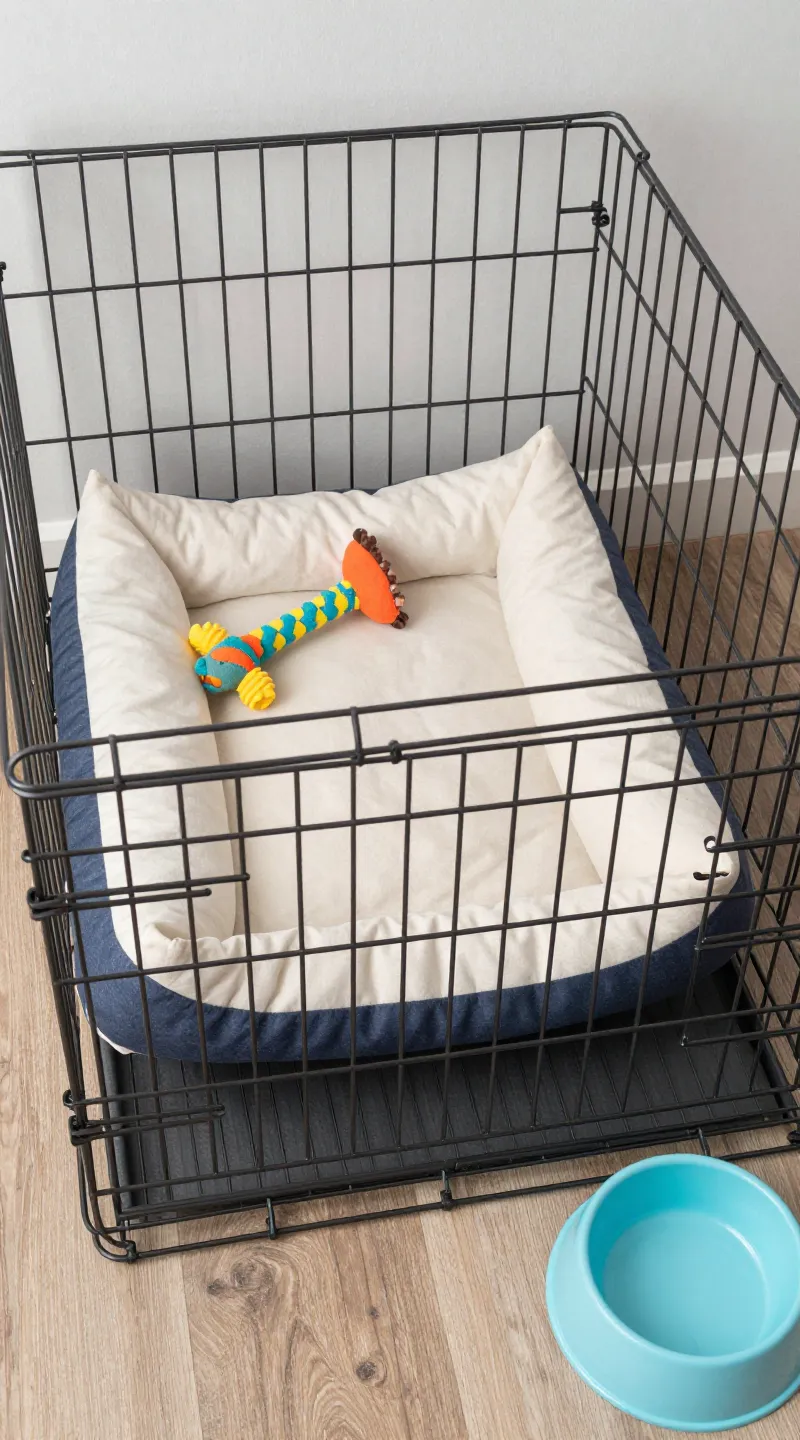
Potty success = management + timing + cheerleading. Scold after the fact? Useless. Puppies can’t connect your outrage to that puddle.
- Take them out often: Every 1–2 hours during the day, plus after naps, meals, and play.
- Pick one potty spot: Go to the same area and say a cue like “Go potty.” Keep it boring until they go.
- Party after success: Treat within 2 seconds of finishing. Big praise. Yes, act like they just won an Oscar.
- Supervise indoors: Use a leash tether or keep them in the same room. No free-roaming yet.
- Handle accidents calmly: Interrupt gently, head outside, reward if they finish outside. Clean with enzyme cleaner.
Daily Potty Template
- Morning: Immediately outside, then breakfast, then outside again.
- Midday: After play and naps, outside.
- Evening: After dinner and zoomies, outside. Final potty right before bed.
Crate Training: Create a Cozy Den
The crate should feel safe, not like solitary confinement. Use it for naps and downtime, not punishment.
- Make it comfy: Soft bedding (unless your pup shreds), a safe chew, and a cover if that helps them relax.
- Feed meals in the crate: Door open at first, then closed for short periods while they eat. Build positive vibes.
- Short alone-time reps: 1–5 minutes with you nearby, then out before they protest.
- Crying? Wait for a moment of quiet to open the door. Reward the calm, not the tantrum.
Crate Time Goals
- By end of Week 1: 15–30 minutes relaxed with a chew.
- By end of Week 2: 1–2 hours for naps during the day.
- Nighttime: 4–6 hour stretches as their bladder matures (varies by age).
Socialization: Confidence Beats Fear
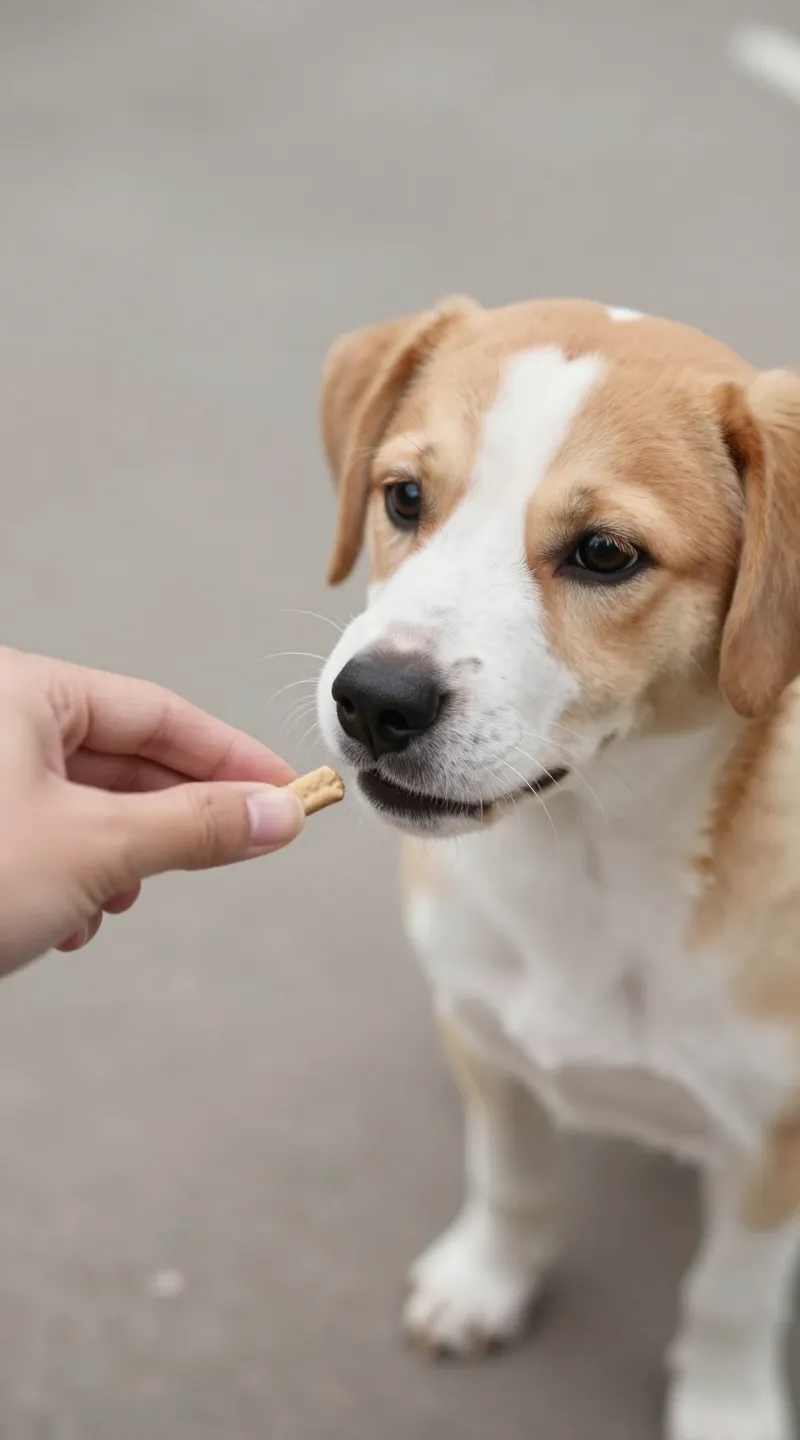
The socialization window hits hard in the first few months. You don’t need dog parks; you need calm exposures and good associations. FYI, vaccinated doesn’t mean “isolation” until fully done—just be smart.
- People and places: Different ages, hats, beards, wheelchairs, umbrellas, traffic sounds. Treat for curiosity.
- Surfaces: Grass, gravel, mats, stairs. Weird floors can spook puppies later if you skip this.
- Friendly dogs: Only vetted, polite, vaccinated dogs. One calm buddy beats 10 chaos gremlins at a park.
- Handling practice: Touch paws, ears, tail, collar. Treat each time. Your vet will thank you.
Socialization Checklist (Mini)
- 2–3 new environments per week (carry them if needed).
- 2 positive dog interactions per week (calm dogs only).
- Daily sounds playlist on low volume: fireworks, sirens, thunder. Pair with treats.
Training the Core Cues
You want a few reliable skills now, not a circus routine. Keep it fun, short, and reward like you mean it.
- Sit: Lure the head up, reward when the butt hits ground. Use before meals and doors.
- Down: From sit, lure to the floor. Reward when elbows hit.
- Come: Say “Come!” once, then cheer and back up. Pay big when they reach you. Use a long line outside.
- Leave it: Close fist with a treat. Pup sniffs, you wait. When they back off, mark and reward from the other hand.
- Drop it: Trade for something better. Do not pry open the jaws unless it’s an emergency.
Leash Skills Without the Drag
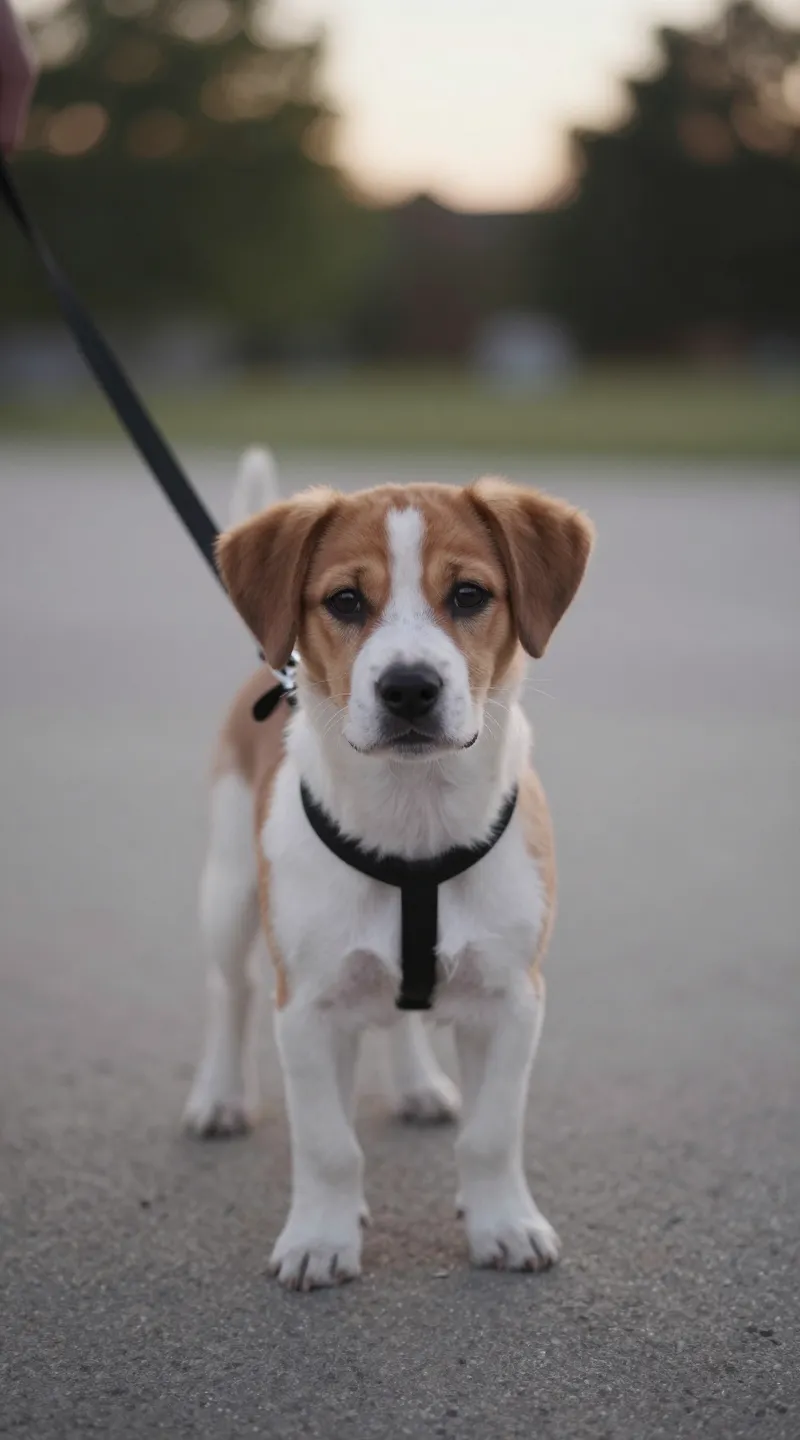
- Use a light harness and 6-foot leash.
- Reward for walking near your side. Stop when they pull; move when the leash slackens.
- Practice in boring places first. The sidewalk circus comes later.
Bite Inhibition and Chewing (a Love Story)
Puppies mouth everything. They explore with teeth. Your job: channel it, don’t panic.
- Redirect immediately: Offer a chew or tug toy when they chomp hands or clothes.
- End the fun briefly: If bites escalate, say “Ouch,” stand up, and take a 10–20 second break. Then resume calmly.
- Puppy-proof your home: Hide cables, shoes, and laundry. If they can reach it, they will test it.
- Chew menu: Rotate safe options—rubber chew toys, frozen Kongs, puppy-safe chews. Variety saves furniture.
Energy Outlets (So Your Couch Lives)
- 2–3 short play sessions daily: tug, fetch, puzzle toys.
- Sniffaris: slow walks where the nose leads. Mental work tires puppies faster than sprints.
- Teach “settle” on a mat with chews for downtime.
Feeding, Health, and Routine
Routine keeps everyone sane. Also, your puppy’s stomach runs the schedule, IMO.
- Feeding: 3–4 small meals daily for young pups. Stick to the same high-quality puppy food at first.
- Water: Fresh water always, but pick up the bowl 2 hours before bedtime during potty training.
- Vet visit: Schedule within the first week. Bring questions about vaccines, parasite prevention, and spay/neuter timing.
- Grooming basics: Brush lightly, introduce nail clippers or grinder with treats, practice wearing a harness.
Sample Day-in-the-Life
- 7:00: Potty, breakfast, short play
- 8:00: Nap in crate
- 10:00: Potty, training mini-session, chew time
- 12:00: Lunch, potty, sniff walk
- 2:00: Nap, quiet crate time
- 4:00: Potty, play, socialization outing
- 6:00: Dinner, potty, settle on mat
- 9:30: Final potty, bedtime
Red Flags and Real Talk
Not everything is cute chaos. Some stuff needs a pro’s eye. FYI, asking early helps.
- Extreme fear: Freezing, hiding, or growling consistently around people or objects.
- Guarding food or toys: Low growls, stiff body, hard stare. Get a trainer now.
- Relentless diarrhea or vomiting: Call the vet. Puppies dehydrate fast.
- Zero progress on potty training: Rule out medical issues and reassess your schedule.
FAQ
How long can my puppy hold it at night?
Rough rule: age in months plus one equals hours. A 2-month-old might handle 3 hours. Some go longer, some don’t. Set your alarm and adjust based on success, not wishful thinking.
When can I start training?
Immediately. Keep sessions short and fun. Reward anything you want more of: calm sits, eye contact, coming when called. You’re building habits, not cramming for finals.
Is it okay to use pee pads?
Pee pads help in apartments or for tiny breeds, but they can confuse the “outside only” rule. If you use them, place them by the door and phase them out quickly once your pup learns the routine.
What treats should I use?
Soft, tiny, and high-value. Think pea-sized. Boiled chicken, training treats, or cheese bits. If your pup loses interest, your treats are boring. Upgrade.
Do I need puppy classes?
Highly recommended. Good classes teach socialization, basic cues, and owner skills. Plus, you’ll meet people who won’t judge your 47 questions about poop.
Why does my puppy get the zoomies at night?
They’re dumping extra energy and stress. Add a short evening play session, a sniffy walk, and a chew toy before bed. It helps channel the chaos into sleep, not parkour.
Conclusion
The first 30 days won’t look perfect—progress rarely does. Build a simple routine, reward the good stuff, and keep training short and upbeat. Protect naps like treasure, manage the environment, and socialize with intention. Do that, and you’ll turn your little tornado into a confident, happy sidekick in no time. IMO, that’s the good life—for both of you.
Explore iPet Choice
Discover helpful pet care tips, trusted product recommendations, and practical guides for dogs, cats, fish, and more.