Your cat isn’t plotting world domination (probably). But when your sweet fluff suddenly hides, swats, or pees in your shoe, that’s a scream for help. Cats stress out more than we think, and they show it in weird, sneaky ways. The good news? You can read the signs and help them chill before it turns into a bigger problem.
Why Cats Get Stressed in the First Place
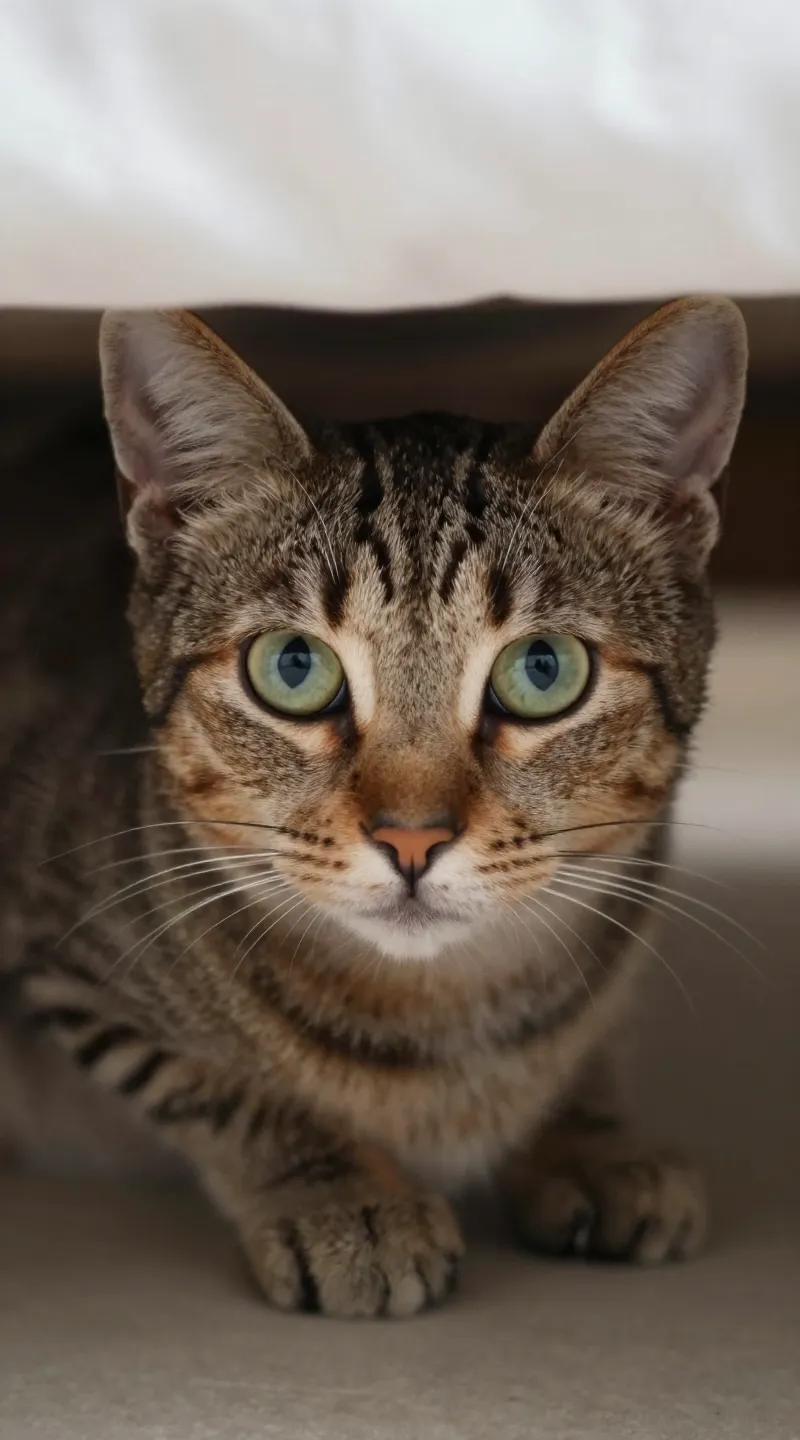
Cats love predictability. Mess with their routine and you’ll hear about it. Common triggers include:
- Change in environment: Moves, renovations, new furniture, or different scents.
- New people or pets: Babies, roommates, dogs, other cats—your cat did not approve this hire.
- Resource competition: Not enough litter boxes, bowls, or nap spots in multi-cat homes.
- Boredom and lack of control: Indoor cats need stimulation and agency.
- Health issues: Pain, dental problems, hyperthyroidism—stress and illness can tag-team.
Bottom line: If life feels chaotic to you, it probably feels like a horror movie to your cat.
Behavioral Red Flags You Shouldn’t Ignore
Your cat won’t file a complaint. You need to read the vibes. Watch for:
- Hiding more than usual: New hideouts under beds or behind the couch signal stress.
- Aggression or irritability: Swatting, growling, or sudden “don’t touch me” episodes.
- Overgrooming or fur loss: Especially on belly or legs—classic anxiety tell.
- Changes in litter habits: Peeing outside the box, constipation, or diarrhea.
- Vocal changes: Excessive meowing or sudden silence from a chatty cat.
- Energy swings: Zoomies at odd hours or sleeping way more than normal.
When It’s Not “Just” Stress
If your cat suddenly changes litter habits or appetite, or vomits often, loop in your vet. Medical issues can mimic stress, and you want to rule those out ASAP. IMO, a quick check beats weeks of guessing.
Body Language: The Subtitles for Cat Feelings
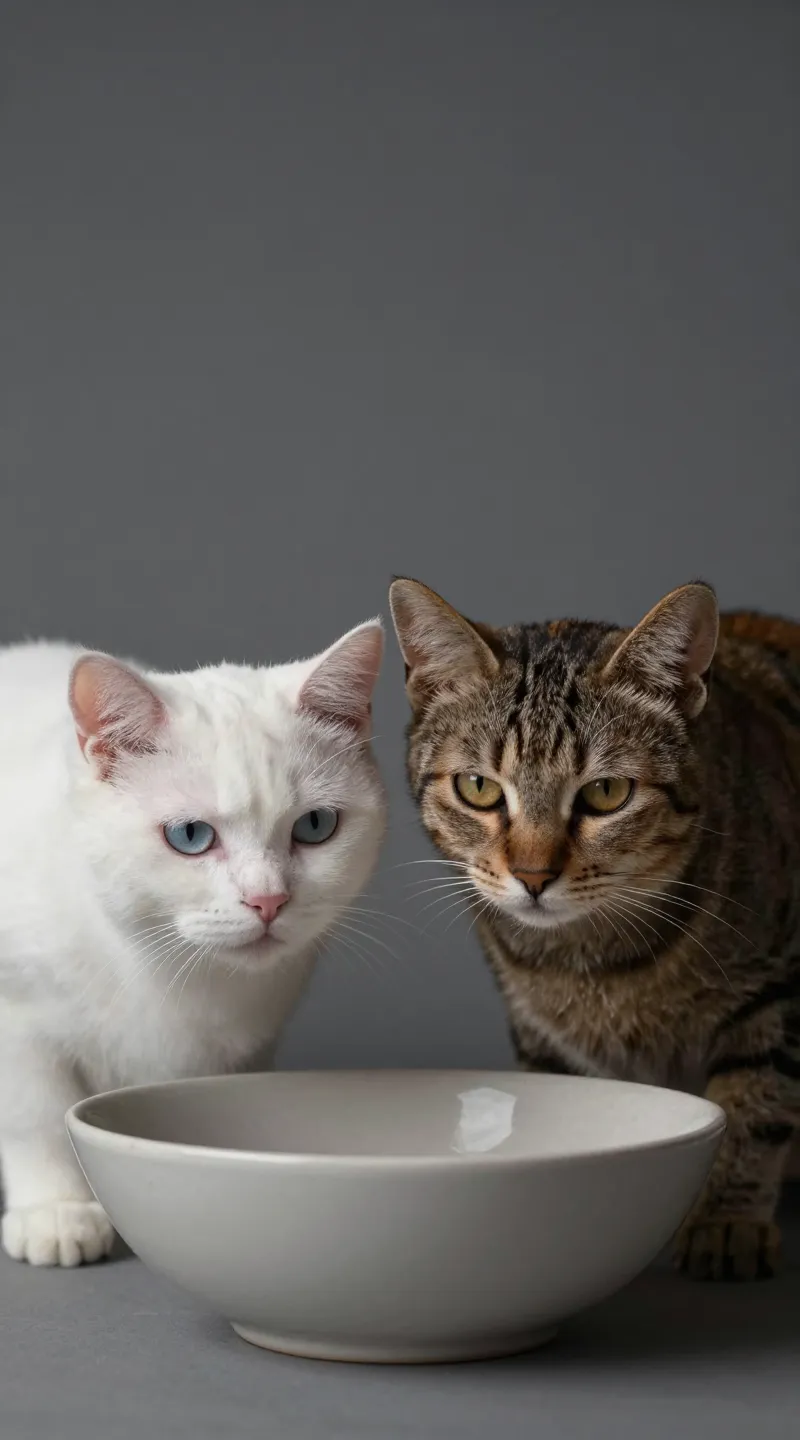
You can decode stress by watching how your cat holds their body. Look for:
- Tail language: Tail tucked tight under the body = fear. Tail flicking rapidly = agitation.
- Ears and eyes: Ears flattened sideways or back; pupils dilated like dinner plates.
- Body posture: Crouched low, tense muscles, head down—your cat’s not relaxed.
- Whiskers and mouth: Whiskers pulled back and a tight mouth = “Do not engage.”
Pro tip: A cat loaf with paws tucked and eyes half-closed usually means “I’m content.” A tight loaf with ears pinned? Not so much.
Environmental Fixes That Actually Help
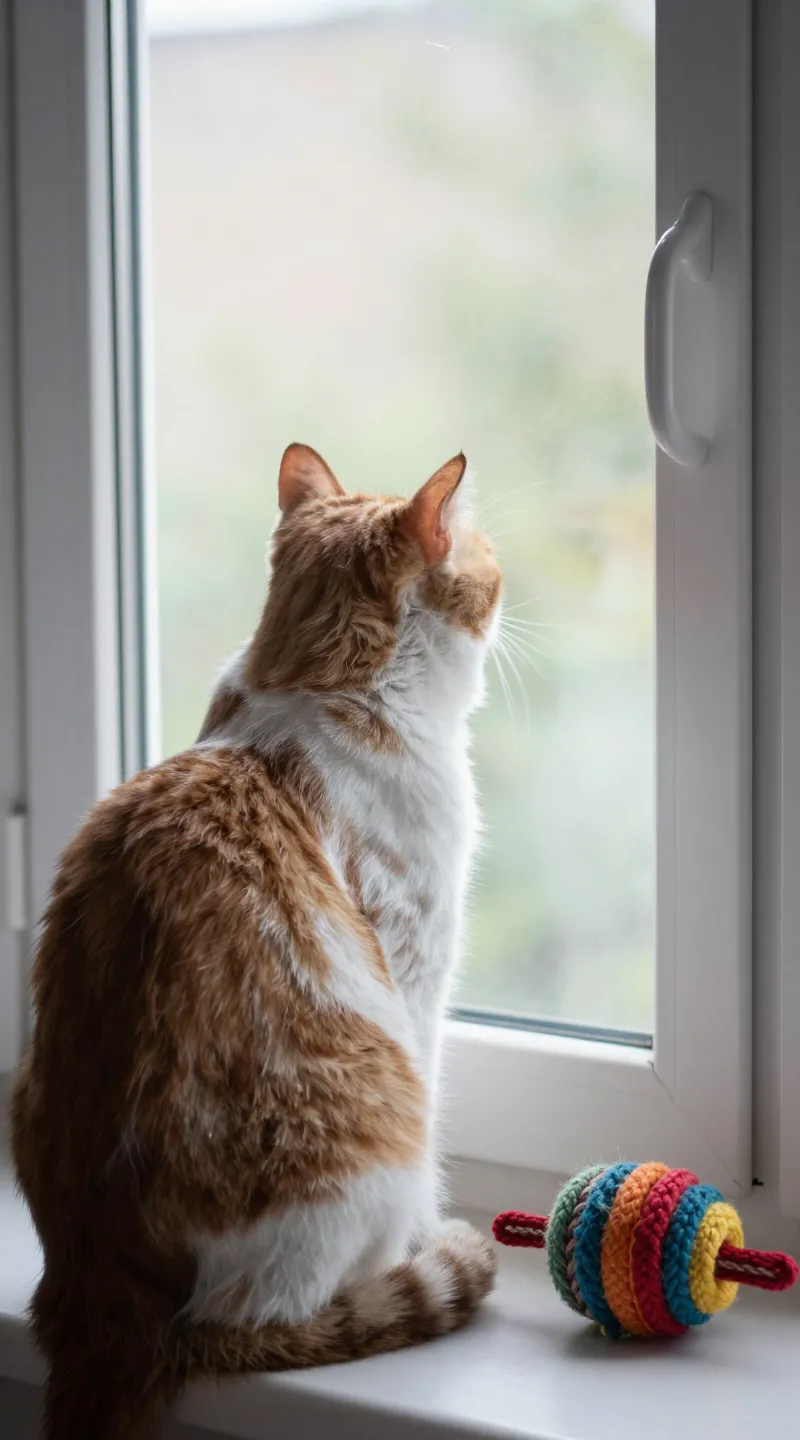
You can’t reason with a cat, but you can design for one. Make their world more predictable and more fun.
- Safe zones: Create vertical spaces and hideouts—cat trees, shelves, covered beds.
- Resource duplication: In multi-cat homes, provide 1 litter box per cat + 1 extra, plus multiple feeding and water stations.
- Routine, routine, routine: Feed and play at consistent times. Cats love a schedule more than your calendar app does.
- Scent comfort: Use feline pheromone diffusers or sprays in key rooms.
- Noise control: Soft music or white noise can mask scary sounds like traffic or construction.
Litter Box Zen
Litter drama = stress. Keep it simple:
- Box count: Number of cats + 1.
- Placement: Quiet, accessible, not next to a noisy washer or trapped behind a door.
- Type: Most cats prefer large, open boxes with unscented clumping litter.
- Cleanliness: Scoop daily, deep clean weekly. Your cat has standards. Respect them.
Enrichment: Give Your Cat a Job
Bored cats invent chaos. Give them better options.
- Interactive play: Wand toys for 10–15 minutes, twice a day. End with a treat to complete the “hunt.”
- Puzzle feeders: Slow feeders, snuffle mats, or DIY treat puzzles work wonders.
- Window theater: Bird feeders outside and a comfy perch inside = hours of cat TV.
- Scratching choices: Vertical and horizontal scratchers in multiple rooms.
- Training (yes, really): Clicker train simple cues like “sit” or “touch.” Mental work = calmer cat.
FYI: Five minutes of focused play beats an hour of half-hearted feather waggling while you scroll.
Handling Changes Without Meltdowns
Life happens. Moves, new babies, new pets—prepare your cat like you’d prep yourself.
- Go gradual: Introduce new rooms, scents, or people slowly. Use scent swapping for pet introductions.
- Zone control: Set up a “home base” room with all essentials during moves or renovations.
- Keep familiar items: Don’t wash their favorite blanket right before a change. Comfort smells matter.
- Stick to routines: Keep feeding and play consistent even during chaos.
Introducing a New Cat (Without Drama)
Do this in stages:
- Separate spaces: Each cat gets their own resources at first.
- Scent exchange: Swap blankets and rub towels on cheeks to share pheromones.
- Visual intros: Short, positive sessions behind a baby gate or cracked door.
- Supervised hangs: Keep sessions short and reward calm behavior.
If they regress, step back a stage. Patience now saves you from months of hissy fits later. IMO, slow equals smooth.
When to Ask for Professional Help
Some stress needs a team effort. Call your vet or a certified behaviorist if you notice:
- Appetite changes: Not eating for 24 hours (especially risky for overweight cats).
- Frequent vomiting or diarrhea: Could be medical or stress-triggered.
- Persistent aggression or self-injury: Overgrooming to the point of sores, biting, or fights.
- Urinary issues: Straining, blood in urine, or frequent trips—potential emergency.
Vets can check for pain or illness and may recommend short-term anti-anxiety meds or supplements alongside behavior changes. No shame in pharmaceutical support—calm cats learn better.
FAQ
How can I tell if my cat is stressed or just being a cat?
Look for changes from their normal baseline. A playful swatter is different from a tense, dilated-pupil swat. If your cat hides more, eats less, or changes litter behavior, you’re looking at stress, not sass.
Do pheromone diffusers actually work?
For many cats, yes. They mimic calming facial pheromones and can reduce tension during transitions or multi-cat spats. They’re not magic, but paired with routine, enrichment, and proper resources, they help a lot.
Is my indoor-only cat bored?
Possibly. Indoor cats need jobs. Add daily play sessions, puzzle feeders, window perches, and new textures to explore. Rotate toys weekly so everything feels “new” again. FYI, variety beats buying 20 of the same mouse toy.
Why is my cat peeing on the bed?
It’s usually stress, territory issues, or a medical problem. Rule out urinary infections or crystals first. Then add more litter boxes, reduce household triggers, and create safe, quiet spaces. Punishment backfires—focus on environment and routine.
Can diet help with stress?
Sometimes. Some therapeutic diets support urinary health and may include calming nutrients like tryptophan. Ask your vet before switching—diet works best as part of a bigger plan that includes enrichment and consistency.
How long does it take to see improvement?
You might see small wins in a few days with routine and safe spaces. Bigger behavior shifts can take weeks. Track changes, stay consistent, and celebrate the boring days—boring is bliss for cats.
Conclusion
Cats don’t “act out” for fun—they cope with stress the only ways they know how. If you spot the signs early and tweak their world—more predictability, better resources, and richer play—you’ll see a calmer, happier feline. And when in doubt, loop in your vet. Your cat gets their peace back, and you get your shoes back. Win-win.
Explore iPet Choice
Discover helpful pet care tips, trusted product recommendations, and practical guides for dogs, cats, fish, and more.