Your dog can’t say “ouch,” but they absolutely send signals. The problem? We miss them all the time. Dogs hide pain like pros, and by the time it’s obvious, they’ve been uncomfortable for a while. Let’s fix that. Here are the subtle signs your dog is hurting—and what to do before small issues become big ones.
They Move Like a Stiff Little Robot
You know your dog’s normal zoomies. When those turn into careful, stiff steps, something’s up. Pain shows as hesitating on stairs, jumping less, or taking weird routes around furniture they usually clear in a single bound.
Key things to watch:
- Slow to get up after naps (then they “warm up” and seem fine)
- Bunny-hopping with back legs when running
- Reluctance to jump on the couch or into the car
- Shorter walks by choice (they turn toward home early)
Is it just age?
Not necessarily. “Getting old” isn’t a diagnosis. Arthritis hurts, and you can manage it. If your older dog acts stiff or avoids activity, that’s pain until proven otherwise.
They Act Weirdly Quiet… or Weirdly Clingy
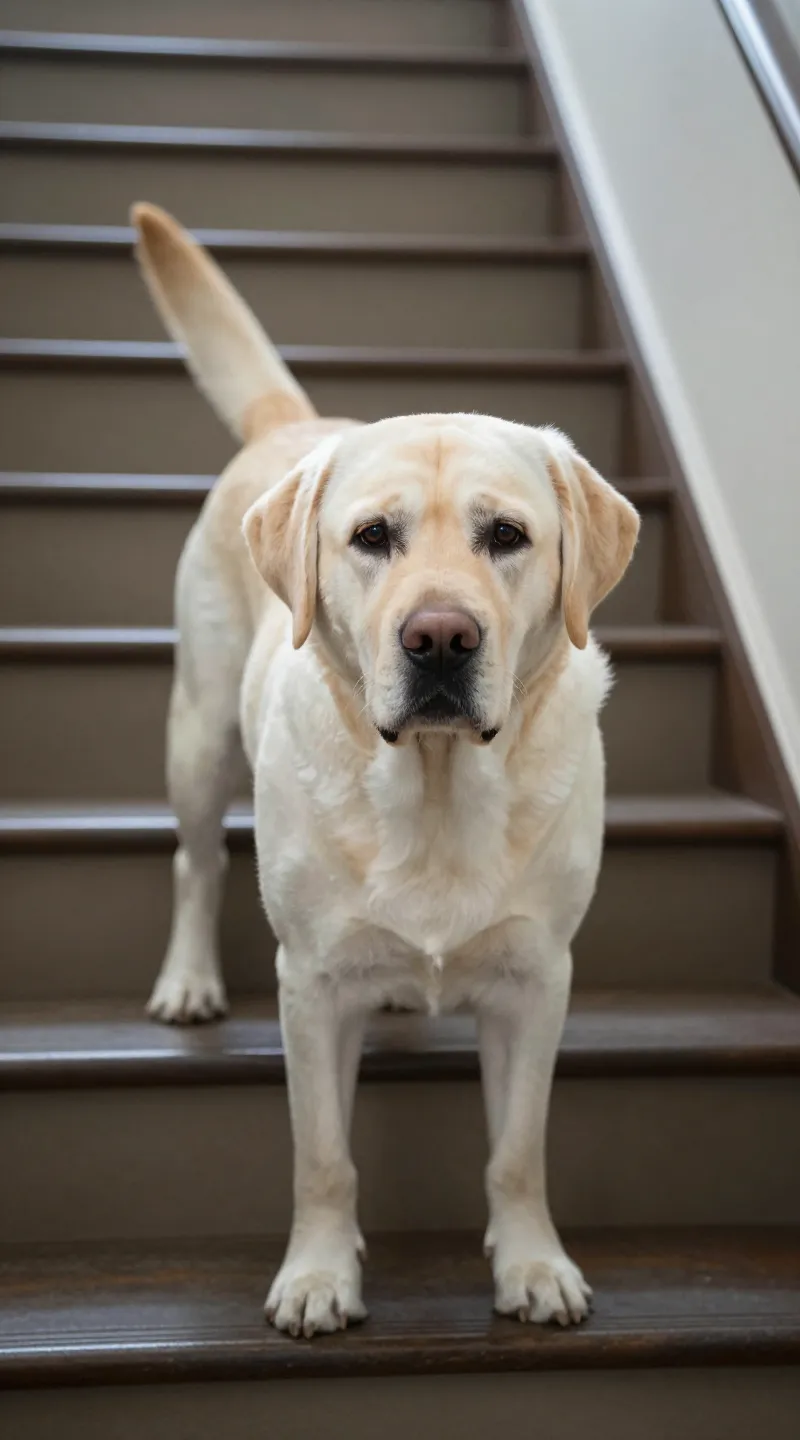
Pain can make a dog withdraw. The life of the party suddenly naps in another room, avoids play, or watches you from the doorway. Flip side? Some dogs turn velcro and shadow you everywhere because you make them feel safe.
Unusual behavior changes include:
- Less interest in toys or games they loved last week
- Hiding under tables or in corners
- Clinginess or whining when you leave the room
- Sleeping more than usual (pain is exhausting)
The “good dog” trap
If your dog “never complains,” you might miss pain. Dogs often stay polite and quiet while hurting. Silence isn’t comfort—it’s coping.
Subtle Face and Posture Changes
Faces tell stories. Pain tightens the eyes, furrows the brows, and pulls the ears back. You might also see lip licking, yawning when not sleepy, or a clenched jaw. Pain changes posture too.
Posture red flags:
- Hunched back or tucked belly (think “shrimp” shape)
- Head down, tail low (even for dogs not super waggy)
- Weight shifted off one leg or off the front/back end
- Reluctance to turn the head (neck pain alert)
The pain “grimace” checklist
- Squinty or tight eyes
- Flattened ears
- Tense muzzle with pulled-back lips
- Fast, shallow breathing
FYI, these can be super subtle. Snap a quick photo or video when you notice it and compare to a normal day. It helps more than you think.
Eating, Grooming, and Bathroom Habits Get Weird
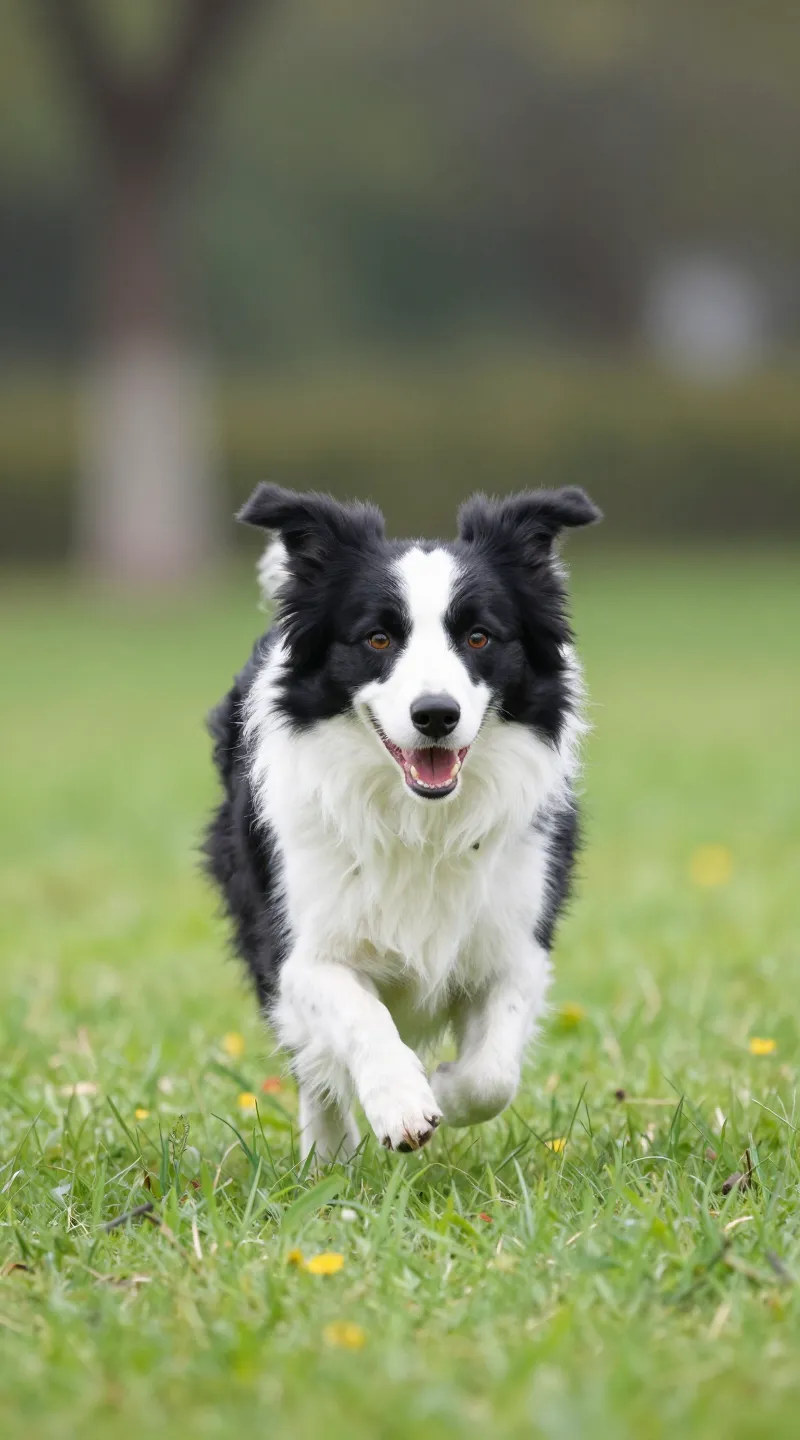
Pain messes with routines. A dog with a toothache eats slower or drops kibble. Back or hip pain makes them avoid certain positions, so potty breaks look odd or take longer.
Watch for:
- Messy eating, chewing on one side, or food falling out
- Bad breath and pawing at the mouth
- Licking one spot nonstop (often a joint or paw)
- Difficulty squatting to poop; straining or accidents
- Skipping self-grooming (long-haired dogs get mats where it hurts)
Obsessive licking isn’t just “quirky”
Dogs lick painful areas. They’ll even lick the opposite paw of the injured leg due to nerve pathways. Constant licking = check the body, not just the behavior.
They Sound Different—Or Stop Making Noise
Yes, some dogs vocalize when they hurt. Yelps when being picked up, grumbling during grooming, or sudden yips when they move a certain way all matter. But many dogs go the other direction and shut down noise entirely.
Sound-based clues:
- Yelping with specific movements (hips, elbows, neck)
- Low growls when touched in a certain spot
- Sighing, heavy panting at rest, or changes in barking
IMO, any new sound paired with movement deserves attention.
Energy and Performance Dip—And Not Just in Sport Dogs
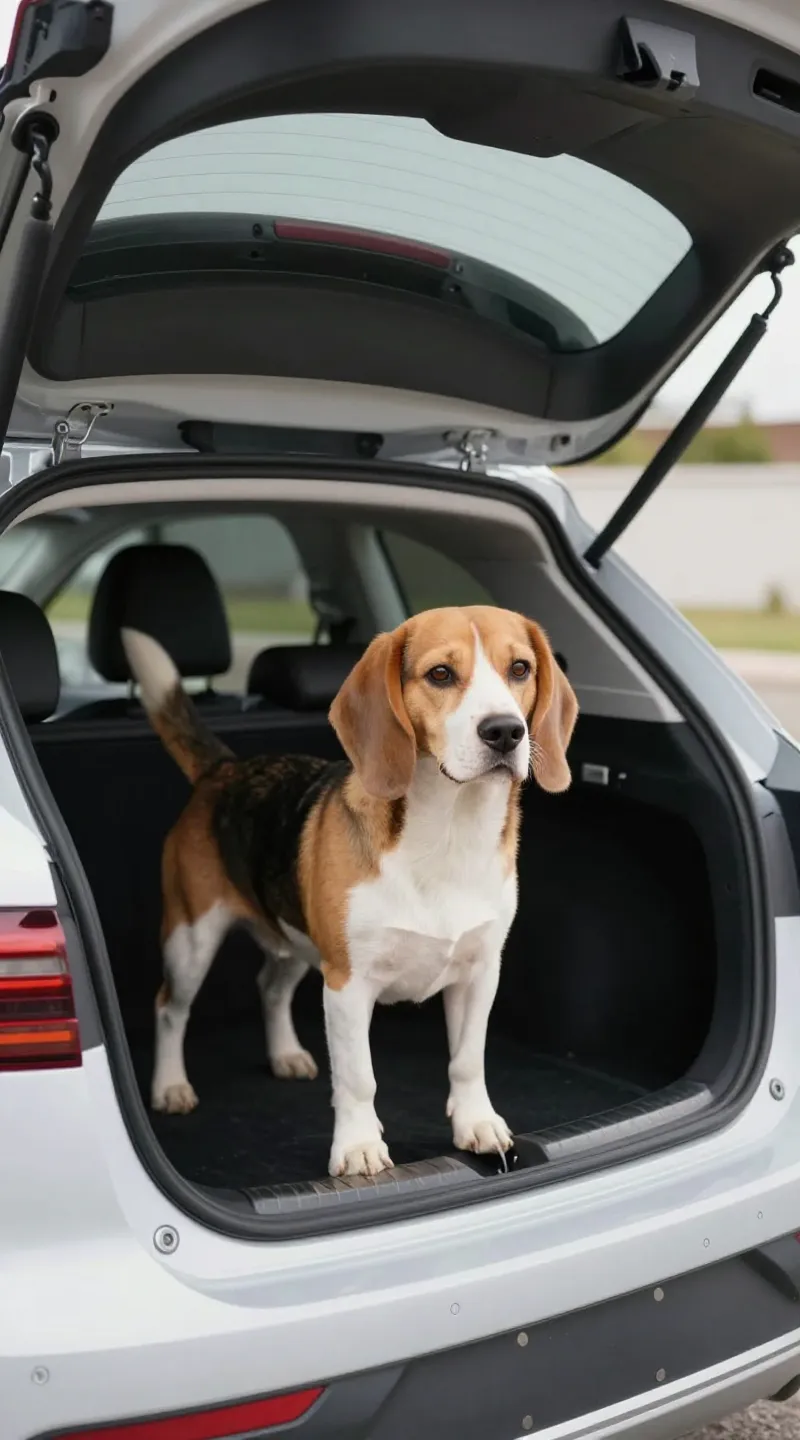
Even couch potatoes have a baseline. Pain drops energy. Your fetch champ declines repetitions. Your walking buddy lags behind and asks to cut it short. Your agility dog knocks bars or runs wide.
Performance pain signs:
- Reluctance to jump, turn, or sprint
- Skipping steps on stairs or “one step at a time” behavior
- Shorter stride length and less head bob (looking “flat”)
Weekend warrior syndrome
Some dogs seem fine during fun outings, then stiffen up that night. That’s classic inflammation. If play = later stiffness, pain sits in the background.
Touch Sensitivity and “Nope” Zones
You know where your dog likes scritches. When they flinch, side-eye, or move your hand away from a usual spot, pay attention. Pain creates “nope” zones—neck, hips, elbows, shoulders, lower back.
Handling clues:
- Flinching when brushed or towel-dried
- Refusing nail trims suddenly
- Guarding a paw or not letting you check ears/mouth
- Jumping away from gentle pressure
FYI, this can look like “being dramatic.” It’s often just honest feedback: that hurts.
What To Do If You Suspect Pain
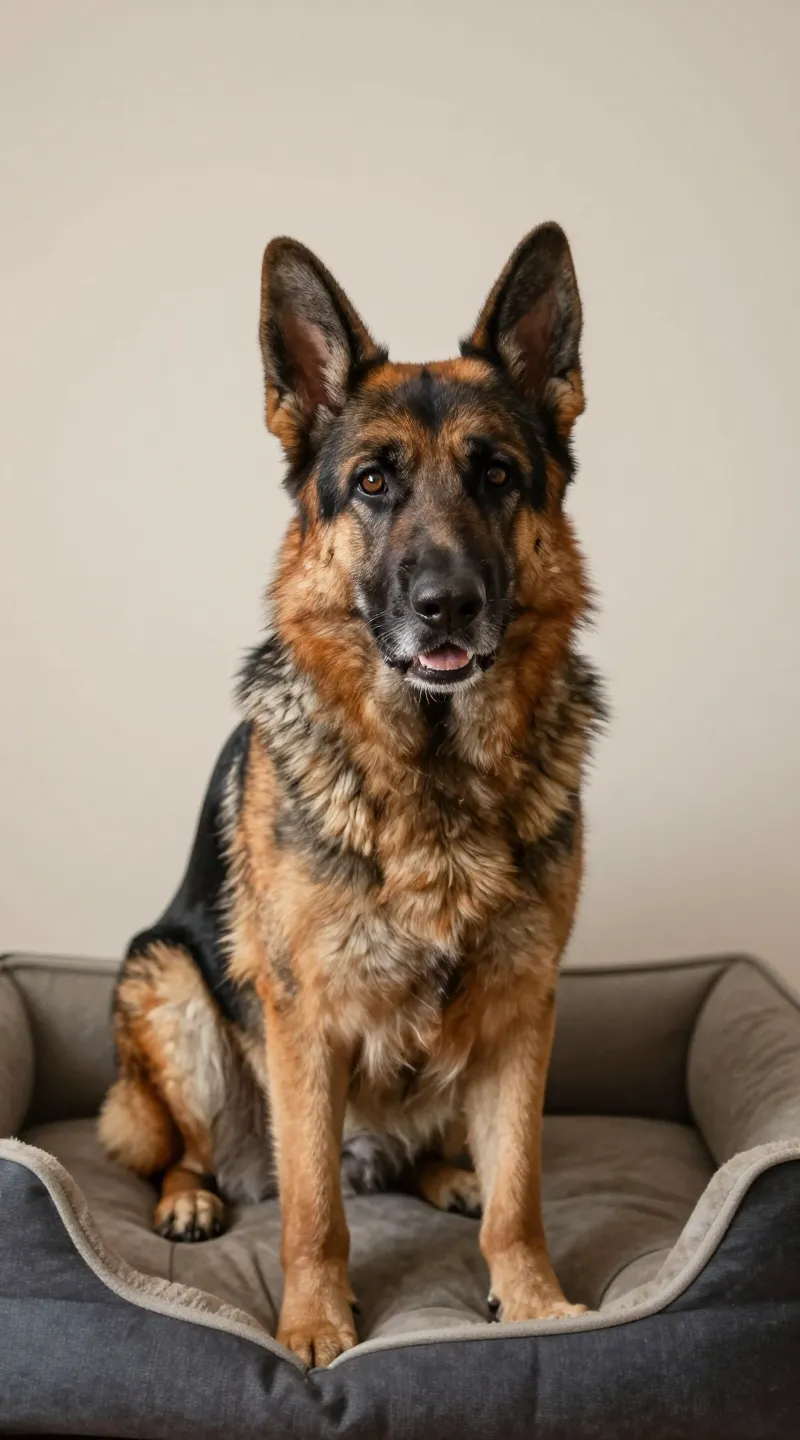
Okay, you spotted a sign (or ten). Now what? Don’t crowdsource meds. Call your vet, describe what you see, and share a video. Vets love videos.
Smart next steps:
- Record a 30–60 second clip of normal walking, stairs, sitting, lying down, and getting up.
- List recent changes: activity level, appetite, bathroom habits, behavior.
- Use a pain diary for a week—rate mornings and evenings 1–10.
- Ask your vet about pain control options and diagnostics (exam, X-rays, bloodwork as needed).
- Consider supportive care: joint supplements, weight management, ramps, non-slip rugs.
Do NOT do these
- Don’t give human painkillers (ibuprofen and acetaminophen can be dangerous or fatal).
- Don’t wait “to see if it goes away” if your dog struggles to move or cries when touched.
- Don’t over-exercise because “they need to loosen up.” That often makes inflammation worse.
FAQ
How can I tell if it’s pain or just laziness?
Dogs aren’t lazy by default. If your dog used to move happily and now avoids activity, that’s a behavior change, not a personality trait. Look for clusters: stiffness, reluctance to jump, shorter walks, or sensitivity to touch. When multiple signs line up, think pain first.
Can anxiety look like pain?
Absolutely, and they can overlap. Anxiety shows as pacing, panting, and clinginess, but pain often pairs with movement avoidance, flinching when touched, or localized licking. If calming routines don’t help, or movement triggers the behavior, get a pain-focused exam.
What pain meds are safe for dogs?
Your vet might prescribe canine-safe NSAIDs, gabapentin, or other options depending on the cause. Never DIY human meds. Dosage and drug choice depend on weight, age, and health history. The good news: modern pain control works well when tailored to the dog.
Are supplements worth it?
They can help, but they aren’t magic. Omega-3s (EPA/DHA), joint supplements like glucosamine/chondroitin, and green-lipped mussel support joints over time. Use them alongside weight control, vet-directed meds, and fitness, not instead of them.
When should I see a vet urgently?
Go now if you see non-weight-bearing lameness, repeated yelping, severe lethargy, refusal to eat, bloated belly, pale gums, or rapid breathing at rest. Also urgent: neck pain with reluctance to lower the head to eat or drink, or sudden hind-end weakness.
Does weight really matter that much?
Yes. Extra pounds punish joints and make pain meds less effective. Even a small weight loss can reduce pain scores. IMO, the kindest thing you can do for an arthritic dog is get them lean and strong.
Bottom Line
Your dog probably won’t scream when they hurt. They’ll whisper: a stiff step here, a skipped jump there, a side-eye when you brush a sore spot. Pay attention to those whispers. Catch pain early, team up with your vet, and tweak their routine. Your reward? A happier dog who gets back to zoomies, naps, and begging for snacks like it’s their job—because it is.
Explore iPet Choice
Discover helpful pet care tips, trusted product recommendations, and practical guides for dogs, cats, fish, and more.