You brought home a shiny new tank, a couple of cute fish, and you’re already brainstorming names. Then… clouded water, stressed fish, and a rush to Google at 2 a.m. We’ve all been there. The good news? Most early aquarium disasters come from the same handful of mistakes. Fix those, and you’ll go from “accidental fish villain” to “aquarium whisperer” fast.
Skipping the Nitrogen Cycle (aka the Invisible Boss Level)
You can’t see it, but your tank runs on bacteria. Fish poop and leftover food create ammonia, which is toxic. Beneficial bacteria convert that into nitrite (also toxic) and then into nitrate (less toxic). That process is the nitrogen cycle.
If you add fish before the cycle completes, they get blasted with toxins. This causes gasping, clamped fins, and sometimes a tragic “why did everyone die overnight?” moment.
How to Cycle Without Tears
- Fishless cycle: Add bottled ammonia or shrimp to feed bacteria, test daily, and wait 3–5 weeks.
- Use seeded media: Borrow filter media or substrate from an established tank, or use a reputable bacteria-in-a-bottle product.
- Test kit = non-negotiable: Get liquid tests for ammonia, nitrite, nitrate, and pH.
Starting Too Big or Too Small (Yes, Both)
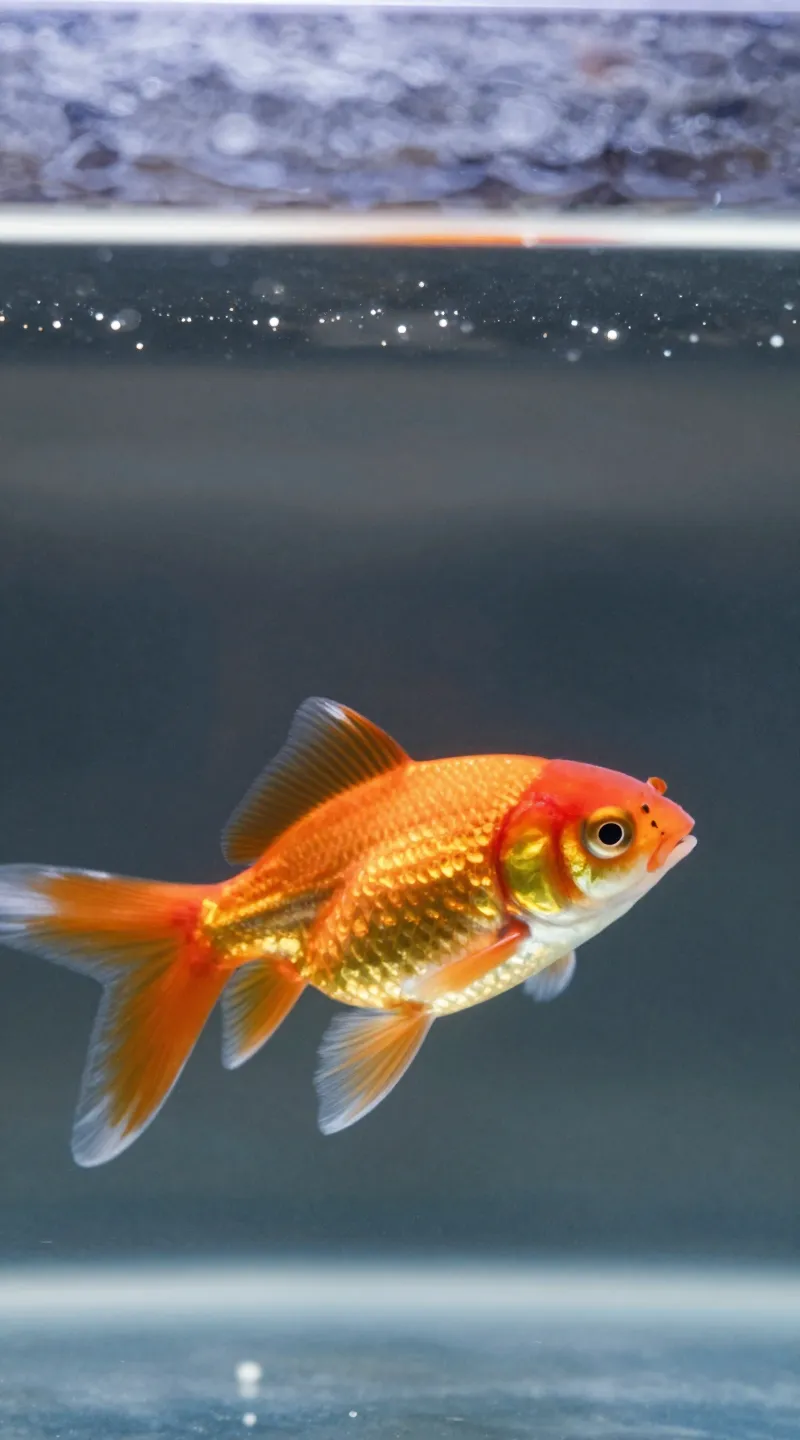
A giant tank looks amazing until you realize it needs a stand, a filter that doesn’t wheeze, and water changes that feel like CrossFit. On the flip side, those tiny “starter kits” often doom fish since small volumes swing in temperature and water chemistry fast.
So What’s the Sweet Spot?
- 20–40 gallons hits a nice balance: stable, forgiving, and manageable.
- Pick a tank that fits your space and budget, but plan for proper filtration and heating.
- Research your fish first. A betta has different needs than a school of tetras or a goldfish.
Overstocking and Mixing the Wrong Fish
You see a wall of fish at the store and think, “Why not a little of everything?” Because those “little” fish have personalities. Some nip fins. Some need warm water. Some want hard water. Compatibility matters more than looks.
Common Rookie Combos That Go Sideways
- Betta + fancy guppies: Guppy tails look like rivals, and bettas don’t love competition.
- Goldfish + tropical fish: Different temps and goldfish produce tons of waste.
- Angelfish + tiny neons: Angels eventually see snacks, not friends.
IMO, plan around water parameters and behavior first, color second.
Feeding Like It’s a Buffet
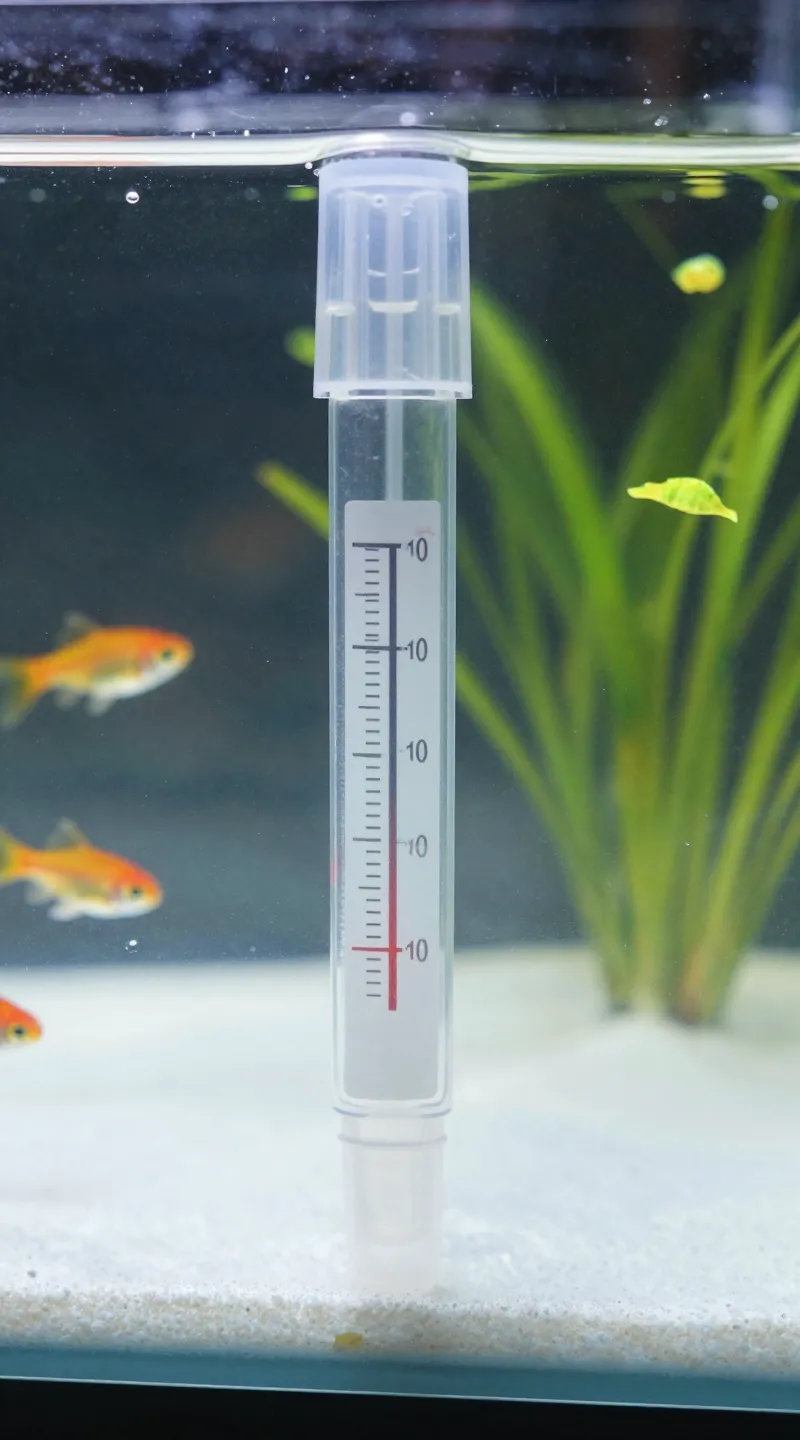
Fish always look hungry. They lie. Overfeeding spikes ammonia, fuels algae, and wrecks water quality. Most fish do great with two tiny meals a day they can eat in 30–60 seconds.
Smart Feeding Tips
- Use a pinch-sized portion. If food hits the bottom uneaten, you gave too much.
- Rotate foods: quality flakes/pellets, frozen brine shrimp, blanched veggies for herbivores.
- Do a weekly “fast day” for most species—healthy and reduces waste.
Neglecting Water Changes and Maintenance
Filters don’t remove everything. Nitrates and dissolved organics build up. Regular water changes keep the ecosystem stable, period. Think of it as your tank’s spa day.
Your Simple Weekly Routine
- Change 25–35% of the water once a week (or every two weeks for light stock).
- Use a gravel vacuum to pull gunk from the substrate.
- Dechlorinate new water and temperature-match it to avoid shocking fish.
- Squeeze filter sponges in old tank water, not tap water, to keep bacteria alive.
Ignoring Water Parameters (Because They’re “Boring”)
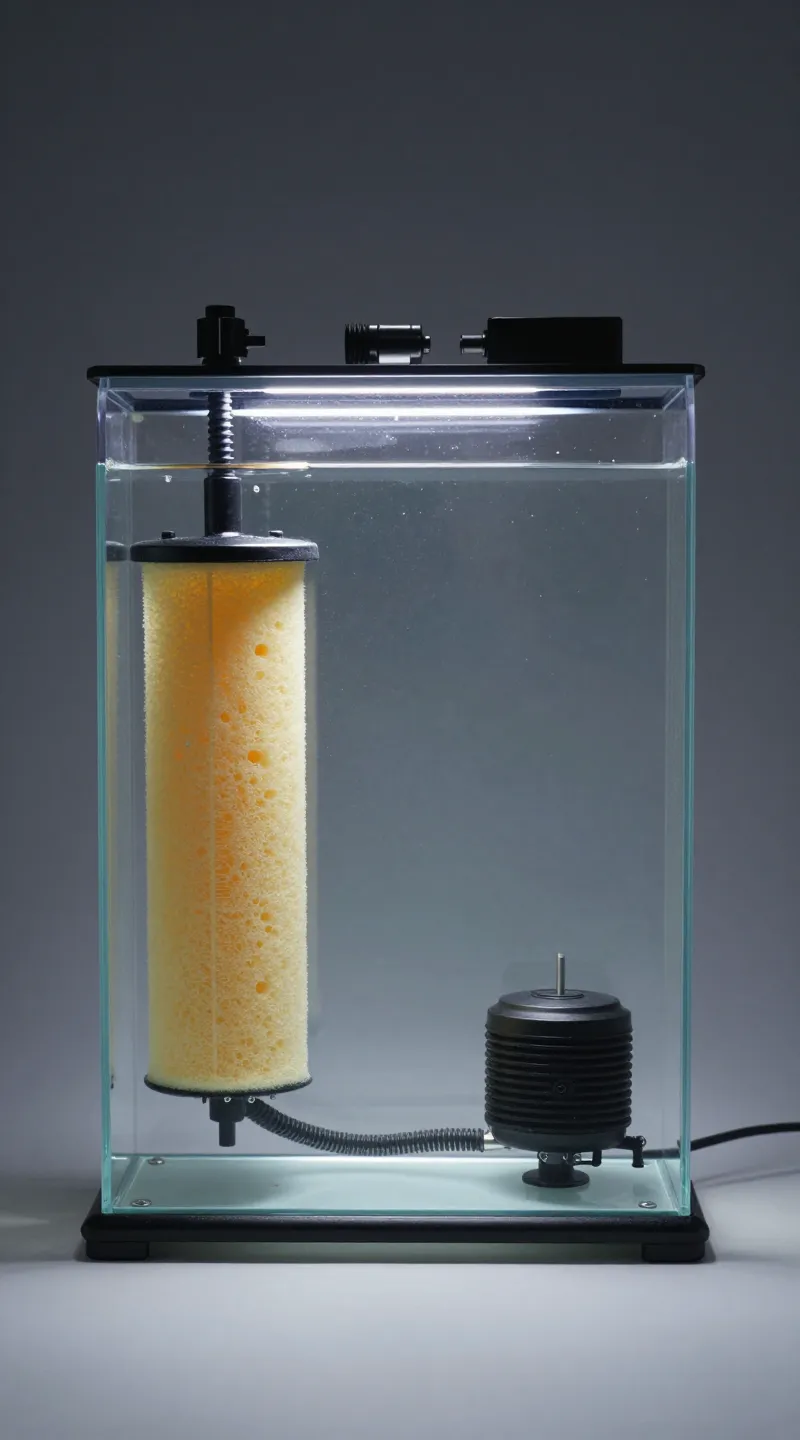
Stability beats chasing “perfect” numbers. But you still need to know your basics: ammonia 0, nitrite 0, nitrate under 20–40 ppm for most freshwater setups. pH and hardness vary by species.
- Test weekly until your tank is stable. Then test biweekly or monthly, plus after any issues.
- Know your tap water. Some regions have high pH and hard water; others don’t. Pick fish that fit your water, not the other way around (FYI: easier and cheaper).
- Avoid “pH fixers” unless you understand buffering (KH). They swing pH and stress fish.
Buying Gear That Can’t Keep Up
Underpowered filters, bargain heaters that yo-yo temperatures, and blinding lights cause chaos. Buy once, cry once often applies in aquatics.
Core Equipment Checklist
- Filter: Aim for 5–10x tank volume per hour. For 30 gallons, think 150–300 GPH total. Choose quality media (sponge/biomedia).
- Heater: Roughly 3–5 watts per gallon. Use a thermometer to verify.
- Lighting: For fish-only, moderate is fine. For plants, choose proper spectrum and duration (6–8 hours to avoid algae).
- Backup gear: Battery air pump for outages, spare heater if you live in cold regions.
Cleaning the Tank “Too Well”
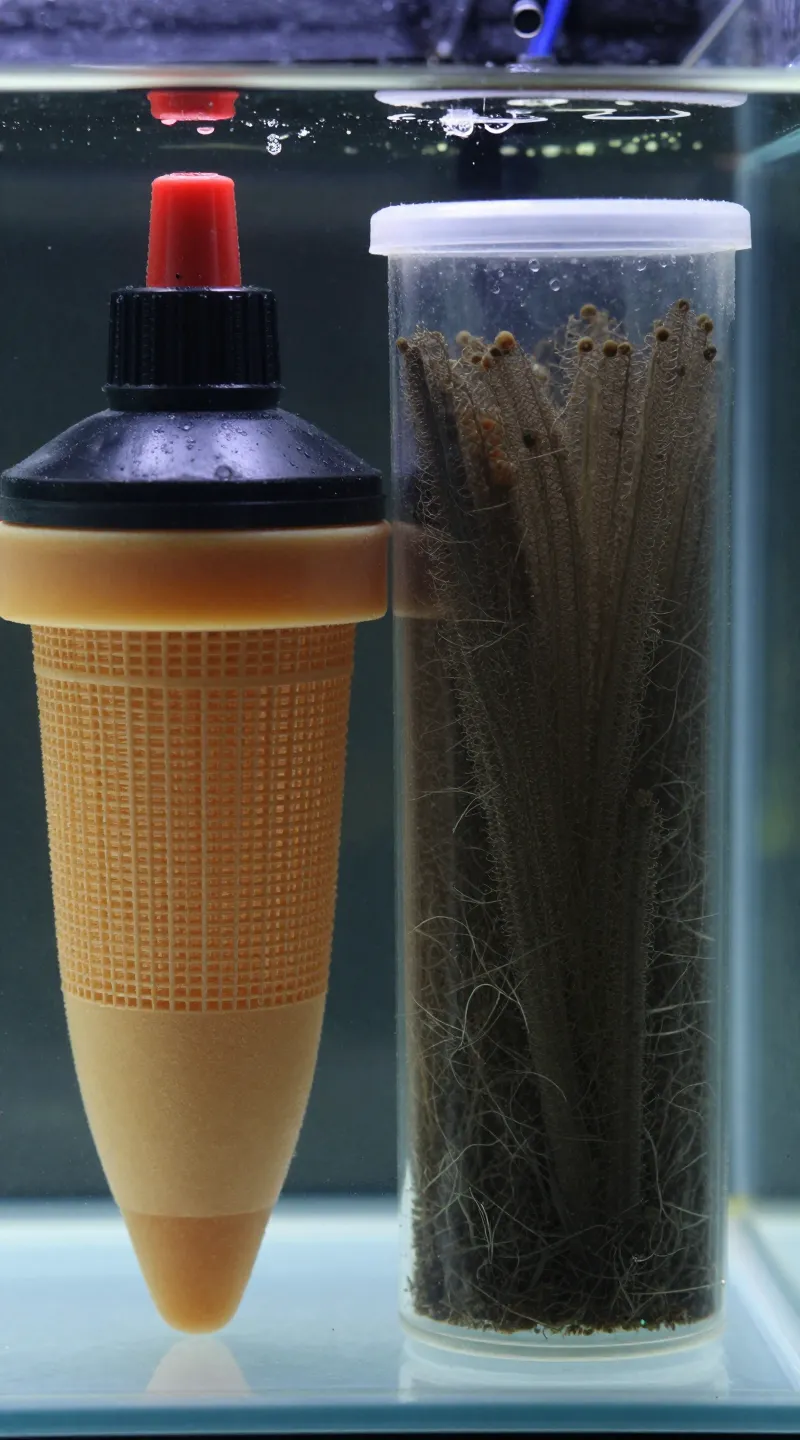
You don’t want a sterile tank. Beneficial bacteria live on your filter media, gravel, and decor. Bleaching everything or rinsing media under hot tap water can reset your cycle.
- Rinse media gently in old tank water.
- Stagger cleanings so you don’t scrub all surfaces at once.
- Leave a little natural biofilm—it’s part of a healthy system.
Skipping Quarantine Because “What Could Go Wrong?”
Answer: everything. New fish often bring ich or bacterial infections. A simple 10–20 gallon quarantine tank can save your display tank.
- Quarantine for 2–4 weeks. Observe, feed well, treat if needed.
- Use a sponge filter and a bare bottom for easy cleaning.
- Don’t share nets or equipment between tanks without disinfecting.
FAQ
How long does the nitrogen cycle take?
Typically 3–6 weeks without help. With seeded media or bottled bacteria, you might finish in 1–2 weeks. Wait for ammonia and nitrite to read zero and nitrates to appear before adding a full stock.
How many fish can I add at once?
Add slowly. Start with a small group, test for a week, then add more. IMO, aim for 25–30% of your final stocking at a time so your bacteria can keep up.
Do I need live plants?
Not required, but they help. Plants absorb nitrates, provide cover, and make your tank look like a tiny jungle. Start with easy species like Anubias, Java fern, or Amazon swords if your light allows.
Why is my water cloudy?
New tanks often get a bacterial bloom. That’s normal during cycling. If it’s milky and your tests show ammonia or nitrite, keep feeding light, avoid big cleanings, and let the bacteria stabilize. Mechanical filtration and patience win.
What temperature should I keep my tank?
Match the species. Most tropical fish like 75–78°F (24–26°C). Goldfish prefer cooler water, around 68–72°F (20–22°C). Research your fish and use a reliable thermometer—don’t trust the heater’s dial blindly.
Can I keep fish from different water types together?
Sometimes, but it’s tricky. Soft-water fish and hard-water fish can survive in the middle, but they rarely thrive. Choose species that match your tap water for happy, low-maintenance fish, FYI.
Wrapping It Up (Without Drowning in Details)
New aquariums feel complicated until the pieces click: cycle first, stock smart, feed lightly, test often, and change water regularly. That’s it. Nail those habits and your fish will live long, drama-free lives, and you’ll spend more time enjoying the view than scrambling for fixes. And hey, when your friends ask why your tank looks amazing, you can smugly say, “It’s not magic—it’s bacteria.”
Explore iPet Choice
Discover helpful pet care tips, trusted product recommendations, and practical guides for dogs, cats, fish, and more.