Your cat has opinions, and they’re not shy about sharing them. Whether it’s 5 a.m. opera or a dramatic monologue by the food bowl, constant meowing can drive you a little bonkers. Good news: cats don’t meow to annoy you (most of the time). They meow because they’re communicating. Let’s translate their tiny screams into something that actually makes sense.
First, what does meowing actually mean?
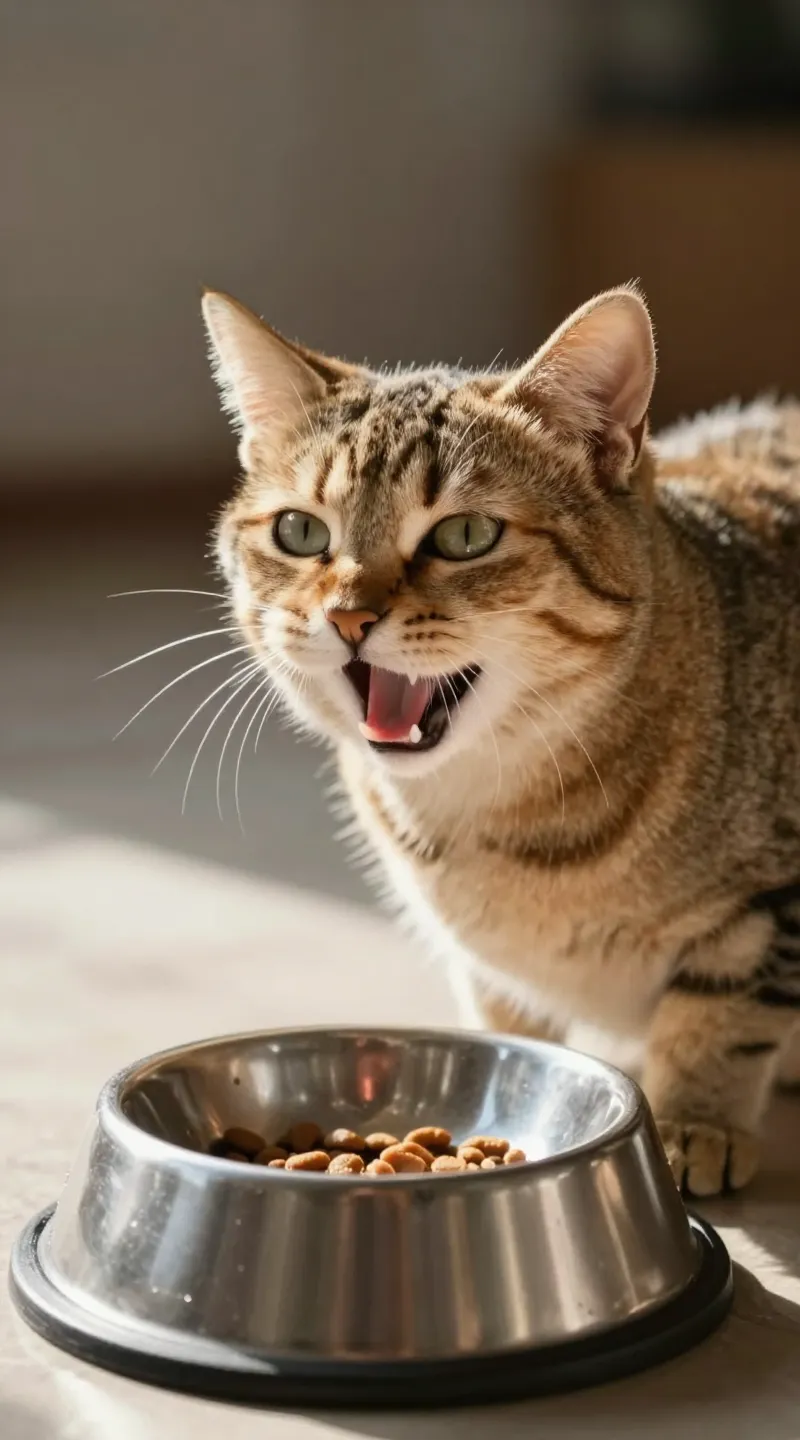
Cats don’t meow at each other much—adult cats mostly use body language with other cats. Meowing is for us. They learn that humans respond to voice, so they get vocal to get results. Clever little gremlins.
Common reasons for meowing include:
- Hunger or thirst
- Attention-seeking (play, petting, companionship)
- Stress or anxiety
- Medical issues
- Territorial concerns (stray cat outside, new pet inside)
- Age-related changes
Hunger meows vs. “I’m just bored” meows

We all know the “starving” meow—loud, insistent, and aimed directly at your soul. If your cat ramps up vocalization around meal times, that’s your clue.
What helps:
- Set a feeding schedule and stick to it. Cats love routines more than we love hitting snooze.
- Automatic feeders can break the food = you dynamic and reduce begging.
- More playtime before meals. Hunt → eat → groom → sleep is the natural cycle.
Attention-seeking meows
Some cats are chatty extroverts. They want you to look at them, play with them, or just exist in the same room. If meows stop once you engage, you’ve got a tiny attention goblin.
What helps:
- Give structured play (10–15 minutes, 2–3 times daily) with a wand toy.
- Offer enrichment: window perches, bird feeders outside, puzzle feeders, rotating toys.
- Ignore meowing that seeks attention and reward quiet moments with treats or play. Timing matters.
Stress and anxiety: the hidden cause of nonstop meowing

Cats hate change. New furniture? New baby? New schedule? Boom—vocalization. They might also pace, hide, or over-groom.
Reduce stress with:
- Safe zones: cozy bed, high perch, quiet room.
- Consistent routines: feeding, play, and bedtime around the same times.
- Scent aids: feline pheromone diffusers can help.
- Slow introductions for new pets/people. Rushing leads to drama.
Territory drama and the “I saw a cat outside” scream
If meowing spikes near windows or doors, your cat might be responding to neighborhood cats. They aren’t gossiping—they’re stressed.
Try this:
- Block direct views temporarily or move perches away from windows.
- Use white noise at night to muffle outside sounds.
- Provide interactive play to burn off that territorial energy.
Medical reasons you should not ignore

When vocalization changes suddenly or becomes extreme, consider health. Cats mask pain like tiny ninjas, but meowing can slip through.
Call your vet if you notice:
- Increased thirst or urination (possible hyperthyroidism, diabetes, kidney disease)
- Weight loss, vomiting, or diarrhea
- Night-time yowling in older cats (cognitive changes)
- Straining in the litter box or vocalizing while using it
- Sudden vocal changes (tone, volume, frequency)
Senior cats and nighttime yowling
Older cats may develop cognitive dysfunction (cat dementia). They can get disoriented at night and vocalize loudly.
Help them with:
- Nightlights so they can navigate.
- Gentle night feeding and a play session before bed.
- Vet consult for supplements or meds that support brain health.
Breed quirks: some cats just talk
Some breeds are born to narrate their lives. Siamese, Oriental Shorthairs, Tonkinese, Bengals—these cats love a conversation. If your cat is one of these, you’ll get color commentary all day.
What to do:
- Lean into training and enrichment. Mental work tires them out.
- Teach a “quiet” cue using clicker training and rewards.
- Accept that some chatter is normal. IMO, it’s part of their charm.
Night meowing: why it happens and how to sleep again
Cats are crepuscular—they party at dawn and dusk. If your cat sings at 3 a.m., they likely have energy to burn or they’ve trained you to wake up on command. FYI, they’re better trainers than half the internet.
Reset the schedule:
- Evening workout: play hard for 10–15 minutes.
- Small meal right after play.
- Ignore night meows completely. Any response = you just reinforced it.
- Use automatic feeders for early breakfast so your cat stops using you as an alarm clock.
When you can’t ignore it
If meows sound distressed or different, check on your cat. Pain meows, frantic pacing, or litter box issues need attention now.
Training your cat to meow less (yes, really)
You can’t stop all meowing, but you can shape it. Cats respond well to consistent, simple training.
Try this plan:
- Pick your moments: reward silence, not noise.
- Teach a sit before meals. No sit, no bowl. It gives them a job.
- Redirect attention-seeking meows into play or puzzles at set times.
- Stay consistent for 2–3 weeks. Mixed messages = mixed results.
What not to do
- Don’t yell or spray water. It damages trust and doesn’t teach what to do.
- Don’t give food “to shut them up”. You just taught them the best hack ever.
FAQ
Why does my cat meow when I’m in the bathroom?
You closed a door. Cats hate closed doors. They see you as part of their territory, and if you lock yourself away, they protest. Open the door or offer a perch nearby so they can supervise your life choices in peace.
Is my cat meowing because they’re mad at me?
Cats don’t do “revenge.” They do cause and effect. If your cat meows more after a change (new schedule, fewer play sessions), they’re trying to fix the situation by communicating. Listen for context before assuming drama.
Why does my cat meow with a toy in their mouth?
That’s the “I hunted this for you” announcement. It’s instinctual. Praise them, play a little, then rotate toys to keep the game fresh.
Should I get a second cat to stop the meowing?
Maybe, but don’t count on it. Another cat can reduce boredom for some, but it can also add stress and… more meowing. If your cat loves other cats and you have space, it’s an option. Otherwise, try enrichment first.
My cat screams at the window every night. Help?
Block outside views, play before bed, and use white noise. Check for neighborhood cats that might be triggering the meltdown. If it persists, talk to your vet about anxiety support.
When is meowing an emergency?
If your cat cries while straining to urinate, seems in pain, or you notice sudden lethargy, drooling, or vomiting, go to the vet now. Especially for male cats, urinary blockages can become life-threatening fast.
Bottom line
Your cat meows because they’re talking to you. Sometimes they want dinner. Sometimes they want reassurance. Sometimes they’re bored and dramatic (relatable). If you rule out medical issues, focus on routine, enrichment, and training. Do that consistently, and the 5 a.m. opera turns into a manageable duet—IMO, that’s a win for everyone.
Explore iPet Choice
Discover helpful pet care tips, trusted product recommendations, and practical guides for dogs, cats, fish, and more.