Your cat isn’t trying to ruin your life—or your couch—on purpose. Scratching is baked into their DNA, like curiosity and a love of boxes. The trick isn’t to stop scratching entirely, but to redirect it. Good news: you can absolutely save your furniture without turning your living room into a cat gym (though… a small gym helps).
Scratching: What Your Cat’s Really Doing
Scratching looks chaotic, but it’s actually super organized in cat world. They scratch to mark territory, stretch their bodies, and maintain claw health. It’s a full-body yoga session with a side of “this is mine.”
Cats also leave both visual marks and scent signals from glands in their paws. So when your sofa gets shredded, your cat thinks they’re doing excellent home decor. You just happen to disagree.
Why Your Furniture Is the Prime Target
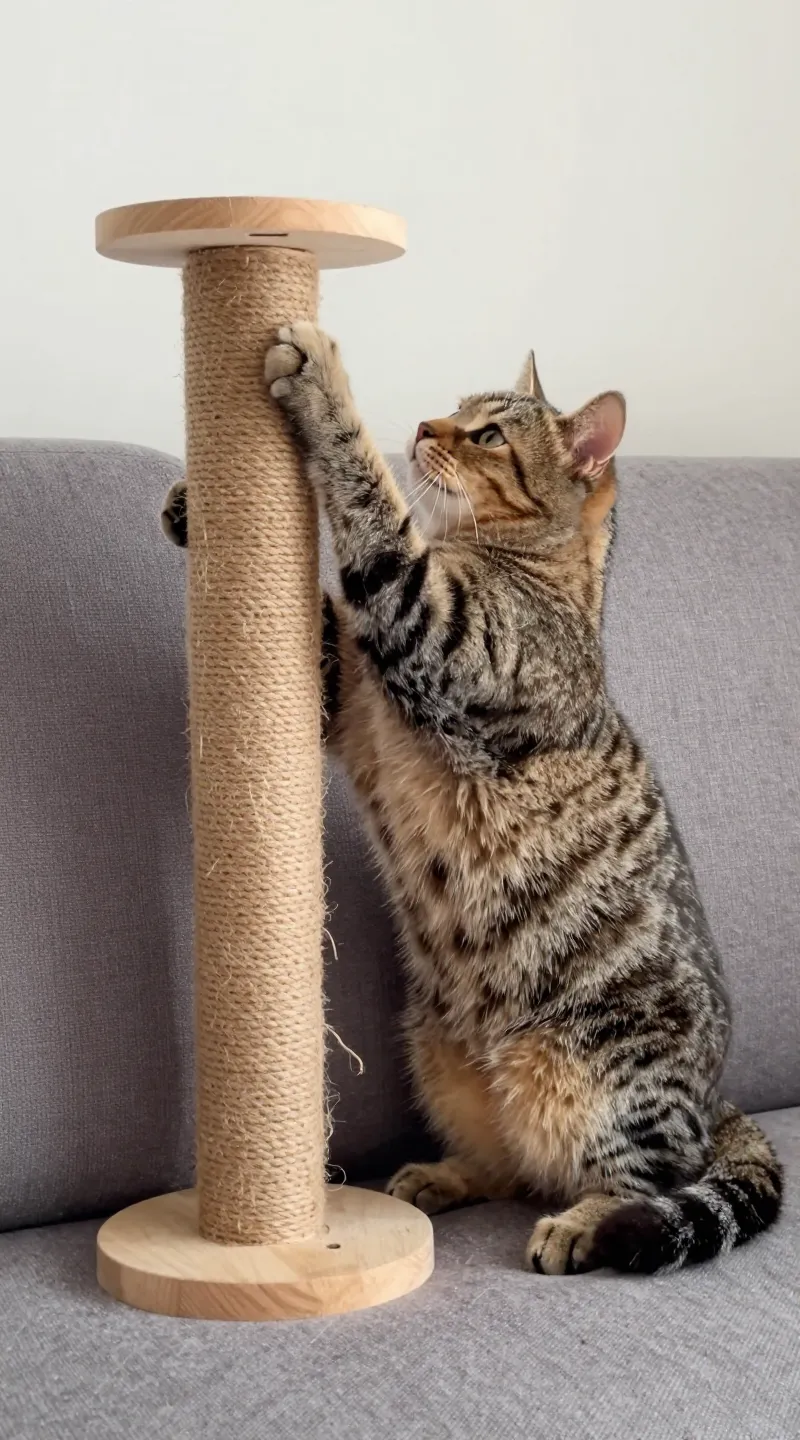
Cats scratch where you spend time. Your couch? Front and center. It’s stable, textured, tall, and accessible—basically a perfect scratching post disguised as furniture.
They also prefer spots that:
- Don’t wobble (cats hate shaky, flimsy posts)
- Let them stretch tall or dig horizontally
- Offer texture with resistance—like woven fabric, sisal, or rough wood
- Sit in high-traffic areas for maximum “hey, that’s mine” impact
FYI: If you hide the scratching post in a corner, your cat will absolutely ignore it. Because of course they will.
Pick the Right Scratching Alternatives
You need to offer options your cat prefers over the couch. That means a mix of materials and orientations.
Vertical vs. Horizontal
Some cats want to reach up and stretch; others want to dig in and shred flat surfaces. Most cats enjoy both, so cover your bases.
- Vertical posts: At least 32 inches tall, stable base, ideally sisal rope or heavy-duty sisal fabric.
- Horizontal scratchers: Cardboard ramps, flat mats, or wooden boards with texture.
- Angled scratchers: Great compromise for cats who aren’t sure what they want (relatable).
Materials Cats Actually Like
- Sisal fabric or rope: Durable, satisfying texture, cat-approved.
- Cardboard: Cheap, noisy, irresistible. Replace when gross.
- Carpet: Hit or miss. Some cats love it, some only use it to ruin rugs.
- Raw wood: Natural and scratchable—just watch for splinters.
Placement: Where You Put It Matters
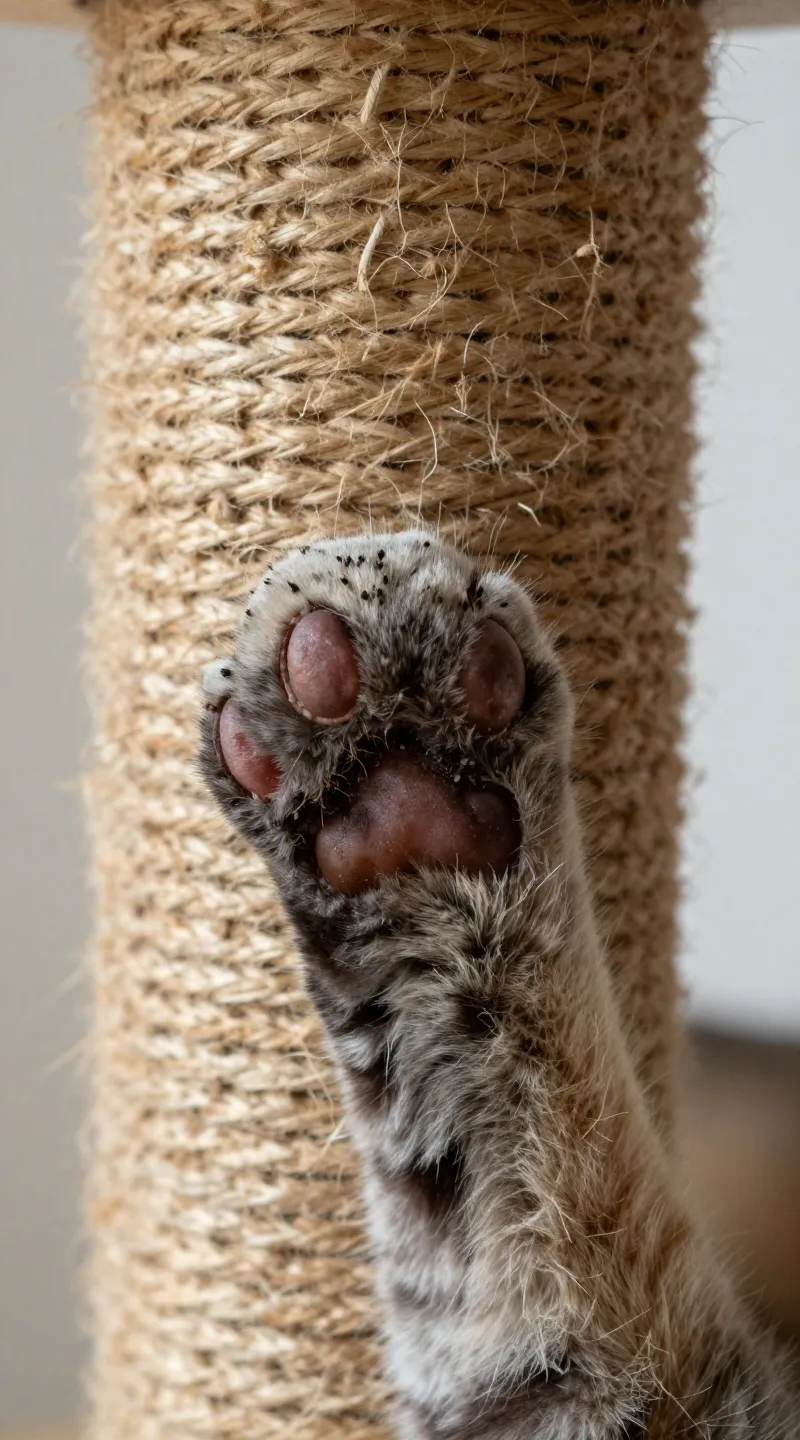
You can’t dump one post in a random corner and expect miracles. Place scratchers:
- Right next to the target furniture your cat loves. Block access or cover the couch side and put the post inches away.
- Near sleep spots since cats love a post-stretch scratch the minute they wake up.
- By windows, perches, and doors, aka patrol zones.
IMO, think of scratchers like outlets: you need them where you actually use them.
Make the Scratcher the Main Event
You need to sell the new scratcher like it’s the hottest club in town. Yes, you’re marketing to your cat.
Irresistible Upgrades
- Catnip or silvervine: Sprinkle or rub it in to kickstart interest.
- Treat trails: Place treats on and around the post. Reward every interaction.
- Play tactics: Drag wand toys up the post so your cat “catches” the surface.
- Stability check: If it wobbles, your cat will ghost it. Secure it to a wall or use a heavier base.
Make the Couch Boring
This is temporary but effective. You’re changing habits.
- Use furniture shields or double-sided tape on the hotspots.
- Cover with moving blankets or tight-fitting throws (smooth texture feels bad to scratch).
- Rearrange briefly so the attractive surface becomes awkward to reach.
Pair this with the “new, exciting scratcher” strategy and you’ll see results fast.
Training: Yes, You Can Teach a Cat
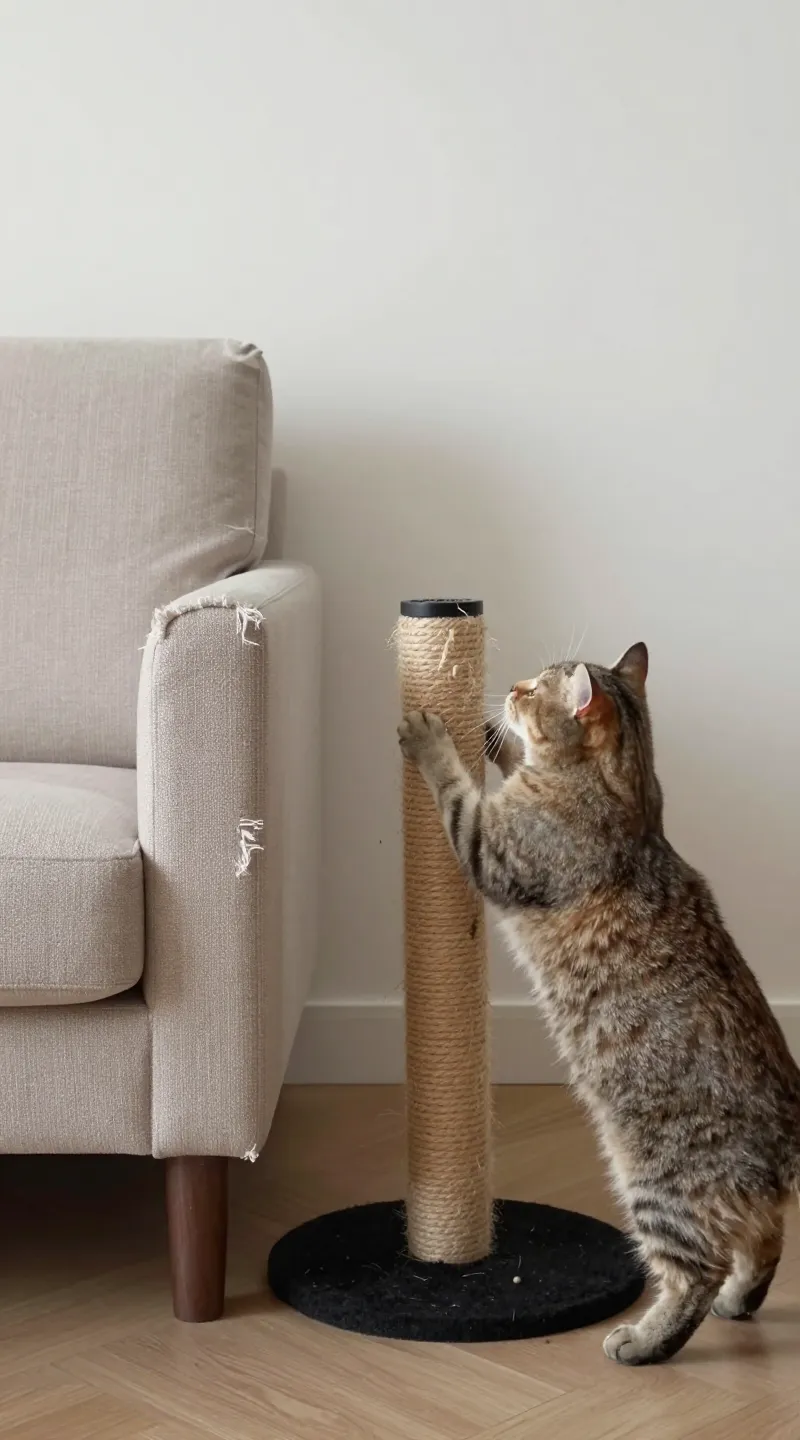
Cats learn fast when you make good behavior easy and rewarding. You don’t need to yell. You need timing.
Redirect, Don’t Scold
- Catch them starting on the couch? Calmly interrupt with a gentle clap or “uh-uh.”
- Guide to the post and reward when they touch or scratch it.
- Repeat consistently for a week or two. They’ll switch over.
Use Scent and Pheromones
- Feliway or similar pheromone sprays on furniture can reduce marking urges.
- Catnip/silvervine on posts tells your cat, “This is your spot.”
Protect the Claws, Not Just the Couch
- Regular nail trims every 2–4 weeks lower damage potential.
- Soft nail caps are an option for a few months while training sticks.
- Never declaw. It’s painful, risky, and banned in many places.
Special Cases: When Scratching Signals Something Else
Sometimes scratching increases because of stress or boredom. Think of it as your cat’s “I have feelings” billboard.
Stress Triggers
- New pets, people, or routines
- Outdoor cats lurking near windows
- Not enough vertical space or safe zones
Solutions:
- Increase enrichment: 10–15 minutes of play, twice daily. Food puzzles help.
- Add vertical territory: Cat trees, shelves, window perches.
- Use pheromones and predictable routines to chill the vibe.
Medical Considerations
If a normally chill cat suddenly shreds everything, check for:
- Pain or stiffness (they might scratch to stretch uncomfortable joints)
- Overgrown nails due to reduced activity
A vet visit beats guessing, IMO.
Furniture-Safe Fabrics and Quick Fixes
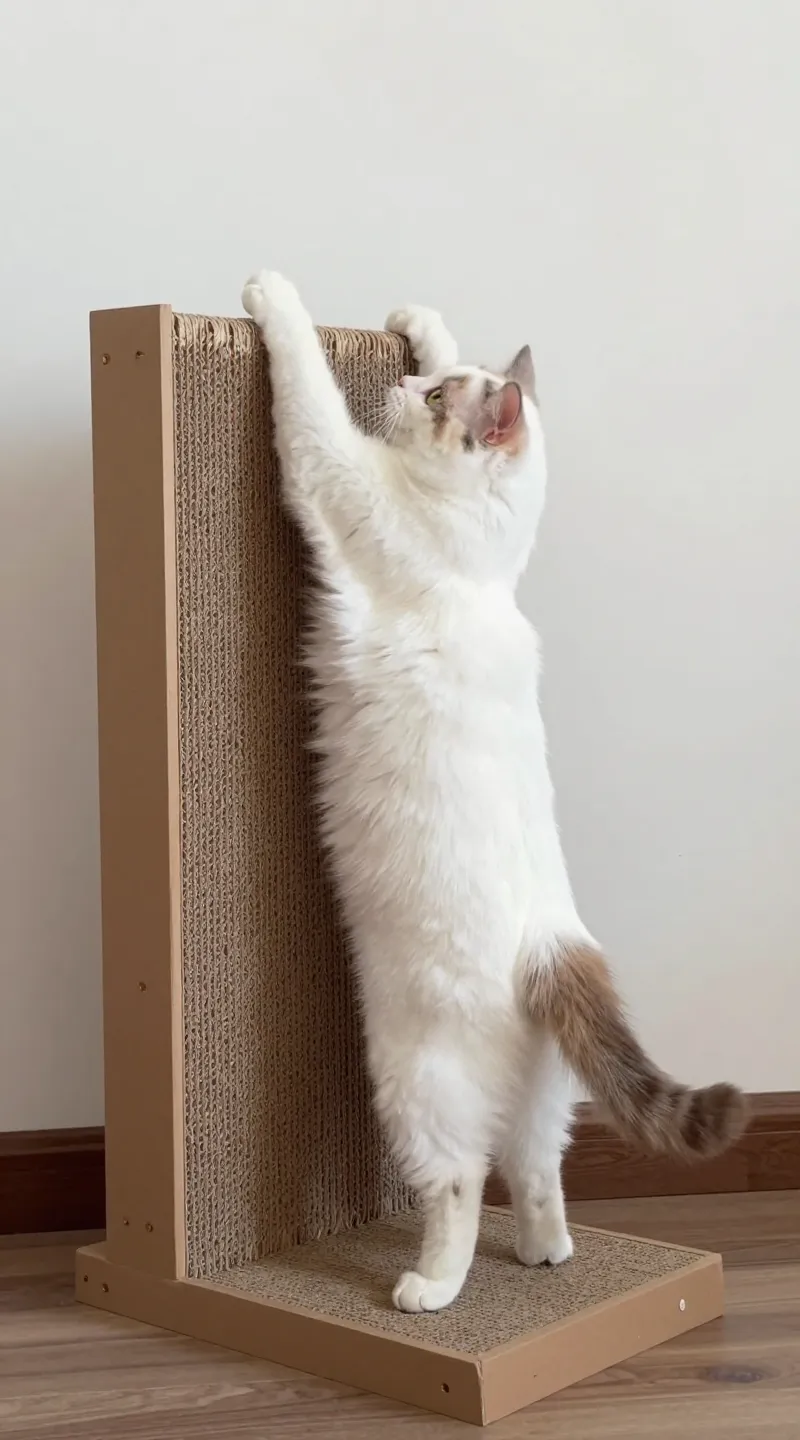
No, you don’t need plastic covers forever. But choosing tougher materials helps.
- Tightly woven fabrics like microfiber, canvas, or performance polyester resist claws better.
- Avoid loose weaves like chenille, linen blends, and boucle. They’re cat magnets.
- Use removable slipcovers during training, or add scratch shields to sofa arms.
- Offer a “sacrificial” post right by the couch arm that your cat loves to target.
FAQ
How many scratching posts do I need?
For one cat, aim for at least two to three scratchers in different areas and orientations. Add more for multi-cat homes. Place them where your cat already hangs out, not in exile behind a plant.
My cat ignores the new post. Now what?
Upgrade the experience. Make it taller and sturdier, switch to sisal fabric, add catnip or silvervine, and put it exactly where your cat scratches now. Play around it daily for a week. Reward every sniff, touch, and scratch.
Is cardboard okay, or do I need fancy posts?
Cardboard is great, especially for horizontal scratchers. It’s cheap and satisfying. Just replace it when it looks like a snowstorm of shreds. Pair it with one solid, tall sisal post for the full stretch factor.
Will trimming nails stop scratching?
Trims reduce damage but won’t stop the instinct. Combine trims with training, scratcher placement, and deterrents on furniture. Nail caps can help temporarily if you need extra protection.
Can I use sprays to stop scratching?
Citrus sprays or deterrents may help short-term, but they work best alongside positive training. Pheromone sprays on furniture can reduce marking behavior, while catnip on posts encourages the right target.
What if I rent and can’t add big cat trees?
Go modular. Use freestanding posts, horizontal scratchers, window perches with suction cups, and wide-base trees that don’t require drilling. You can still create a climbing “route” with furniture and shelves you already own.
Conclusion
Your cat will always scratch. That’s non-negotiable. But you control the where and the how. Offer sturdy, well-placed scratchers, sweeten the deal with catnip and play, make the couch boring, and reward good choices. Do that for a couple of weeks and, boom—your sofa survives, your cat thrives, and everyone keeps their sanity. FYI: a tall sisal post is the MVP here.
Explore iPet Choice
Discover helpful pet care tips, trusted product recommendations, and practical guides for dogs, cats, fish, and more.