Your dog won’t stop scratching, you can’t stop Googling, and everyone’s losing sleep. Sound familiar? Itchy pups can drive a household bonkers. The good news: there’s always a cause—and a fix. Let’s decode the scratch fest, soothe your dog, and get you both back to chill mode.
First, Is It Normal or Not?
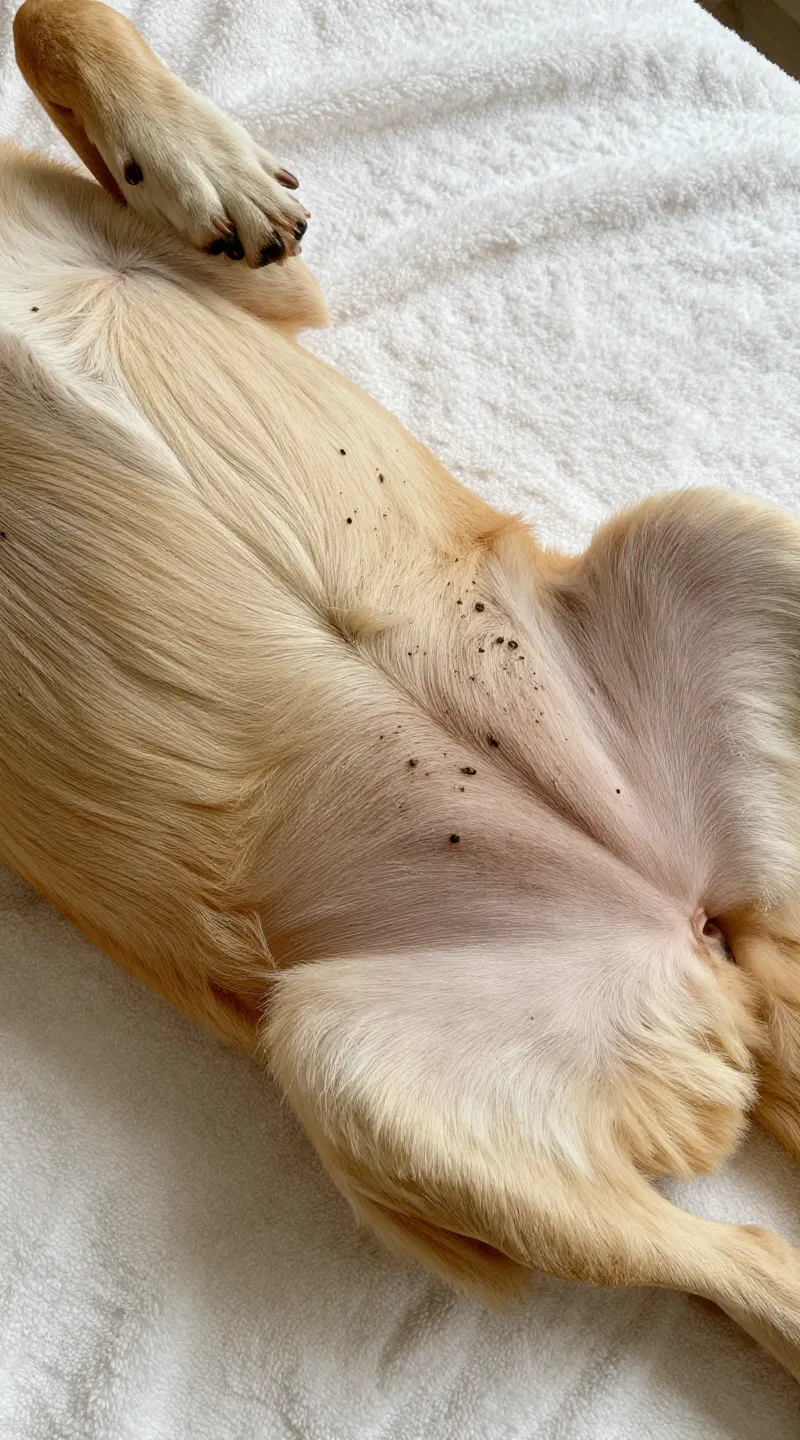
Dogs scratch sometimes—just like we do. But when it turns into nonstop pawing, chewing, rolling, or butt-scooting, we’ve crossed into “not normal” territory. Look for red skin, hair loss, scabs, a funky odor, or constant licking. If you see those, your dog’s telling you something’s up.
The Big Three: Fleas, Allergies, and Skin Infections

These are the heavy hitters. You’ll solve 80% of itch cases if you check these first.
Fleas: The Tiny Terrorists
Even if you never see a flea, they may still be there. Some dogs react to just one bite. Check the lower back, tail base, and belly for flea dirt (little black specks that turn reddish when wet). If you find it, you’ve got your culprit.
- Solution: Use a fast-acting flea treatment (vet-recommended) and keep it consistent monthly.
- Don’t forget the environment: Wash bedding, vacuum daily for a week, and treat the home if you have a heavy infestation.
- FYI: Natural sprays rarely cut it. Go with proven meds.
Allergies: Food vs. Environmental
Allergies often show up as itching around the paws, ears, belly, and armpits. Food allergies itch all year; environmental allergies (pollen, dust mites) flare seasonally or indoors.
- Food allergies: Try a strict 6–8 week elimination diet using a hydrolyzed or novel protein. No treats unless they match the diet. Yes, that includes Grandma’s “just a little cheese.”
- Environmental allergies: Wipe paws after walks, bathe weekly with a gentle medicated shampoo, and ask your vet about meds like Apoquel or Cytopoint. They work fast and help a ton.
- IMO: Grain-free hype isn’t the answer here. Target the protein source and stick to the plan.
Skin Infections: Bacteria and Yeast
All that scratching breaks the skin barrier, which invites infection. Signs include redness, odor, greasy skin, dark staining, or little pimple-like bumps.
- Solution: Medicated shampoos (chlorhexidine, miconazole) 2–3 times per week, plus vet-prescribed antibiotics or antifungals if needed.
- Pro tip: Let medicated shampoo sit for 5–10 minutes before rinsing. It matters.
Other Common Culprits You Shouldn’t Miss

Not every itch is fleas or allergies. Check these too.
- Mites (mange): Sarcoptic mange causes insane itchiness, often with crusty elbows and ear edges. Demodex happens in younger or immune-stressed dogs. Your vet can do skin scrapings and treat fast.
- Dry skin: Winter air, overbathing, and harsh shampoos mess with skin oils. Add omega-3s and switch to moisturizing shampoos.
- Contact irritants: New detergent, lawn chemicals, or carpet cleaners can trigger localized rashes. Rinse off after walks if you suspect it.
- Ear problems: Ear infections itch like crazy and often smell yeasty. Dogs scratch the ears and shake their heads. You’ll need a vet visit for proper drops.
- Stress or boredom: Some dogs lick and chew from anxiety. If you’ve ruled out medical causes, increase exercise, enrichment, and consider calming aids.
At-Home Triage: What You Can Do Now

Let’s stop the itch cycle and prevent more damage while you investigate the cause.
- Clip nails and trim fur around hot spots to reduce self-trauma.
- Use an e-collar or inflatable collar if your dog won’t stop chewing. Not cute, but effective.
- Start a gentle bath routine: Cool water, hypoallergenic or oatmeal shampoo, no heavy perfumes.
- Add omega-3 fatty acids (EPA/DHA) daily for skin support. It won’t fix everything, but it helps.
- Cool compresses on red, itchy areas for 5–10 minutes can give quick relief.
When to See the Vet, Like… Now
Go sooner rather than later if you see:
- Open sores, bleeding, or spreading red patches
- Ear odor, head shaking, or head tilt
- Hair loss in patches or thick, elephant-like skin
- Weight loss, lethargy, or behavior changes
- No improvement after 1–2 weeks of solid at-home care
Long-Term Itch Management (So You Don’t End Up Here Again)
Chronic itch often needs a multi-pronged plan. Think prevention, not just rescue.
- Stick to monthly parasite prevention: Fleas don’t pay rent; don’t let them move in.
- Bathe smart: Weekly for allergic dogs, every 2–4 weeks for most others, using the right shampoo for their skin.
- Dial in the diet: If food allergies exist, keep it tight. Read labels like a detective.
- Seasonal meds: Use Cytopoint/Apoquel during peak allergy months if your vet recommends it.
- Environmental tweaks: HEPA filter, frequent vacuuming, washing bedding in hot water.
- Track patterns: Keep a simple itch diary—date, weather, food, flare severity. You’ll spot triggers faster than you think.
What About “Natural” Remedies?
I love a good home hack, but let’s stay realistic.
- Coconut oil: Can help dryness topically for some dogs, but it can also clog pores or cause GI upset if ingested. Use sparingly.
- Apple cider vinegar: Hard pass on broken skin—it burns. Dilute heavily and only on intact skin if your vet okays it.
- Colloidal oatmeal baths: Gentle, soothing, and generally safe.
- IMO: Natural doesn’t equal harmless. Vet-approved > viral post.
FAQ
How do I tell if it’s fleas if I never see them?
Check for flea dirt at the base of the tail and along the lower back. Brush onto a wet paper towel—if the specks turn reddish, that’s digested blood. Also, try a flea comb. If your dog improves after a proper flea treatment, you probably nailed it.
What’s the difference between food and environmental allergies?
Food allergies itch year-round and often involve ears, paws, and belly. Environmental allergies flare with seasons or indoor exposures like dust mites. Only a strict elimination diet can confirm food allergies—blood tests for food aren’t reliable, FYI.
Can I use human antihistamines?
Sometimes, but they often don’t help enough for dogs. If your vet approves, they’ll give the right dose and options. Don’t wing it—some combo products contain decongestants that are unsafe for dogs.
How long until the itching stops?
If fleas are the cause, you may see improvement in a few days after treatment. Allergies can take weeks to settle, especially with diet trials. Infections usually improve within 3–7 days once treated. Consistency matters more than miracles.
Is frequent bathing bad for dogs?
Not if you use the right shampoo and rinse thoroughly. Allergic dogs often benefit from weekly baths to remove allergens and soothe skin. Avoid harsh, scented shampoos and always dry gently.
Do supplements actually help?
Omega-3s can improve skin barrier function and reduce inflammation. They won’t replace meds for severe cases, but they support healthier skin and coat. Choose a product with clear EPA/DHA amounts and vet backing.
Conclusion
Your dog’s nonstop scratching isn’t random—it’s a clue. Start with the big three (fleas, allergies, infections), add smart at-home care, and loop in your vet when needed. With a little detective work and a solid plan, you’ll kick the itch and get back to belly rubs—not battle scars. And IMO, a comfy, calm, non-scratchy dog is the very best vibe.
Explore iPet Choice
Discover helpful pet care tips, trusted product recommendations, and practical guides for dogs, cats, fish, and more.