Some dogs smell like cookies after a bath. Others smell like wet disappointment. Either way, you want your pup clean without wrecking their skin. So how often should you actually bathe your dog? Short answer: it depends on coat, skin, lifestyle, and health. Let’s break it down in plain English—no fluff, just fur facts.
Why Bathing Frequency Matters (More Than You Think)
You’re not just battling stink. Bathing affects your dog’s skin barrier, coat health, and even comfort. Wash too often and you strip natural oils, which can cause itchiness and dandruff. Wash too rarely and you invite odors, matting, and potential skin infections.
So the goal? Clean enough to keep skin healthy, spaced out enough to protect natural oils. Sounds simple, right? Kinda. Let’s customize it to your dog.
Quick-Start Guide: The “Most Dogs” Rule
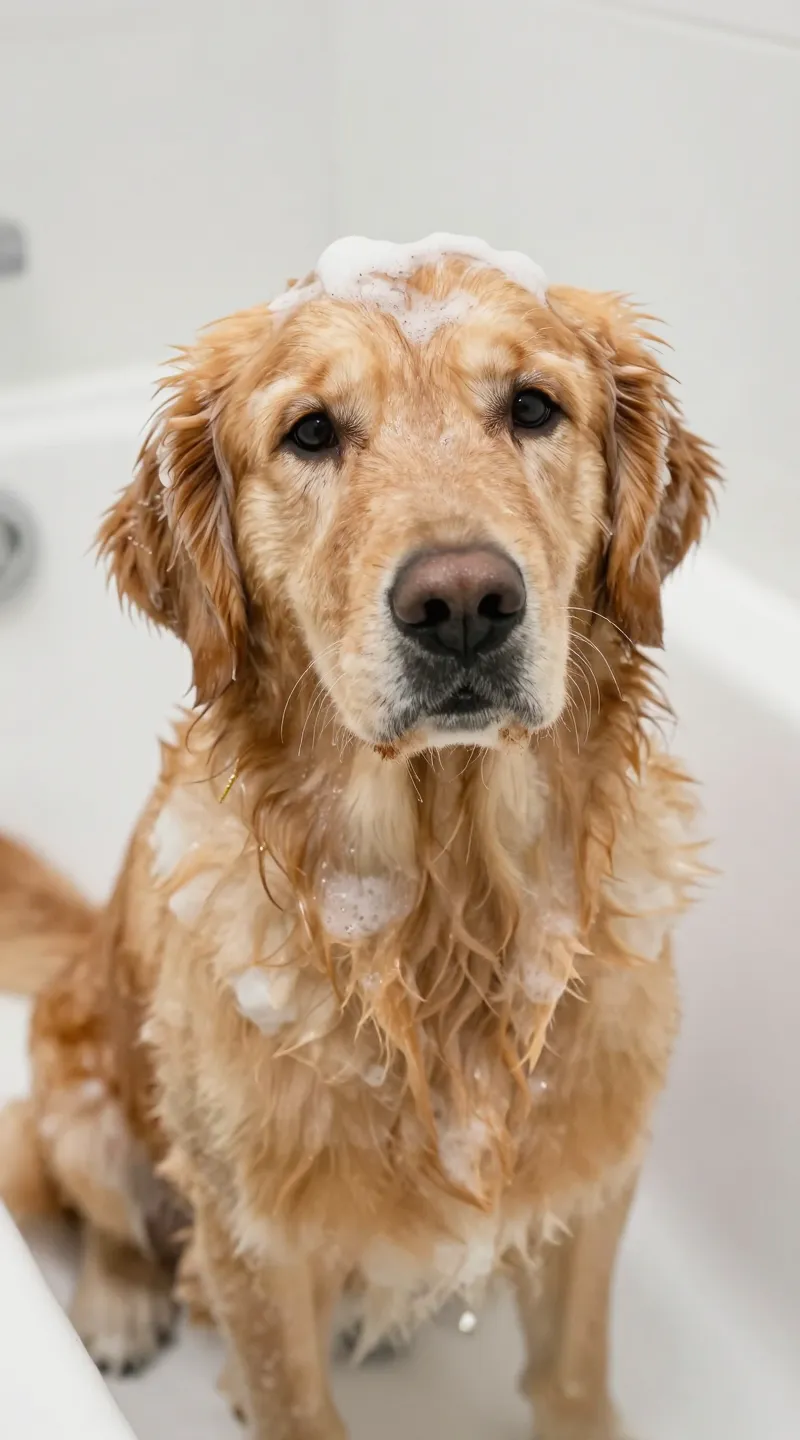
If you want a fast rule for a healthy, average dog:
- Every 4–8 weeks works for most dogs.
- Rinse-offs with plain water in between? Totally fine.
- Spot-clean muddy paws and bellies as needed.
FYI: “Average” means normal skin, not rolling in the swamp, and no special medical needs. If your pup loves “eau de garbage,” keep reading.
Coat Types: Your Real Schedule Setter
Different coats behave like different fabrics. You wouldn’t wash silk like denim, right? Same logic.
Short, Smooth Coats (Beagle, Boxer, Pit Bull)
- Bathe every 4–8 weeks.
- Wipe-downs with a damp cloth or dog wipes between baths are great.
Double-Coated Breeds (Husky, Lab, Shepherd)
- Bathe every 6–10 weeks.
- Focus more on regular brushing to remove undercoat and dirt.
- Too-frequent baths can mess with coat insulation.
Curly/Non-Shedding Coats (Poodle, Doodle, Bichon)
- Bathe every 3–6 weeks, especially if you keep the coat longer.
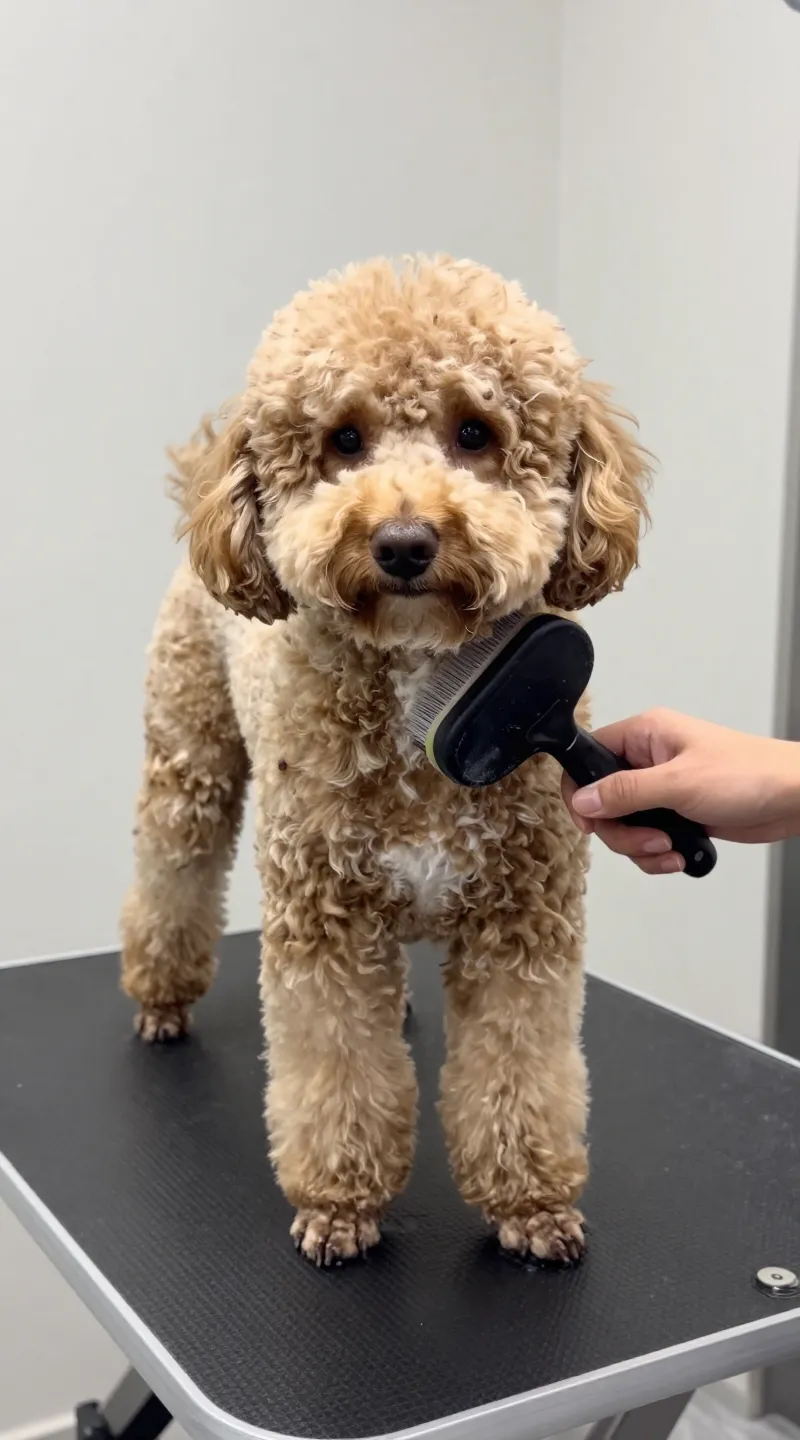
- Condition every bath and brush regularly to prevent mats.
- Grooming cycles often include bath + trim on a 4–8 week schedule.
Wire-Coated Breeds (Terriers)
- Bathe every 4–8 weeks.
- Avoid heavy conditioners that soften the wiry texture too much.
Hairless and Thin-Coated Dogs (Xolo, Chinese Crested)
- Bathe weekly to every 2–3 weeks depending on oiliness.
- Moisturize with vet-approved products to protect skin.
Lifestyle: The Dirt Factor
Your dog’s hobbies matter. City couch potato? Different plan than mud-athlete.
- Outdoor adventurers (trail runners, beach goers): Every 2–4 weeks, plus fresh-water rinses after salt or lake days.
- Allergy-prone dogs: Weekly to every 2 weeks with a gentle or medicated shampoo (vet-approved) can reduce allergens on skin.
- Senior or mobility-limited dogs: Less frequent full baths; use no-rinse foams and gentle wipe-downs.
- Puppies: Spot clean until they can handle full baths; keep it quick and warm.
IMO, if your dog sticks their whole head into a fishy tidepool, that’s an instant bath. Non-negotiable.
Health and Skin Conditions: Listen to Your Vet
If your dog has skin issues, the bath schedule can flip completely.
- Medicated shampoos (for yeast, bacteria, seborrhea, or allergies) might be used 1–3 times weekly at first, then tapered.
- Leave-on contact time matters: most medicated shampoos need 5–10 minutes before rinsing. Set a timer.
- Follow with a vet-approved conditioner to restore moisture if advised.
Bottom line: Skin problems = personalized plan. Don’t guess—ask your vet.
What You Use Matters: Shampoos, Conditioners, and Water
Shampoo isn’t just soap. It’s chemistry—and your dog’s skin is more sensitive than yours.
Pick the Right Shampoo
- Dog-specific only. Human shampoos, even baby shampoo, can mess with pH and dry the skin.
- Hypoallergenic or oatmeal formulas work well for most normal skin.
- Skip heavy fragrance—smells pretty, can irritate.
- Medicated shampoo only if your vet recommends it.
Conditioner: Not Optional for Many
- Use a light, dog-safe conditioner for curly, long, or dry coats.
- Conditioner helps prevent tangles and protects the skin barrier.
Water Temp and Rinse Technique
- Lukewarm water only—too hot equals itchy skin.
- Rinse forever (or at least until the water runs totally clear). Residue causes itch.
- Towel-dry thoroughly. Blow-dry on cool or low for long or dense coats to prevent damp-related skin issues.
Red Flags You’re Bathing Too Often
Curious if you’ve crossed the line from “fresh” to “parched”? Watch for:
- Flakes or dull coat
- Increased scratching or licking
- Greasy-but-dry vibes (overproduction of oil after stripping)
- Redness or irritation
If you see these, space out baths, switch to a gentler shampoo, or call your vet. Simple fixes save lots of skin drama.
Bathing Like a Pro: Step-by-Step
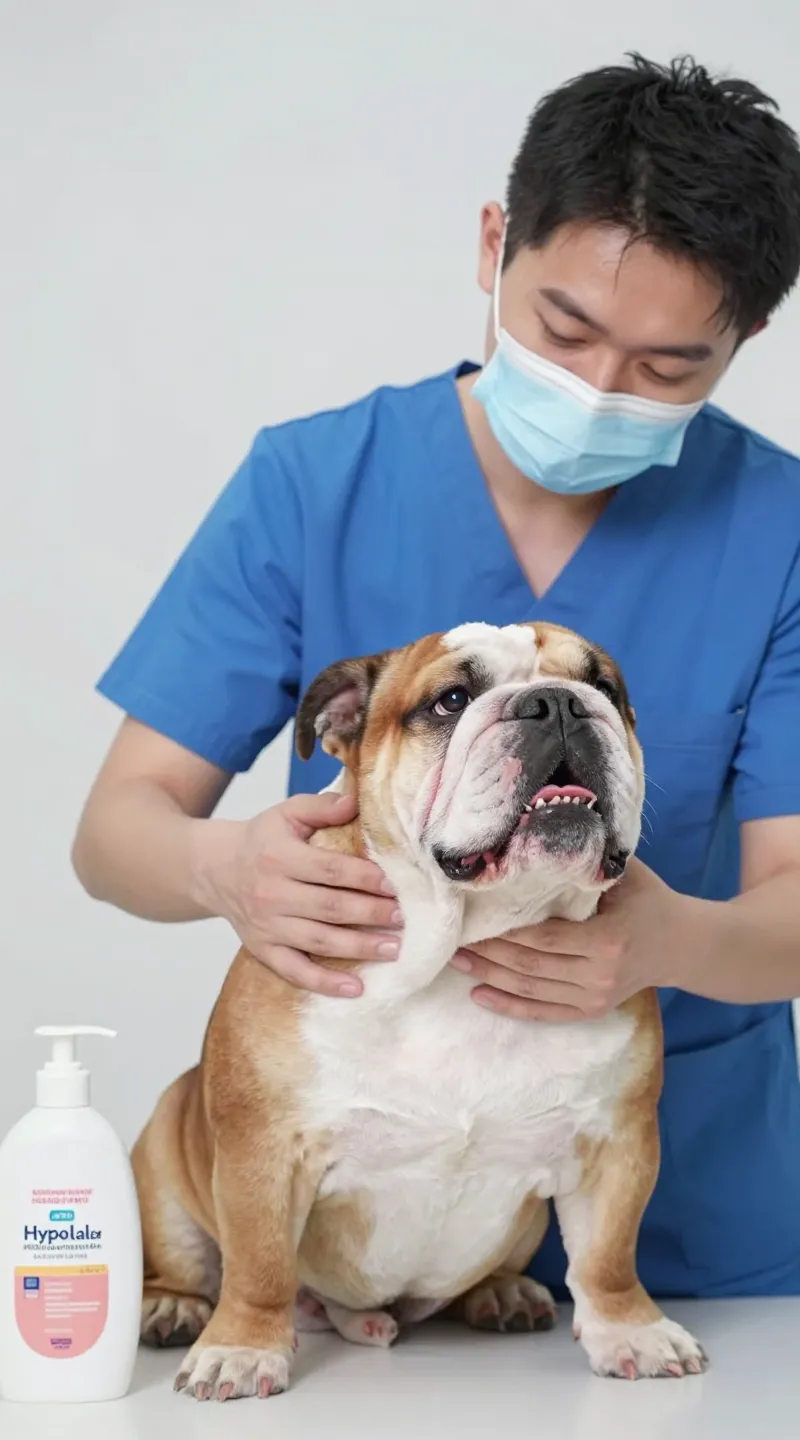
Because technique makes a huge difference:
- Brush out tangles and loose hair first. Mats get worse when wet.
- Place a non-slip mat in the tub. Safety > chaos.
- Use lukewarm water and thoroughly wet the coat.
- Apply diluted shampoo (mix with water in a squeeze bottle) for even coverage.
- Massage to the skin. Don’t scrub like you’re washing a car.
- Rinse. Then rinse again. Then one more for good luck.
- Apply conditioner if needed. Rinse fully unless it’s leave-in.
- Towel-dry. Blow-dry on cool/low for dense or curly coats while brushing.
- Treats and praise. Because bath-time PR matters.
FAQ
Can I bathe my dog every week?
You can if you use a gentle, moisturizing dog shampoo and your dog’s skin tolerates it. Many allergy dogs actually benefit from weekly baths. But if you notice dryness, flakes, or itching, stretch the interval or talk to your vet. Balance is key.
What if my dog hates baths?
Keep sessions short, warm, and positive. Use non-slip surfaces, high-value treats, and calm handling. Try a handheld sprayer, silicone scrubber, or lick mat with peanut butter. If stress runs high, consider professional groomers or desensitization training.
Do I need to bathe my dog after the beach or lake?
Yes—at least rinse thoroughly with fresh water ASAP. Salt, sand, and algae can irritate skin and coat. A quick rinse plus ear cleaning after water play helps prevent nasty ear infections, especially in floppy-eared breeds.
How soon can I bathe after using flea or tick treatments?
Check your product’s label. Most spot-on treatments need 24–48 hours before and after application without bathing. Too soon and you reduce effectiveness. When in doubt, call your vet or the manufacturer helpline.
Is human shampoo or dish soap okay in a pinch?
Nope. Human shampoo can disrupt your dog’s skin pH and strip oils. Dish soap is way too harsh. Keep a basic dog shampoo on hand for emergencies. Your dog’s skin will thank you.
My dog still smells after a bath—why?
Could be lingering residue, not drying thoroughly, ear infections, dental issues, or skin infections. Rinse longer, dry fully, and check ears and skin folds. If the odor persists, schedule a vet check to rule out medical causes.
The Bottom Line
You don’t need a rigid calendar—just a smart routine. For most dogs, bathe every 4–8 weeks, brush often, and rinse after messy adventures. Adjust for coat type, lifestyle, and any skin conditions. When in doubt, ask your vet and choose gentle products. Keep it simple, keep it consistent, and keep the wet-dog chaos to a minimum. IMO, a clean pup who still smells like “dog” (not “swamp”) is the sweet spot.
Explore iPet Choice
Discover helpful pet care tips, trusted product recommendations, and practical guides for dogs, cats, fish, and more.