Your pet doesn’t read warning labels, and honestly, neither do most humans. So let’s keep this simple: you want your buddy safe, healthy, and around for a long time. That means knowing what actually matters day-to-day. No scare tactics, no fluff—just the practical stuff that saves vet bills and heartbreak.
Know What’s Toxic (Because Curiosity is a Lifestyle)
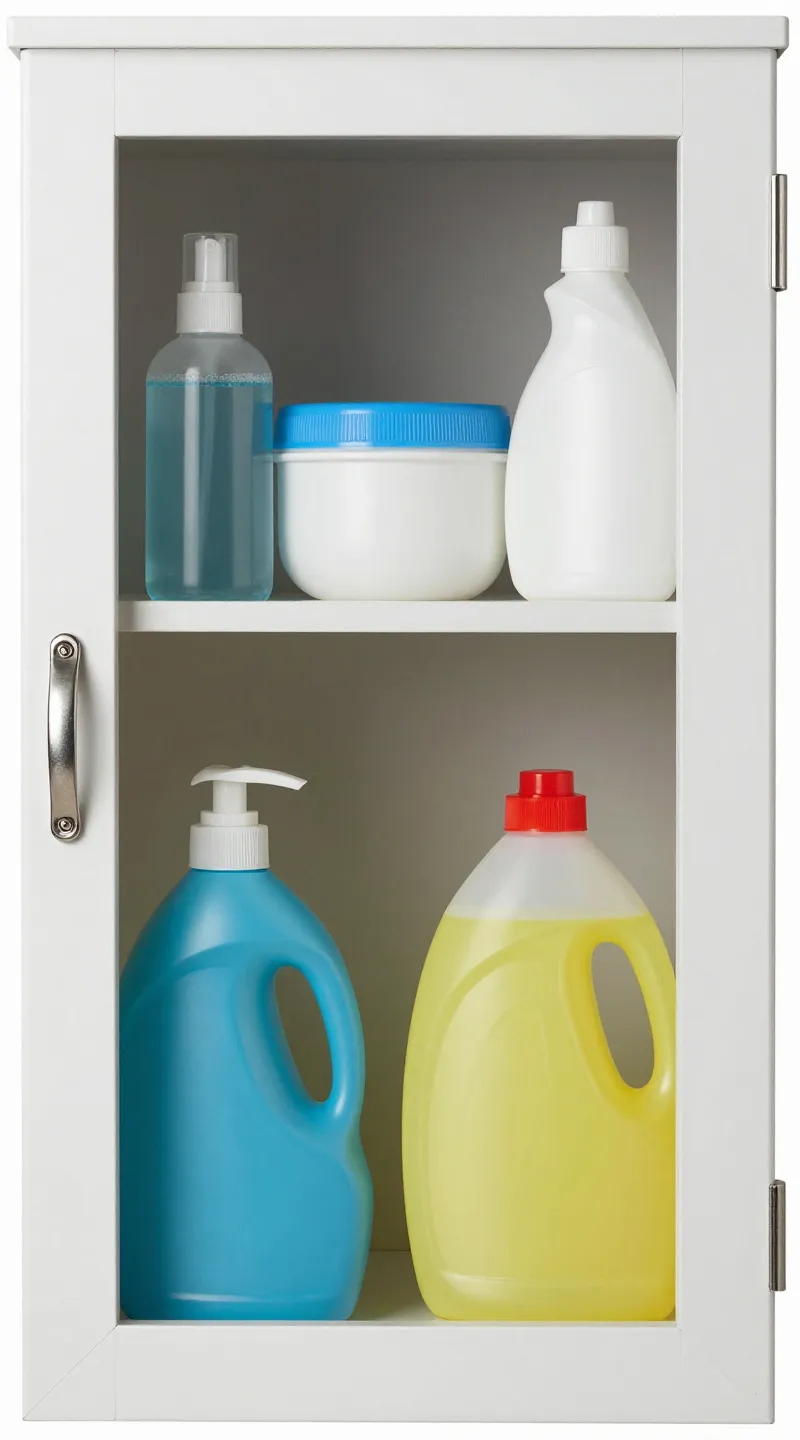
Your dog or cat doesn’t see “poison,” they see “snack.” You need to outsmart them. Keep common toxins out of reach and out of mind—preferably in cabinets they can’t open, because yes, some cats can open cabinets.
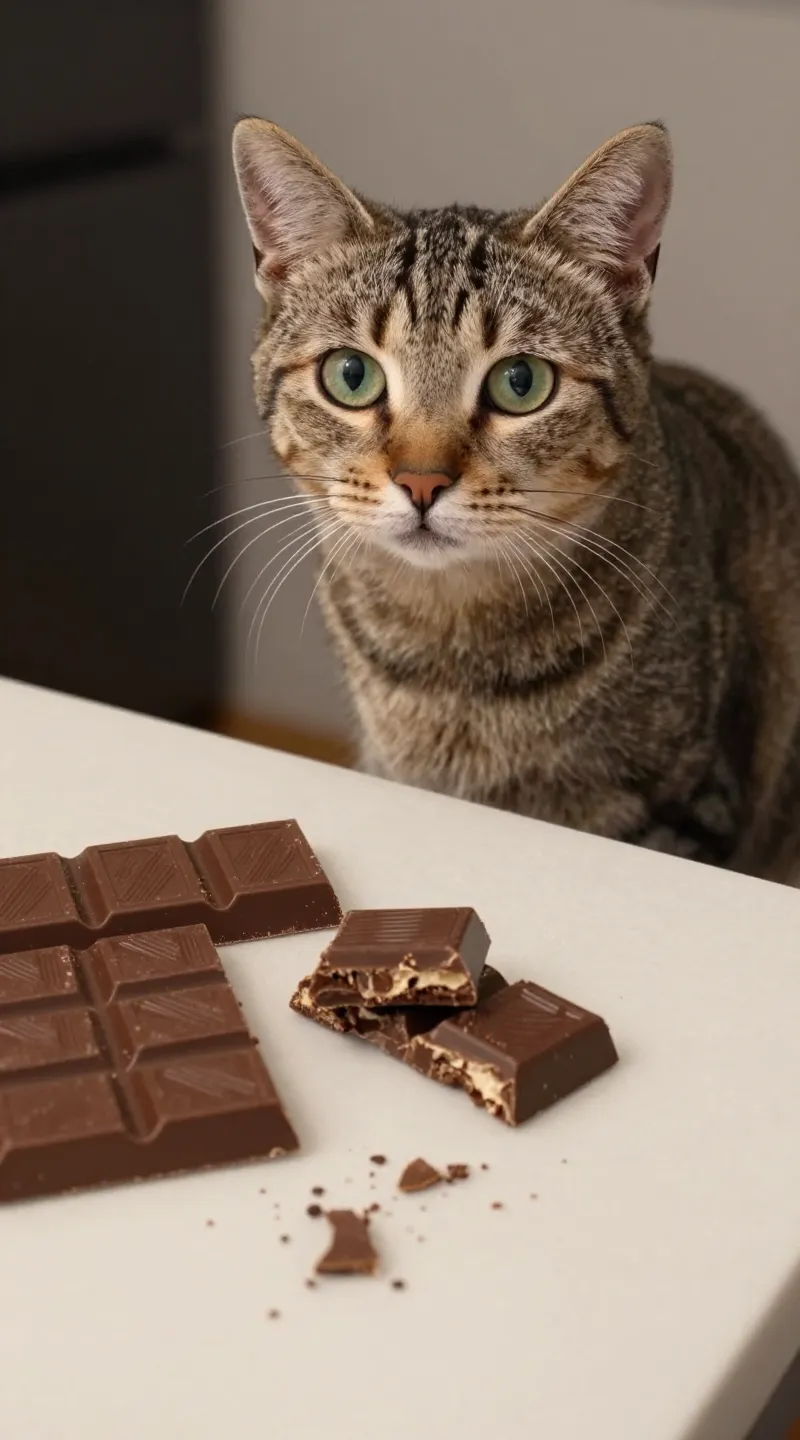
- Foods to avoid: chocolate, grapes/raisins, xylitol (in sugar-free gum), onions, garlic, alcohol, caffeine, raw yeast dough.
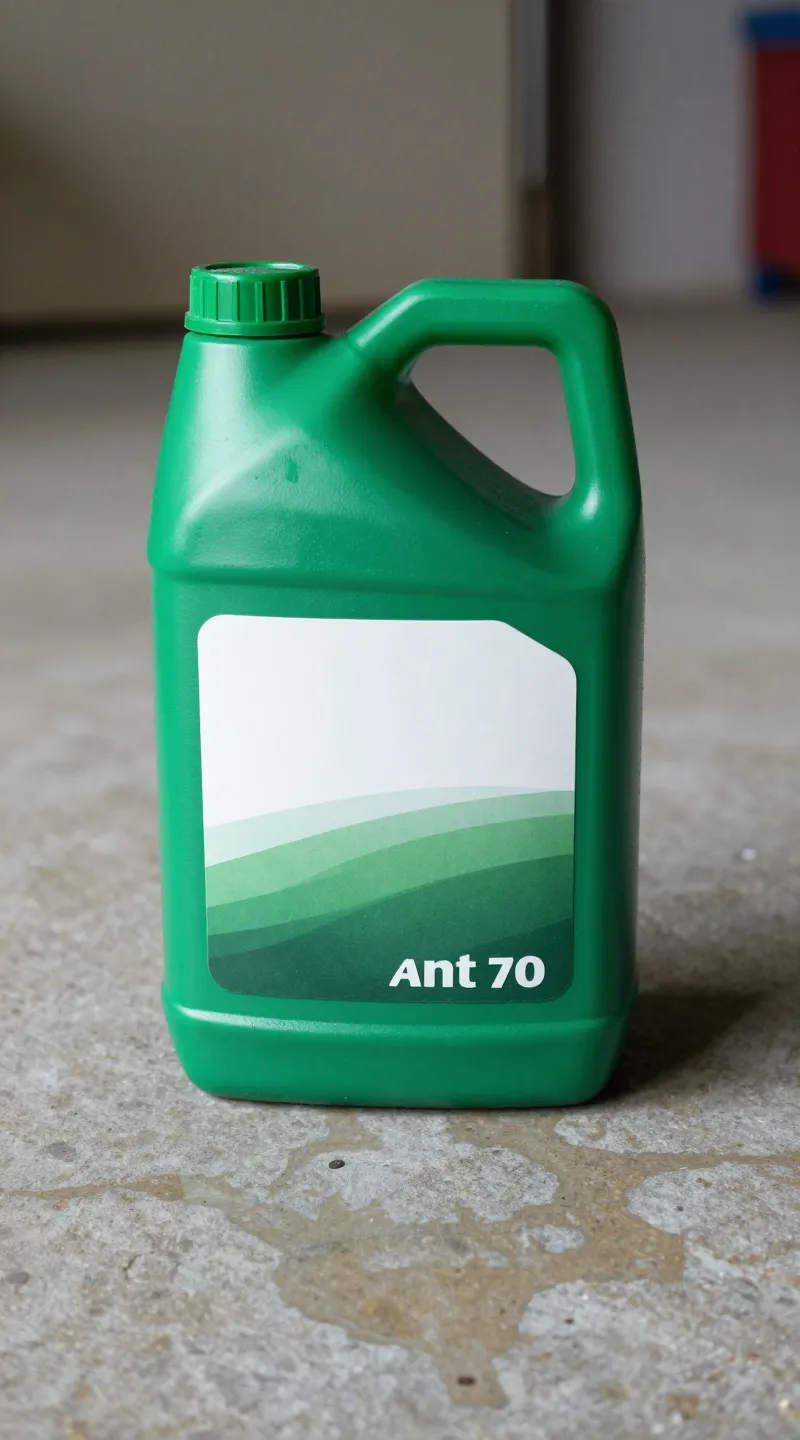
- Household hazards: antifreeze (tastes sweet—dangerous), rodent bait, batteries, e-cig/vape liquids, essential oils (tea tree, eucalyptus, peppermint).
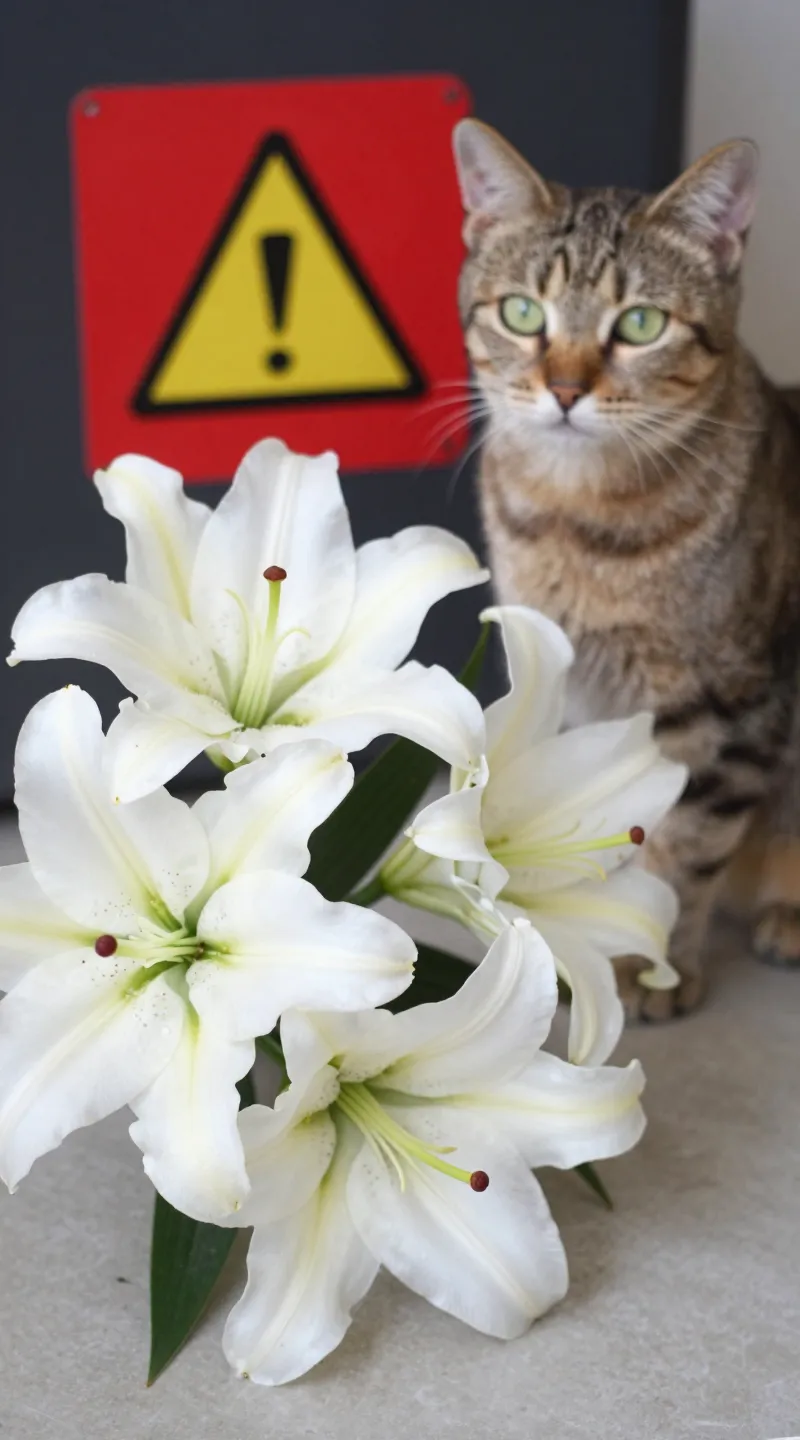
- Plants that fool you by being pretty: lilies (cat-killers), sago palm, oleander, philodendron, pothos, azalea.
Action tip: Create a “no pet” shelf or bin for anything questionable. If ingestion happens, call your vet or a pet poison hotline immediately—don’t wait for symptoms.
Pet-Safe Cleaning and Scenting
Skip harsh cleaners and heavy essential oil diffusing. Choose pet-safe cleaners and ventilate well. FYI, cats metabolize certain compounds poorly, so your fancy oil diffuser can turn into a very bad night fast.
Prep Your House Like a Pet-Proof Fortress
Think of your home like a video game level: where could a mischievous fur creature cause chaos? You fix those spots first.
- Secure trash cans: latching lids, cabinets, or under-sink pullouts.
- Hide cords: cord covers or bitter-tasting deterrent sprays. Chewed chargers = sparks and drama.
- Window screens: ensure tight fits, no tears; cats love gravity experiments.
- Small objects: hair ties, sewing needles, kids’ toys—put them away. Vet surgeries happen over hair ties more than you’d think.
Crates, Gates, and Safe Zones
Create a cozy “home base” with a crate or pen. It helps with separation anxiety, keeps them out of trouble, and gives them a safe retreat when guests visit. Think of it as their studio apartment, not a jail cell.
Collars, Tags, and Microchips: Your Backup Plan
Even perfect angels slip collars or bolt when a door cracks open. You need multiple layers of ID.
- Breakaway collars for cats so they don’t get snagged.
- Readable tags with your phone number. Keep it current.
- Microchip + registration with your info. A chip without registration is just a fancy grain of rice.
Pro move: Add a temporary tag when you travel with a local contact or hotel info. IMO, that’s next-level responsible.
Set a Health Rhythm (Because Random Isn’t a Plan)
You can dodge so many emergencies with a steady routine. Preventive care saves money and stress.
- Vaccinations: follow your vet’s schedule. Core vaccines are not optional.
- Parasite prevention: monthly flea/tick/heartworm protection. Year-round in most places.
- Annual exams: even for indoor cats. Vets catch subtle issues you won’t see.
- Dental care: brush if you can, dental chews if you can’t. Dental disease triggers bigger health problems.
Weight and Exercise Check
An extra pound or two matters. Overweight pets risk arthritis, diabetes, and shorter lifespans. Keep play sessions daily and portion meals—don’t trust eyeballing. Measure it. Yes, really.
Safe Adventures: Walks, Parks, and Car Rides
Fresh air rocks. Getting there safely matters more.
- Leashes and harnesses: fit snugly—two-finger rule. Test indoors for houdini moves.
- Car safety: seat-belt harnesses or crash-tested carriers. No loose pets in front seats. Windows cracked, not wide open.
- Heat warnings: never leave pets in cars. Shade and water during walks. Pavement too hot for your hand = too hot for paws.
- Dog parks: only if your dog likes them. Watch body language. If tails tuck or hackles rise, bail gracefully.
Trail Etiquette
Leash unless the area allows off-leash and your recall works flawlessly. “He’s friendly!” doesn’t help if another dog isn’t. Carry water and a collapsible bowl. Pick up poop—trail karma exists.
Grooming and Home Care Without the Drama
You don’t need spa-level skills. You do need consistency.
- Nails: trim every 2–4 weeks. Long nails affect posture and joints.
- Coat care: brush to reduce mats and hairballs. Double-coated breeds don’t need shaving—just de-shed.
- Ears and eyes: clean gently if you see gunk. Redness, odor, or discharge? Vet time.
- Paw checks: after walks, check for foxtails, burrs, ice melt salts.
First Aid Basics You’ll Actually Use
Stock a kit with:
- Gauze, non-stick pads, tape for minor wounds
- Saline for flushing eyes and cuts
- Tweezers for splinters/ticks
- Styptic powder for nail bleeds
- Digital thermometer (rectal for dogs/cats)
- Soft cone to stop licking
FYI, avoid hydrogen peroxide on wounds—it delays healing. Only use peroxide to induce vomiting if a vet tells you to.
Behavior Safety: A Tired Brain is a Safe Brain
Bored pets invent chaos. Enrichment keeps them calm and reduces risk-taking.
- Food puzzles and slow feeders: make meals a challenge.
- Training sessions: 5–10 minutes daily for sit, stay, leave it, recall. Those cues prevent disasters.
- Scratching posts and chew toys: protect your furniture and their teeth. Win-win.
Red Flags You Shouldn’t Ignore
Call your vet if you see:
- Sudden lethargy or collapse
- Repeated vomiting/diarrhea or blood in stool
- Straining to urinate (especially male cats—urgent)
- Gums that look pale, blue, or very bright red
- Seizures or disorientation
Trust your gut. If something feels off, you’re probably right. IMO, early action beats “wait and see” every time.
Seasonal Smarts So You Don’t Get Surprised
Weather throws curveballs. Plan around it.
- Summer: heatstroke risk rises fast. Walk at dawn/dusk, bring water, use cooling mats. Never muzzle a panting dog closed.
- Winter: wipe paws to remove salt and antifreeze. Short-haired breeds may need sweaters. Watch for ice cuts.
- Holidays: keep chocolate, fatty foods, and skewers off pet-level surfaces. Tinsel + cats = surgical glitter disaster.
- Fireworks/thunder: create a quiet den, play white noise, try anxiety wraps or vet-approved meds.
FAQ
What should I do if my pet eats something toxic?
Call your vet or a poison control hotline immediately. Tell them what was eaten, how much, and when. Don’t try home remedies unless a professional instructs you. Speed matters more than internet research.
How do I know if my pet’s collar fits right?
Use the two-finger rule: slide two fingers between the collar and neck. If you can’t, it’s too tight; if you can fit your whole hand, it’s too loose. For cats, use breakaway collars only so they can escape snags.
Is pet insurance worth it?
If an emergency bill would wreck your budget, then yes. Insurance helps you say “do the treatment” instead of “what’s the cheapest option?” Compare plans for coverage limits, exclusions, and reimbursement rates. IMO, even accident-only plans can be lifesavers.
How often should I replace toys?
Inspect weekly. Toss anything with loose parts, tears, or cracked plastic. Rope toys unravel fast—great for flossing, terrible for intestines if swallowed.
What’s the safest way to introduce a new pet?
Go slow. Separate spaces at first, scent-swap blankets, and use short, positive sessions. Reward calm behavior and end on a good note. Rushing introductions causes fights and backtracks progress.
Do indoor cats need enrichment and vet visits?
Absolutely. Indoor cats still need play, climbing spots, and puzzle feeders to stay fit and sane. They also need annual checkups and parasite prevention based on your area. Indoor doesn’t mean invincible.
Conclusion
Keeping pets safe isn’t about bubble-wrapping your life. It’s about a few smart habits that make mishaps unlikely and no big deal when they happen. Set up your home, layer IDs, keep a health routine, and read your pet’s signals. Do that, and you’ll both spend more time playing—and less time panicking at 2 a.m., which, FYI, is when they always choose to get into trouble.
Explore iPet Choice
Discover helpful pet care tips, trusted product recommendations, and practical guides for dogs, cats, fish, and more.