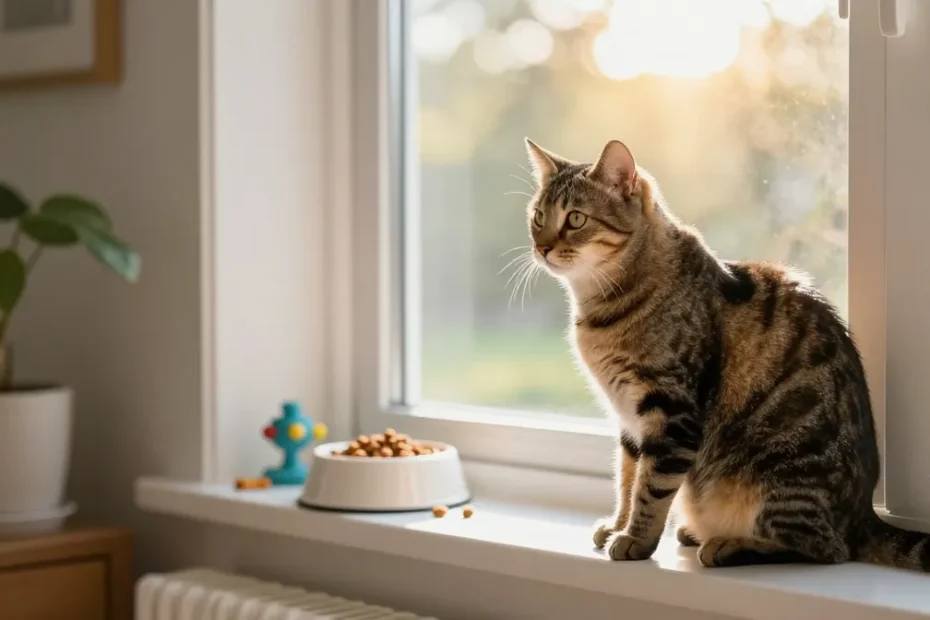
Your feline bestie isn’t speaking in meows—so reading their mood is on you. These five signs are like a quick wellness check for your couch cuddler, and they’re easier to act on than you think. Let’s uncover what your cat’s trying to tell you before the issue grows claws.
1. Sudden Disinterest in Food Or Changes in Appetite
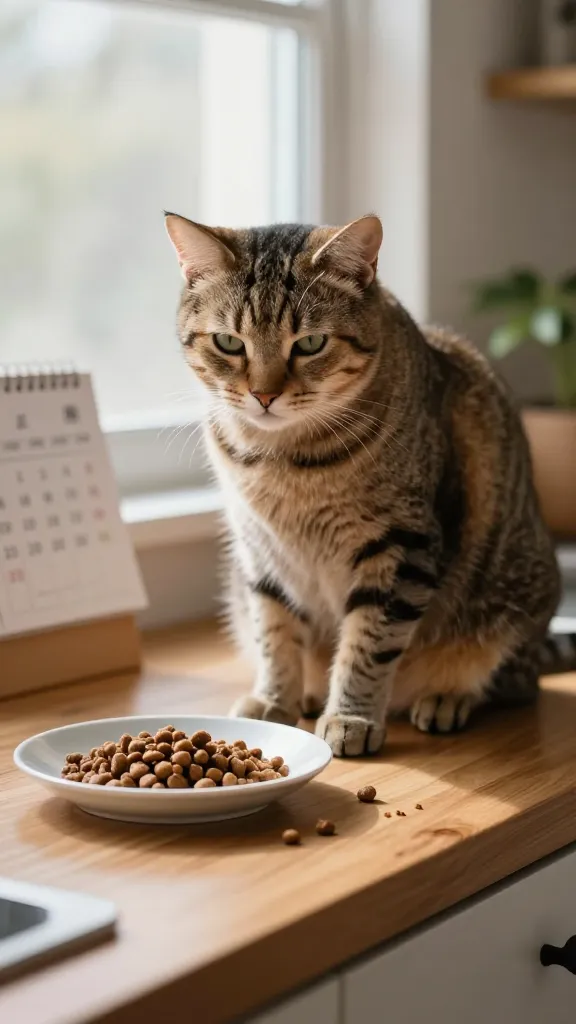
Food is the universal language of happiness for most cats. When that little appetite suddenly shrinks (or goes on an odd spree of grazing), it’s a red flag. Your cat might be stressed, bored, or reacting to something in the home.
Why this matters: A fluctuating appetite can mask underlying anxiety or a medical issue, so observe patterns and pair with other signals. FYI, cats are great at hiding pain until it’s dramatic.
Key Points
- Track meal times, amount, and whether they prefer dry vs. wet food
- Look for related behaviors like hiding near feeding times or excessive meowing
- Rule out health issues with a quick vet check if appetite shifts persist
What to do: Create predictable feeding routines, offer a comforting perch near the dish, and consider puzzle feeders to engage their brains. If appetite remains off for more than 24–48 hours, book a vet visit—better safe than sorry.
2. Hiding Or Withdrawn Behavior That Feels Personal
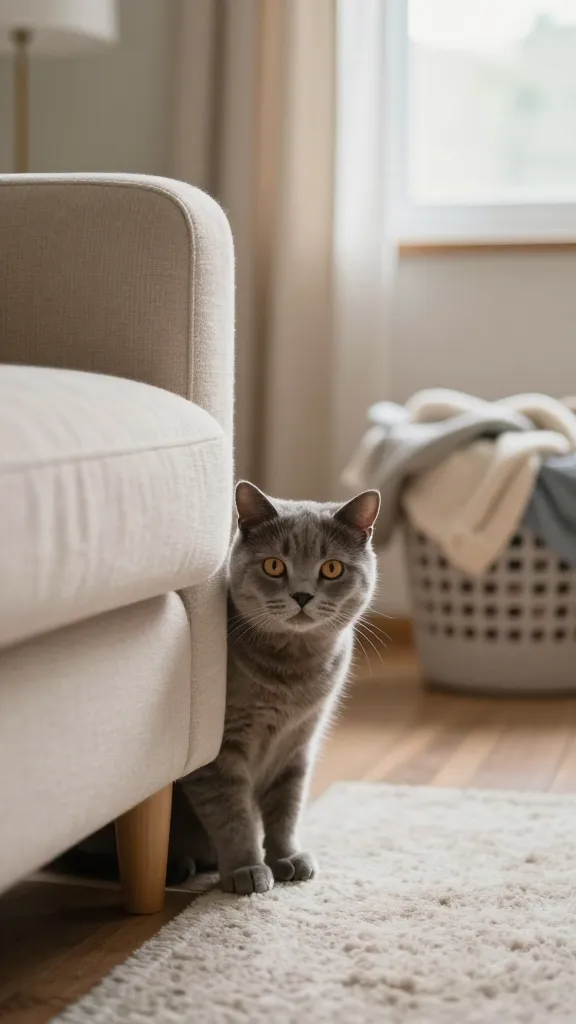
We all know cats love some solo time, but a sudden love-for-nothing withdrawal signals stress or unhappiness. If your cat vanishes behind the couch or refuses the daily cuddle, that’s your cue to investigate the vibe of the home.
Why this matters: Prolonged hiding can cause stress and can also be a sign of a stressful household dynamic you can fix. Trust me, you want to nip this in the bud before it becomes a routine.
How It Manifests
- Chronic hiding in closets, laundry baskets, or under beds
- Less curiosity about treats or toys
- Avoidance of common daily activities like grooming or window watching
What to do: Create safe, appealing hiding spots that are easy to exit, like covered cat caves with a small exit. Add vertical spaces and perches to offer control over their environment. Positive reinforcement with treats when the cat emerges can rebuild trust. If this behavior lasts more than a couple of weeks, consider a low-stress routine with a cat behaviorist for personalized tips.
3. Increased Vocalization Or Irritation During Light Interaction
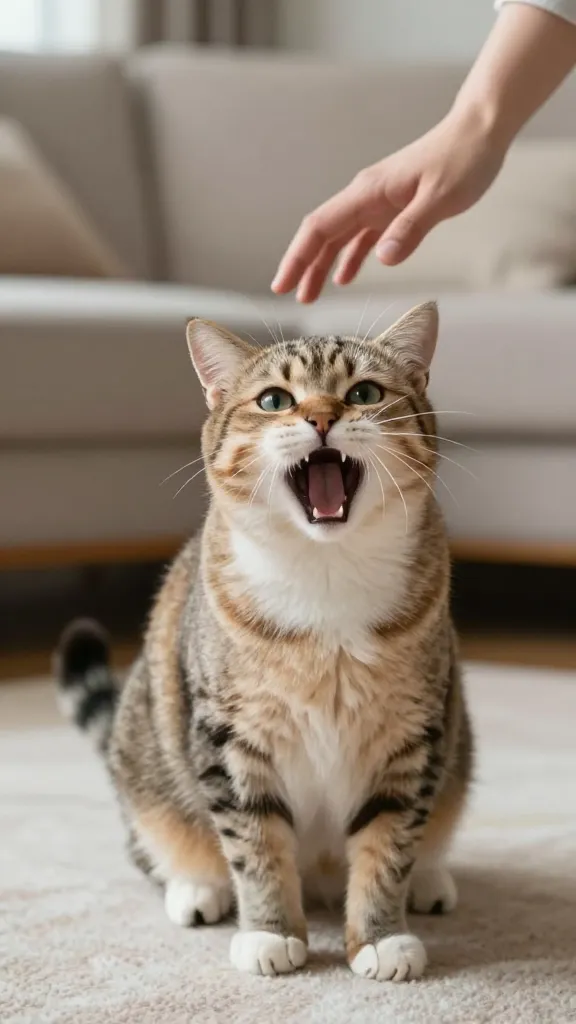
Yelling at your cat? Not a good sign—more yowls, hisses, or constant meowing can indicate anxiety, pain, or a mismatch between your cat’s needs and your living setup.
Why this matters: Constant complaining often means something’s off—noise levels, new pets, a change in routine, or even litter box issues. It’s your radar for an overall happiness problem.
What to Look For
- New or more intense vocal patterns during daytime or night
- Aggressive or defensive body language during petting or handling
- Restlessness during typical lounging times
Tips: Respect quiet times and provide a calm retreat area. Keep litter boxes clean and in a low-traffic spot, and ensure there’s a predictable daily routine. If vocal changes come with hiding or appetite shifts, schedule a vet visit to rule out health issues. Seriously, don’t ignore loud changes—they rarely vanish on their own.
4. Grooming Changes Or Dull Coat As a Sign of Stress
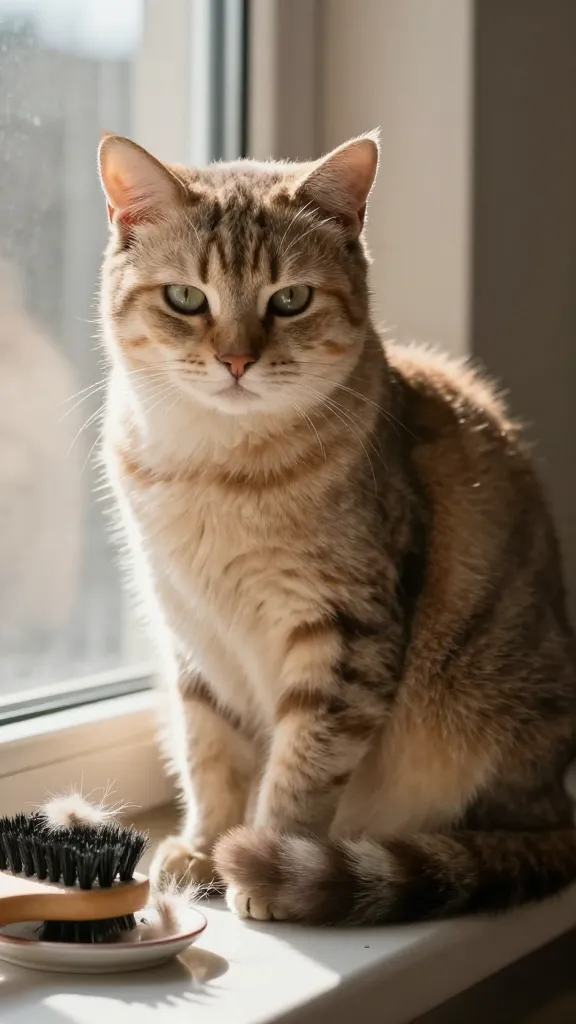
Cats groom themselves to feel in control. When stress strikes, grooming can drop (or spike in over-grooming), leaving you with a look that says “I’m over this.” A dull coat and hairballs can also be a cry for attention and care.
Why this matters: Grooming patterns mirror mental state. Excessive licking can lead to skin irritation, while neglect can indicate depression or anxiety. FYI, grooming is your cat’s spa day—keep it balanced.
Key Points
- Notice over-grooming in one area or excessive self-cleaning behavior
- Look for clumps of hair or changes in coat shine
- Check for skin redness, sores, or parasites during grooming sessions
What to do: Schedule a vet check to rule out dermatological issues or allergies. Provide regular, gentle brushing to reduce stress and improve coat health. Consider a pheromone diffuser or calming treats to ease anxiety during tense times. If grooming changes coincide with other signs, don’t delay—early action helps keep fur baby happy and comfy.
5. Routine Disruptions: Sleep, Play, And Safe Space Chaos
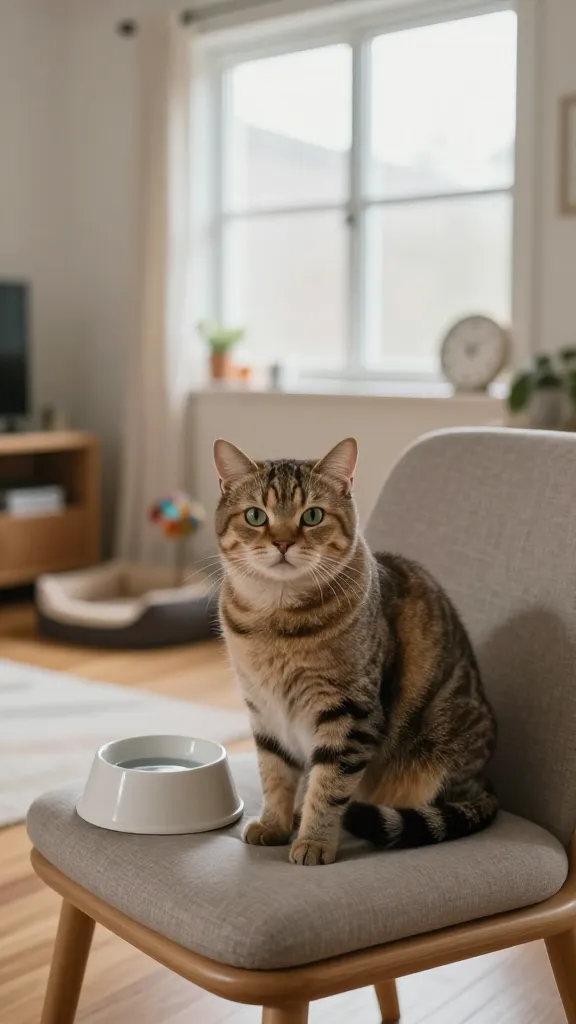
Cats love their routines almost as much as tuna. When structure shatters—new furniture, new pets, a different lighting schedule—you’ll see signals across the board. Sleep patterns go wonky, play wanes, and your cat acts more irritable than you’d expect.
Why this matters: Consistency makes cats feel secure. A disrupted routine can trigger a cascade of stress signals, so stabilizing daily life is key.
Practical Moves
- Keep a consistent feeding and play schedule
- Introduce changes gradually with positive reinforcement
- Create a dedicated, quiet space with soft bedding and familiar smells
Benefits: A calmer cat means less destructive zoomies, fewer stress-induced behaviors, and better overall health. Use gradual change techniques when introducing new items, like a new scratching post or litter brand. Trust me, patience pays off with a more confident, content feline buddy.
By tuning into these five signs, you’re already halfway to restoring happiness at home. You’ll build a stronger bond, catch issues early, and make life more purr-fect for both of you. Seriously, paying attention now saves you headaches later.
If you want, I can tailor a simple 2-week plan based on your cat’s current signals—tiny steps that fit your routine and budget. You’ve got this, and your cat will thank you with even more cozy snuggles.
Explore iPet Choice
Discover helpful pet care tips, trusted product recommendations, and practical guides for dogs, cats, fish, and more.