Your dog has the attention span of a toddler at a birthday party, and you’re tired of playing fetch for the 47th time today. Same. Bored dogs get destructive fast, and nobody wants to come home to confetti formerly known as your couch. The good news? The right toys can drain your dog’s mental battery in the best way. Let’s talk gear that keeps brains busy and tails wagging.
Why Boredom-Busting Toys Matter (and Save Your Sanity)
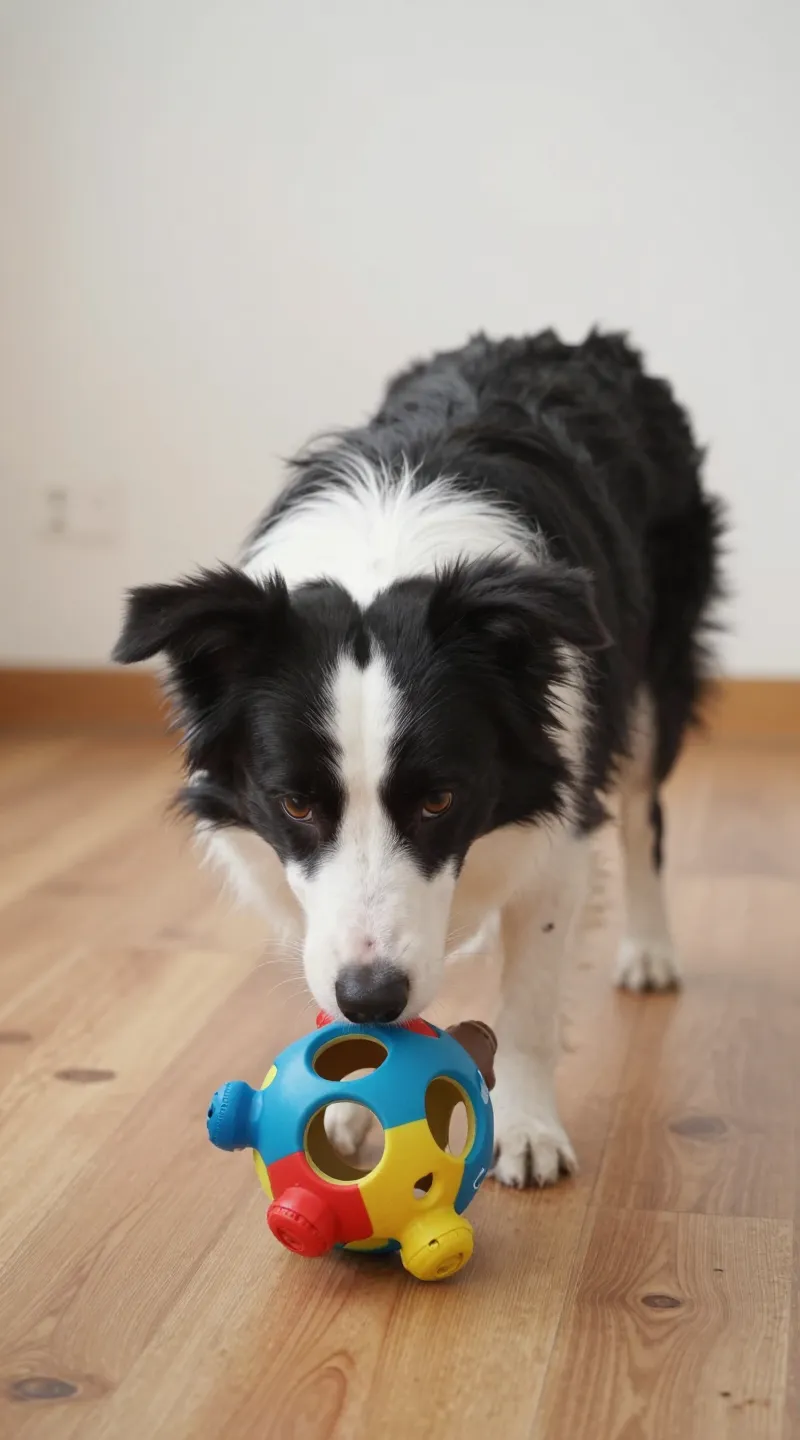
You don’t need a new training plan every week. You need toys that make your dog think, sniff, chase, and solve problems. Mental exercise tires dogs out just as much as sprints at the park—sometimes more.
Signs your dog needs more stimulation:
- Shredding pillows like it’s their job
- Barking at the wall (mysterious, yet relentless)
- Digging moon craters in your yard
- Shadowing you like a tiny, furry manager
Give them jobs to do, and you’ll get your peace (and shoes) back.
Interactive Puzzle Toys: Brain Games FTW
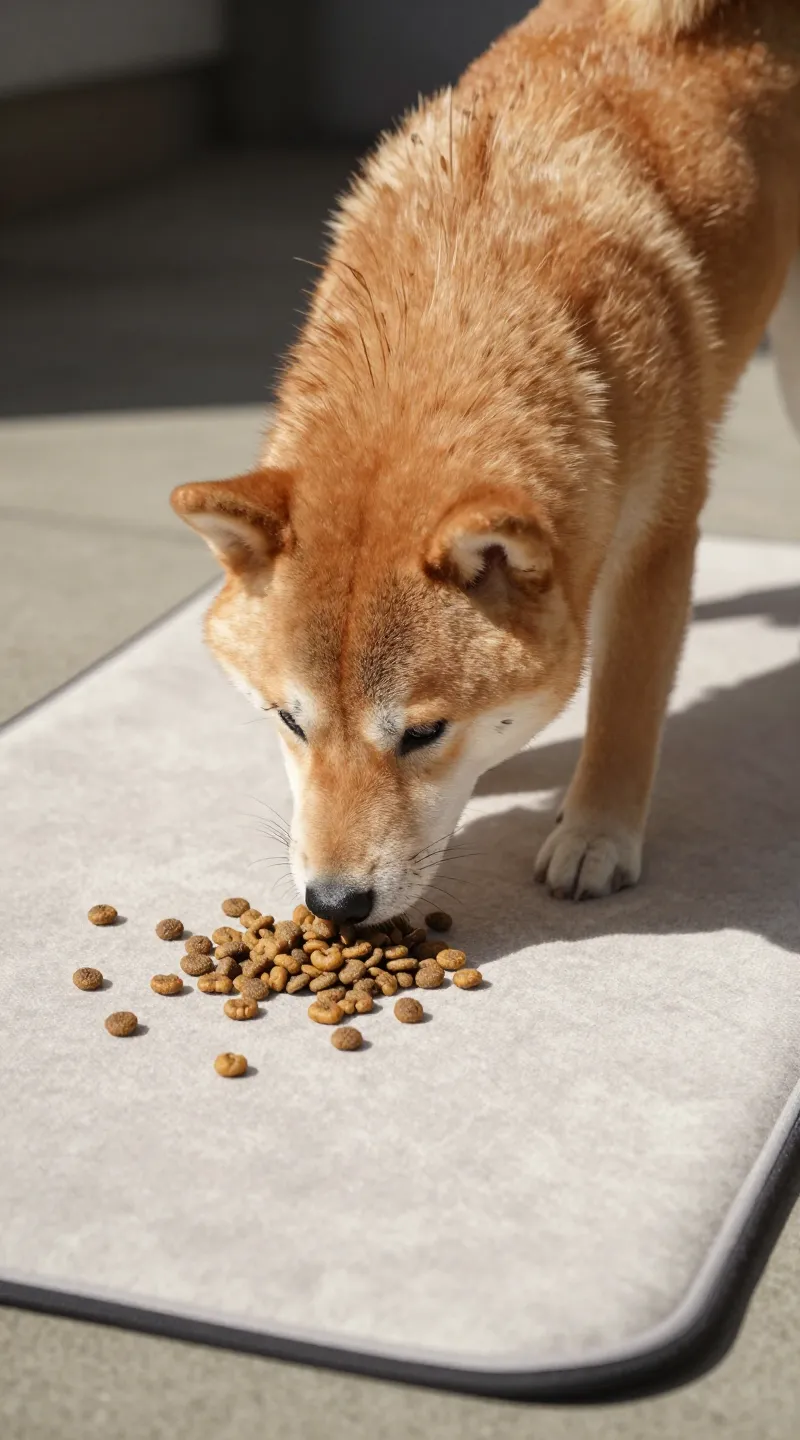
Puzzle toys make your dog “work” for food or treats. You load them up, and your dog spins, nudges, slides, or lifts pieces to get the reward. It’s basically an escape room with snacks.
What to look for:
- Difficulty levels: Start easy, then level up. If your dog solves it in 30 seconds, it’s not a challenge.
- Durable materials: Hard plastic or wood for persistent problem-solvers. Avoid flimsy parts for heavy chewers.
- Size appropriate: Tiny pieces and giant jaws don’t mix well.
Great Picks to Try
- Snuffle mats: Hide kibble in fleece strips. Encourages natural foraging and calms anxious pups.
- Slider puzzles: Dogs move tiles to reveal treats—fun and replayable.
- Flip board toys: Lids, drawers, and levers keep dogs busy without you micromanaging.
Food-Dispensing Toys: Let Dinner Do the Work
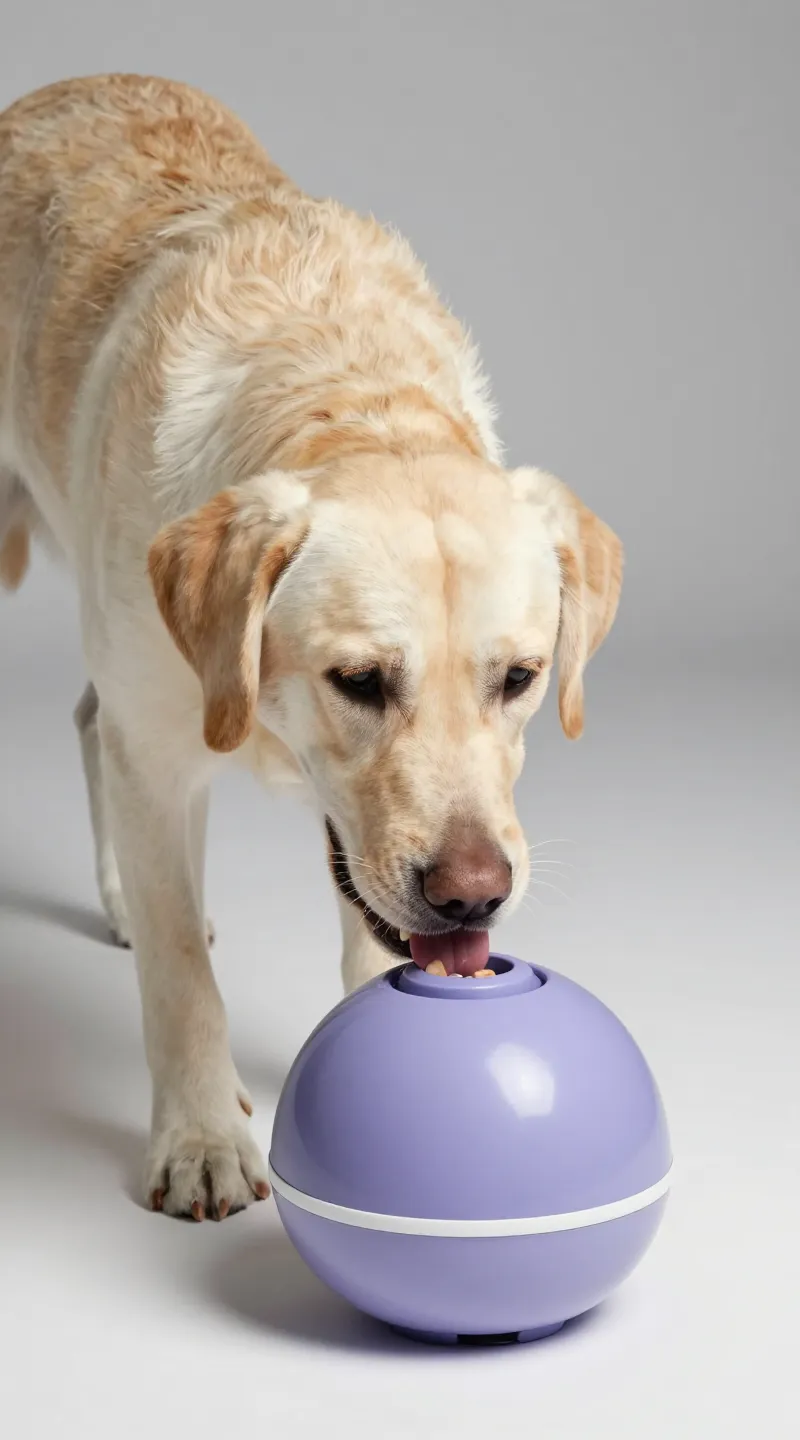
Why hand your dog a free meal when they can earn it? Food-dispensing toys turn mealtime into a mission. Your dog rolls, bats, and nudges the toy until the kibble drops out.
Top styles IMO:
- Rolling balls: Adjustable difficulty and great for active dogs that like to chase.
- Treat-dispensing cubes: Awkward shapes make the roll unpredictable—more engagement.
- Classic rubber stuffers: Fill with wet food or yogurt and freeze for a long-lasting challenge.
Pro Tips for Maximum Focus
- Use a portion of your dog’s daily food in the toy to avoid overfeeding.
- Freeze fillings (pumpkin + kibble = chef’s kiss) for 30–60 minutes of quiet time.
- Rotate toys so the novelty stays fresh.
Tug, Fetch, and Chase Toys (for High-Energy Brains)
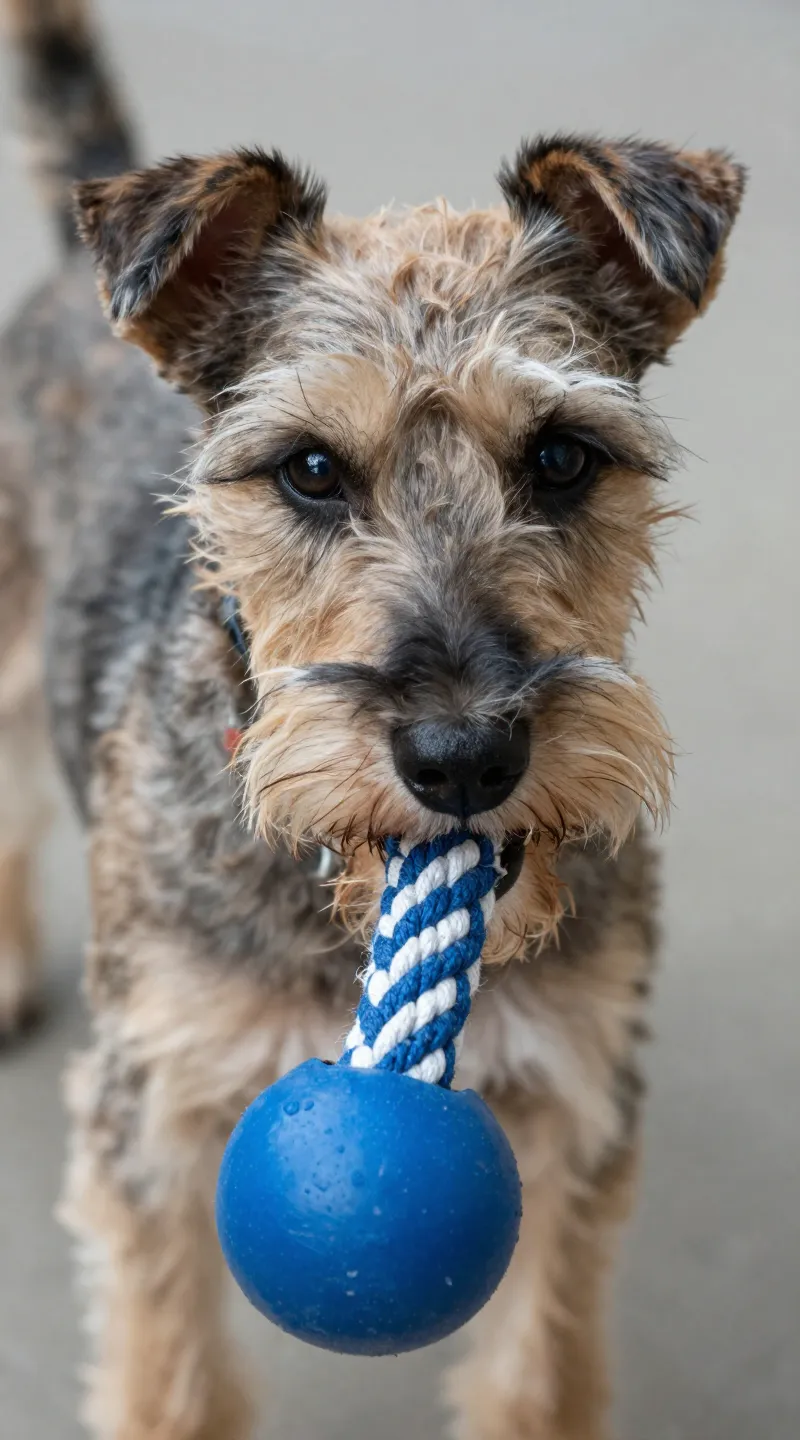
Some dogs want problems to solve. Others want to body-slam fun at 30 mph. Tug, fetch, and chase toys scratch the instinctual itch to chase and carry stuff.
Solid options:
- Flirt poles: A lure on a string for epic chase sessions. Five minutes can toast a zoomy dog.
- Tug toys: Braided ropes or rubber tugs build teamwork and impulse control. Add “drop it” for bonus brain work.
- Launcher-compatible balls: Save your shoulder, tire your dog.
Make It Smarter, Not Just Harder
Add rules: sit before chase, tug stops when teeth hit skin, ball returns = instant relaunch. Structure turns chaotic play into legit training.
Chew Toys That Don’t Quit
Chewing relaxes dogs and releases feel-good chemicals. It’s also your furniture’s best friend. Choose chews that match your dog’s bite force and style.
Types to consider:
- Rubber chews: Great for power chewers; look for textured surfaces and hollow centers for stuffing.
- Nylon bones: Pick the right hardness. Too hard can crack teeth; too soft gets shredded fast.
- Edible chews: Dental sticks or long-lasting chews; always supervise and size up to avoid gulping.
Safety FYI
Regularly inspect toys. If pieces fray, crack, or become swallowable, retire them. No toy lasts forever—except the one under the couch your dog forgot about.
DIY Boredom Busters (Cheap, Fast, Fun)
Need a quick win? You probably own ingredients already.
- Towel burrito: Roll kibble in a towel and knot it loosely. Great for beginners.
- Muffin tin puzzle: Drop treats in a muffin tin and cover holes with tennis balls. Simple, effective.
- Cardboard chaos: Stuff treats in toilet paper rolls or boxes and let your dog shred (supervise for safety).
Indoor Scent Games
Teach “find it.” Hide treats around one room and release your dog to search. Use smelly rewards and level up to harder hiding spots. It’s budget-friendly enrichment and dogs love it.
Matching Toys to Your Dog’s Personality
One size does not fit all. Know your dog’s “play profile” and pick toys accordingly.
- The Problem-Solver: Loves puzzles and food-dispensing toys. Rotate challenges weekly.
- The Athlete: Needs chase toys, tug, and fetch. Add short training bursts between reps.
- The Chewer: Durable rubber and nylon toys, frozen stuffers, supervised edible chews.
- The Sniffer: Snuffle mats, scent games, hidden treats, and nosework-inspired puzzles.
- The Social Butterfly: Interactive toys that include you—tug, flirt pole, fetch with rules.
Rotation Strategy That Actually Works
Keep 2–3 toys out and stash the rest. Swap every 3–4 days. Novelty increases engagement, and you won’t trip over 14 toys in your hallway. IMO, this one change helps the most.
FAQs
How long should I let my dog work on a puzzle toy?
Aim for 10–20 minutes per session. If frustration spikes (paw slamming, whining, quitting), dial down difficulty or help them solve it a few times. End on a win so they want a rematch next time.
Are food-dispensing toys okay for dogs that eat too fast?
Yes—perfect, actually. These toys slow eating and reduce gulping. Use part or all of their meal in the toy and monitor portion sizes to keep calories in check.
What if my dog destroys every toy in five minutes?
Choose toys labeled for power chewers, avoid plush, and supervise until you trust the toy. Focus on rubber stuffers, heavy-duty tugs, and flirt poles. Also, burn energy first with exercise, then offer brain games.
Can puppies use puzzle and chew toys?
Absolutely. Pick softer materials for developing teeth and simple puzzles to build confidence. Short sessions with lots of encouragement work best. And rotate often as they grow.
How many toys does my dog actually need?
Quality beats quantity. A solid kit might include: one puzzle, one food-dispensing toy, one chew, one chase/tug toy, and a snuffle mat. Rotate to keep the fun fresh. Your living room (and wallet) will thank you.
Do I need to supervise every time?
For new toys and chews—yes. Once you trust a toy’s durability with your dog, light supervision is fine. Edible chews always need eyes on, FYI.
Bottom Line: Busy Dog, Happy Human
You don’t need to out-energy your dog—you just need to outsmart their boredom. Mix puzzles, food-dispensers, chase games, and safe chews, then rotate like a pro. Sprinkle in scent work when you need a quiet win. The result? A fulfilled dog, a peaceful home, and a couch that survives another day.
Explore iPet Choice
Discover helpful pet care tips, trusted product recommendations, and practical guides for dogs, cats, fish, and more.