Your fish don’t care about your busy schedule. They care about clean water, steady food, and a home that doesn’t turn into a swamp. The good news? You can keep your tank crystal, your fish happy, and your plants thriving with a simple routine. Let’s build a maintenance checklist that feels doable—even on a Monday.
Set Your Schedule First
You’ll win this game with consistency, not heroics. Break your maintenance into daily, weekly, and monthly tasks and stick to it. Tiny efforts now prevent big disasters later—like mystery fish losses or algae invasions that need sunglasses.
- Daily: Quick visual checks, feed, and top off evaporation.
- Weekly: Water change, gravel clean, glass wipe, test water.
- Monthly: Filter maintenance, deeper equipment checks, plant pruning.
Daily: The 3-Minute Check
You don’t need a lab coat here. Just pay attention.
- Feed smart: Give small portions your fish finish in ~30 seconds. Overfeeding equals gunk buildup and cloudy water. Resist those cute beggar eyes.
- Visual sweep: Are fish active? Any clamped fins, gasping, or weird spots? Plants looking lush or melting? Catch issues early.
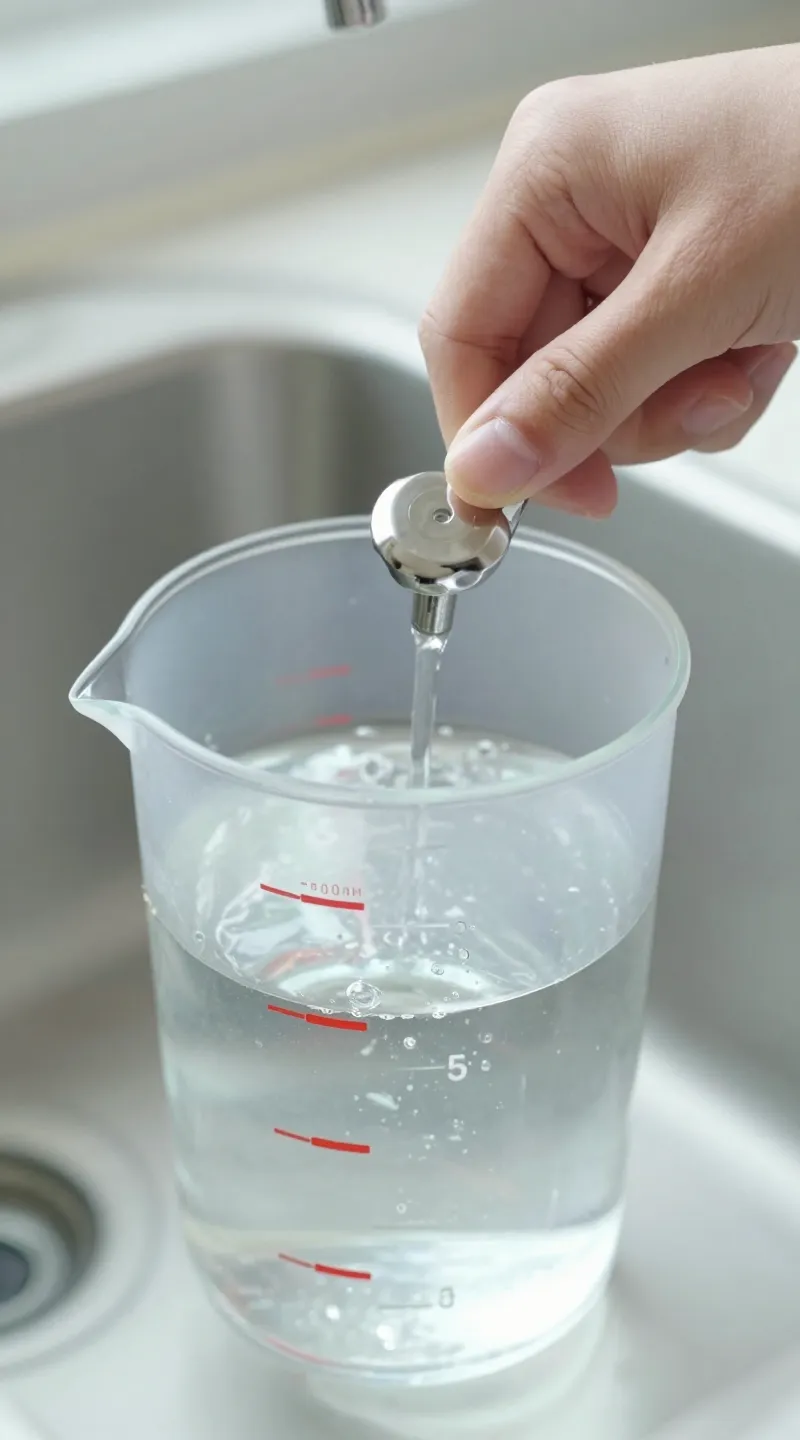
- Top off evaporation: Add dechlorinated water to keep equipment submerged and salinity stable (especially critical for saltwater tanks).
- Check temperature: Glance at the thermometer. Stable beats “oops.”
Quick Red Flags
- Fish breathing at the surface
- White spots or fuzzy patches
- Sudden algae bloom
- Filter getting noisy or weak
Weekly: The Core Maintenance Loop
Weekly is when you keep the ecosystem balanced. IMO, this part actually feels relaxing once you get into the groove.
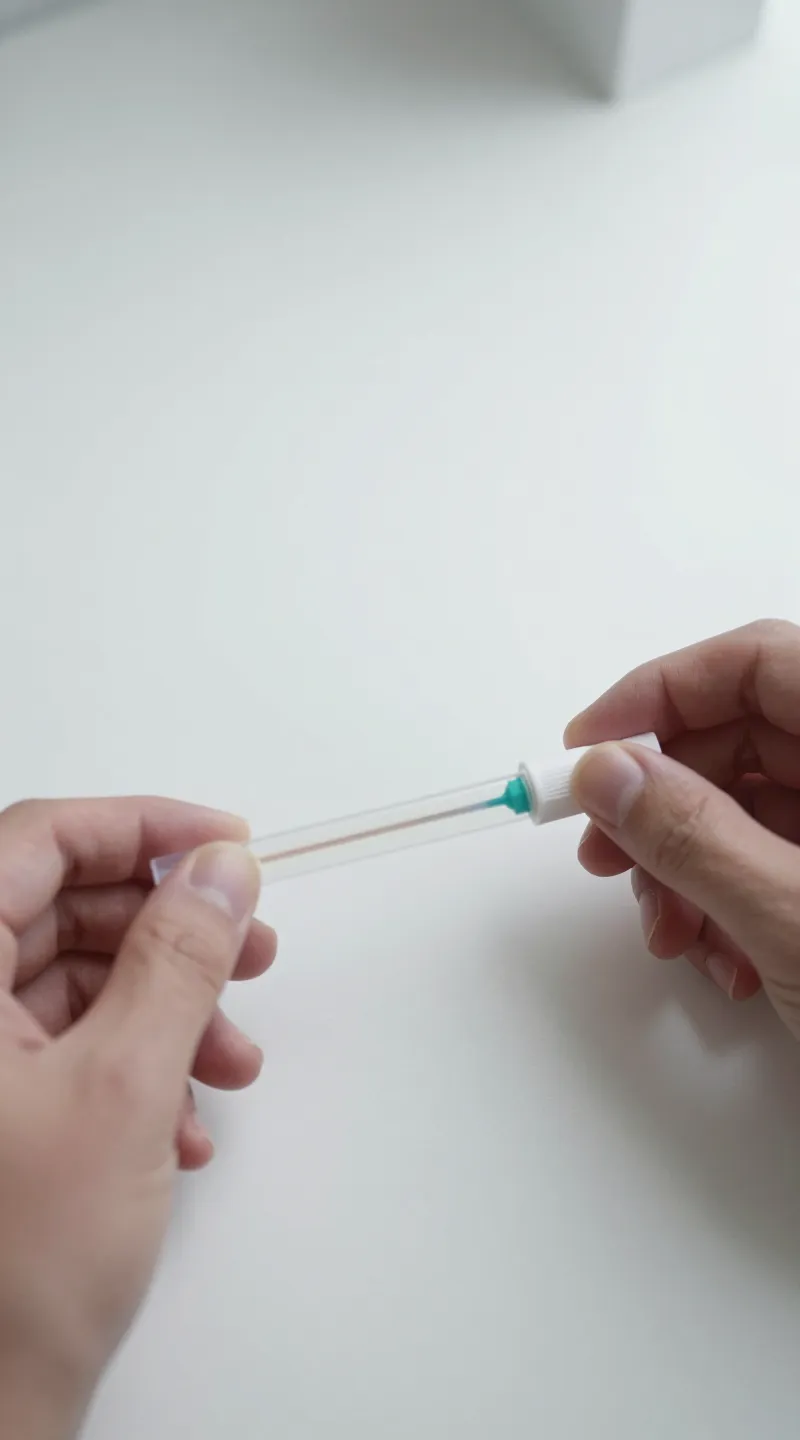
- Test your water: Ammonia, nitrite, nitrate, and pH. For planted tanks, add GH/KH. For reef tanks, add salinity, alkalinity, calcium, and magnesium. Log numbers so you spot trends.
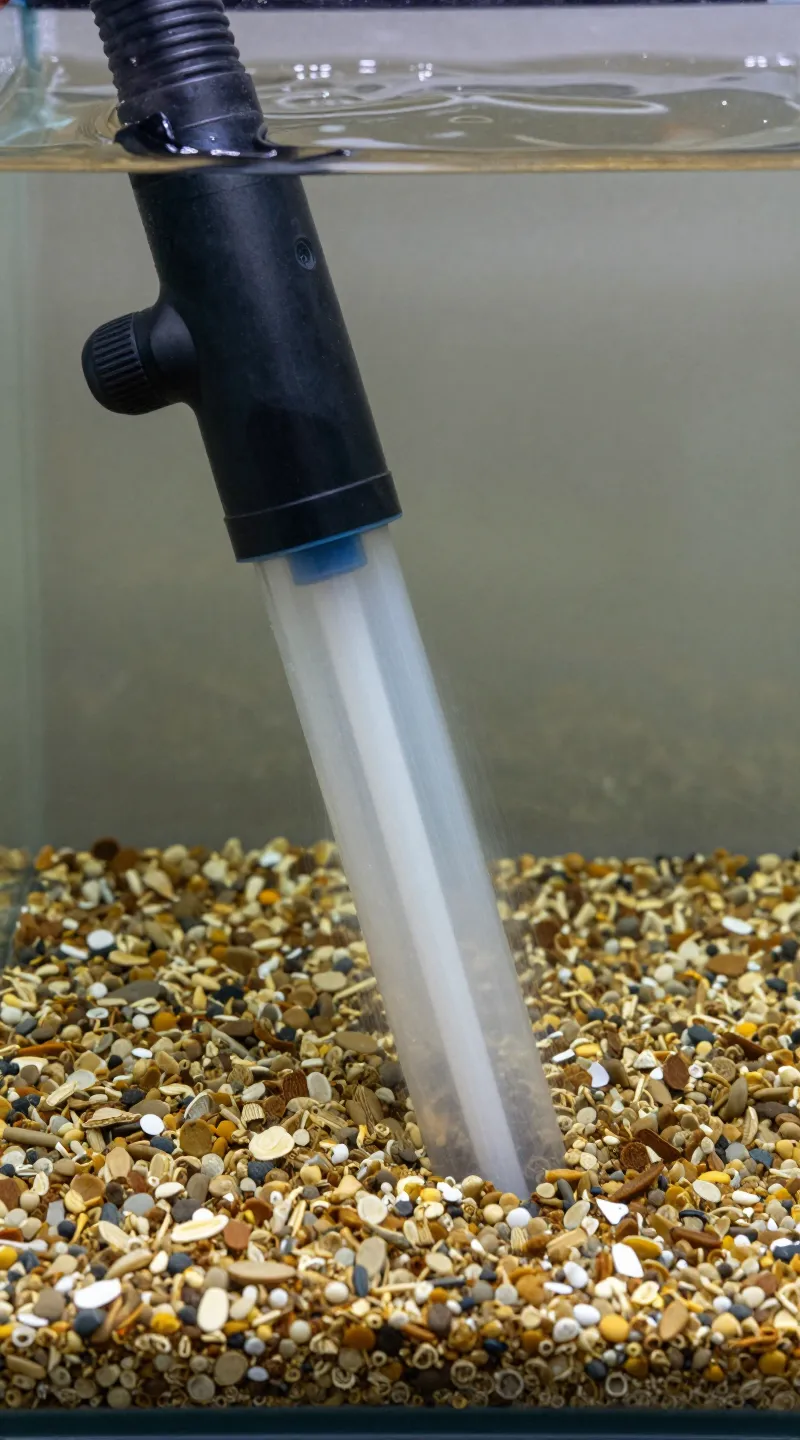
- Water change (20–30%): Use a siphon to remove waste and detritus. Match temperature and dechlorinate new water. In saltwater, mix properly and measure salinity before adding.
- Gravel vacuum or substrate clean: Lightly vacuum areas with fish waste. Don’t uproot your plants like a raccoon. Sand? Hover the siphon so you don’t suck it all up.
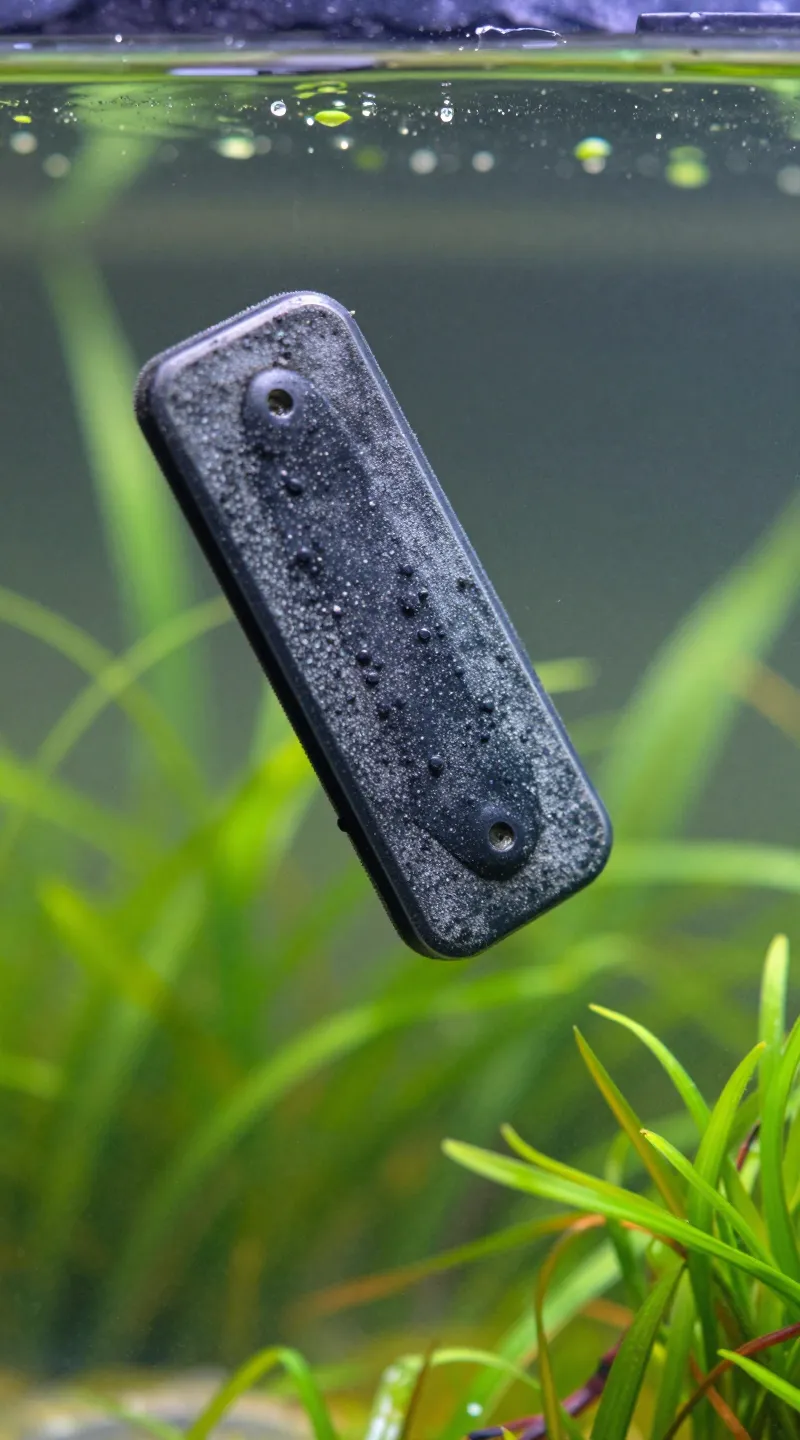
- Glass cleaning: Algae magnet for daily touch-ups, scraper for stubborn spots. Avoid scratching acrylic.
- Trim plants and remove dead leaves: Healthy growth beats rotting debris. Bonus: better water quality and fish playgrounds.
Pro Tips for Water Changes
- Warm tap water to match tank temp. Cold shocks fish; hot cooks them. Not ideal.
- Always treat with a water conditioner if you use tap water.
- Refill slowly to avoid stirring up muck and stressing fish.
Monthly: Filters and Equipment
Filters do the heavy lifting, so show them love. Just don’t annihilate your beneficial bacteria.
- Rinse filter media in tank water: During a water change, swish sponges and pads in the bucket you just siphoned. Never use tap water for biological media.
- Replace chemical media: Activated carbon: every 3–4 weeks if you use it. Phosphate removers: per manufacturer or when algae spikes. Don’t change all media at once.
- Inspect impellers and hoses: Clean gunk from impellers, intake tubes, and spray bars. Improved flow equals better oxygenation.
- Check heaters and lights: Verify heaters hold temp. Replace old bulbs/adjust LEDs as needed for plant or coral growth.
Flow and Oxygen Hacks
- Angle your filter return for gentle surface ripple. That boosts gas exchange.
- Add a small powerhead if you see dead spots or debris piles.
- In hot months, increase surface agitation to help oxygen levels.
Specialized Checklists: Freshwater vs. Saltwater
Different water, different headaches. FYI, both look gorgeous when dialed in.
Freshwater (Community/Planted)
- Fertilization: Dose macros/micros per your plant load. Watch for deficiencies: yellowing = nitrogen; holes = potassium; twisted new growth = calcium/boron issues.
- CO2 systems: Check for leaks, clean diffusers, verify bubble rate and drop checker color (aim for light green).
- Hardscape cleaning: Spot-treat stubborn algae with a toothbrush and targeted water changes.
Saltwater (Fish-Only/Reef)
- Salinity stability: Auto top-off if you can. Evaporation spikes salinity fast.
- Protein skimmer: Empty cup weekly, deep clean monthly. Adjust for a stable, tea-colored skimmate.
- Reef parameters: Keep alkalinity rock solid. Dose calcium and magnesium as corals grow. Test phosphate and nitrate to avoid brown yuck or “why are my corals sulking?”
- Salt creep patrol: Wipe crust off cords and rims. Salt creep ruins equipment if you ignore it.
Algae Control Without Losing Your Mind
Algae happens. You can manage it without going full warlord.
- Balance light and nutrients: Too much light + extra nutrients = algae party. Start with 6–8 hours of light for freshwater, adjust based on growth.
- Don’t overfeed: Leftovers feed algae. Fish won’t starve in 30 seconds.
- Add cleanup crew: Otos, Amano shrimp, nerite snails (freshwater); trochus, nassarius, emerald crabs (saltwater). They help, but they’re not your janitors.
- Manual removal first: Scrub, siphon, repeat. Then tweak nutrients and light.
When to Use Algae Treatments
Use chemicals only after you fix root causes. Otherwise you get repeat blooms. If you must, start with half doses and watch fish closely.
Stocking, Feeding, and Behavior Checks
Your fish should school, explore, and look for snacks—not hide in corners plotting your demise.
- Right stocking levels: Overcrowding means more waste and stress. Research adult sizes, not baby-cute sizes.
- Varied diet: Rotate flakes, pellets, frozen foods, and algae wafers as needed. Condition breeders with richer foods.
- Quarantine new arrivals: Two to four weeks prevents parasites from entering your display tank. Boring, yes. Worth it, also yes.
Water Testing: What Numbers Actually Matter
Numbers don’t lie, but they can intimidate. Let’s simplify.
- Ammonia and Nitrite: Always 0 ppm in a cycled tank.
- Nitrate: Keep under 20–40 ppm for freshwater; under 10–20 ppm for reef, depending on coral types.
- pH: Stability beats chasing a “perfect” number. Match your fish’s range.
- Hardness (GH/KH): KH buffers pH. Low KH can crash pH during heavy bioloads or CO2 use.
- Salinity (reef): 1.024–1.026 specific gravity. Calibrate your refractometer occasionally.
Testing Routine
- New tanks: test every 2–3 days until fully cycled.
- Stable tanks: test weekly or biweekly, more often if you tweak anything major.
- Record results: a simple note app works. Trends save fish.
FAQ
How often should I change water?
Most tanks thrive with 20–30% weekly changes. Heavy bioload or messy eaters? Do a bit more. Lightly stocked planted tanks sometimes stretch to every 10–14 days, but only if tests look great.
Can I clean the filter and do a water change the same day?
Yes, but rinse biological media in tank water, not tap. Don’t replace all media at once. Keep at least half of your bio media untouched so you don’t crash the cycle.
Why does my tank smell “fishy”?
Healthy tanks smell earthy, not funky. Fishy odor usually means trapped waste, dead plant matter, or a hidden dead fish (sorry). Increase water changes, vacuum substrate, and check your filter for gunk.
My glass keeps getting green algae. What gives?
Too much light or nutrients, or both. Shorten light duration, reduce feeding, and check nitrate/phosphate. Consider adding a cleanup crew and wiping glass every few days. It’s normal to do minor cleanups—no shame.
Do I need to use carbon in my filter?
Not always. Carbon shines when you need to remove meds, odors, or tannins. Otherwise, skip it and focus on strong biological filtration and regular water changes. FYI, carbon exhausts quickly.
Is RO/DI water necessary?
For reefs or picky freshwater species, RO/DI gives you control over minerals and avoids weird tap water surprises. For many community freshwater tanks, good tap water with conditioner works fine. Test your source water and decide.
Conclusion
Aquarium maintenance doesn’t need to feel like chores—you’re just keeping a tiny world balanced. Stick to the daily glance, the weekly rhythm, and the monthly tune-up. Tweak as your tank matures, trust your tests, and enjoy the view. IMO, a clean, stable tank makes every feeding time feel like a victory lap—for you and your fish.
Explore iPet Choice
Discover helpful pet care tips, trusted product recommendations, and practical guides for dogs, cats, fish, and more.