You set up your new aquarium, toss in some fish, and boom—instant underwater zen. Until algae creeps in, the gravel looks like a crime scene, and your filter coughs like it smoked a pack. Here’s the truth: clean tanks stay beautiful and fish stay happier. The good news? With the right tools, cleaning doesn’t have to feel like a chore—more like a quick spa day for your fish.
Gravel Vacuums: Your Weekly MVP
If you buy one tool first, make it a gravel vacuum, also called a siphon or water changer. It sucks up gunk from the substrate while swapping out old water. You’ll remove fish poop, uneaten food, and all the mysterious crud that shows up like it pays rent.
What to look for:
- Self-priming or squeeze bulb so you don’t have to start the siphon with your mouth (please don’t).
- Gravel guard to stop pebbles from clogging the tube.
- Right hose length to reach your sink or bucket without gymnastics.
Bucket Brigade vs. Sink Adapter
- Bucket method: Cheap and simple. Good for tanks under 20 gallons.
- Sink adapter systems: Pricier but they attach to your faucet and make water changes painless. IMO, worth it for anything 29 gallons and up.
Algae Scrapers: Glass, Acrylic, and “Why Is This So Stubborn?”
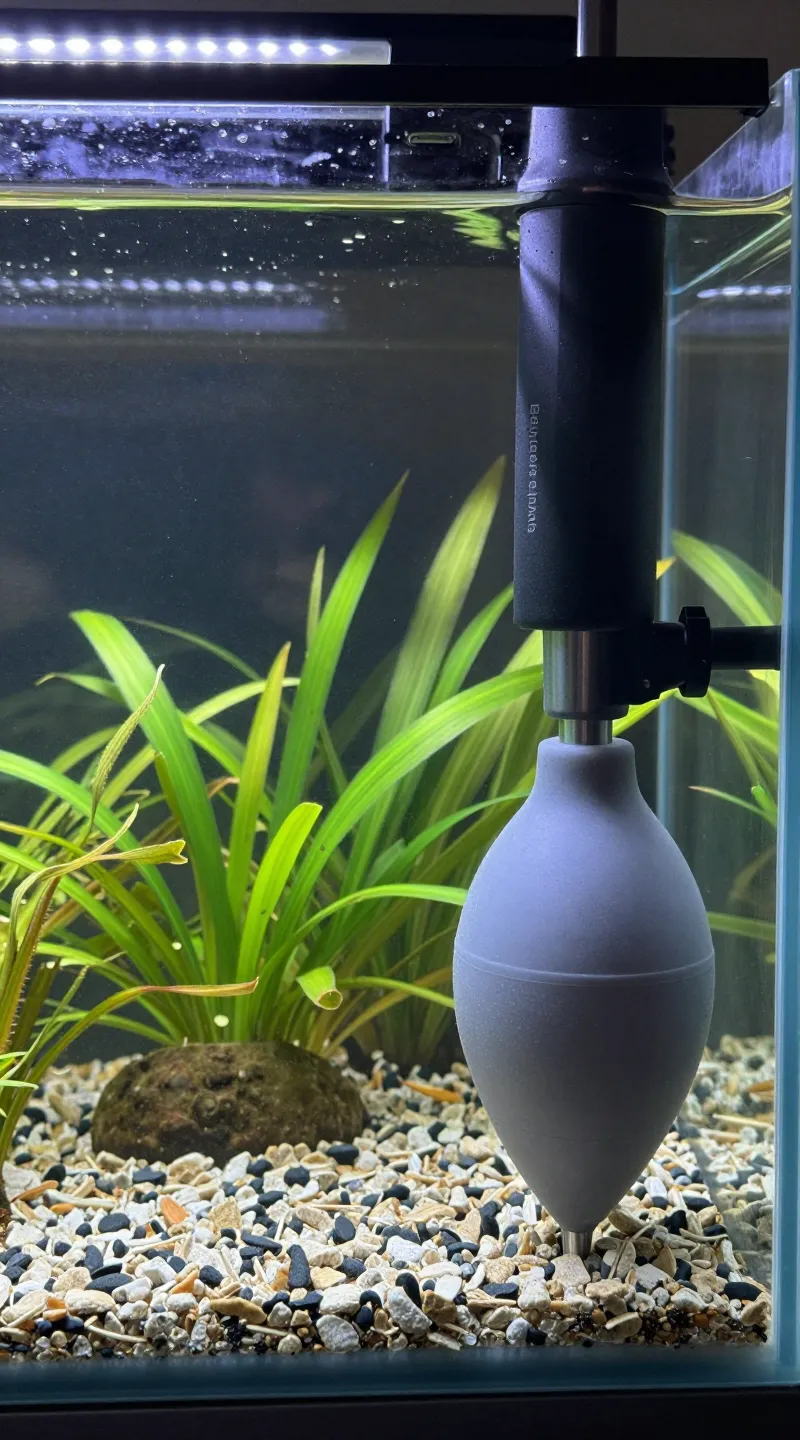
Algae will happen. It’s not a moral failing. You just need the right scraper for your tank type so you don’t scratch it.
Pick the right tool for your tank:
- Glass tanks: Use a scraper with a metal blade for tough spots. It peels algae like a champ.
- Acrylic tanks: Use plastic blades or soft pads only. Metal blades will scratch. And then you’ll cry.
- Magnetic scrapers: Great for quick daily passes. Get a strong magnet so it doesn’t slip and leave streaks.
Get the Corners and Decor
Use a narrow scraper or old toothbrush to clean silicone seams and tight corners. For decor, pull it out and scrub it in old tank water. Don’t use soap—like, ever.
Filter Maintenance Basics: Keep the Flow Going
Filters trap debris and host beneficial bacteria, but they need love too. You don’t need fancy gadgets here—just a few small tools and a plan.
Essential tools:
- Bucket dedicated to aquarium use (no detergent residue, FYI).
- Filter floss or sponges you can rinse and reuse to save cash.
- Flexible brush kit to scrub intake tubes and impellers.
Quick routine:
- Rinse sponges and media in old tank water during water changes to preserve bacteria.
- Swab the impeller and intake tube monthly to restore flow.
- Change carbon or chemical media every 3–4 weeks if you use it.
Don’t Nuke Your Biofilter
Never replace all filter media at once. Stagger it. Replace one piece, wait two weeks, then the next. Your fish will thank you with fewer “mystery” deaths.
Water Conditioners and Test Kits: Invisible Essentials
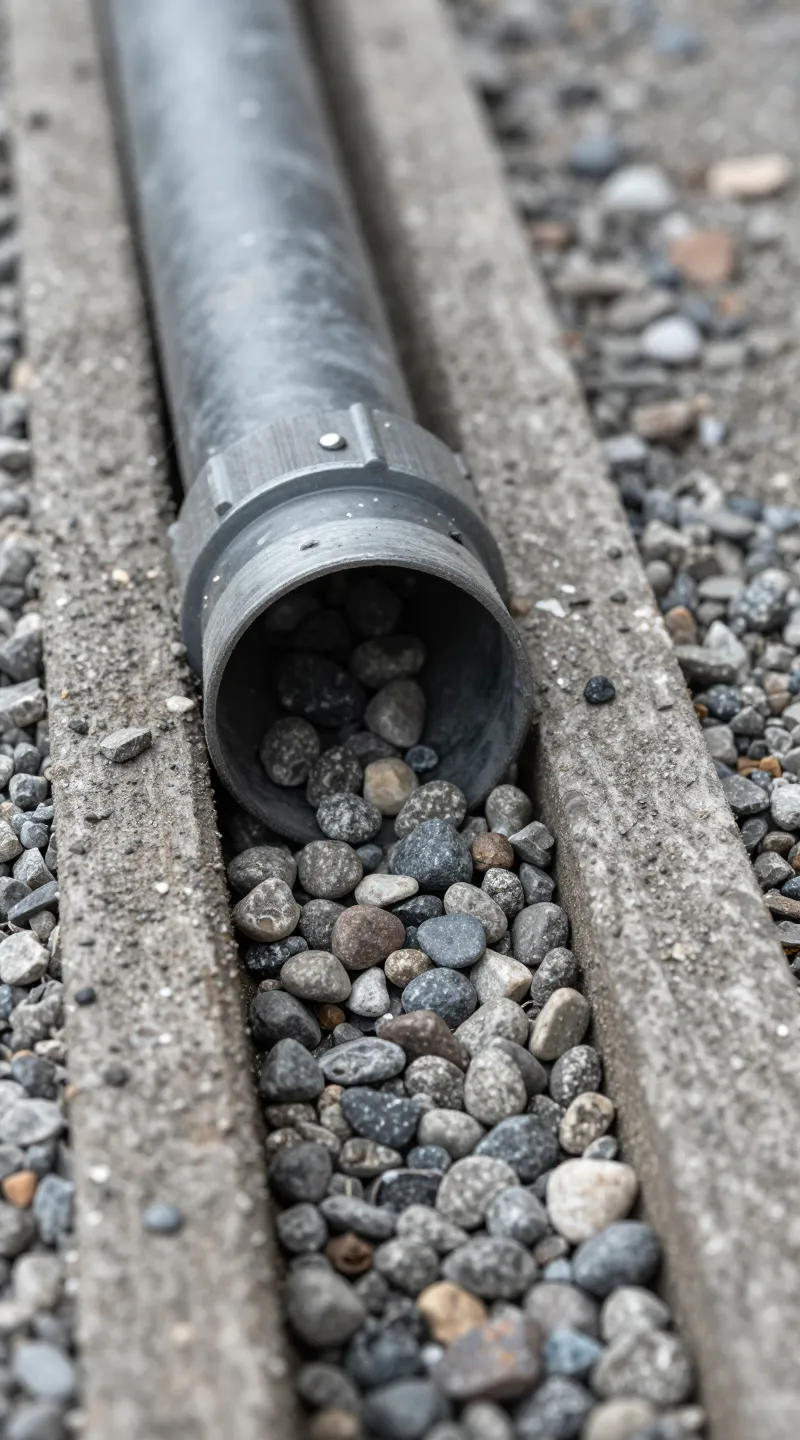
You can’t see toxins, but your fish sure can. Conditioners and test kits keep you from guessing.
Must-haves:
- Dechlorinator (water conditioner) to neutralize chlorine and chloramine instantly.
- Liquid test kit for ammonia, nitrite, nitrate, and pH. Strips are okay for quick checks, but liquid kits are more accurate.
When to Test
- Weekly for new tanks, then biweekly once stable.
- After big cleanings or stocking changes.
- If fish seem off—clamped fins, gasping, hiding.
Nets, Tweezers, and Tongs: Tiny Tools, Big Quality of Life
You could use your fingers, but why? These small tools make maintenance civilized.
Helpful add-ons:
- Fish net sized for your tank and fish. Soft mesh = less stress.
- Aquascaping tweezers and scissors to plant stems and trim without uprooting everything.
- Long tongs to grab lost food or move decor without dunking your entire arm.
Sponge, Siphon, Shine: A Beginner’s Cleaning Kit
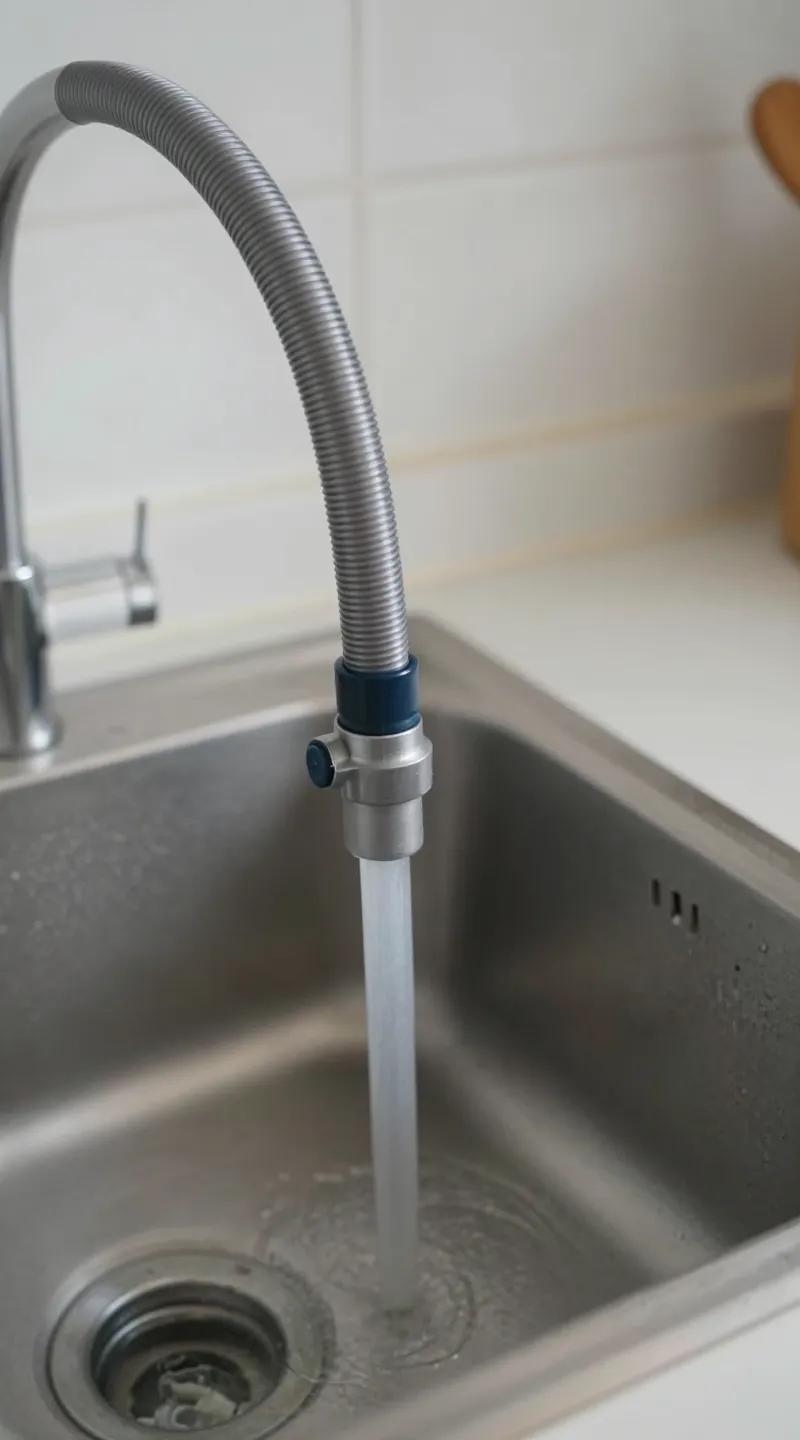
If you want a no-fuss starter setup, build this simple kit. It handles 90% of common maintenance without fancy gear.
- Gravel vacuum (with squeeze bulb or faucet adapter)
- Algae scraper (plastic blade for acrylic, metal for glass)
- Bucket labeled “AQUARIUM ONLY”
- Dechlorinator and liquid test kit
- Filter brush kit and extra filter floss
- Soft sponge for outside glass and lids (no chemicals)
- Net + tweezers for quick grabs
Optional but Awesome
- Magnetic scraper for daily touch-ups.
- Battery-powered mini siphon for nano tanks where a big siphon feels like overkill.
- Aquarium-safe algae pads so you don’t accidentally use that mystery kitchen sponge.
How to Use These Tools in a 20-Minute Routine
You don’t need a whole afternoon. Do this once a week and you’ll cruise.
- Test quickly. Check ammonia, nitrite, and nitrate. If nitrate’s up, you definitely need a water change.
- Scrape glass. Knock off algae first so the siphon grabs it.
- Vacuum gravel while removing 20–30% water. Move the siphon in a grid pattern.
- Rinse filter media in the water you just removed. Swish, don’t strangle it.
- Refill with dechlorinated, temperature-matched water. Add conditioner for the full tank volume, FYI.
- Wipe down the lid and outside glass. Admire your work. Accept compliments from fish.
Common Mistakes to Avoid
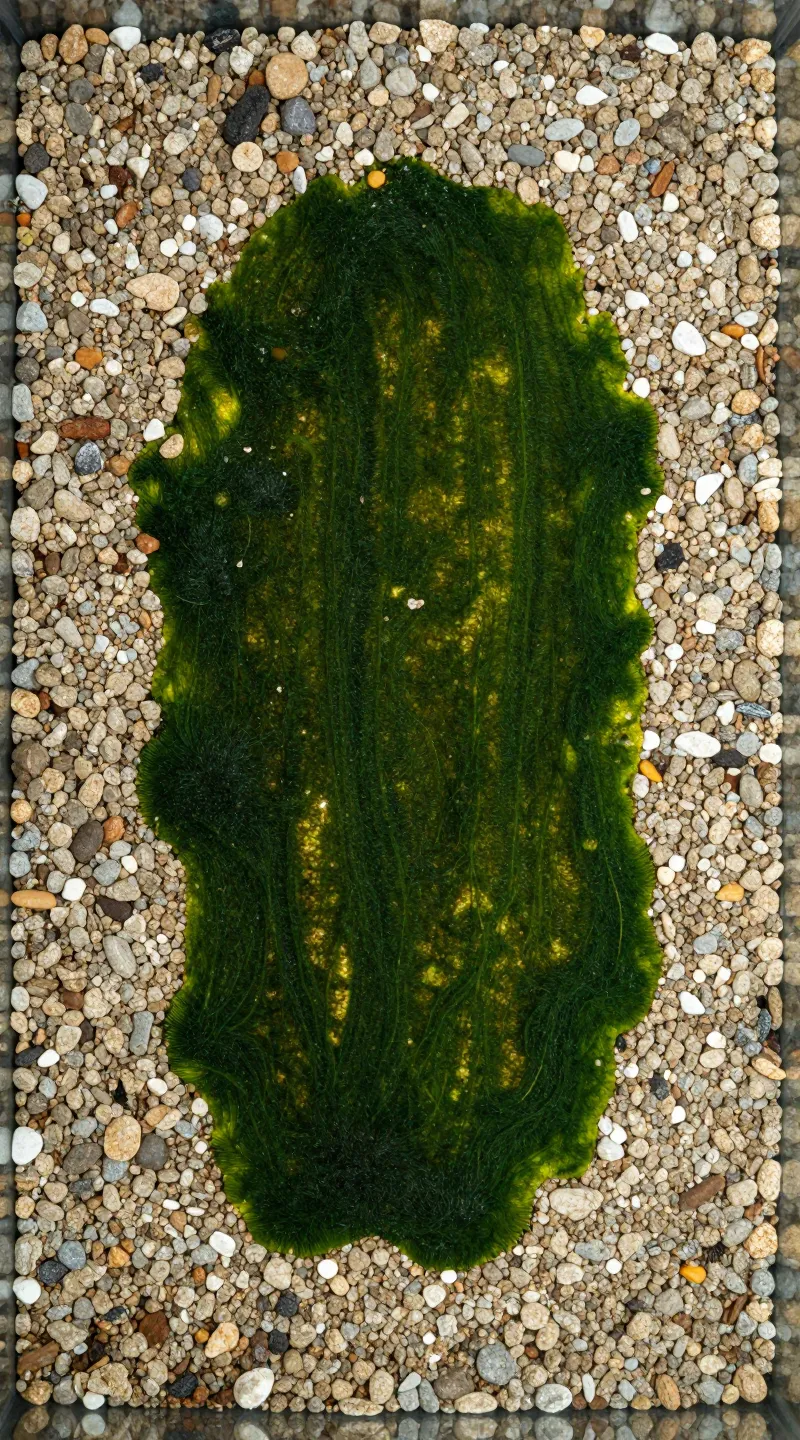
- Over-cleaning: Don’t scrub everything spotless. You want beneficial bacteria to live.
- Using soap: Hard no. Residue can kill fish.
- Replacing all media at once: Slow and staggered changes keep your cycle intact.
- Neglecting hoses: Biofilm builds up. Rinse or replace hoses every few months.
- Ignoring tap temperature: Big swings stress fish. Match within a few degrees.
FAQ
How often should I clean my fish tank?
Do a light clean weekly: scrape algae, vacuum the substrate, and change 20–30% of the water. Rinse filter media every 2–4 weeks, depending on bioload. If your nitrate creeps past 40 ppm, increase water changes or vacuum more thoroughly.
Can I use household sponges or paper towels?
Use only aquarium-dedicated sponges and cloths. Many household sponges contain antimicrobial agents or detergent residue. For outside glass, microfiber works great—just don’t cross-contaminate with kitchen use.
Do I need to remove fish during cleaning?
Nope. Fish handle routine cleaning fine as long as you move calmly and avoid wild splashing. If you’re doing a major rescape, you can temporarily move fish to a holding bucket with a heater and air stone, but that’s not typical weekly stuff.
Are magnetic scrapers safe for acrylic tanks?
Yes, if they’re labeled for acrylic and used with clean pads. A single grain of sand trapped in the pad can scratch acrylic, so inspect the pad and avoid stirring the substrate while you scrub. For stubborn algae, switch to a plastic blade.
What’s the best water conditioner?
Any reputable brand that neutralizes chlorine and chloramine works. Some add slime coat boosters or detoxify ammonia and nitrite. Pick one, stick with it, and dose for the full volume of the tank when you refill—IMO consistency beats chasing “premium” formulas.
Why does my water get cloudy after cleaning?
You probably kicked up detritus or nudged the beneficial bacteria balance. It usually clears within a day. If it keeps happening, vacuum in smaller sections, rinse filter media gently, and avoid replacing multiple media types at once.
Conclusion
A clean tank isn’t about perfection—it’s about habits and the right tools. Grab a solid gravel vacuum, the correct scraper for your glass or acrylic, a test kit, and a reliable dechlorinator, and you’re basically set. Do quick weekly touch-ups, keep your filter happy, and let the gear make life easy. Your fish won’t applaud, but they’ll live longer and look better—and that’s a win, IMO.
Explore iPet Choice
Discover helpful pet care tips, trusted product recommendations, and practical guides for dogs, cats, fish, and more.