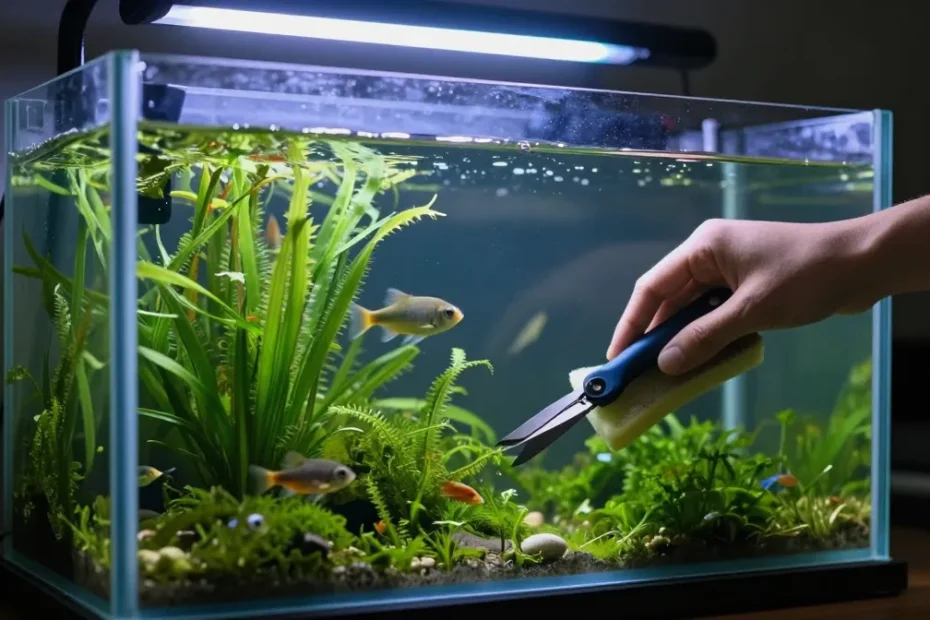
Got a tank that’s more drama than drama-free? Let’s fix the basics fast. These six common problems come up all the time, but they’re totally solvable with simple steps and a bit of patience.
1. Algae Overgrowth That Feels Like a Poké Ball
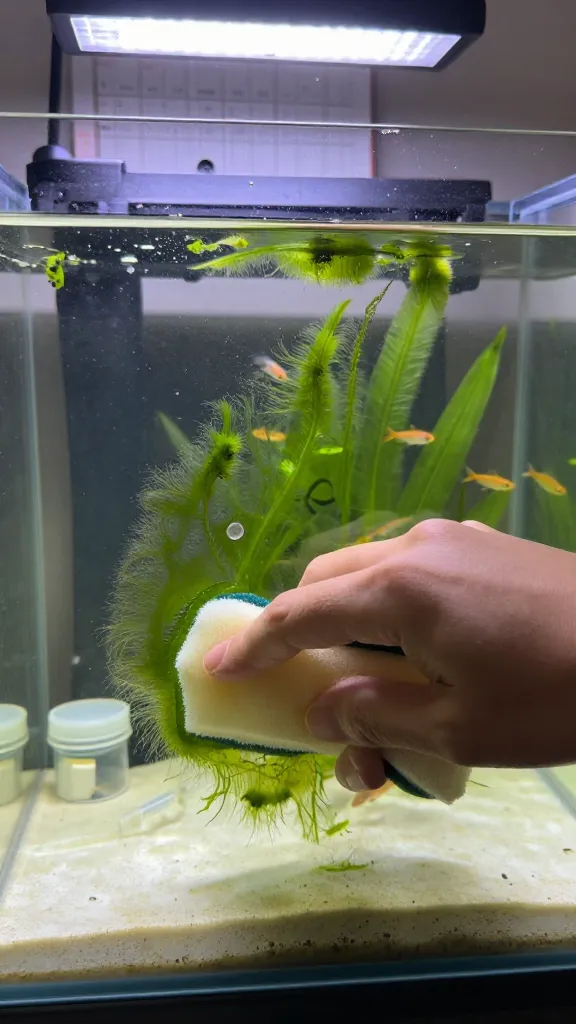
Algae is loud in a tank, but it isn’t undefeated. This little green enemy pops up when light, nutrients, and time aren’t in harmony.
Why it happens
- Excess light from sun or lamps
- Overfeeding adding nutrients
- Infrequent water changes
Sticking to a routine helps more than a miracle fix. Try a calm, steady approach rather than panicking every time you see fuzz on the glass.
Fix-it plan
- Reduce light exposure to 6–8 hours daily
- Trim and remove visible algae with a soft sponge
- Increase water changes to 10–20% weekly
- Consider adding algae-eating snails or a small fish that won’t stress your setup
FYI, you’ll notice cleaner glass and happier fish once you settle into a routine. FYI2: don’t rely on a single quick wipe—tackle the root causes for longer-term balance.
2. Nasty Cloudy Water That Makes Your Tank Look Foggy
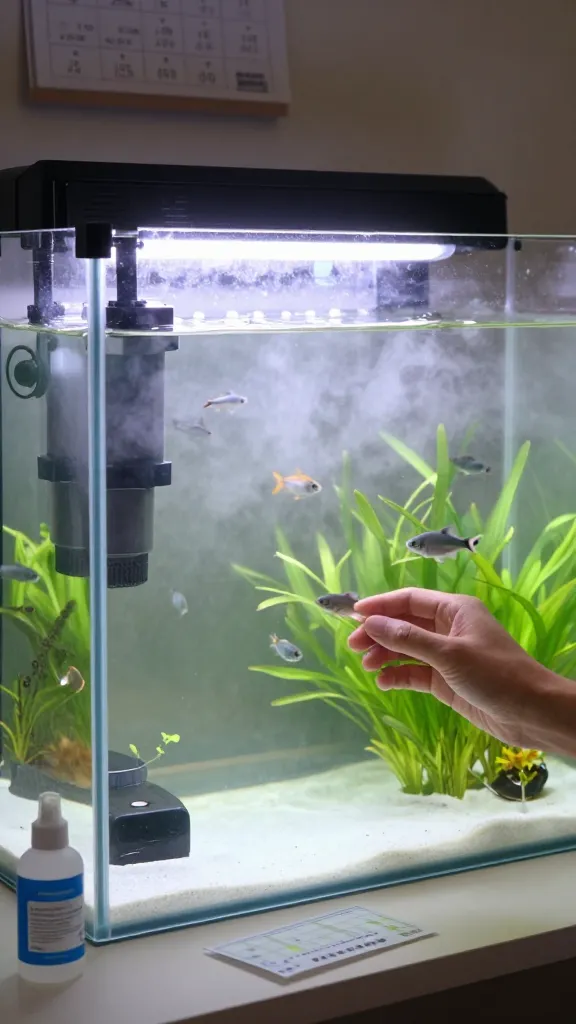
Cloudy water can scare you into thinking your tank is dying, but most of the time it’s just bacteria or a temporary bloom.
Common culprits
- New tank syndrome
- Overfeeding or leftover debris
- Improper filtration or dirty filter media
Don’t freeze up—let’s clear things up with a plan you can actually follow without maxing out your coffee budget.
Clear-it-up steps
- Check filter flow and rinse or replace media if it’s clogged
- Perform a careful 20–25% water change
- Avoid overfeeding for a week or two
- Gently vacuum the substrate to remove debris
When the water looks clearer, your fish will thank you with better color and energy. It’s amazing what a little clean water can do.
3. Picky Fish Acting Stressed or Lethargic
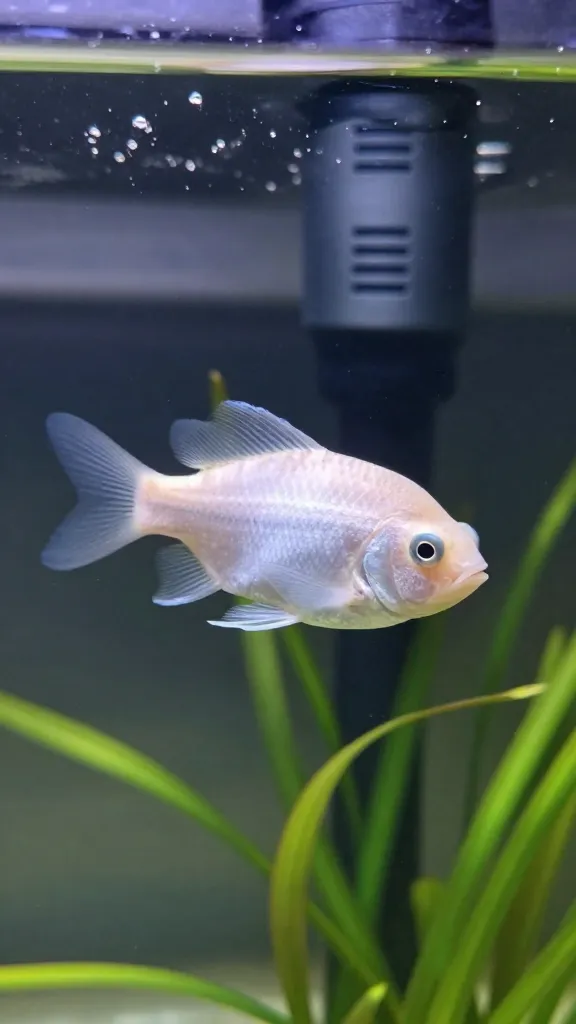
Stress in fish is loud—whispered through pale color, reduced appetite, and twitchy swimming. It usually means something in the environment isn’t singing in harmony.
Red flags to watch
- Rapid gill movement or gasping at the surface
- Less movement during feeding times
- Clamped fins or hiding most of the day
Stressed fish aren’t doomed; they’re signaling you to adjust the setup. Let’s tune the tank for calmer, happier swimmers.
How to help
- Check water parameters (ammonia, nitrite, nitrate, pH, temperature)
- Match temperature to species’ preference; avoid sudden swings
- Provide hiding spots with plants, caves, or decorative caves
- Ensure compatible tank mates and avoid overstocking
With a little empathy for their habitat, your fish will settle in and start showing their true colors again.
4. Ammonia or Nitrite Spikes That Wreak Havoc
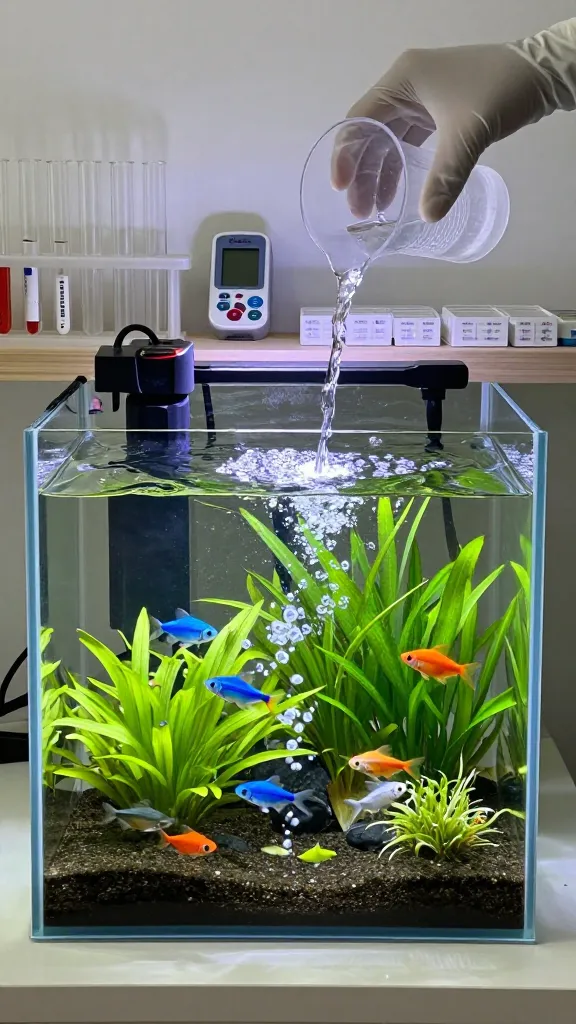
Ammonia and nitrite spikes are basically chemical drama—dangerous, but preventable with a smart routine.
Root causes you’ll want to catch
- New tank cycling incomplete
- Overfeeding and accumulating waste
- Dirty or clogged filter media
These spikes don’t have to derail your tank—think of them as red flags you can address fast.
Practical fixes
- Test kits: check ammonia and nitrite levels weekly
- Perform 20% water changes if readings are elevated
- Rinse filter media in tank water (never tap water) to preserve beneficial bacteria
- Keep feeding conservative while cycling completes
The payoff is steady, safe water and healthier fish who don’t nod off at the surface in shock.
5. Temperature Troubles That Make Fish Cry Uncle
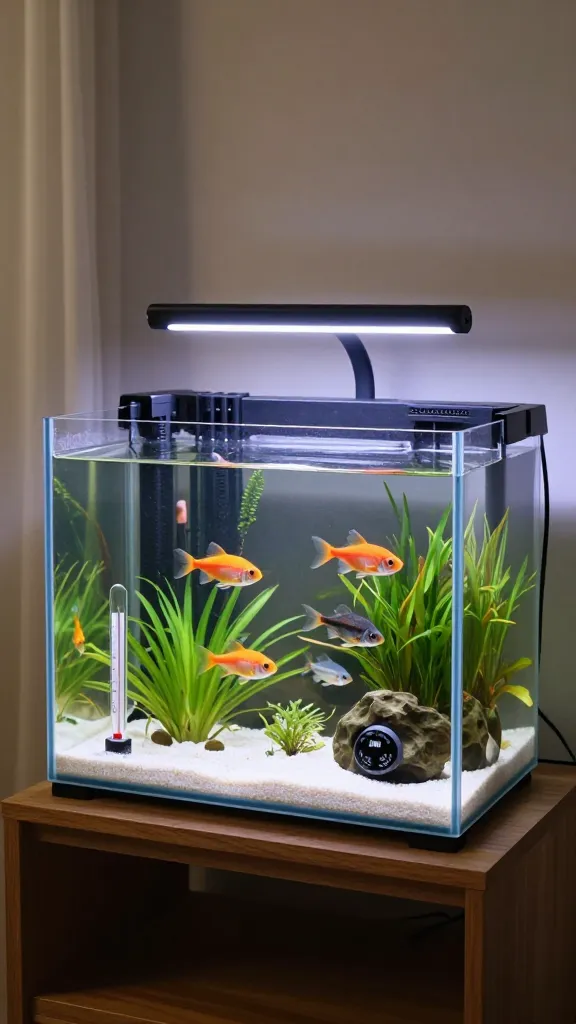
Temperature is the big quiet influencer. Too hot or too cold, and everything slows down or speeds up unpredictably.
What to look for
- Unstable heater or thermometer readings
- Inconsistent room temperature around the tank
- Shivering fish or gasping at the surface
Temperature control isn’t glamorous, but it’s essential for comfort and health. Let’s keep it steady and simple.
Stabilizing your tank
- Set heater to species-appropriate range (e.g., tropical 24–26°C or cold-water as needed)
- Place tank away from direct sun and vents that cause drafts
- Use a reliable thermometer and a heater with good reliability
- Avoid sudden changes; if you must adjust, do it gradually
When the temp sits in the sweet spot, fish color up, activity returns, and tank life feels less chaotic.
6. Filter Funk: Bad Odors, Bacteria Buildup, and Weird Flow
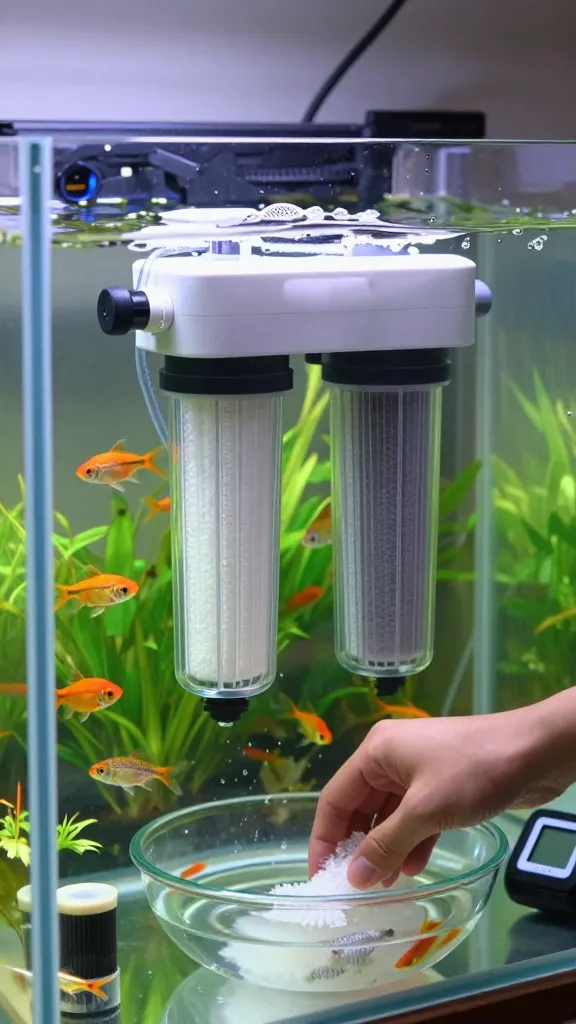
Your filter is the immune system of the tank. When it’s not doing its job, debris and waste hang around like uninvited guests.
Why this happens
- Clogged or dirty filter media
- Wrong type of filter for tank size
- Underpowered flow for the bioload
Staying proactive with filtration pays off in clear water and lively fish.
How to keep it clean and effective
- Rinse filter media in tank water every 1–2 weeks; replace media as recommended by manufacturer
- Check flow rate; adjust if water looks stagnant or if fish struggle to swim against current
- Occasionally deep-clean the intake and avoid harming beneficial bacteria
With a well-tuned filter, your tank stays stable and sparkling, and maintenance becomes a breeze rather than a burden.
Each problem on this list is a common mile marker on the road to tank bliss. Tackle them with steady steps, and you’ll see healthier fish, clearer water, and more enjoyment from your underwater world. Trust me, once you lock in a routine, you’ll wonder how you ever got by without it.
Ready to dive in? Start with one fix, and watch the rest start lining up. You’ve got this—and your fins will throw you a thank-you wave.
Explore iPet Choice
Discover helpful pet care tips, trusted product recommendations, and practical guides for dogs, cats, fish, and more.