Your pet doesn’t care about brand names. They care about comfort, safety, and whether that new toy squeaks like a dying duck. Shopping online makes it easy to spoil them, but it also makes it easy to buy junk. Let’s skip the gimmicks and pick gear that actually holds up, keeps them safe, and doesn’t end up in the back of a closet.
Start With Safety: Materials and Construction
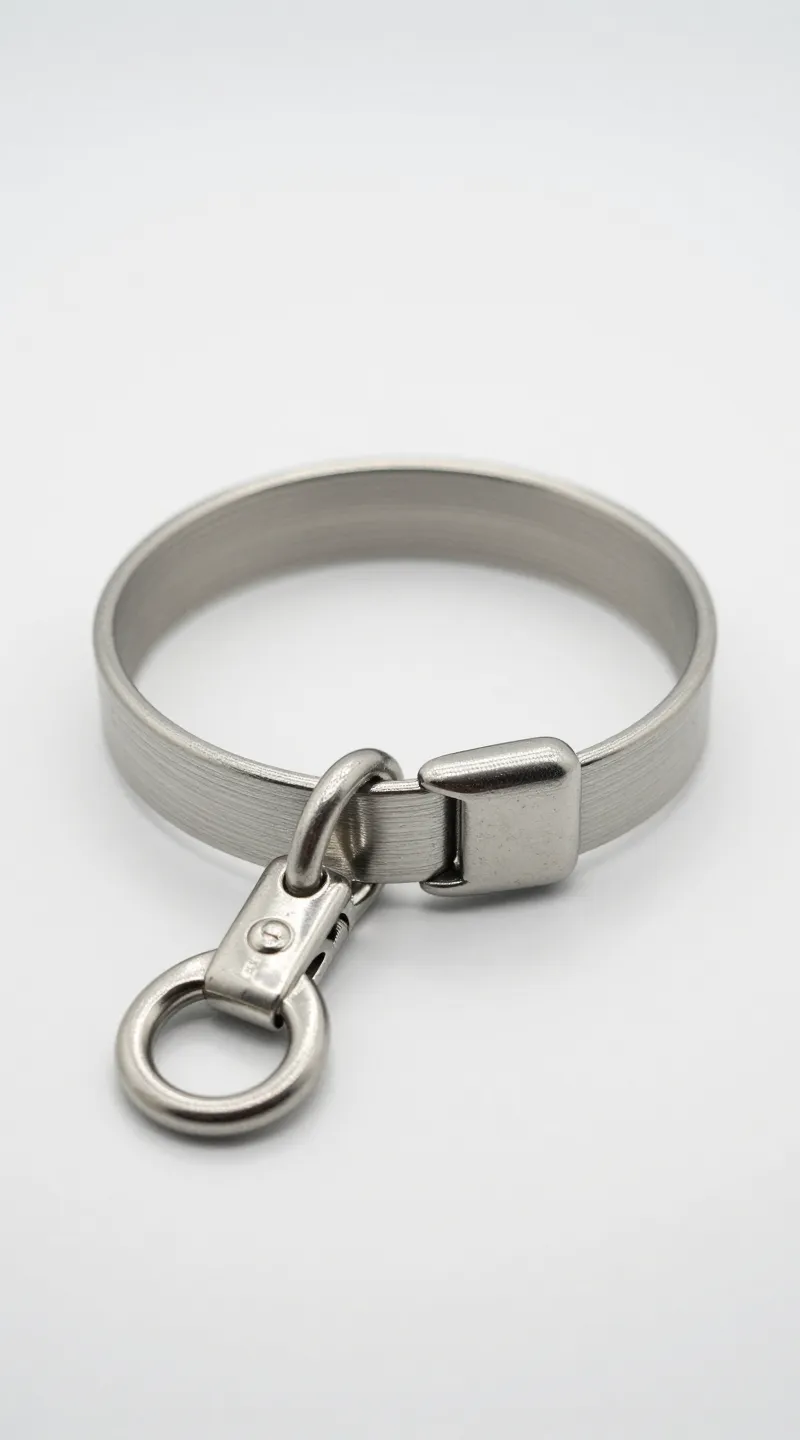
You can’t judge sturdiness by a cute product photo. You need to check what it’s made of and how it’s built. If a seller hides material details, that’s a red flag the size of a Great Dane.
- Metals: Look for stainless steel or aluminum hardware on collars, leashes, and harnesses. Avoid nickel-plated mystery alloys that chip and rust.
- Fabrics: For durability, seek nylon webbing, BioThane, or heavy-duty polyester. For comfort, neoprene or padded mesh lining helps prevent chafing.
- Chewables and toys: Prefer natural rubber, tough TPR blends, or solid-core rope. Skip brittle plastics that snap under pressure.
- Bowls and feeders: Food-grade stainless steel beats porous plastics that trap odors and bacteria.
Certifications and Safety Notes
Not every product has a fancy label, but OEKO-TEX textiles, LFGB/FDA-grade food materials, and non-toxic dyes give you peace of mind. If the product touches your pet’s mouth or skin, look for these cues. FYI, if a toy smells like a tire shop, that’s not “industrial chic.” That’s chemicals.
Fit First: Collars, Harnesses, and Wearables
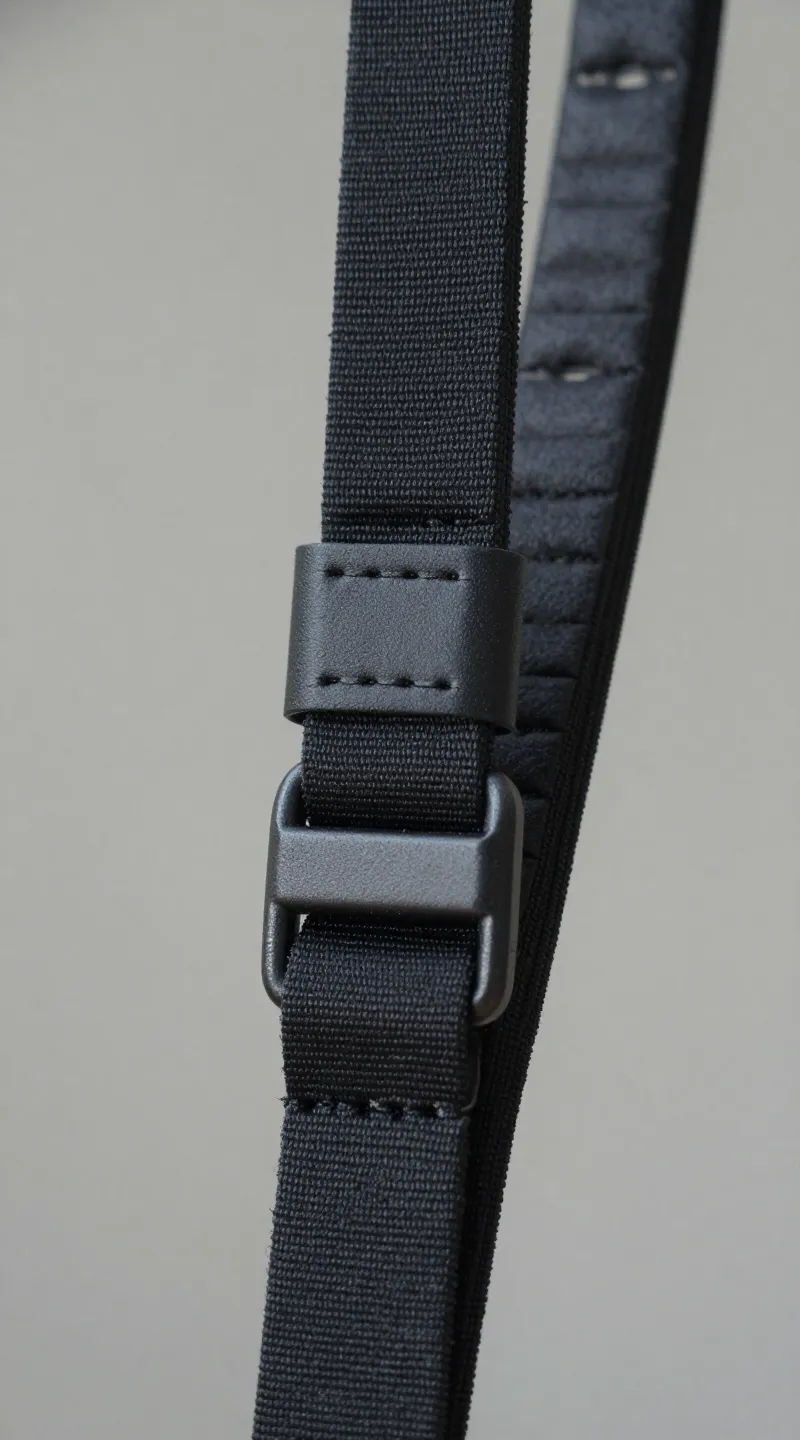
A great accessory fits like it was made for your pet. Guesswork causes rubbing, escape artistry, and dramatic side-eye during walks.
- Measure properly: Use a soft tape. For collars, measure the neck and add two-finger room. For harnesses, measure chest girth at the widest point.
- Adjustability matters: Choose products with multiple adjustment points. Single-strap “one size fits most” usually means “fits weird.”
- Check closures: Quality buckles click firmly without wobble. Metal leash clips should spring back cleanly.
Harness vs. Collar: Which to pick?
Collars work for ID tags and calm walkers. Pullers, brachycephalic breeds, and small dogs do better in harnesses that distribute pressure safely. IMO, a harness solves more problems than it creates.
Read Reviews Like a Detective

Reviews can save you from flimsy gear, but you need to scan them with a skeptical eye. Don’t just trust the star rating. Dig into the details.
- Look for pet specifics: Weight, breed, and size context tell you if it’ll work for your animal too.
- Filter by “critical” reviews: Repeated complaints about fraying, stretching, or broken clips mean run.
- Photo evidence: Real photos show stitching quality, scale, and how it fits on actual pets.
- Time-tested feedback: Reviews posted after months of use matter more than “arrived fast!” comments.
Spotting Fake or Useless Reviews
Be wary of reviews with generic language, identical phrasing across products, or oddly high volume over a few days. If every photo looks like a brand shoot, you’re probably not seeing real-world use.
Prioritize Function Over Hype
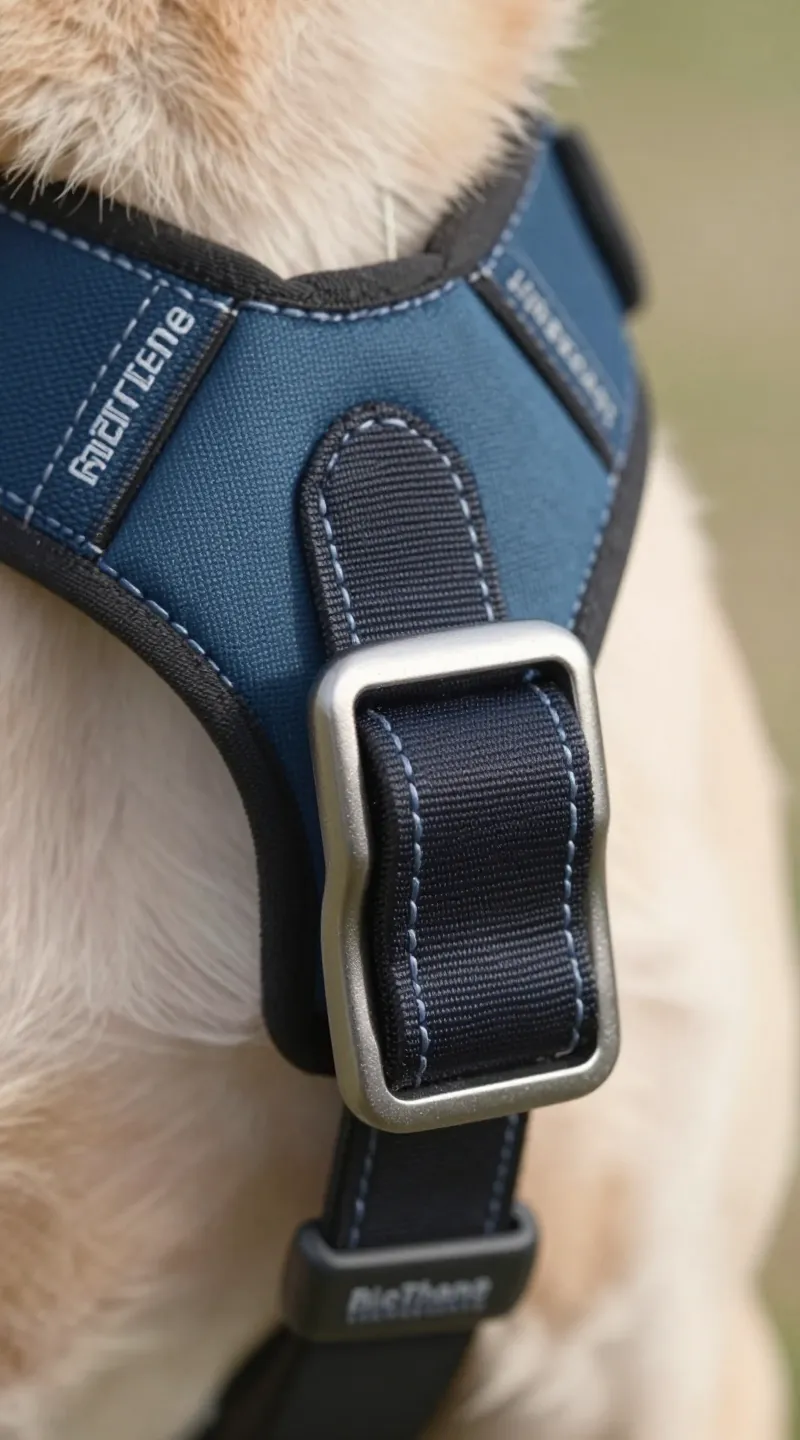
A glow-in-the-dark, USB-charging, Bluetooth-enabled collar sounds cool until your puppy chews the charging port. Focus on what your pet actually needs.
- For heavy chewers: Durable rubber and reinforced seams. Minimal squeaker exposure.
- For anxious pets: Calming textures, snuggle blankets, and puzzle feeders. Loud crinkly toys might stress them out.
- For outdoor adventurers: Reflective stitching, waterproof materials, and easy-to-clean surfaces.
- For cats: Breakaway collars only. No exceptions. Safety beats aesthetics every time.
Cleaning and Maintenance
If it’s a pain to clean, you’ll avoid using it. Choose machine-washable fabrics, dishwasher-safe bowls, and wipeable surfaces. Bonus points for removable linings and spare parts availability.
Match Quality to Price (Without Overpaying)
Price hints at quality, but it doesn’t tell the whole story. Mid-range products often outperform the luxury stuff, especially from smaller specialized brands.
- Budget tiers: Entry-level for light use, mid-range for daily wear, premium for heavy-duty or working pets.
- Where to spend: Leashes, harnesses, and crates deserve higher budgets due to safety. You can save on fashion collars and novelty toys.
- Bundle smart: Starter kits can be decent value, but make sure each item meets your standards.
Warranty, Returns, and Customer Support
Good brands stand behind their gear. Look for clear return windows, size-exchange policies, and responsive support. If the company ghosts you before you buy, imagine how helpful they’ll be after something breaks.
Know Your Pet’s Play Style
Your dog isn’t “destructive.” They’re just… committed. Align accessories with how your pet behaves so the gear doesn’t fail on day two.
- Power chewers: Single-piece rubber toys, double-stitched seams, and no dangling bits.
- Fetch fanatics: Lightweight, buoyant, bright-colored toys you can spot in grass or water.
- Puzzle lovers: Adjustable difficulty feeders and treat toys to prevent frustration.
- Cats: Feathers, wands, and track toys tap into prey drive. Avoid loose string unless supervised.
Comfort and Ergonomics
Weight distribution matters. For harnesses and backpacks, check padding where straps meet bone and joints. For beds, pick sizes that let them stretch out and supports that cushion elbows and hips.
Spot Real Craftsmanship
Quality shows up in the details you barely notice until they fail. Zoom in on product photos and read specs closely.
- Stitching: Box-stitching and bar tacks at stress points beat simple single-line seams.
- Edges: Heat-sealed or bound webbing won’t fray easily.
- Hardware: Solid D-rings and carabiners with locking gates add security for big dogs.
- Finishing: Smooth interior seams prevent rubbing; reinforced leash handles protect your hands.
Sizing Charts and Fit Guides
Trust the brand’s measurements over your guess. Compare your pet’s numbers to the chart, then check reviews to see if it runs large or small. IMO, ordering two sizes and returning one can save headaches.
FAQ
How often should I replace a collar or harness?
Replace it when you see fraying, stretched holes, cracked buckles, or rusted hardware. For active pets, plan on refreshing gear every 6–12 months. If you hike or swim a lot, inspect after each adventure.
Are pricier toys always better?
Nope. Some budget toys hold up great, and some expensive ones fail in a day. Focus on materials (natural rubber, reinforced seams) and reviews that match your pet’s play style.
What’s the safest collar type for cats?
Always choose a breakaway collar. It releases under pressure if the collar snags on furniture or branches, which can literally save your cat’s life. Add an ID tag and call it a day.
How do I know if a harness fits correctly?
You should slip two fingers under any strap. The harness should not rotate around the body or ride up into the armpits. Watch your pet move—if they shorten their stride or scratch at it constantly, adjust or try a different model.
What’s the best material for food bowls?
Food-grade stainless steel wins for cleanliness and durability. It resists bacteria better than plastic and doesn’t chip like ceramic. Non-slip bottoms keep it from becoming a hockey puck at dinner time.
Should I buy smart collars and GPS trackers?
If your pet has a history of escaping or you travel often, GPS can be a lifesaver. Just check battery life, waterproof rating, and subscription fees. If you only walk around the block, you probably don’t need one.
Conclusion
High-quality pet accessories don’t shout; they just work—day after day, walk after walk. Focus on safe materials, proper fit, and honest reviews, then match the gear to your pet’s personality. Do that, and you’ll waste less money, avoid sketchy products, and keep your furry sidekick comfy and safe. And yes, the squeaky duck can still come home—just make sure it’s the tough one.
Explore iPet Choice
Discover helpful pet care tips, trusted product recommendations, and practical guides for dogs, cats, fish, and more.