You brought home a cat. Congrats—you just adopted a tiny monarch with opinions. Now you need to convince your new feline that your place is safe, cozy, and worthy of their royal presence. The first week can make or break your relationship, so let’s set you both up to win. I’ll show you the simple steps, the common pitfalls, and the small tricks that keep the hissing to a minimum and the purring to a maximum.
Prep the Kingdom Before the Arrival
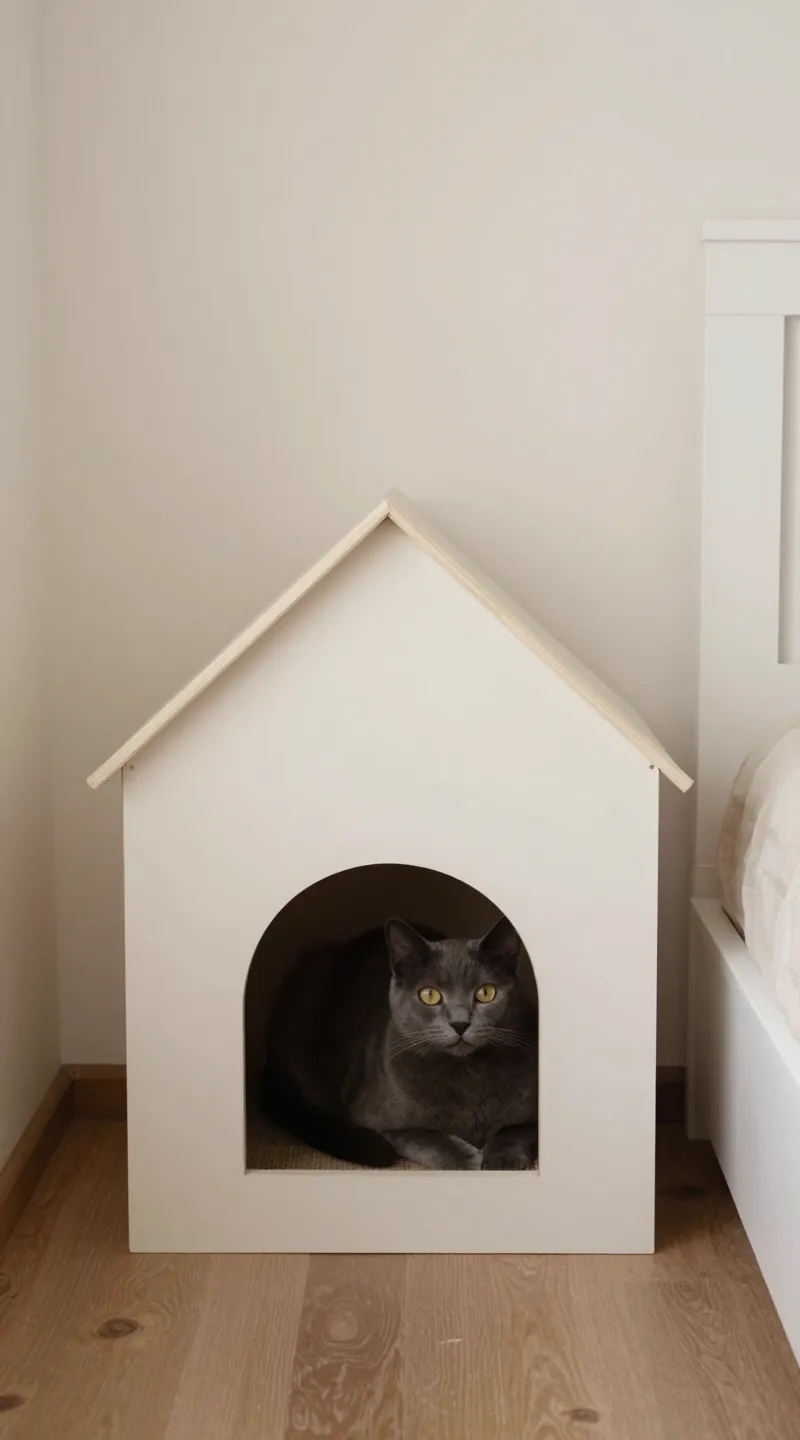
Your cat will judge everything on day one. Give them a calm, controlled landing pad.
- Create a “home base” room: Choose a quiet room with a door. Add a litter box, water, food, scratching post, bed, and hiding spots.
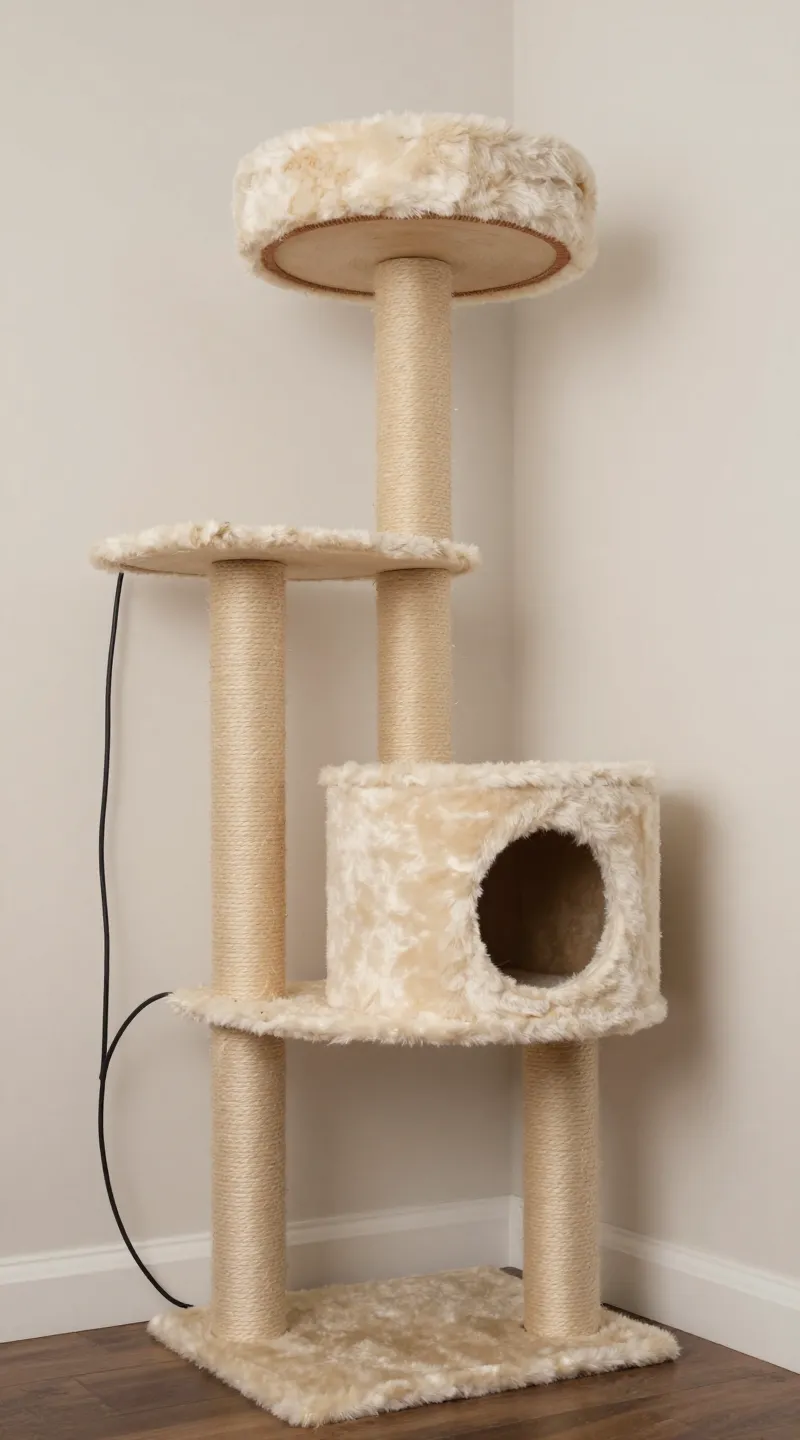
- Use vertical space: Cats feel safer up high. Window perches, shelves, or a cat tree work wonders.
- Hide the scary stuff: Secure cords, tuck away toxic plants, and close off weird crawl spaces. You don’t want a game of “find the cat” on day one.
- Stock the basics: Litter (clumping, unscented), scoop, stainless steel bowls, quality food, a brush, and a couple of toys.
The Comfort Toolbox
Consider a pheromone diffuser, a soft blanket from the shelter, and a carrier lined with something that smells like you. FYI, scent matters to cats more than your heartfelt pep talk.
Arrival Day: Slow, Quiet, Predictable

Keep the energy low. You’re not hosting a surprise party.
- Go straight to the home base room: Open the carrier and let them exit when they feel ready. No grabbing, no chasing.
- Offer water and litter right away: Food can wait a couple of hours if they seem stressed.
- Hang out, don’t hover: Sit on the floor, read a book, speak softly. Let curiosity do the work.
Reading the Room (Cat Edition)
Signs they feel okay: exploring, slow blinking, grooming, eating, using the litter box. Signs they need space: flattened ears, hiding, tail tucked, growling. Respect the signals, and you’ll earn trust faster than bribing with tuna (though tuna helps).
Routine: Your Secret Weapon

Cats love patterns. Build a simple routine so they can predict life and relax.
- Feeding times: Two scheduled meals a day or a measured dry-food schedule. Consistency equals security.
- Play, then food, then rest: Mimic a hunt. Wand toy “prey,” then dinner, then nap. It taps into instinct and reduces stress.
- Litter box hygiene: Scoop daily, wash weekly. Keep it away from food and in a quiet corner.
IMO: Don’t Free-For-All Food
Free-feeding can create picky eaters and weight issues. Scheduled meals also make it easier to spot health problems early.
Introducing Resident Pets
Already have a cat or a dog? Don’t rush the meet-cute. Earn it.
- Scent swap: Exchange blankets between pets. Rub a cloth along each pet’s cheeks and swap. Do this for a few days.
- Site swapping: Let the new cat explore the house while the resident pet hangs in a separate room, and vice versa.
- Controlled visuals: Use a cracked door, baby gate, or screen for short, positive sessions. Feed high-value treats on both sides.
- Leashed intros (for dogs): Keep dogs calm and focused. Reward sniffing politely and ignoring the cat like a dignified gentleman.
- Short supervised visits: Gradually increase time together. End on a good note every time.
Watch the Body Language
- Cats: Upright tail, loose body, slow blinks = good. Fixed stare, puffed tail, ears back = back off.
- Dogs: Soft eyes, loose wags, easy movement = safe. Stiff stance, intense stare, whining or lunging = not ready.
Build Trust with Play and Treats
Food plus toys equals friendship. It’s not complicated.
- Use wand toys: Move like prey—small, skittery motions. Let them win often.
- Clicker train simple cues: Targeting your hand or “sit” builds confidence and communication.
- Offer treats smartly: High-value bites (chicken, freeze-dried meat) during scary moments like doorbells or new visitors.
For Shy Cats
Sit sideways, avoid direct staring, blink slowly, and talk softly. Toss treats toward—not at—them. Give hiding options they can exit easily. They’ll come around faster when they feel in control. IMO, patience beats every hack.
Litter Box Zen (Yes, It Matters)
You want your cat to actually use the bathroom where it belongs. Make it easy and attractive.
- Box count: One per cat, plus one extra. Multi-level homes need boxes on each level.
- Size and style: Big, open boxes with low entry work best. Covered boxes trap smells and ambush vibes.
- Litter type: Unscented clumping litter. Strong perfumes scream “danger” to many cats.
- Placement: Quiet spot, easy entry, away from loud appliances and food bowls.
- Cleaning: Scoop daily, replace litter regularly, wash with mild, unscented soap monthly.
Common Hiccups and Fixes
Stuff happens. Here’s how to course-correct without drama.
- Hiding all day: Normal for the first few days. Sit with them, read aloud, offer treats near the hidey-hole. Don’t drag them out.
- No eating: Try warmed wet food, tuna water, or hand-feeding. If they won’t eat for 24 hours (12 hours for kittens), call the vet.
- Accidents outside the box: Check cleanliness and placement first. Rule out medical issues with a vet if it continues.
- Night zoomies: Big play session before bedtime, then a meal. Close bedroom door if you value sleep and sanity.
- Scratching furniture: Provide sturdy scratchers (vertical and horizontal). Sprinkle catnip or use silvervine. Reward with treats for scratching the right spot.
Vet Visit Timeline
Schedule a checkup within the first week. Bring any shelter records. Discuss vaccines, microchipping, parasite prevention, diet, and a plan for dental care. Early baseline exams save you stress later. FYI, cats hide pain like it’s their job.
FAQ
How long should I keep my new cat in a separate room?
Usually 3–7 days. Let behavior guide you. If they eat, use the box, and greet you at the door, start slow house exploration. If you have other pets, extend the separation while you do scent and visual introductions.
What if my cat won’t come out from hiding?
Give them time and control. Offer food and treats at the threshold, play gently with a wand toy near the hiding spot, and reduce noise. Add vertical perches and a covered bed in the open so they feel safe outside the closet.
Should I switch their food right away?
Not immediately. Keep the shelter or previous diet for a few days, then transition over 7–10 days. Mix in the new food gradually to avoid stomach protests and litter box disasters.
How do I stop hissing between cats?
Hissing means “too much, too fast.” Go back a step: more scent swapping, shorter visual sessions, and treat parties on both sides of a barrier. Reward calm. Separate completely if you see swatting or chasing and rebuild slowly.
What toys actually keep cats engaged?
Wand toys, kickers, puzzle feeders, and anything that moves unpredictably. Rotate toys every few days so boredom doesn’t set in. Laser pointers are fine, but let them “catch” a treat or toy at the end to satisfy the hunt.
When should I worry and call the vet?
Call if your cat doesn’t eat in 24 hours, has diarrhea or vomiting more than once, strains in the litter box, or seems lethargic or painful. Kittens need faster action—if you’re unsure, call anyway. Better safe than sorry, IMO.
Conclusion
Bringing home a new cat doesn’t need to feel like defusing a bomb. Set up a calm base camp, move at their pace, and build trust with routine, play, and snacks. Keep intros slow, litter easy, and humor handy. Do that, and your new roommate will upgrade you from “staff” to “beloved staff” in no time.
Explore iPet Choice
Discover helpful pet care tips, trusted product recommendations, and practical guides for dogs, cats, fish, and more.