Your cat ignores the water bowl like it’s a tax form. Your dog treats the toilet like a tasting room. Time to upgrade their hydration game. Pet water fountains keep water moving, fresher, and way more appealing to picky drinkers. Plus, they save you from refilling bowls every five minutes. Win-win.
Why a Fountain Beats a Regular Bowl
Moving water just tastes better to pets. It’s instinct. Flowing water signals “safe and fresh,” while still water screams “pond with mystery floaties.” A fountain keeps water oxygenated and cool, which encourages more drinking and supports kidney health—huge for cats prone to urinary issues.
What you also get:
- Filtration: Charcoal or carbon filters improve taste and catch debris.
- Circulation: Helps reduce slime buildup and funky odors.
- Convenience: Larger capacity means fewer refills, especially for multi-pet homes.
Key Features That Actually Matter
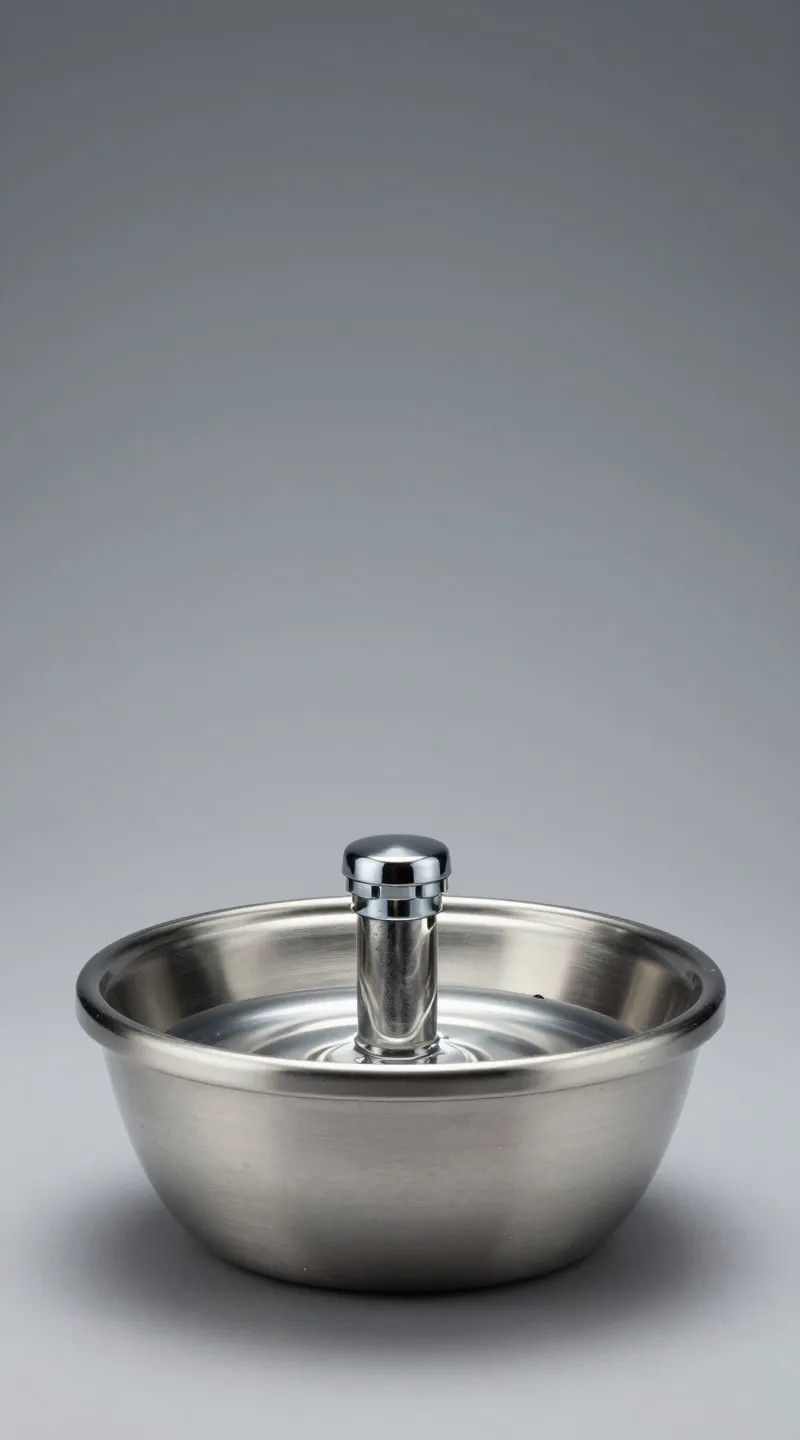
You can buy the cutest fountain on the planet, but if it sounds like a jet engine at 2 a.m., you’ll hate it. Here’s what to look for.
Quiet, Reliable Pump
The pump makes or breaks the experience. Look for sub-20 dB noise claims, rubber feet for vibration control, and easy access for cleaning. If hair collects around the intake, the pump strains and gets loud—maintenance matters.
Materials: Stainless, Ceramic, or BPA-Free Plastic?
- Stainless steel: Durable, hygienic, dishwasher-safe, and less likely to cause chin acne in cats. Usually pricier.
- Ceramic: Heavy (pets won’t tip it) and looks good on your counter. Slightly fragile if you have butterfingers.
- Plastic: Affordable and light, but may scratch over time and hold odors. Go BPA-free only.
Filters and Maintenance
Most fountains use carbon filters for taste and optional foam filters to catch fur. You’ll replace carbon monthly and foam every 2–4 months, depending on hair and slime. If you’re not into ongoing maintenance, pick a simple design with fewer nooks and crannies.
Capacity and Layout
For cats and small dogs, 50–70 oz works. For big dogs or multiple pets, aim for 100–200 oz. Some pets like a gentle stream, others prefer a bubble pool. If you don’t know, choose a model with adjustable flow and multiple drinking zones.
Top Fountain Picks (IMO)
You want specific recommendations? Let’s talk crowd favorites and what they do best. FYI, these categories help you shop even if the exact model changes.
Best Overall: Stainless Steel, Mid-Capacity, Adjustable Flow
Why it rocks: Stainless basin, quiet pump, charcoal + foam filters, and a spout that creates a soft stream without splash. Easy to disassemble and toss in the dishwasher. Ideal for one to three cats or a small dog.
Watch for: Replace filters on schedule or the pump strains. If your pet likes a roaring waterfall, this will feel too polite.
Best for Multi-Pet Homes: High-Capacity “Reservoir + Bowl” Style
Why it rocks: A big tank (100–200 oz) plus a wide drinking area so pets don’t crowd each other. Lower profile keeps splashing down and accommodates flat-faced breeds.
Watch for: Large footprint. If counter space is precious, measure first. Also, more water = more to clean, so set a weekly reminder.
Best for Style and Cleanliness: Ceramic Tower Fountain
Why it rocks: Heavy, chic, and easy to wipe. The ledges create different drinking levels, and the glaze resists slime better than plastic. Great if your cat is discerning and your decor is, too.
Watch for: Heavier to move for cleaning. Breakable if dropped, which your tile floor will unfortunately confirm.
Best Budget Pick: Compact BPA-Free Plastic Fountain
Why it rocks: Affordable, simple design, easy replacement filters. Good for first-timers and cats who want movement without Niagara Falls energy.
Watch for: Plastic can scratch. Over time it may hold odors if you don’t stay on top of cleaning.
Best for Nervous Pets: Ultra-Quiet, Gentle Bubble Style
Why it rocks: Almost silent with a soft bubbling surface. No spout or splash, which skittish cats appreciate. Low profile works for kittens and seniors.
Watch for: Minimal aeration compared to a stream. If your pet likes to “hunt” the water stream, this won’t entertain them.
Setup and Daily Use Tips
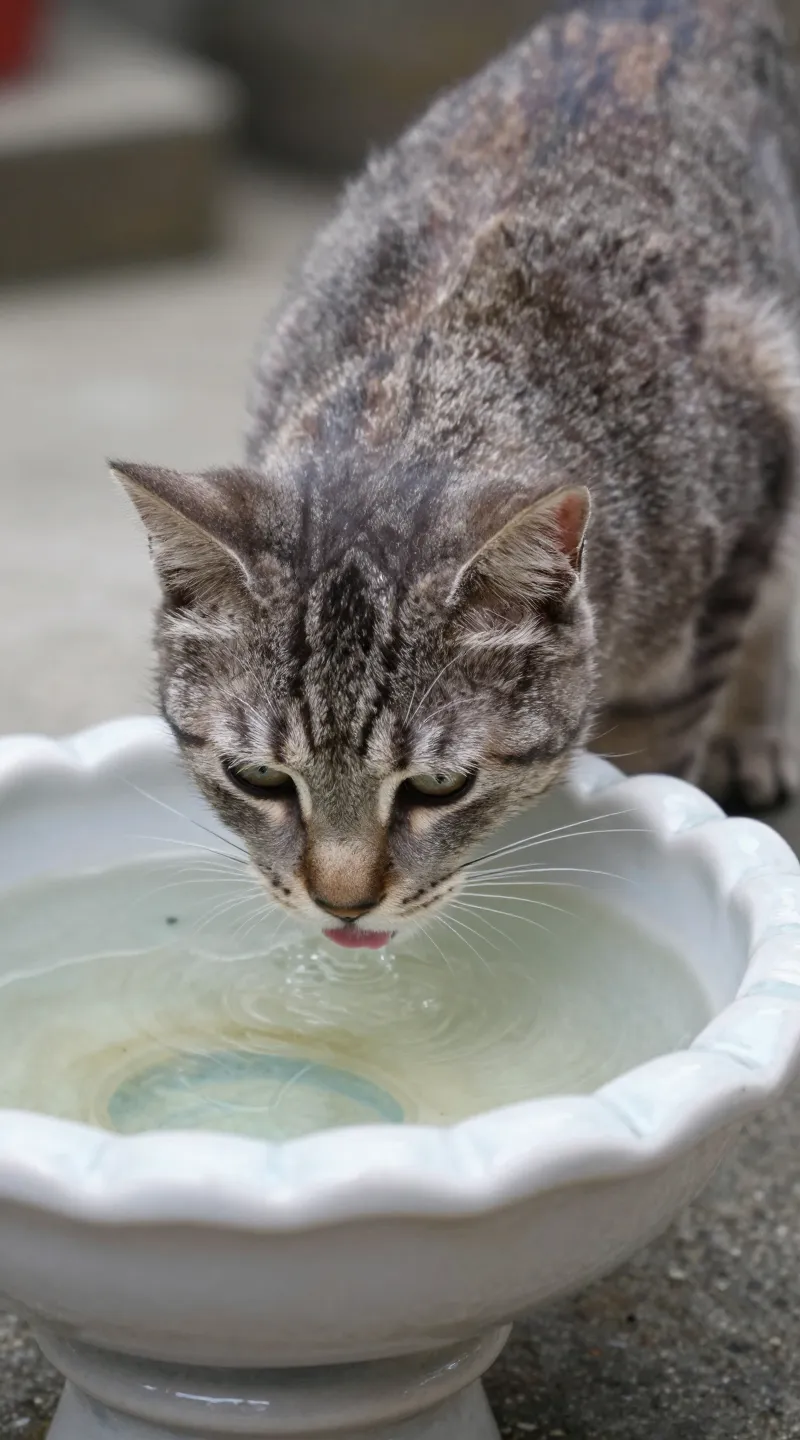
You don’t need an engineering degree to set one up, but a few moves will help it run like a dream.
- Pre-rinse filters to remove carbon dust.
- Level placement so the pump doesn’t cavitate (aka make that grinding sound).
- Use filtered tap water if your water runs hard—less mineral buildup, happier pump.
- Adjust the flow and let your pet explore with the fountain off first if they’re timid.
Training a Hesitant Pet
Cats side-eye change by default. Start with the fountain off next to their old bowl. Gradually move the old bowl away, then switch on the fountain at the lowest flow. Praise and treats help—be shameless.
Cleaning Without the Drama
Strong opinions incoming: clean weekly, deep-clean monthly. Your nose will thank you, and your pet will drink more. Set a calendar reminder. Seriously.
Weekly Routine
- Disassemble and wash with hot water and mild dish soap.
- Scrub the pump impeller area with a small brush or cotton swab.
- Rinse filters lightly (don’t over-scrub carbon filters or you’ll reduce effectiveness).
Monthly Deep Clean
- Soak parts (not the pump motor) in a 1:10 white vinegar solution for 10–15 minutes to dissolve scale.
- Rinse thoroughly to remove vinegar scent.
- Replace carbon filters; check foam filters and replace if gunky.
Pro tip: If you hear the pump whine, you likely need to top off water or clean hair from the intake.
Matching the Fountain to Your Pet
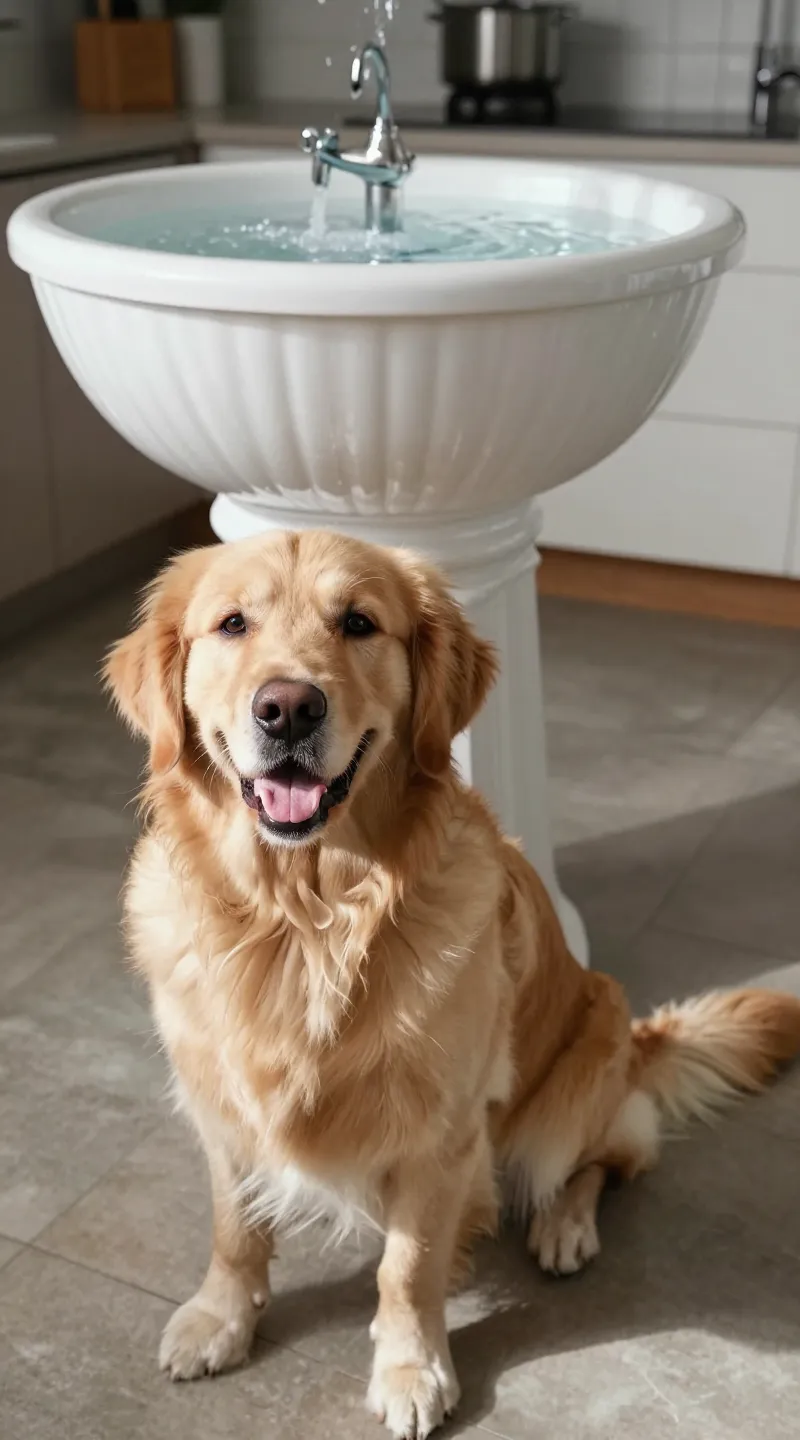
Different pets, different quirks. Pick the fountain that suits behavior—not just aesthetics.
- For cats who paw at the water: Choose a design with a shallow bowl and gentle stream so they don’t flood your kitchen.
- For seniors or arthritic pets: Go low-splash, low height. A raised lip keeps the area dry and comfy.
- For dogs who drink like vacuums: High-capacity, heavy base, wide bowl. You need stability.
- For acne-prone cats: Stainless or ceramic is kinder on skin than textured plastic.
Cost of Ownership (aka What You’ll Actually Spend)
You’ll pay once for the fountain and then regularly for filters. Typical ranges:
- Fountain: $25–$120 depending on size and material.
- Filters: $8–$25 every 1–3 months, brand-dependent.
- Electricity: Minimal—most pumps sip power, often under 3–5 watts.
FYI, you can extend filter life by rinsing weekly and using filtered water. But don’t stretch it too far—stinky water equals fewer sips.
Common Mistakes to Avoid
- Letting water run too low: You’ll burn out the pump fast.
- Skipping cleanings: Biofilm builds quickly, and pets notice taste before you do.
- Ignoring noise changes: New sounds usually mean hair clogs or low water.
- Buying too small: If you refill daily, go up a size. Your future self will thank you.
FAQs
Do cats really drink more with a fountain?
Most do. The movement and fresher taste encourage extra licks, which helps urinary tract health, especially for male cats. Some stubborn holdouts exist—start gentle and give them time.
How often should I replace the filters?
Plan on monthly for carbon filters and every 2–4 months for foam pre-filters. If you have multiple pets, heavy shedders, or hard water, you’ll replace them faster. When water smells “swampy,” it’s time.
Is stainless steel worth the extra cost?
IMO, yes for many homes. Stainless resists scratches, cleans easily, and stays fresher. If budget’s tight, a BPA-free plastic fountain still works—just commit to weekly cleaning.
Can I run the fountain 24/7?
Yes—these pumps are designed for continuous use. Keep water topped up and clean the pump regularly so it stays quiet and lasts longer.
What if my pet plays in the stream?
Choose a low-splash or bubble design, place a silicone mat underneath, and dial down the flow. For determined splash artists, a high-capacity bowl-style fountain reduces waterfalls on your floor.
Do I need a backup bowl?
Always smart. Keep a plain bowl out in case the power goes out or the pump needs a soak. Hydration first, aesthetics second.
The Bottom Line
Pick a fountain that matches your pet’s drinking style, your cleaning tolerance, and your decor vibe. Stainless or ceramic shines for cleanliness, high-capacity helps busy households, and ultra-quiet bubblers win nervous pets. Keep it clean, keep it filled, and your furry critic will actually drink more—no toilet required. IMO, that’s a glow-up for everyone.
Explore iPet Choice
Discover helpful pet care tips, trusted product recommendations, and practical guides for dogs, cats, fish, and more.