Your cat zooms at 3 a.m., stares at walls, and treats your shoelaces like prey. You love the chaos… until you don’t. Automatic cat toys promise to entertain your tiny house panther while you work, sleep, or pretend to do yoga. But do they actually deliver, or just eat batteries and your hope?
What Counts as an Automatic Cat Toy?
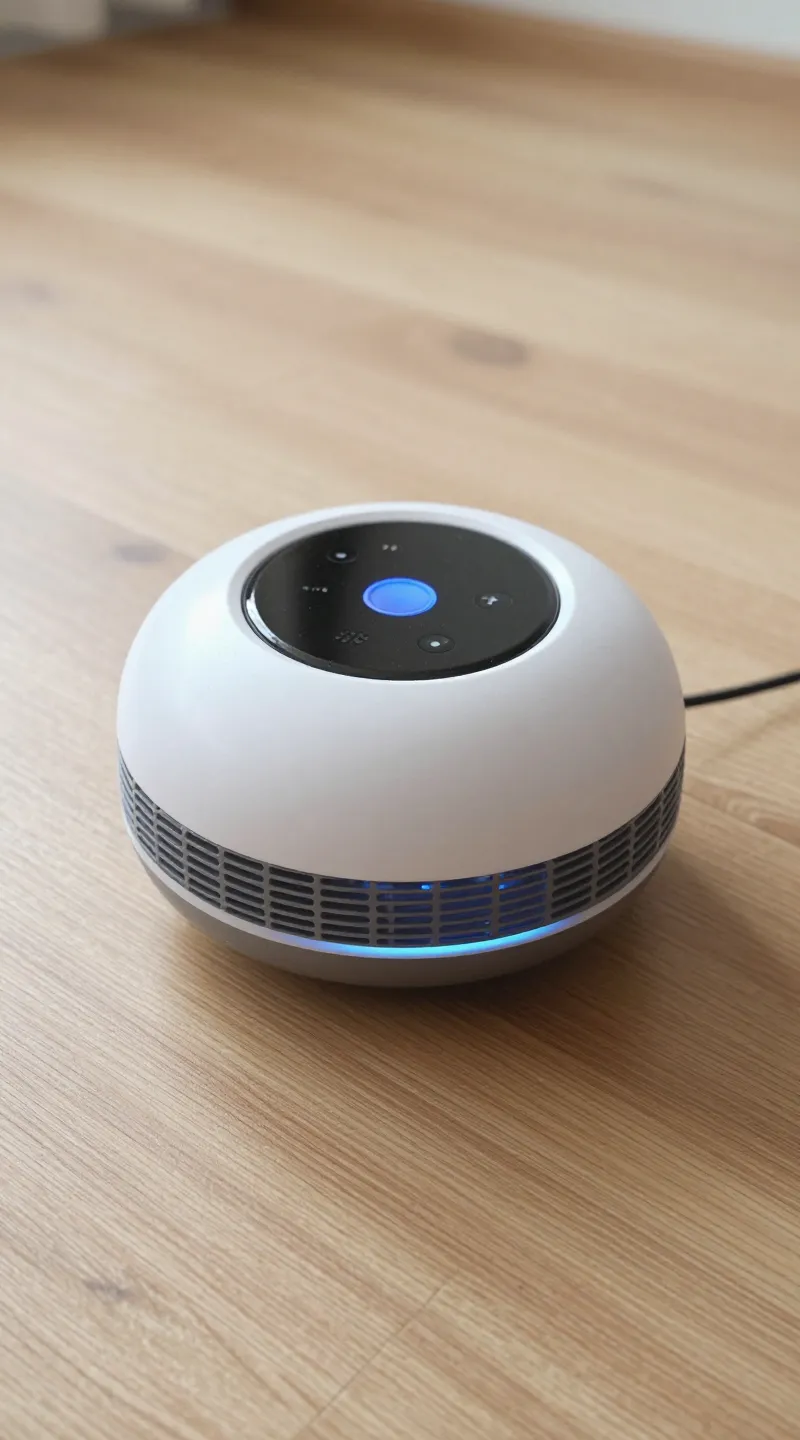
Automatic toys do the “work” for you. They move, flash, chirp, or change patterns on timers or sensors so your cat gets stimulation without you waving a wand for 20 minutes straight.
- Laser toys: Randomized dots that zip around the room.
- Motion toys: Robotic mice, erratic balls, fluttering “butterflies.”
- Treat/feeder puzzles: Battery-powered dispensers that release kibble as your cat interacts.
- Interactive tracks and spinners: Objects hiding behind flaps or moving under fabric “blankets.”
- Smart toys: App-controlled setups with schedules and tracking.
Do you need every gadget? No. But a well-chosen one can turn “bored gremlin” into “nap champion.”
The Real Upside: Why These Toys Can Be Awesome
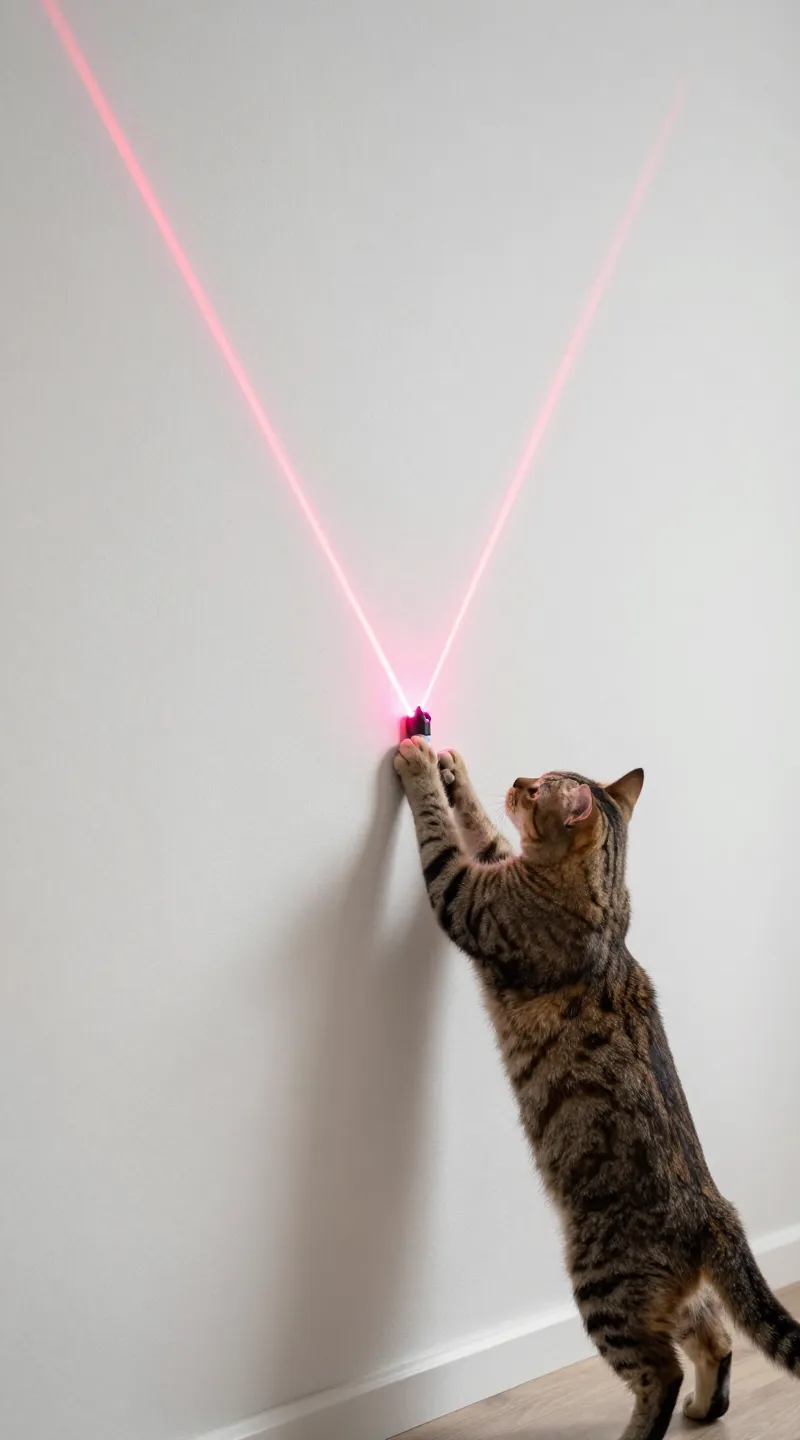
Automatic toys buy your cat meaningful play time. That matters for indoor cats who need mental and physical workouts.
- Prevents boredom: Less furniture scratching, fewer “I knocked your glass off for science” experiments.
- Taps natural instincts: Chase, pounce, stalk — all the juicy hunting behavior without bringing a real lizard inside.
- Consistency: Timers create routine play when you’re busy. FYI, cats love predictable chaos.
- Exercise: A 10–15 minute chase session a couple times a day beats the Zoomies Olympics at midnight.
Great For Busy Humans
If you work long hours or have mobility limits, automatic toys can carry the load. You still need some human-led play, IMO, but this helps you keep up.
The Catch: What People Don’t Tell You
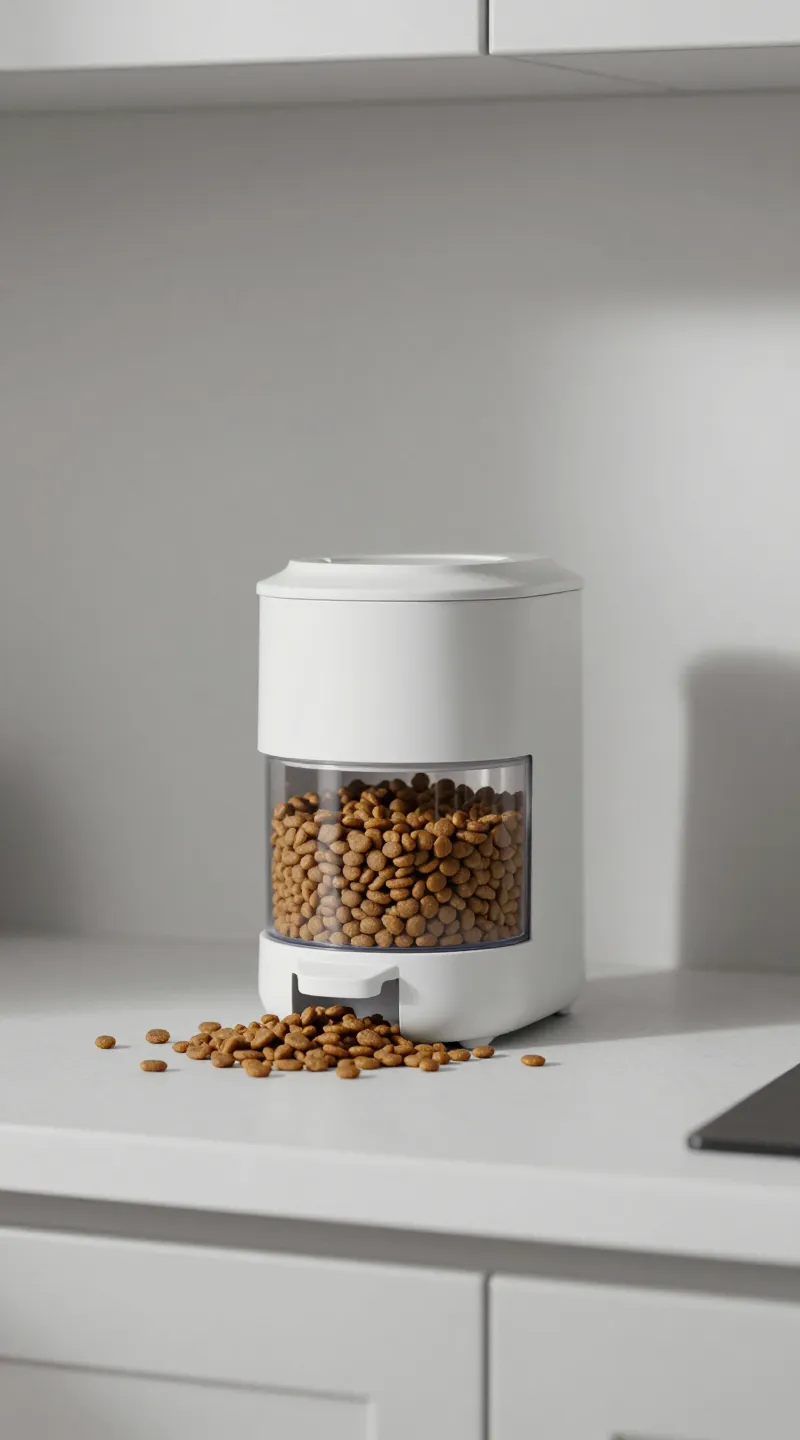
Automatic doesn’t mean perfect. Some cats side-eye robots like they owe them money.
- Not all cats care: Some prefer wand toys or you (glorious servant).
- No “kill moment”: Laser toys can frustrate without a tangibly catchable reward.
- Noise and vibration: Sensitive cats may bolt at the first buzz.
- Battery drain: Cheap toys chew through AAs like treats. Rechargeable = worth it.
- Durability: Feather parts and plastic flaps break with determined chompers.
Safety Notes You Shouldn’t Ignore
- Avoid continuous lasers in eyes: Keep the beam moving and indirect.
- Supervise with string/feather components: Swallowing bits = vet bill city.
- Watch heat and charging: Don’t leave cheap rechargeable toys plugged in unattended.
Signs Your Cat Will Actually Use One
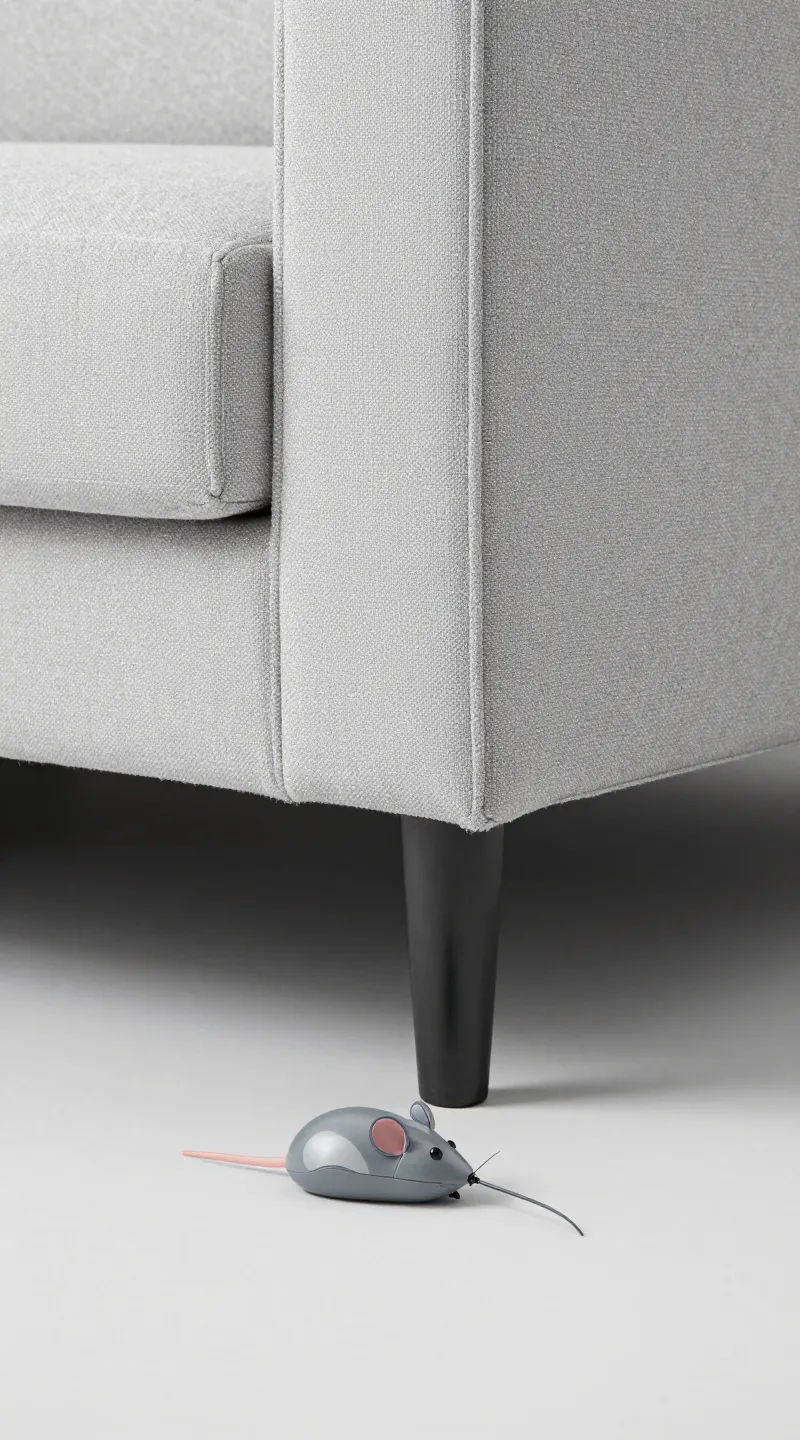
You can predict success by watching your cat’s current play style.
- The chaser: Loves darting after wands or crumpled paper? Motion toys are a yes.
- The stalker: Hides, then pounces? Under-blanket “prey” toys win.
- The snack-motivated goblin: Treat dispensers and puzzle toys deliver.
- The tech skeptic: Start with quiet, slow toys and short sessions.
Intro Strategy That Works
- Run the toy on low speed near your cat while you sit calmly.
- Pair with treats for positive associations.
- Use short bursts (5–10 minutes), then put it away. Scarcity keeps it exciting.
Choosing the Right Automatic Toy (Without Overthinking It)
So many options, so little patience. Here’s the quick filter.
- Movement pattern: Look for randomized, erratic motion. Predictable = boring.
- Noise level: Check reviews for “quiet” vs “small lawnmower.”
- Rechargeable battery: Saves money and your sanity.
- Auto shut-off: 10–15 minute cycles prevent overstimulation and battery drain.
- Replaceable parts: Feathers and tails should be swappable.
- Floor type compatibility: Some toys face-plant on carpets or slide on hardwood.
Best-In-Class Categories (IMO)
- Laser towers with timer + random mode: Great for quick energy burn. Always end with a catchable toy or treat.
- Under-blanket “mouse” toys: Killer for stalk-and-pounce cats.
- Robotic ball with variable speed: Huge fun if your cat likes soccer.
- Treat-dispensing puzzle balls: Mental workout plus snack joy.
How to Make Automatic Toys Actually Work
The plan matters as much as the toy. A little structure turns a novelty into a routine your cat craves.
- Schedule play “appointments”: Morning and evening 10–15 minutes each. Cats love rituals.
- Rotate toys every 3–4 days: Hide yesterday’s thrill, reveal today’s “new” thing.
- Layer senses: Add a crinkly mat, catnip, or silvervine to refresh interest.
- Finish with a “catch” and a small snack: Satisfies the hunting cycle: stalk-chase-catch-eat-groom-sleep.
- Store toys out of sight: Scarcity keeps dopamine alive.
Combining Human + Auto Play
Use the automatic toy for warm-up. Then swoop in with a wand toy for a couple of “wins,” followed by a treat. Your cat sleeps; you become a legend.
Cost vs Value: Are They Worth It?
Short answer: Usually, yes — with the right match and expectations. You won’t replace human interaction, but you’ll fill the gaps and reduce chaos.
- Budget picks ($15–$30): Simple spinners or puzzle balls. Great starter tier.
- Mid-range ($30–$60): Better motors, rechargeable batteries, sturdier builds.
- Premium ($60+): App control, sensors, multi-modes. Awesome if you actually use the features.
IMO, one solid mid-range toy plus a treat puzzle beats a drawer full of flimsy gadgets. Your cat needs variety, not a robot parade.
FAQ
Do automatic toys replace regular playtime?
Nope. They supplement it. Cats still need interactive time with you for bonding and for that satisfying “I caught it” finish. Think of automatic toys as your helpful assistant, not your replacement.
Are laser toys safe for cats?
Yes, with care. Keep the beam off eyes, use low-power devices, and end with a tangible toy or treat so your cat gets a “catch.” Otherwise you risk frustration and zoomies with no closure.
How long should I let automatic toys run?
Aim for 10–15 minutes per session, 1–3 times a day. Use auto shut-off or set a timer. Too-long sessions can overstimulate some cats and turn excitement into stress.
What if my cat ignores the toy?
Introduce it slowly. Use treats, run it at a distance first, and try during their natural active windows (dawn/dusk). If it still flops, switch styles — stalkers won’t always chase lasers, and chasers may ignore puzzle feeders.
Can kittens use automatic toys?
Yes, but supervise closely. Kittens go hard on feathers and strings, and they chew everything. Choose sturdy toys, check parts often, and keep play chunks short to avoid overexcitement.
How do I keep my cat from getting bored of the same toy?
Rotate. Store toys out of sight and bring them back after a few days. Swap attachments, add scent (catnip/silvervine), and vary surfaces. Novelty fuels engagement.
Conclusion
Automatic cat toys won’t turn your feline into a polite roommate, but they can channel chaos into healthy play. Choose a toy that matches your cat’s style, keep sessions short, and rotate like a DJ. Pair with a human-led “catch,” toss a treat, and enjoy the blissful post-hunt nap. For most cats — and most humans — that’s absolutely worth it.
Explore iPet Choice
Discover helpful pet care tips, trusted product recommendations, and practical guides for dogs, cats, fish, and more.