Your dog still thinks they’re a puppy. Their joints, however, filed an official complaint. Senior dogs don’t suddenly become fragile; they just need a little more strategy and a lot more naps. The good news? With a few smart tweaks, you can keep your old buddy comfortable, happy, and living their best golden-years life.
When Does a Dog Become “Senior,” Anyway?
Dogs don’t all hit senior status at the same time. A Great Dane ages faster than a Chihuahua, and mixed breeds land somewhere in between. As a rule of thumb, most dogs enter their senior years at:
- Small breeds: around 9–10 years
- Medium breeds: around 8–9 years
- Large/Giant breeds: around 6–7 years
If your dog is slowing down, sleeping more, or just seems “different,” you’re not imagining it. Bodies change. Routines should, too.
The Aging Body: What Changes and Why It Matters

You’ll notice shifts in energy, mobility, senses, and even attitude. None of this means your dog feels miserable; it just means you get to level up your care.
- Metabolism slows: Dogs burn fewer calories and build muscle more slowly. Weight creeps up if you keep feeding like it’s puppy spring break.
- Joints stiffen: Arthritis shows up as hesitating on stairs, slipping on floors, or bunny-hopping when they run.
- Senses dull: Hearing fades first, then vision. You’ll see cloudier eyes and slower responses to cues.
- Behavior shifts: Senior dogs may get clingier, bark more, or seem “lost” at night due to cognitive changes.
- Immune system softens: Infections, dental issues, and skin problems become more common.
Red Flags You Shouldn’t Ignore
Quick rule: if you see new changes that stick around, call your vet. Examples:
- Sudden weight loss or gain
- Excessive drinking or peeing
- Coughing, gagging, or breathing changes
- Confusion, pacing at night, or staring at walls (yes, really)
- Limping or difficulty getting up
Food Upgrades: Feed the Body They Have Now
Your senior needs the right calories, protein, and nutrients. You don’t have to reinvent the bowl, but you should tune it up.
- Protein matters: Older dogs need high-quality protein to maintain muscle. Don’t fear protein unless your vet says so for kidney issues.
- Fewer empty calories: Adjust portions to prevent weight gain. Muscle good, muffin top bad.
- Joint support: Diets or supplements with omega-3s (EPA/DHA), glucosamine, and chondroitin can help stiffness.
- Easy to chew: If teeth are iffy, try softer kibble, wet food, or add warm water or broth.
Supplements Worth Asking Your Vet About
Not all powders are magic. A few have decent evidence:
- Fish oil (EPA/DHA): For joints and inflammation
- Joint combos: Glucosamine, chondroitin, green-lipped mussel
- Digestive support: Probiotics for sensitive stomachs
- Cognitive support: MCT oil, antioxidants (vitamins E/C), SAMe
IMO, start simple and track results for 6–8 weeks.
Move It, Don’t Lose It: Exercise That Actually Helps
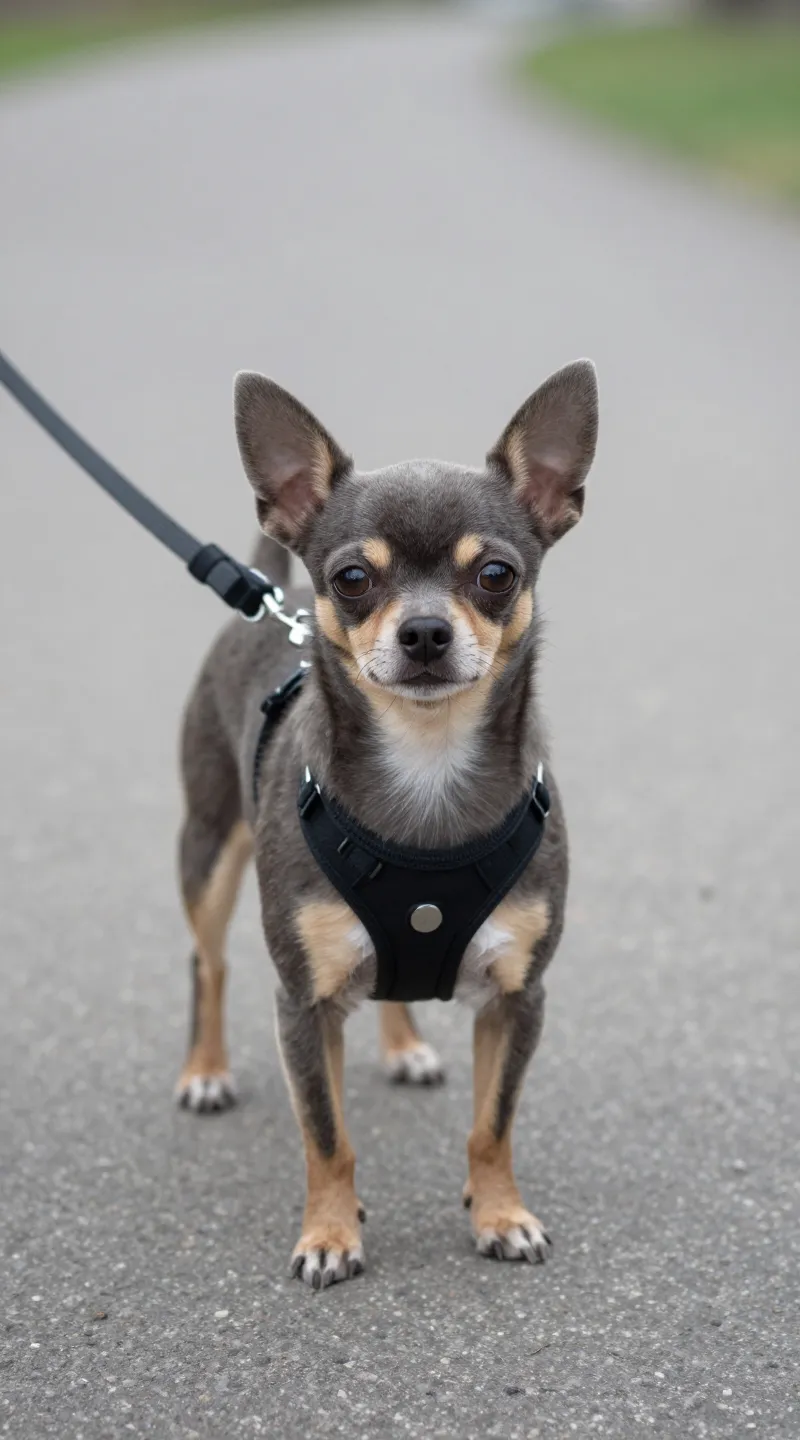
Old dogs still need movement. You’ll just shift from “sprint and tackle” to “brisk and sensible.”
- Short, frequent walks: Two or three 15–20 minute sessions beat one long slog.
- Warm-ups and cool-downs: Start slow, end slow. Same rules you pretend to follow at the gym.
- Low-impact options: Swimming or underwater treadmill if available.
- Core and balance: Gentle inclines, figure-8s, and standing on a soft mat help stability.
What If My Dog Hates Walks Now?
Try different surfaces or times of day. Avoid slippery floors. Consider a well-fitted harness for support. If they lag hard or stop, that’s pain talking—get the joints checked.
Comfort at Home: Small Tweaks, Big Wins
You can turn your home into a senior-friendly spa without gutting your decor.
- Orthopedic bed: Memory foam or egg-crate reduces pressure on hips and elbows.
- Non-slip zones: Rugs or foam runners on slick floors. Your dog doesn’t need to practice figure skating.
- Ramps and steps: For couches, beds, and cars. Protects joints and your back.
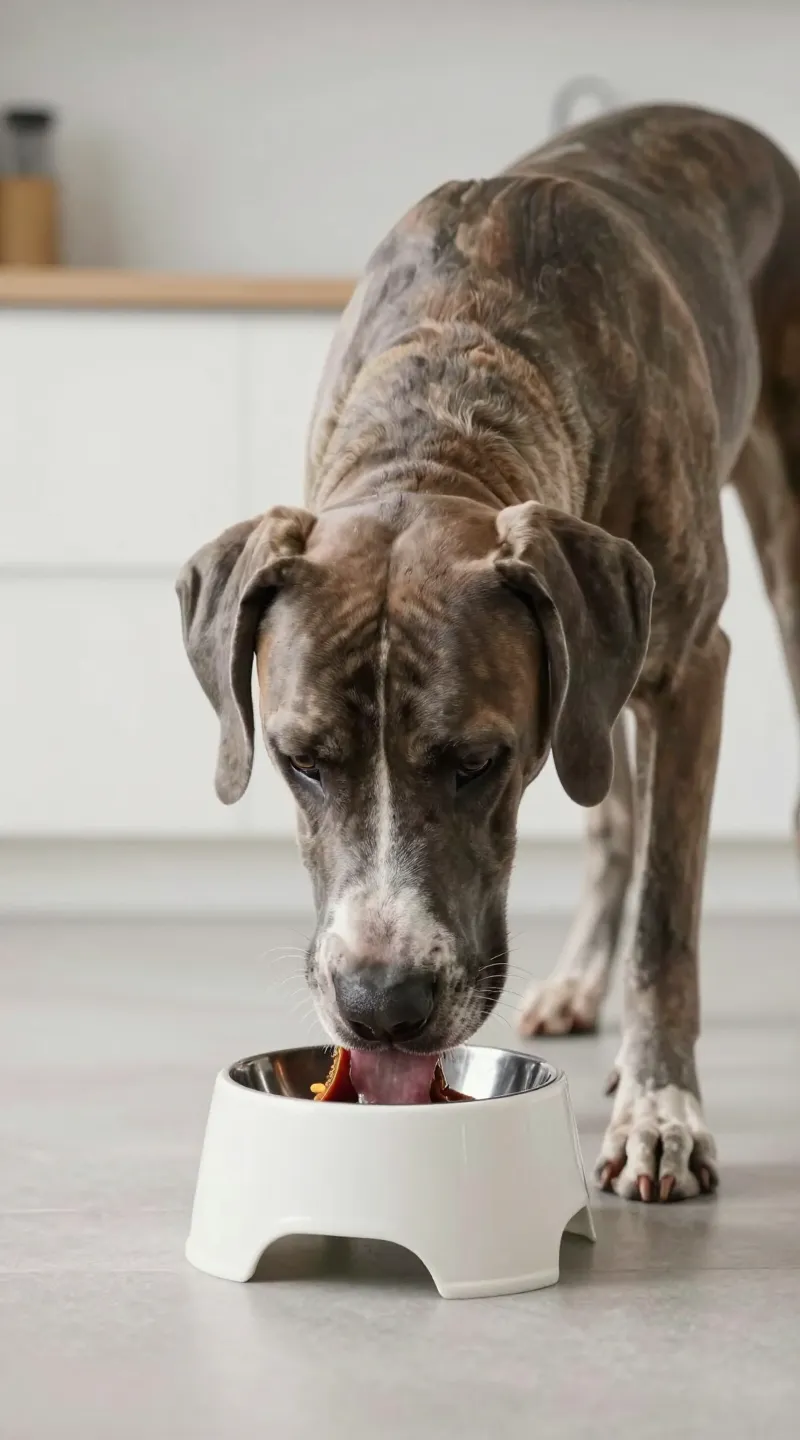
- Elevated bowls: Helpful for big dogs with neck or arthritis issues.
- Warmer, quieter spaces: Older dogs love cozy corners away from drafts and chaos.
Grooming and Nail Care
Keep nails short so feet plant properly—long nails force awkward posture. Brush gently to boost circulation and spot lumps, sore spots, or matting. For thick coats, regular de-shedding helps skin stay healthy.
Mind Matters: Senior Brains Need Enrichment
Cognitive decline isn’t inevitable, but it happens. You can slow it down with mental workouts.
- Food puzzles: Snuffle mats, slow feeders, and easy puzzle toys keep the brain busy.
- Training refreshers: Short sessions of sit, down, touch, and nosework. Keep it fun and treat-heavy.
- Routine with variety: Predictable schedule, but rotate routes and toys to prevent boredom.
- Sleep quality: Good sleep supports brain health. Create a calm nighttime routine.
Signs of Cognitive Dysfunction (Doggy Dementia)
Watch for the DISHA pattern:
- Disorientation (gets stuck in corners)
- Interactions change (clingy or irritable)
- Sleep-wake cycle flips (restless at night)
- House-soiling or forgetting cues
- Activity changes (aimless pacing)
Treatments exist—diet changes, supplements, and meds—so talk to your vet early. FYI, early intervention works best.
Vet Care: Proactive Beats Reactive
Senior dogs benefit from more frequent check-ins. You’ll catch issues before they become emergencies (or wallet meltdowns).
- Twice-yearly exams: Seniors change fast; biannual visits help you stay ahead.
- Screening labs: Bloodwork, urinalysis, and sometimes X-rays. Kidneys, liver, thyroid, and glucose all deserve a peek.
- Dental care: Gum disease hurts and affects organs. Cleanings plus at-home brushing or dental chews make a difference.
- Pain management: Modern meds, joint injections, laser therapy, acupuncture—lots of options. Don’t let your dog “tough it out.”
Quality of Life: How to Measure the Hard Stuff
Use a simple scorecard monthly. Rate:
- Pain (movement, restlessness)
- Appetite and weight
- Hydration and bathroom habits
- Joy (interest in walks, toys, family)
- Mobility (rising, stairs, slips)
- Bad days vs good days
If bad days consistently outnumber good, it’s time for a frank talk with your vet. IMO, planning ahead reduces panic decisions later.
Common Senior Dog Myths (Let’s Bust a Few)
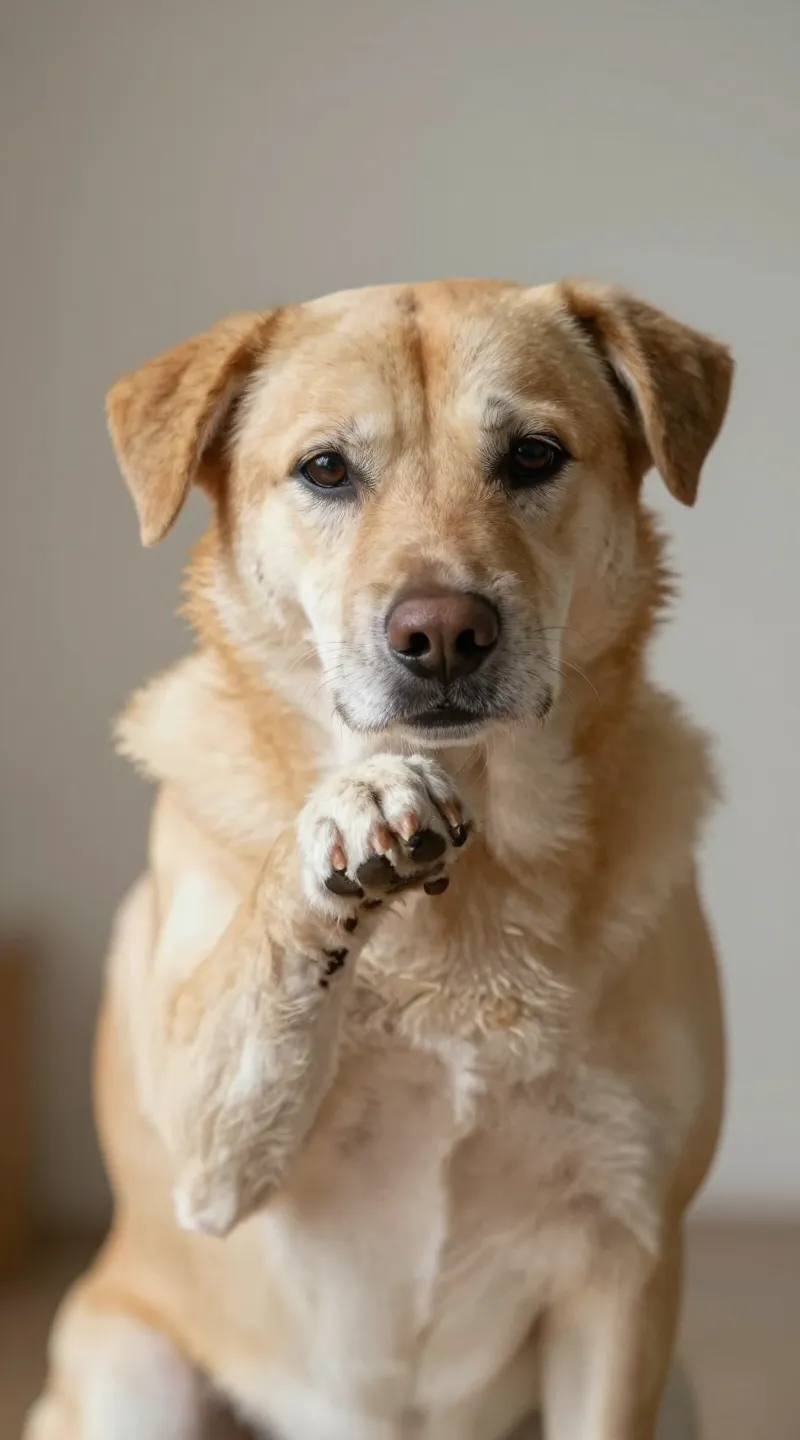
- “He’s old, so he should rest all day.” Rest, yes. But regular, gentle activity keeps joints, brain, and heart in shape.
- “Gray muzzle equals constant pain.” Not automatically. Many seniors feel great with small adjustments and pain control.
- “Switch to low-protein food.” Not a blanket rule. Quality protein helps seniors keep muscle.
- “Nothing can help cognitive decline.” False. Diet, enrichment, meds, and routines can slow it down.
- “If he’s eating and wagging, he’s fine.” Dogs hide discomfort like tiny stoic heroes. Look deeper.
FAQ
How often should a senior dog see the vet?
Aim for every six months. Seniors change quickly, and labs can spot early issues like kidney disease, thyroid problems, or diabetes before symptoms explode. Schedule sooner if you notice new or persistent changes.
What’s the best diet for an older dog?
Look for balanced food with high-quality protein, controlled calories, and added omega-3s. Some senior formulas help with joint or brain health. If your dog has kidney, liver, or GI issues, ask your vet for a tailored plan.
How can I tell if my dog is in pain?
Pain in dogs often shows up as subtle changes: slower stairs, stiffness after naps, licking joints, grumpiness, or not wanting to jump up. If you suspect pain, don’t wait. Vets can offer meds and therapies that make a night-and-day difference.
Do senior dogs still need vaccinations?
Yes, but schedules may change. Core vaccines typically continue, and your vet might use titer testing or extend intervals based on risk and health status. Parasite prevention still matters—fleas and ticks didn’t retire.
Is it normal for senior dogs to drink more water?
Increased thirst can signal problems like kidney disease, diabetes, Cushing’s, or infections. Don’t brush it off as “just old age.” Get labs done to rule out underlying causes.
Should I change our exercise routine?
Usually, yes. Trade long, intense sessions for shorter, gentler ones. Keep it consistent, add warm-ups, avoid slick surfaces, and consider low-impact activities like swimming. If exercise seems to hurt, call your vet.
Final Thoughts
Senior dogs aren’t fragile—they’re seasoned. With smart food choices, gentle exercise, cozy home tweaks, mental enrichment, and regular vet checks, your gray-muzzled buddy can thrive. Keep an eye on changes, adjust with care, and celebrate the slow, sweet moments. They’ve spent years loving you; now you get to return the favor in style.
Explore iPet Choice
Discover helpful pet care tips, trusted product recommendations, and practical guides for dogs, cats, fish, and more.