Bored indoor cat = chaos gremlin in fur. Scratched furniture, midnight zoomies, fridge-raiding eyes? That’s boredom talking. The fix isn’t more treats—it’s better play. The right toys fire up your cat’s hunter brain, drain that pent-up energy, and turn mischief into purrs.
Why Indoor Cats Need “Jobs” (aka Play)
Indoor cats live the suite life, but they still crave a hunt. If they don’t stalk, chase, and “kill” something daily, they invent drama. Your ankles know. So we give them toys that mimic prey and feed their instincts.
Quick rule of thumb: rotate toys, schedule short play sessions, and end with a “catch.” You get a happy cat, not a furry tornado.
Interactive Wands: The MVP of Cat Toys
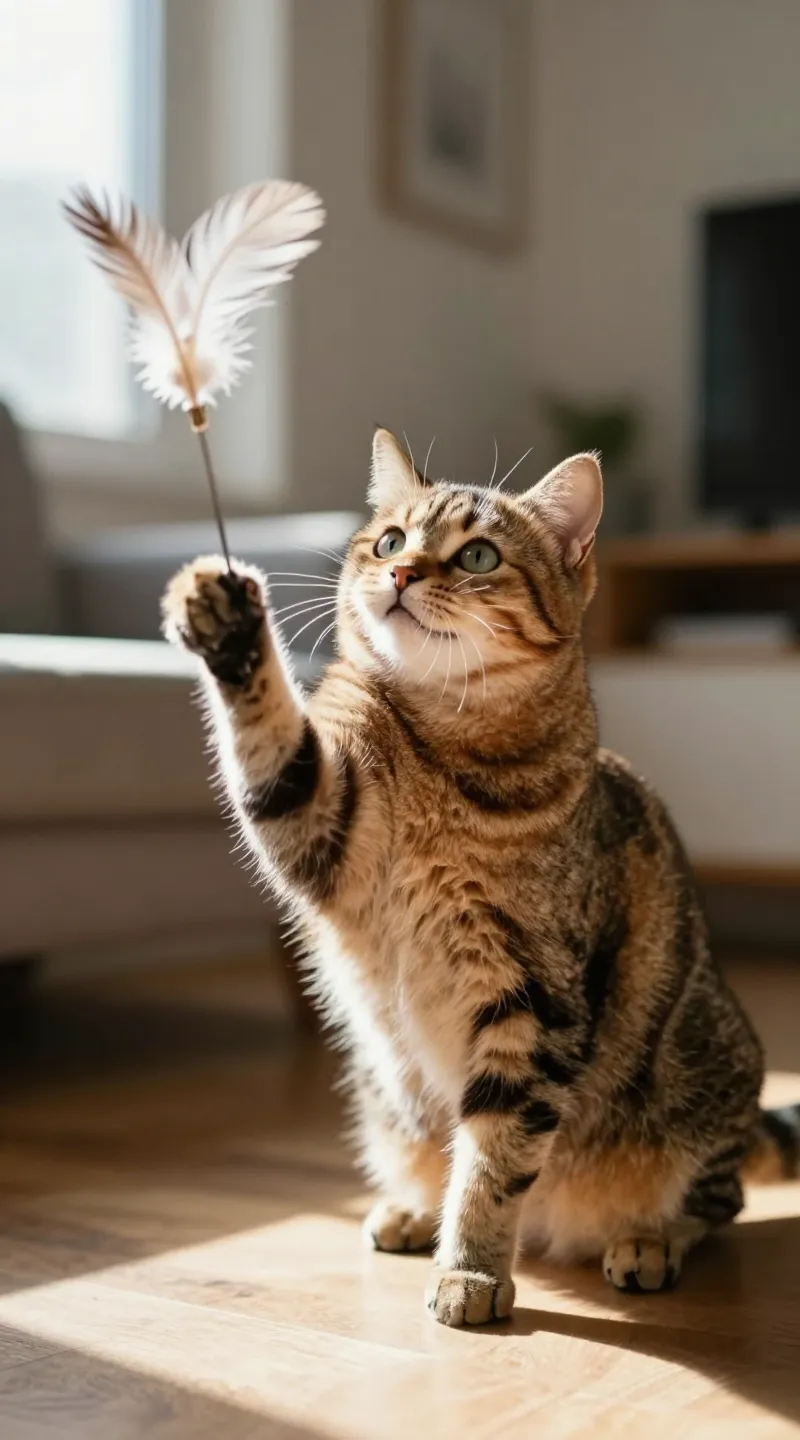
Wand toys turn you into The Prey Controller. You steer the action, your cat gets cardio, and it feels like real hunting.
- Feather wands for birds: fast, darting, airborne chaos.
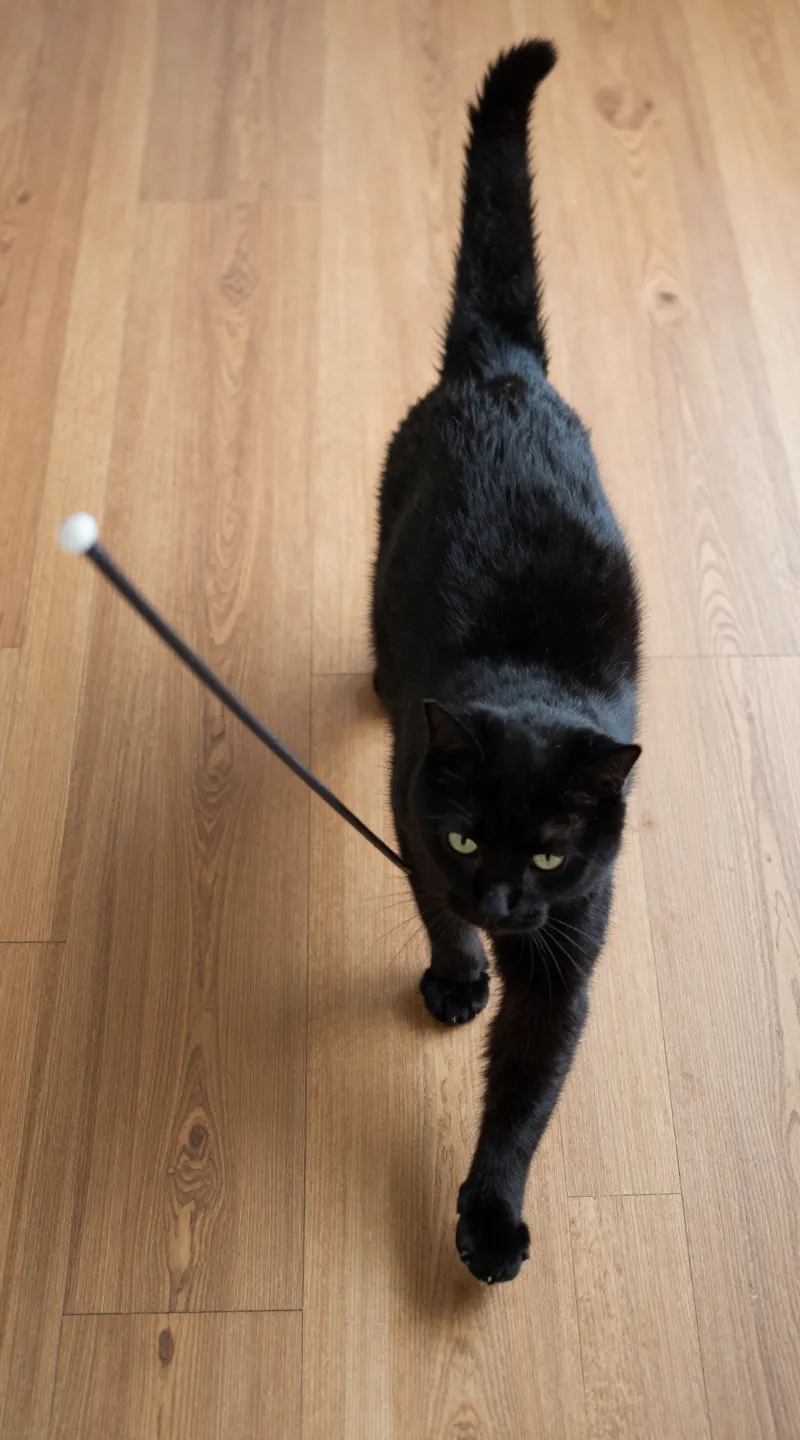
- String or ribbon wands for snakes: slither along the floor, then hide behind furniture.
- Interchangeable lures save money and keep things fresh.
Pro tip: Move the lure like prey, not a helicopter. Hide, creep, sprint, freeze—repeat. Then let your cat “win” at the end and give a small treat. That “catch-and-eat” shuts off their hunt mode. Magic.
Safety Notes You’ll Actually Follow
- Store wands out of reach. Cats swallow strings. Vet bills are not a vibe.
- Check for loose feathers or frayed cords and trim or replace.
Motion-Activated Toys That Don’t Need You
Sometimes you’re on a Zoom call and your cat demands entertainment. Automated toys can help—when you pick smart ones.
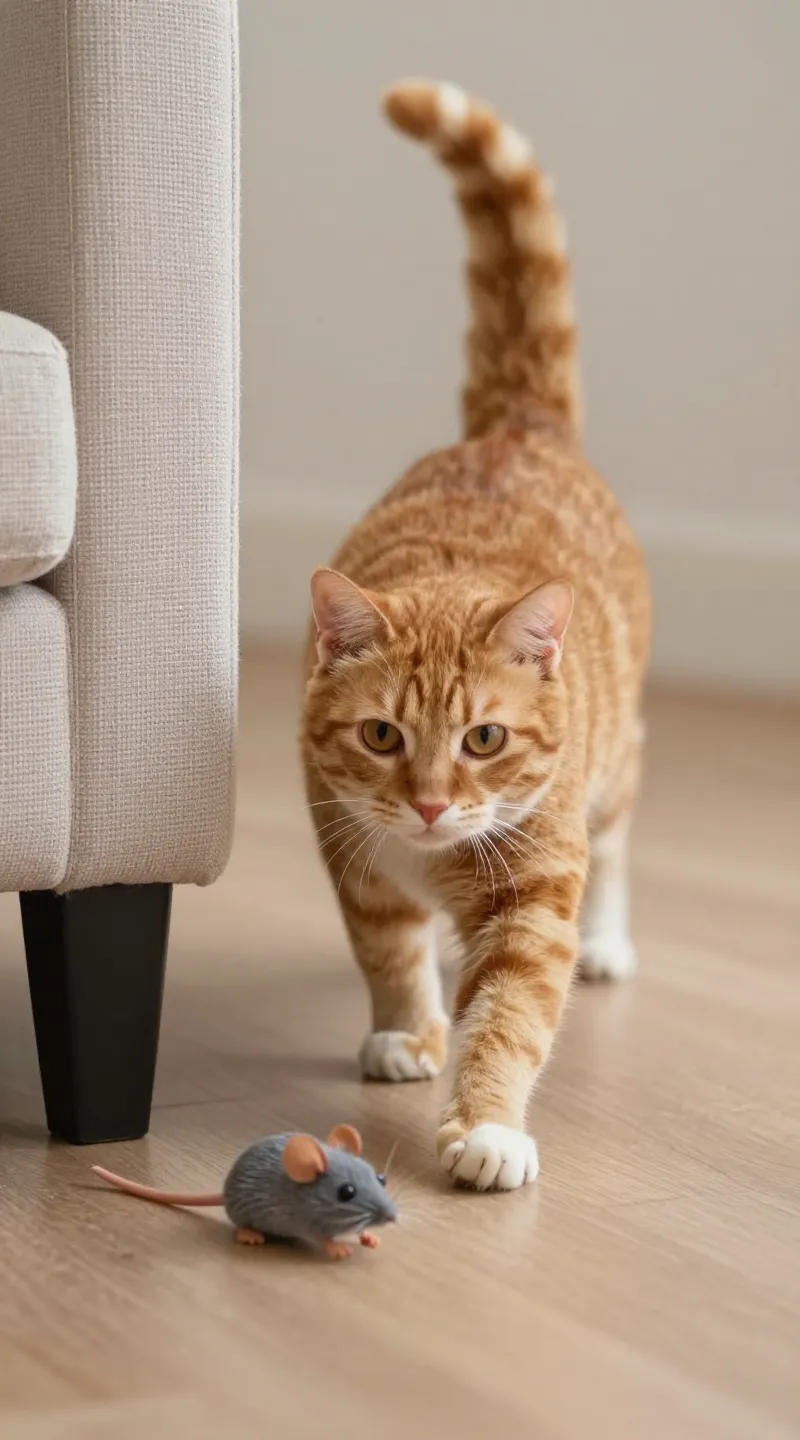
- Motorized “mice” or rolling balls: great for hardwood or low-pile rugs. Look for random movement patterns.
- Under-blanket toys: a little wand moves under a fabric cover. Cats go feral (in a good way).
- Laser toys with timers: fine in moderation, but always end with a physical toy “catch.”
What matters:
- Randomness keeps them guessing.
- Quiet motors won’t scare sensitive cats.
- Auto shut-off saves battery and sanity.
FYI: The Laser Debate
Lasers spark chase, but no catch can frustrate some cats. Solve it by tossing a kicker toy or treat at the end. Hunt → catch → eat. Closed loop. IMO, lasers are seasoning, not the main course.
Food Puzzles: Make Them Work for Snacks
Cats don’t “need” a buffet. They need to earn it—just a little. Food puzzles slow eating, sharpen brains, and turn meals into enrichment.
- Rolling treat balls for beginners: easy wins keep them engaged.
- Slider boards with compartments: sniff, slide, score.
- Snuffle mats for foraging: hide kibble, let the nose do its thing.
Start simple. If your cat gets confused, they bail. Celebrate the first success, then level up.
DIY Options That Actually Work
- Egg carton + kibble in each cup.
- Toilet paper rolls taped in a shoebox as tunnels for treats.
- Paper bag with a few kibbles—crinkle city.
Solo Play Staples: The Boredom Backup Squad
You can’t always play, so build a stash of self-serve fun.
- Kicker toys stuffed with catnip or silvervine—grab, bunny kick, vibe.
- Crinkle toys for the sound-sensitive hunters.
- Spring toys that bounce unpredictably (cheap, shockingly effective).
- Catnip/silvervine toys for mellow moods and zoomies on demand.
Rotate weekly. Hide half the toys, then swap. Old toy + time off = brand new again.
Best Materials
- Durable fabric or canvas for kickers.
- Firm foam or rubber for springs and balls.
- Stitched seams over glued parts.
Hunt the House: Set Up a Mini Jungle
Toys shine more when the environment encourages stalking and pouncing. You don’t need a jungle gym (though your cat would not object).
- Boxes and tunnels: instant ambush zones.
- Window perches: bird TV beats actual TV.
- Vertical space: shelves or trees turn your cat into a ninja.
- Rotating “prey paths”: move tunnels and boxes weekly to reset the map.
Make Toy Stations
- Station 1: Wand toy + hidey tunnel.
- Station 2: Puzzle feeder + snuffle mat.
- Station 3: Spring toys + kicker stash near a scratcher.
Schedule Play Like a Pro (It’s Short!)
Cats love routine. Two or three short sessions beat one long one. Think 10–15 minutes, not a marathon.
- Warm-up: slow stalk with a wand toy.
- Chase: fast sprints, jumps, surprise direction changes.
- Victory: let them catch it.
- Treat: a few kibbles or a small snack.
- Cool-down: gentle pets or a kicker toy.
IMO: Morning play reduces “3 a.m. parkour” by like 80%.
Choose Toys Based on Your Cat’s Personality
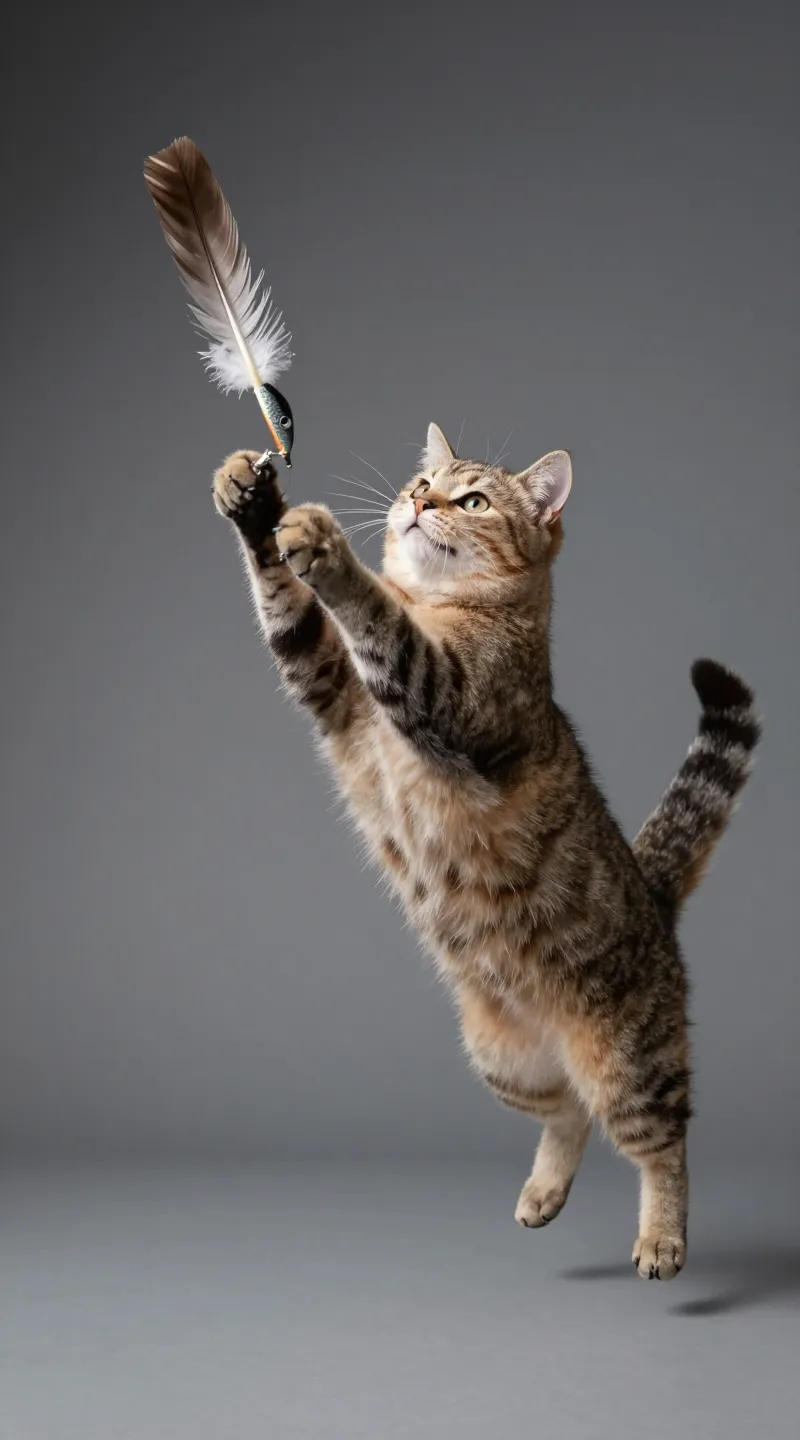
One cat’s obsession is another’s yawn. Match toys to your feline’s vibe.
- The Bird Watcher: feather wands, window perch, fluttering toys.
- The Ground Hunter: string wands, tunnel sneak attacks, moving mice.
- The Problem Solver: puzzle feeders, treat boards, scent games.
- The Wrestler: big kickers, soft plush prey, crinkle logs.
- The Couch Potato: low-effort puzzles, gentle lasers (with catch), easy wins.
Signs the Toy Works
- Focused eyes, tail twitch, butt wiggle.
- Repeated re-engagement after short breaks.
- Post-play chill instead of destructive energy.
FAQ
How many toys does my indoor cat need?
You don’t need a toy store at home. Aim for a balanced set: 1–2 wands, 2–3 solo toys, 1–2 puzzles, plus a rotating stash. The rotation matters more than the number.
How often should I rotate toys?
Every 1–2 weeks. Pack away half the toys in a bin, then swap. Familiarity breeds boredom; absence makes the heart go zoom.
Are catnip and silvervine safe?
Yes, in normal amounts. Some cats don’t react to catnip but go wild for silvervine. Offer a few times a week and store toys in a sealed bag to keep them potent.
What if my cat ignores new toys?
Demo the toy. Move it like prey, add a sprinkle of catnip, or pair with treats. Try at different times of day. Some cats need a few sessions to “get it.”
Can kittens use puzzle feeders?
Absolutely—start easy. Use big openings and high-value treats. Kittens learn fast and it channels their chaos into thinking, which your curtains will appreciate.
My cat gets overstimulated. Help?
Use slower movements, softer toys, and shorter sessions. Avoid aggressive lasers and loud motors. End with a calm “catch” and a treat to reset.
Conclusion
Indoor cats thrive when they hunt, solve, and play—daily. Stock a few smart toys, rotate them, and schedule short sessions. Your cat burns energy, your furniture survives, and you get fewer 3 a.m. zoomies. Win-win, whiskers down.
Explore iPet Choice
Discover helpful pet care tips, trusted product recommendations, and practical guides for dogs, cats, fish, and more.